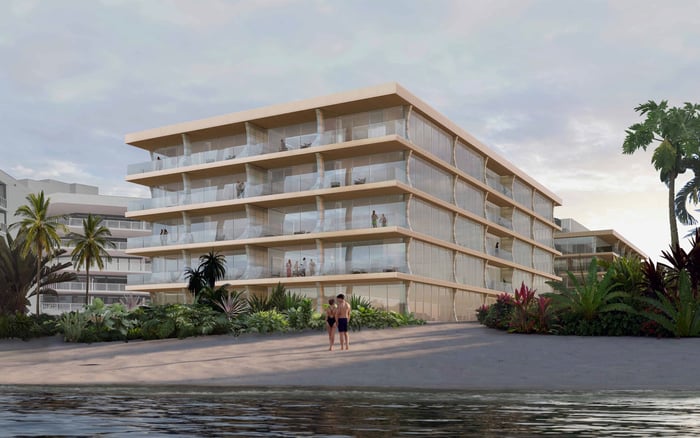
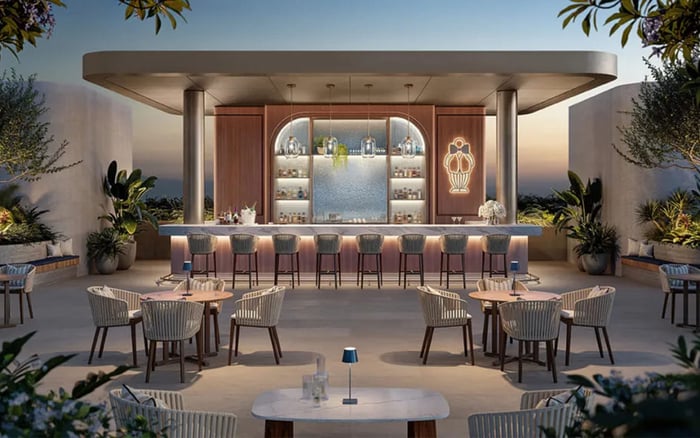
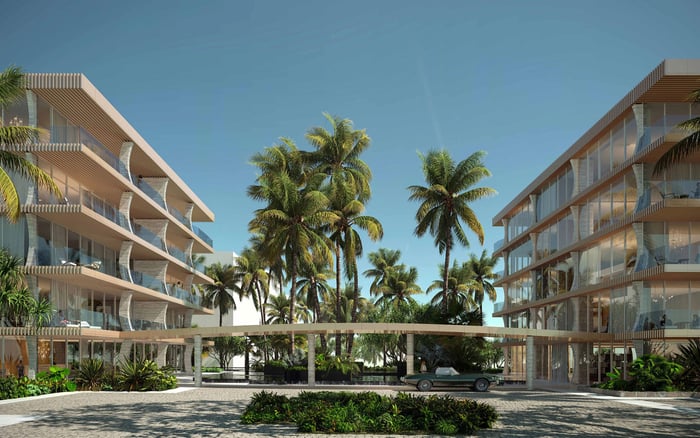
A practical, discreet buyer’s guide for Buenos Aires residents evaluating wellness-led residences across Palm Beach, West Palm Beach, Boca Raton and select Miami enclaves.
For a buyer moving between Buenos Aires and South Florida, a wellness-led residence should feel less like a building with a spa and more like a private operating system for daily life. The essential question is not whether a property has a fitness room, treatment space or pool. It is whether the residence makes sleep, movement, privacy, recovery, dining, work and family time easier to sustain.
That distinction matters in Palm Beach, where expectations are often quieter and more residential than in Miami’s more vertical districts. A wellness-led home should reduce friction. Arrival should be simple. Staff culture should be discreet. Outdoor space should invite use at different times of day. The plan should accommodate both short stays and longer seasons without feeling temporary.
The strongest wellness purchases tend to be evaluated across three layers: the private residence, the building or community, and the surrounding neighborhood. A superb gym cannot compensate for a floor plan without quiet bedrooms. A beautiful terrace loses value if it is not usable during the hours you actually live outdoors. Wellness, at this level, is a matter of rhythm.
Palm Beach is the emotional anchor for many international buyers because it offers a particular kind of restraint: established streets, polished social rituals and a preference for privacy. Buyers who want a calm seasonal base, a refined second-home atmosphere and a sense of separation from urban intensity often begin here.
West Palm Beach, by contrast, can appeal to buyers who want access, convenience and a more urban daily routine while remaining close to the Palm Beach sphere. The decision is not simply island versus city. It is about how often you expect to entertain, whether you prefer walking into a more active environment, and how much building service you want to rely on when you are abroad.
For those considering a Palm Beach address with a residential focus, Palm Beach Residences belongs in the early conversation. Buyers who prefer West Palm Beach’s more connected rhythm may also compare the service expectations and ownership profile at The Ritz-Carlton Residences® West Palm Beach. Each choice points to a different version of wellness: one quieter and more insular, the other more integrated with city life.
A wellness-led residence begins with light, air, sound and proportion. Buyers should study the way morning light enters bedrooms, whether primary spaces allow genuine separation, and how the kitchen supports daily eating rather than only formal entertaining. If you live between countries, storage is also a wellness issue. A residence that can hold clothing, sports gear, personal care items and seasonal objects without clutter will feel more settled from the first week.
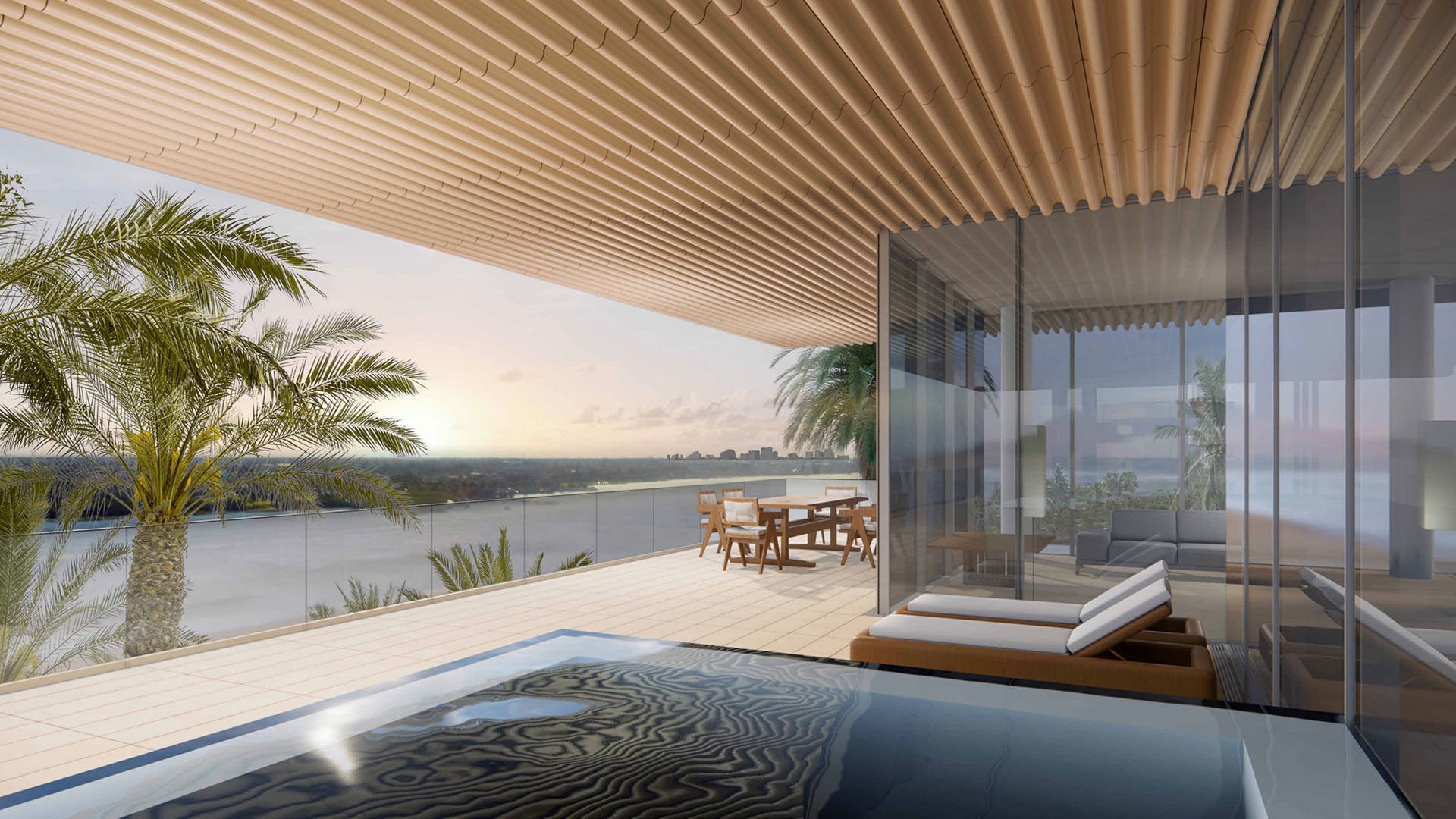
Private outdoor space deserves equal attention. A terrace should be large enough to sit, dine or stretch without feeling decorative. Waterfront views may be beautiful, but usability is the deciding factor. Wind, sun orientation, privacy from neighboring buildings and the relationship between indoor and outdoor rooms all influence whether a terrace becomes part of daily life.
Technology should be quiet and dependable. Buyers should ask how access, climate, security and maintenance are handled when the residence is vacant. A wellness-led purchase for a Buenos Aires owner is often a long-distance ownership decision. The more gracefully a building manages absence, the more restorative the home becomes upon return.
Boca Raton can be compelling for buyers who want a composed, lifestyle-forward base with room for routine. The appeal is not only residential polish. It is the ability to structure days around fitness, dining, family visits, medical appointments, private clubs or quiet work without the intensity of a major urban core.
For buyers weighing Boca Raton against Palm Beach, the question is temperament. Palm Beach may feel more ceremonial. Boca Raton may feel more practical for extended stays and multi-generational use. A project such as Alina Residences Boca Raton is relevant for buyers who want a refined condominium lifestyle in Boca Raton while keeping wellness tied to daily convenience rather than occasional indulgence.
This is also where lifestyle priorities become highly personal. Some buyers want proximity to cultural events and restaurants. Others want quiet mornings, predictable services and space for family. Wellness is not a universal checklist. It is the architecture of the life you actually intend to live.
Although the topic begins with Palm Beach, some Buenos Aires buyers should also compare select Miami addresses before deciding. Miami’s wellness-led residences may suit owners who want a more international social atmosphere, easier transitions between business and leisure, or a broader range of branded and design-driven residential concepts.
Coconut Grove offers one of the more natural wellness conversations because its appeal is rooted in greenery, a softer pace and residential texture. Buyers who want wellness to feel organic rather than theatrical may find The Well Coconut Grove especially relevant for comparison. Bay Harbor Islands, meanwhile, can appeal to those seeking a quieter island-like setting within the Miami orbit. The Well Bay Harbor Islands provides a useful reference point for buyers studying wellness as a central residential identity.
The point is not to widen the search endlessly. It is to clarify preference. If Miami feels energizing but Palm Beach feels restorative, the right decision may depend on how many months per year you expect to occupy the residence and whether it is primarily a personal retreat, a family gathering place or a strategic U.S. base.
Privacy is one of the most misunderstood elements of wellness. It is not only about exclusivity. It is about how a building handles arrivals, guests, deliveries, staff, drivers, contractors and maintenance. For international owners, the residence should feel protected without feeling complicated.
Ask how service is delivered when you are in residence and when you are away. Ask whether management is comfortable with seasonal ownership. Ask how packages, food deliveries, housekeeping access and guest approvals are handled. These small details often define the ownership experience more than headline amenities.
Waterfront residences add another layer of evaluation. Waterfront living can be profoundly restorative, but buyers should consider exposure, view corridors, balcony depth and the everyday practicality of the setting. The best choice is not always the most dramatic view. It is the view and orientation that support the way you wake, work, dine and rest.
Begin with your calendar. If you expect short, frequent visits, prioritize lock-and-leave service, immediate access and a residence that feels complete without extensive setup. If you expect long stays, prioritize storage, kitchen function, guest accommodation, parking, outdoor space and neighborhood routine.
Next, define your wellness non-negotiables. For some buyers, that means a serious fitness environment. For others, it means quiet bedrooms, strong air and climate systems, spa access, walkability, gardens, private dining or the ability to host family comfortably. Rank these needs before touring, because beautiful spaces can blur priorities.
Finally, compare the emotional atmosphere of Palm Beach, West Palm Beach, Boca Raton and Miami. The best purchase should make your South Florida life feel intuitive. It should also remain legible to future buyers who value privacy, service and a coherent wellness proposition.
Should a Buenos Aires buyer start in Palm Beach or Miami? Start with lifestyle rhythm. Palm Beach suits quieter retreat living, while Miami may better serve buyers seeking a more international urban pace.
Is West Palm Beach a substitute for Palm Beach? Not exactly. West Palm Beach offers a more connected city routine, while Palm Beach carries a more established residential character.
What makes a residence truly wellness-led? It should support sleep, movement, privacy, recovery and ease of ownership. Amenities matter only if they improve daily life.
Is Boca Raton a strong option for wellness buyers? Yes, especially for buyers who want a grounded, polished environment for longer stays, family use and predictable routines.
How important is outdoor space? Very important. A usable terrace or garden can shape daily wellness more than an amenity that is rarely used.
Should branded residences be prioritized? They can be valuable when service standards, management and design align with your lifestyle. The brand alone should not drive the decision.
What should lock-and-leave buyers ask first? Ask how the building manages access, maintenance, deliveries, guests and climate control when the owner is abroad.
Does waterfront living always mean better wellness? Not always. The best waterfront choice depends on privacy, orientation, exposure and how comfortably the view integrates with daily life.
How many residences should be compared before deciding? Compare enough to understand the difference between retreat, urban convenience and resort-style service. Quality of comparison matters more than volume.
What is the biggest mistake in choosing a wellness residence? Confusing amenities with livability. The right home should make healthy routines easier without requiring constant effort.
When you're ready to tour or underwrite the options, connect with MILLION.
If branded residences are on your mind — as a home or as an allocation — we would be glad to share what we are seeing, privately.
Begin a quiet conversation