A practical luxury buyer’s guide to balancing walkable convenience with privacy, calm arrival sequences, and residential discretion in Pompano Beach.
In Pompano Beach, walkability has become one of luxury real estate’s more nuanced criteria. It is no longer enough for a residence to sit near restaurants, the sand, a marina, or neighborhood services. The more important question is whether those conveniences can be enjoyed without sacrificing the quiet, controlled feeling high-end buyers expect at home.
For a luxury purchaser, walkability should be evaluated as a daily rhythm. Where do you go in the morning for coffee? How do you return from dinner? Is the route pleasant after sunset? Does the walk feel gracious in resort attire, with a dog, or with guests visiting for the weekend? A map can show proximity, but only repeated visits reveal whether a location feels refined, exposed, calm, or overactive.
This is especially important for buyers comparing Oceanfront, Waterfront, and inland residential options. The most appealing address is not always the one closest to the busiest node. Often, the better choice is a property that allows an effortless walk to what matters while keeping the residence itself slightly removed from constant foot traffic.
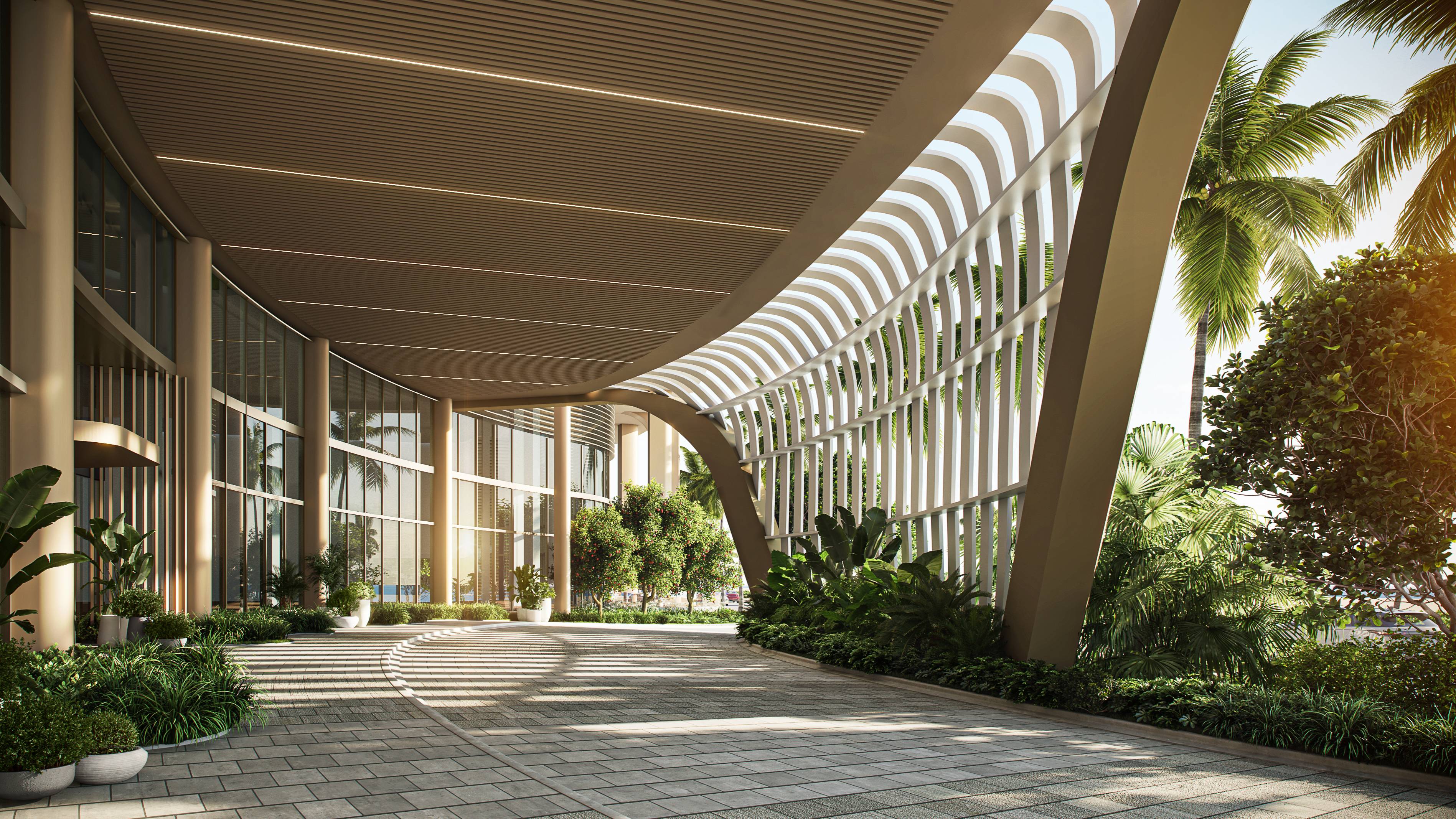
Many buyers think of privacy in terms of views, setbacks, or the absence of visible neighbors. Those factors matter, but the privacy experience starts much earlier. It begins at the curb, the porte cochere, the garage entry, the lobby, the elevator, and the hallway.
When touring a building, observe how easily a guest, delivery driver, rideshare vehicle, or passerby can understand the residential circulation. A discreet building does not need to feel hidden, but it should feel legible only to those who belong there. The arrival sequence should separate public energy from private life.
When reviewing residences such as The Ritz-Carlton Residences® Pompano Beach, focus less on the brand impression and more on how the property manages transitions. Ask how residents move from car to elevator, how guests are received, and whether service access is thoughtfully separated from owner access.
The most revealing walk is rarely the one scheduled during a polished afternoon tour. Buyers should return at different hours and under different conditions. Walk the same route early in the morning, at dinner time, on a weekend, and after dark. Notice sound, lighting, parking behavior, pedestrian movement, and how comfortable the area feels when you are not being guided.
A truly walkable address should not require mental negotiation every time you leave home. If the route feels elegant only at one hour of the day, it may be less usable than it appears. For second-home owners, this matters even more because visits tend to be compressed into high-value leisure time. A residence should simplify the day, not introduce friction.
Beach-access is a useful shorthand, but buyers should define it carefully. A shorter walk to the beach may be less valuable if the path is crowded, visually exposed, or inconvenient with chairs, towels, and family members. A slightly longer but calmer approach may better preserve the privacy and pleasure of coastal ownership.
The best walkable residences manage edges beautifully. They allow residents to engage with the neighborhood while preserving a sense of removal. This is the difference between living near activity and living inside it.
Pay attention to outdoor seating, public sidewalks, valet zones, hotel components, retail frontage, and neighboring buildings. None of these elements is inherently negative. In the right composition, they add vitality. But they should not create a condition where residents feel watched, rushed, or constantly surrounded by nonresidential movement.
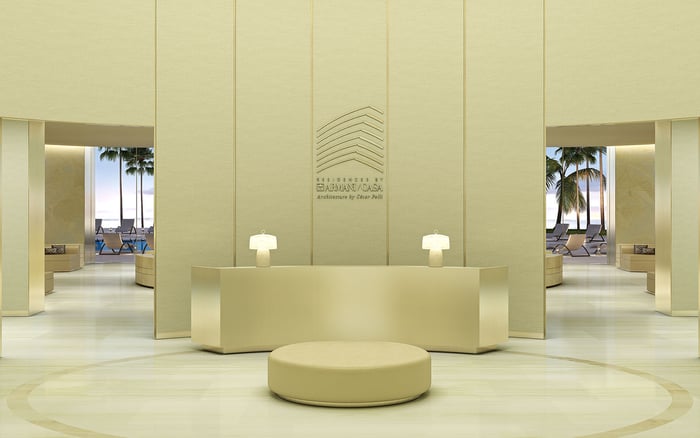
At Armani Casa Residences Pompano Beach, for example, a buyer’s due diligence should include the simple question of how the private residential experience is protected from the surrounding urban and coastal energy. That question is more useful than asking only how close the building is to the beach or dining.
Not all luxury buyers want the same degree of privacy. Some enjoy the visibility of an active coastal setting. Others prefer a quieter, more residential mood where walks are possible but not performative. Before comparing properties, buyers should be honest about their own tolerance for exposure.
Consider how often you entertain, whether you travel with staff, how visible you want your arrival to be, and whether you prefer a building with social energy or a more reserved atmosphere. A buyer who values anonymity may prioritize controlled access and low-friction parking. A buyer who values Lifestyle convenience may accept more activity in exchange for immediate access to the neighborhood.
This is where New-construction residences often attract attention, because buyers can evaluate modern planning, amenity sequencing, and access control before deciding whether the overall experience matches their expectations. Still, newness alone does not guarantee privacy. The deciding factor is how the building is organized.
Pompano Beach offers buyers several ways to think about the balance between convenience and retreat. Rather than comparing projects only by finishes or views, use a consistent privacy and walkability checklist.
When considering Ocean 580 Pompano Beach, ask how daily errands, beach outings, and evening walks would actually unfold from the residence. When reviewing W Pompano Beach Hotel & Residences, evaluate how hospitality energy aligns with your desire for discretion. When exploring Waldorf Astoria Residences Pompano Beach, consider whether the lifestyle proposition supports both convenience and quiet personal space.
The point is not to declare one model superior. It is to determine which version of walkability best suits the way you intend to live.
Before purchasing, buyers should ask practical questions that are easy to overlook during a beautiful presentation. Where do delivery vehicles stop? How is guest parking handled? Are elevators shared by many different user groups? How close are restaurant or amenity spaces to private residential areas? What is visible from neighboring buildings, sidewalks, pools, or terraces?
Study the residence itself as well. Higher floors may improve privacy, but they are not the only solution. Orientation, terrace depth, window exposure, and adjacency all influence how private a home feels. A lower residence with thoughtful separation may feel more discreet than a higher residence exposed to a busy neighboring sightline.
For Pompano Beach buyers, the ideal outcome is not maximum walkability at any cost. It is calibrated convenience. The home should let you enjoy the coastal setting, reach daily pleasures with ease, and still return to an environment that feels personal, composed, and secure.
What is the first thing buyers should test when evaluating walkability in Pompano Beach? Walk the routes you expect to use most often at several times of day. Comfort, lighting, sound, and activity patterns matter as much as distance.
Can a highly walkable address still feel private? Yes, if the building has a controlled arrival sequence, thoughtful access points, and clear separation between public and residential areas.
Is Beach-access always the most important factor? Not always. Beach-access is valuable, but the quality, privacy, and comfort of the route can matter more than pure proximity.
Should buyers prioritize Oceanfront or Waterfront residences for privacy? Both can offer privacy, but orientation, exposure, circulation, and neighboring activity are just as important as the setting itself.
How can buyers evaluate privacy during a property tour? Watch how people move through the lobby, garage, elevators, amenity areas, and sidewalks. The transitions reveal how private daily life may feel.
Are branded residences automatically more private? Not automatically. Buyers should study operations, access control, and the relationship between hospitality energy and residential calm.
Do higher floors always solve privacy concerns? Higher floors may help, but sightlines, neighboring buildings, terrace exposure, and elevator circulation can still affect discretion.
What role does Lifestyle play in the purchase decision? Lifestyle determines how much activity you welcome near home. The right choice balances convenience with the level of quiet you actually prefer.
Why should buyers visit outside scheduled showing times? Unscheduled visits reveal the natural rhythm of the area. This helps buyers understand noise, traffic, lighting, and pedestrian activity.
What is the best overall approach before purchasing in Pompano Beach? Compare each residence through the same lens: walkability, arrival privacy, exposure, access control, and long-term daily comfort.
For a discreet conversation and a curated building-by-building shortlist, connect with MILLION.
If branded residences are on your mind — as a home or as an allocation — we would be glad to share what we are seeing, privately.
Begin a quiet conversation