A discreet buyer’s guide to reading condominium governance in Key Biscayne, from reserves and board culture to insurance discipline, maintenance planning, transparency, rental rules, and long-term resale confidence.
In Key Biscayne, buyers often arrive focused on the visible privileges: protected island living, proximity to the beach, bay breezes, private terraces, and that rare sense of remove that remains within easy reach of Miami. Those qualities matter. Yet in a high-value condominium purchase, the less visible structure of the building can be just as important as the view from the residence.
Strong building governance is the difference between ownership that feels composed and ownership that becomes reactive. It shapes the cadence of maintenance, the tone of community life, the discipline of budgeting, the clarity of rules, and the way a property prepares for what comes next. For sophisticated buyers, governance is not a back-office detail. It is a luxury amenity expressed through competence.
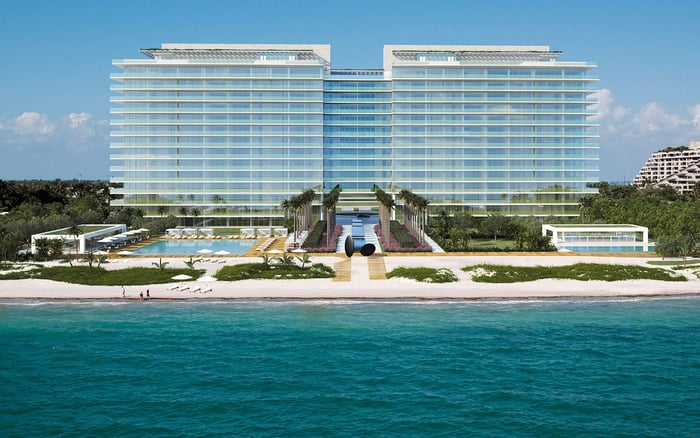
That is especially true in an island market where buildings must be evaluated not only for architecture and amenities, but for stewardship. A residence at Oceana Key Biscayne may command attention for its setting and design language, but a buyer should still ask the same essential question required of any premium building: is the association managing the asset with the seriousness the asset deserves?
The first step is to move from tour mentality to ownership mentality. Marketing materials, lobby finishes, and amenity decks show how a building presents itself. Association documents reveal how it governs itself.
A buyer should review the budget, reserve information, recent meeting minutes, rules and regulations, insurance materials, pending or planned capital projects, litigation disclosures if applicable, and any recent owner communications. The objective is not to search for perfection. In well-run buildings, maintenance issues, policy debates, and capital planning are normal. The question is whether the building addresses them early, clearly, and with financial discipline.
Minutes can be especially revealing. They show whether the board is proactive or episodic, whether decisions are properly documented, and whether owner concerns are handled with order. A calm paper trail is often a positive sign. Repeated deferrals, vague language, or unresolved disputes deserve closer review.
Reserves should never be viewed in isolation. A healthy reserve posture depends on the age, scale, condition, and complexity of the building. A newer property may have different needs than an established tower, while a larger amenity program may require more comprehensive planning.
The practical question is whether the association has a credible framework for future expenses. Does the budget appear realistic? Are major components being monitored? Are projects sequenced thoughtfully? Have owners been prepared for significant work in advance, or do decisions arrive as emergencies?
Special assessments are not automatically a sign of weak governance. In some cases, they reflect an association choosing to preserve the property properly. The more important distinction is between planned capital investment and surprise financial strain. Investment quality is strengthened when a building can explain why money is being collected, what work it supports, and how the project protects long-term ownership.
Insurance is one of the most important governance subjects in coastal condominium ownership. Buyers should understand the building’s coverage structure, deductibles, renewal posture, and how the association communicates insurance matters to owners.
The goal is not to become an insurance specialist before closing. It is to know whether the board and management team treat insurance as a strategic responsibility rather than an annual formality. A well-governed association can discuss coverage in plain language, coordinate with qualified professionals, and keep owners informed when costs or terms change.
For waterfront and oceanfront buildings, insurance discipline is part of the ownership experience. It affects budgeting, assessments, buyer confidence, and resale conversations. The most elegant buildings are not necessarily those with the quietest documents, but those whose documents show preparedness.
Governance is ultimately human. A building can have attractive amenities and still feel poorly managed if communication is delayed, rules are inconsistent, or decisions appear opaque. Conversely, a building with a restrained amenity program may feel highly desirable because management is responsive, standards are clear, and board culture is steady.
Ask how quickly management responds to buyer diligence requests. Note whether documents arrive organized or scattered. Observe how staff interact with residents. Ask whether house rules are consistently enforced. These details reveal how the building functions after the closing dinner is over.
This is why Key Biscayne belongs in serious buyer’s guides, not simply lifestyle roundups. Island prestige may attract attention, but operational clarity sustains confidence. Buyers comparing Key Biscayne with other elite enclaves, such as The Residences at Six Fisher Island or The Surf Club Four Seasons Surfside, should apply the same discipline across every address: beauty is the invitation, governance is the ownership test.
Luxury buyers sometimes view association rules as restrictions. In the best buildings, rules function as value protection. They define renovation protocols, guest access, leasing standards, pet policies, contractor hours, amenity conduct, parking use, and service expectations.
The right question is not whether the building has many rules or few rules. The right question is whether the rules support the lifestyle you intend to live. A buyer who expects quiet seasonal use may value different policies than a buyer planning frequent guests or extended family stays. A buyer considering future leasing flexibility should understand the building’s rental framework before making an offer.
Rules also protect the common experience. They reduce friction among owners, preserve privacy, and help staff manage the property consistently. In premier condominium living, discretion depends on structure.
A single building can look compelling until it is measured against comparable properties. Buyers should compare monthly costs, reserve posture, insurance communication, maintenance standards, staff professionalism, renovation rules, and board transparency across a short list of serious alternatives.
This does not mean choosing the lowest carrying cost. In luxury real estate, an unusually low cost structure may simply signal deferred needs. A higher cost may be justified if the building is funding services and maintenance properly. The purpose is to understand what the carrying cost buys and whether the association’s choices align with the property’s positioning.
For perspective, buyers evaluating island or beach-adjacent ownership might compare the governance tone of Key Biscayne with established South Beach residences such as Continuum on South Beach. The names and settings differ, but the buyer’s discipline should remain constant: documents first, assumptions second.
The most useful governance question is simple: would you trust this association in a difficult year? Not every year will be effortless. Costs may rise, projects may be required, rules may need refinement, and owners may disagree. A strong building does not avoid every challenge. It handles challenges with transparency, discipline, and composure.
Before purchasing in Key Biscayne, buyers should look for evidence of steady leadership, adequate planning, organized communication, consistent standards, and a clear respect for the long-term asset. The best-governed buildings make ownership feel serene because complexity is being managed intelligently behind the scenes.
In that sense, governance is not separate from luxury. It is one of luxury’s most important forms.
Why does building governance matter so much in Key Biscayne? Governance affects maintenance, budgeting, insurance, rules, communication, and resale confidence. In a high-value coastal market, it is central to the ownership experience.
What documents should a buyer review before purchasing? Review the budget, reserves, meeting minutes, rules, insurance materials, capital project information, and relevant disclosures. Your advisor and attorney can help interpret the details.
Are special assessments always a negative sign? Not necessarily. Planned assessments can indicate responsible upkeep, while surprise assessments may suggest weak forecasting.
How can meeting minutes help a buyer? Minutes reveal how the board communicates, prioritizes issues, documents decisions, and responds to owner concerns. They often show the culture behind the lobby.
Should buyers choose the building with the lowest monthly fees? Not automatically. Low fees may be attractive, but they should be evaluated against reserves, services, staffing, insurance, and maintenance needs.
What role do house rules play in value protection? Clear rules support privacy, consistency, amenity quality, renovation control, and resident expectations. They can reduce friction and preserve the building’s tone.
How should buyers think about insurance? Buyers should understand coverage structure, deductibles, renewal communication, and how insurance costs are handled in the budget. Coastal ownership requires particular attention.
Can strong governance improve resale prospects? Yes. Well-run buildings often inspire greater buyer confidence. Resale strength is supported by transparent records, maintained common areas, and disciplined planning.
What is a warning sign during due diligence? Disorganized documents, vague answers, repeated deferrals, inconsistent enforcement, or unresolved disputes may deserve closer review before proceeding.
Who should help evaluate condominium governance? Buyers should work with experienced real estate, legal, and financial advisors who understand premium condominium ownership. The goal is to interpret the building as an operating asset.
For a confidential assessment and a building-by-building shortlist, connect with MILLION.
If branded residences are on your mind — as a home or as an allocation — we would be glad to share what we are seeing, privately.
Begin a quiet conversation