A discreet buyer’s guide to insurance planning for Buenos Aires families considering Coconut Grove waterfront ownership, with focus on flood, wind, liability, marina exposure and condo association review.
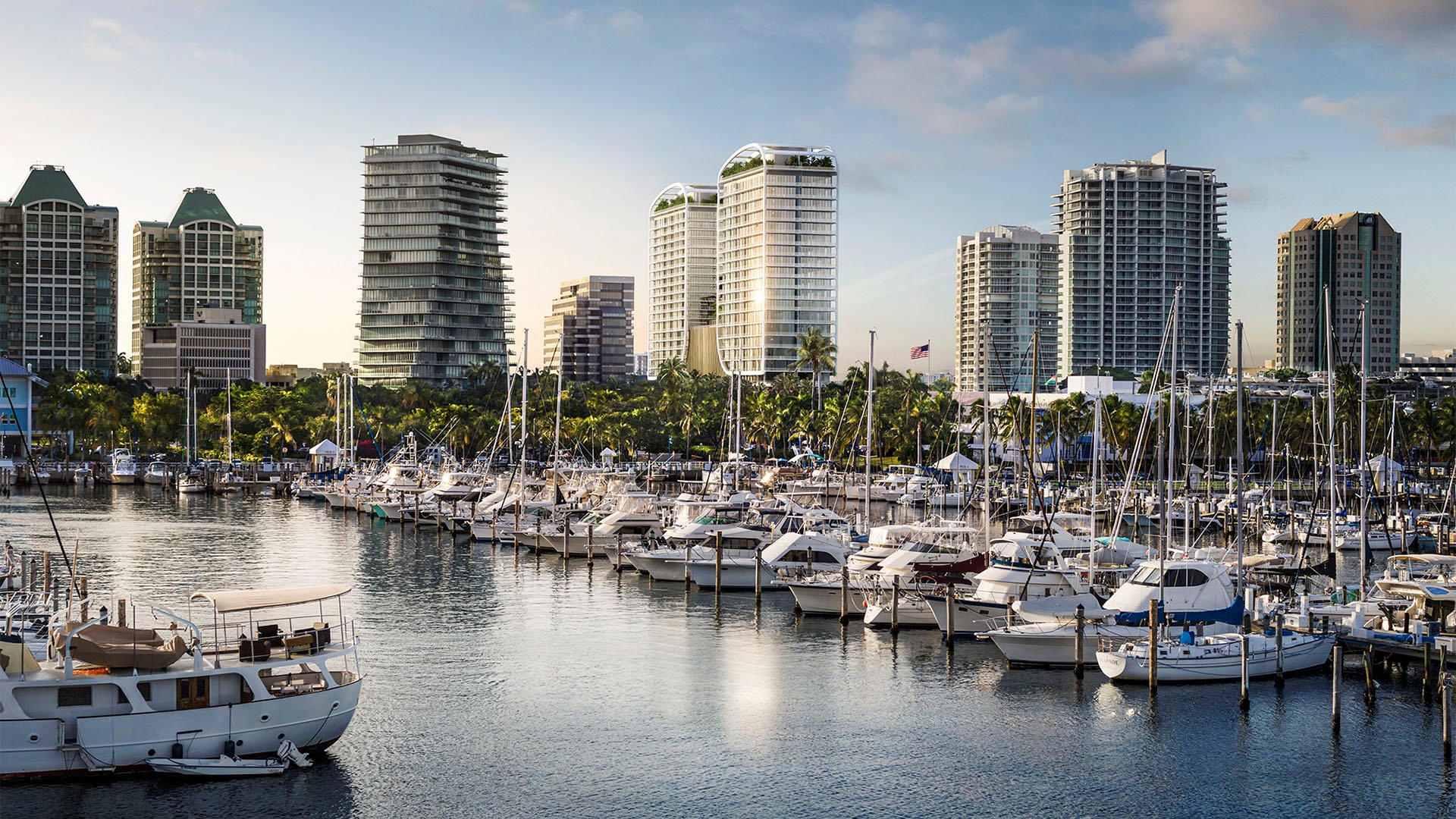
For a buyer arriving from Buenos Aires, Coconut Grove can feel both familiar and entirely new: a waterfront enclave with mature canopy, private rhythms, club culture, and a quieter expression of Miami prestige. Yet the most sophisticated purchase conversations here are not limited to architecture, views, and dockage. They begin with risk.
Insurance planning is not an administrative afterthought in waterfront ownership. It is a core diligence item to address before a buyer becomes emotionally committed to a residence. Coverage availability, deductibles, lender requirements, association responsibilities, and exclusions can influence how a property should be held, financed, renovated, and maintained.
The most elegant acquisition is one that is beautiful on closing day and resilient after it. For international families, that means building an insurance file with the same care given to the legal and tax file.
Waterfront ownership is often discussed as if it carries one principal exposure. In practice, the risk profile is layered. A residence may require review for wind, flood, water intrusion, liability, personal contents, improvements, vessel-related exposure, and temporary vacancy. If the property includes a boat-slip, lift, seawall, dock, tender area, or other marine element, the conversation becomes more specialized.
That does not mean waterfront living should be avoided. It means the buyer should understand what is covered, what is excluded, and what must be handled through separate policies or endorsements. A primary policy may not answer every question. Excess liability, flood coverage, and marine-related policies may need to be coordinated rather than purchased in isolation.
In Coconut Grove, where lifestyle frequently extends from residence to bay, insurance planning should follow how the home will actually be used. A quiet second-home occupied seasonally has a different profile from a full-time family residence with staff, guests, boats, and frequent entertaining.
Luxury condominium ownership can simplify certain responsibilities, but it does not eliminate personal exposure. Buyers should understand the boundary between the association’s master policy and the owner’s individual coverage. This is especially important for interior finishes, upgrades, contents, loss assessment exposure, and temporary displacement costs.
For buyers considering refined new or established condominium addresses, buildings such as Four Seasons Residences Coconut Grove show why a polished lifestyle offering should still be paired with disciplined document review. The building may manage many elements, but the owner still needs clarity on what begins and ends inside the unit.
Association documents, budgets, reserves, claims history, and insurance deductibles deserve close reading. A high-net-worth buyer should ask not only whether a building is insured, but how deductibles could be allocated after a loss, whether special assessments could arise, and how individual policy limits should be calibrated.
Estates and single-family waterfront homes offer autonomy, privacy, and control. They also place more responsibility directly on the owner. Roof condition, openings, elevation, drainage, mechanical systems, seawalls, docks, generators, landscape design, and maintenance protocols can all shape the insurance conversation.
In this category, diligence should be physical as well as contractual. Inspections should be coordinated with the insurance process early enough to avoid surprises late in the purchase timeline. Buyers should confirm whether planned renovations, additions, or marine improvements may affect insurability, premiums, or coverage structure.
A Grove residence is rarely just a house. It is a landscape, a shoreline condition, a guest environment, and often a family compound. That wider lens is particularly important for international owners who may not be present year-round. Maintenance calendars, hurricane preparation plans, emergency contacts, and post-storm access should be organized before closing rather than improvised later.
Coconut Grove’s appeal is not monolithic. Some buyers want immediate bay proximity. Others prefer the layered privacy of residential streets near restaurants, schools, parks, and clubs. Insurance planning should reflect that difference.
At Park Grove Coconut Grove, the conversation may center on high-rise condominium ownership, association coverage, and interior finish protection. At Vita at Grove Isle, a buyer may focus closely on island access, waterfront adjacency, and the operational standards expected of a highly serviced residential environment. At The Well Coconut Grove, the emphasis may include wellness-driven living and the practicalities of protecting personal improvements, contents, and extended-use residences.
None of these considerations is a substitute for professional insurance advice. Rather, they are prompts for better questions. The best buyers compare not only floor plans and views, but also how each ownership structure allocates risk.
Before removing contingencies, a buyer should have a clear view of policy availability, estimated premiums, deductible structure, and any required supplemental coverage. If financing is involved, lender expectations should be matched against the buyer’s own risk tolerance, since lender-required coverage may not equal comprehensive personal protection.
For marina-oriented buyers, the insurance discussion should include how the vessel is owned, where it is stored, who operates it, whether staff or guests have access, and how liability is coordinated. A home policy, vessel policy, and umbrella policy should work together rather than leave gaps between them.
Documentation matters. Buyers should maintain a clean file with inspections, appraisals, association documents, inventories of valuable contents, photographs, mitigation information, and contact lists. For international families, bilingual coordination among advisors can reduce misunderstanding and speed decisions when timing is compressed.
Insurance planning rarely creates the emotional pull of a terrace, a water view, or a dining room ready for a Miami winter season. Yet it protects all of them. In the ultra-premium market, preparation is part of taste. It signals that the buyer is not merely acquiring a setting, but stewarding an asset.
Buenos Aires buyers accustomed to complex cross-border decisions will recognize the pattern: assemble the right advisors, ask the precise questions, and avoid discovering structural details after commitments are made. In Coconut Grove, that discipline can make the difference between a beautiful purchase and a truly durable one.
Waterfront ownership remains one of Miami’s great privileges. It simply deserves a level of planning equal to its beauty.
Should insurance be reviewed before making an offer? Yes. Early review can help a buyer understand coverage availability, deductibles, and possible conditions before the contract timeline becomes restrictive.
Is flood coverage the same as standard homeowners coverage? Usually not. Waterfront buyers should ask whether flood protection must be arranged separately and how it interacts with other policies.
Do condominium owners still need individual insurance? Yes. Association coverage may not protect personal contents, interior upgrades, loss assessment exposure, or temporary living costs.
What should buyers ask about the association master policy? Ask what it covers, how deductibles are allocated, whether assessments are possible, and how owner policies should be aligned.
Does a boat-slip change the insurance conversation? It can. Dockage, vessel use, lifts, and guest access may require coordination among property, marine, and liability coverage.
Are seasonal homes treated differently? They can be. A second-home may require specific attention to vacancy, maintenance, storm preparation, and local emergency contacts.
Should renovations be discussed with an insurance advisor? Yes. Planned work can affect replacement cost, coverage requirements, inspections, and the timing of policy changes.
Can lender-required insurance be enough? Not always. Lender requirements protect the lender’s interest and may not fully reflect the owner’s personal risk profile.
What records should an international buyer keep? Keep inspections, policy documents, photos, appraisals, association records, inventories, and advisor contacts in one accessible file.
Why is Coconut Grove different from other Miami areas? Coconut Grove combines waterfront living, mature landscaping, condominium towers, and private homes, so each property needs tailored review.
If you'd like a private walkthrough and a curated shortlist, connect with MILLION.
If branded residences are on your mind — as a home or as an allocation — we would be glad to share what we are seeing, privately.
Begin a quiet conversation