A discreet buyer’s guide to evaluating whether a Miami Beach coastal lifestyle will feel effortless in practice, with a focus on maintenance, services, building culture, and long-term fit.

A coastal home in Miami Beach is often purchased for a feeling: morning light over the water, a shorter path to the sand, a terrace that makes dinner at home feel like a private club. Yet the strongest purchases are not made on atmosphere alone. They are made by asking whether the home will remain easy to own once the first season of enjoyment gives way to ordinary use.
For a buyer seeking simpler maintenance, the first distinction is not merely house versus condominium. It is the difference between a residence that transfers responsibility to a capable building structure and one that quietly asks the owner to manage every detail. A polished lobby, an elegant pool deck, and proximity to the beach can be seductive, but the better question is operational: who handles what, how often, and to what standard?
This is why Miami Beach buyers should begin with a personal operating brief. Will the residence be used full time, seasonally, or as a second-home base? Will family, staff, guests, pets, cars, water toys, art, and deliveries be part of the daily pattern? The more precise the lifestyle map, the easier it becomes to identify whether a property will feel serene or demanding.
Simplicity is not the same for every buyer. For one owner, it means lock-and-leave convenience with front desk reception, valet, package handling, and well-managed common areas. For another, it means fewer neighbors, a quieter residential rhythm, and a smaller building where the staff understands the cadence of each household. A third buyer may want new construction because newer systems, finishes, and amenity planning can reduce the immediate need for upgrades.
The word “maintenance” should also be separated into categories. There is visible maintenance, such as terrace care, window cleaning, and outdoor furniture upkeep. There is invisible maintenance, including mechanical systems, association governance, service contracts, and the way a building prepares for coastal conditions. There is also lifestyle maintenance: the effort required to park, receive guests, reach the beach, walk a dog, store seasonal items, or host without friction.
In the best Miami Beach purchases, the owner’s daily routine feels supported rather than supervised. A building such as 57 Ocean Miami Beach can be a useful reference point for buyers studying the relationship between oceanfront living, wellness-oriented expectations, and the practical value of having a building absorb many of the exterior responsibilities that come with a coastal address.
Views matter, but management quality matters every day. Before falling in love with a line of sight, buyers should examine how the building lives. Are common spaces calm or constantly congested? Does the arrival sequence feel intuitive? Is staff presence visible without becoming intrusive? Are service elevators, loading areas, guest protocols, and parking procedures suitable for the way you actually live?
A low-maintenance coastal lifestyle depends on systems that disappear into the background. Ask how often exterior areas are maintained, how the building communicates with residents, how rules are enforced, and whether the association culture feels aligned with your expectations. A quiet, well-run building can make a residence feel larger, more private, and easier to own. A poorly matched building can turn even a beautiful apartment into a management project.
The strongest properties are not necessarily the most theatrical. They are the ones where the resident experience has been considered from arrival to service corridor, from pool deck etiquette to storm-season preparation, from pet movement to guest privacy. This is where lifestyle becomes architecture.
Beach access is more than a marketing phrase. It affects how often you will actually use the shoreline, how you manage towels and sandy feet, how guests arrive, and whether a spontaneous swim feels effortless. Buyers should walk the route from residence to sand, then imagine it at different times of day, with family, with visitors, and after a long lunch or evening out.
Privacy deserves the same attention. An oceanfront building may offer dramatic exposure, but every exposure has a pattern: sunrise intensity, terrace visibility, elevator traffic, pool adjacency, and the way sound moves through outdoor areas. Waterfront living is most rewarding when the views feel expansive and the daily circulation remains discreet.
For buyers comparing a more residential mood with a highly serviced resort sensibility, projects such as The Perigon Miami Beach and Shore Club Private Collections Miami Beach are useful reference points for thinking about how design identity, hospitality expectations, and coastal living can shape the ownership experience. The key is not to choose the most recognizable name, but the rhythm that best matches your household.
A low-maintenance home should be beautiful in a durable way. Buyers should look closely at flooring transitions, terrace thresholds, window and door operation, kitchen materials, bathroom ventilation, laundry location, storage capacity, and the practicality of built-ins. Coastal elegance is not fragile. It is resilient, easy to clean, and forgiving under real use.
Terraces require particular attention. Consider whether the outdoor space is large enough to be enjoyed but not so elaborate that it becomes another household to manage. Think about furniture covers, planters, drainage, privacy, wind exposure, and how frequently you will want to entertain outdoors. A terrace that photographs beautifully but functions awkwardly can create unnecessary work.
Storage is another quiet luxury. Beach gear, luggage, owner’s closets, seasonal décor, paddle equipment, pet supplies, and service items all need a logical place. If they do not have one, they will migrate into living areas and erode the calm that coastal buyers are seeking.
A single-family home in Miami Beach can provide privacy, land, parking flexibility, and a sense of autonomy. It can also place more responsibility on the owner. Landscaping, exterior upkeep, pool care, security planning, and vendor coordination become part of ownership. For some buyers, that control is the point. For those seeking simpler maintenance, it may be the wrong kind of freedom.
A condominium or serviced residence can reduce individual responsibility, but it introduces shared governance. That means buyers should read rules carefully, understand the building culture, and be realistic about assessments, renovation protocols, pet policies, leasing restrictions, and guest access. The right association can preserve value and serenity. The wrong fit can feel restrictive.
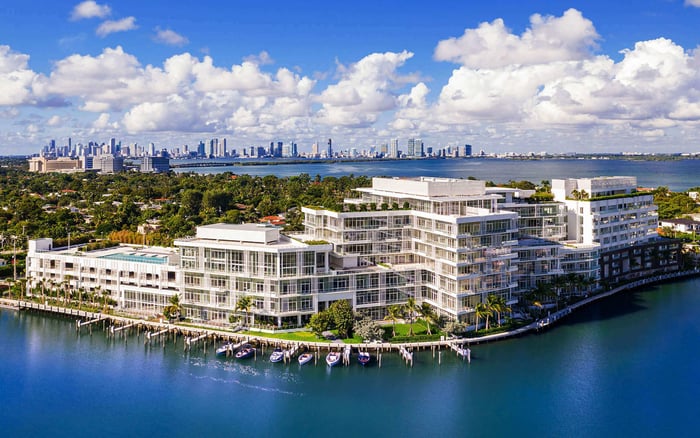
The most refined approach is to evaluate not only what you own, but what you are relieved from managing. At The Ritz-Carlton Residences® Miami Beach, for instance, a buyer might consider how a branded residential environment frames expectations around service, privacy, and day-to-day support. The larger lesson applies broadly: simpler ownership comes from alignment between personal standards and building standards.
Before making an offer, create a checklist that goes beyond finishes. Review association documents with qualified advisors. Ask about maintenance responsibilities inside and outside the unit. Understand what the monthly ownership structure includes and what remains separately arranged by the owner. Walk amenity areas at different hours. Observe staff interaction. Test the route from garage to residence. Consider how groceries, luggage, children, pets, and guests move through the building.
Buyers should also think about future flexibility. A residence that works beautifully for a couple may need to function differently when adult children visit, when parents stay longer, or when remote work patterns change. Simpler maintenance is not only about today’s convenience. It is about reducing the number of decisions required over time.
This is where a buyer’s guide mindset is useful: the purchase should be evaluated as both a home and an operating environment. Lifestyle, waterfront exposure, building culture, and maintenance delegation should be weighed together rather than separately.
The right Miami Beach property should create a sense of ease before the contract is signed. You should understand how you will arrive, where you will sit in the morning, how the home will be cared for when you are away, how guests will be received, and what responsibilities will remain yours. If those answers are vague, the maintenance profile is not yet simple enough.
Luxury buyers often focus on what a residence offers. The more discerning question is what it removes: vendor fatigue, exterior worry, parking friction, storage compromises, uncertain service, and the feeling that every small need requires personal intervention. In coastal real estate, the ultimate amenity is not spectacle. It is confidence.
What is the first thing to evaluate before buying in Miami Beach? Begin with your real lifestyle pattern, including full-time use, seasonal use, guests, pets, storage, parking, and how often you want to be near the beach.
Is a condominium always lower maintenance than a single-family home? Not always. A condominium can reduce exterior obligations, but buyers must still understand association rules, building culture, fees, and shared decision-making.
How should buyers judge beach access? Walk the exact path from the residence to the sand and consider towels, guests, children, elevators, privacy, and how often the route would actually be used.
Why does building management matter so much? Management quality affects daily ease, communication, amenity condition, service consistency, and the owner’s confidence when away from the residence.
What should seasonal buyers prioritize? Seasonal buyers should focus on lock-and-leave convenience, staff support, owner storage, arrival procedures, and how the home is monitored when vacant.
Are branded residences a good fit for simpler maintenance? They can be, especially when the service culture aligns with the buyer’s expectations, but the details of governance and day-to-day operations still matter.
How important is storage in a coastal home? Storage is essential because beach items, luggage, outdoor accessories, and seasonal belongings can quickly disrupt an otherwise calm residence.
Should buyers choose new construction for easier ownership? New construction may appeal to buyers seeking contemporary systems and finishes, but each project still requires careful review of operations and rules.
What makes waterfront living feel effortless? It feels effortless when views, privacy, access, staff, maintenance routines, and household logistics work together without constant owner involvement.
How can buyers compare multiple Miami Beach properties? Compare them by daily routines rather than presentation alone: arrival, service, storage, beach use, privacy, guest handling, and maintenance delegation.
For a tailored shortlist and next-step guidance, connect with MILLION.
If branded residences are on your mind — as a home or as an allocation — we would be glad to share what we are seeing, privately.
Begin a quiet conversation