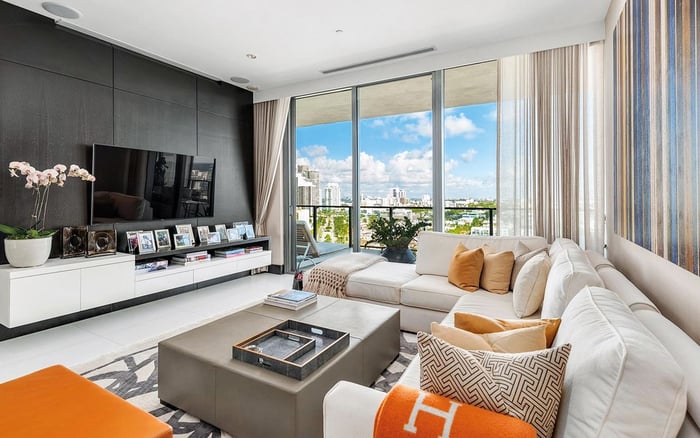
A discreet guide for New York buyers considering Bal Harbour and South Florida, with a focus on lifestyle fit, waterfront diligence, ownership planning, and market discipline.

For New York buyers, the move to South Florida is rarely a simple exchange of one skyline for another. It is a recalibration of pace, privacy, climate, family logistics, and the way capital is held in residential real estate. Bal Harbour sits near the center of that conversation because it offers a notably restrained expression of coastal luxury: discreet buildings, immediate water access, and a village atmosphere that feels composed rather than performative.
The strongest buyers approach the search with two parallel questions. First, where will daily life feel natural? Second, which ownership structure, building profile, and long-term carrying cost will remain comfortable after the excitement of acquisition fades? Those questions matter whether the buyer is leaving a Manhattan cooperative, adding a second home, or establishing a more permanent base in South Florida.
This perspective is intentionally practical. Wealth migration into the region has made the conversation more competitive, but the best decisions still begin with fundamentals: location, building quality, privacy, liquidity, service, and the ability to use the residence as intended.
Bal Harbour appeals to buyers who want South Florida without feeling surrounded by constant spectacle. The village is compact, polished, and easy to understand. For a New Yorker accustomed to choosing a neighborhood by its rhythm, that clarity is valuable. Bal Harbour is not trying to be Brickell, South Beach, or Palm Beach. Its identity is quieter and more residential, with luxury expressed through proportion, views, service, and access.
For buyers drawn to a new waterfront address, Rivage Bal Harbour represents the type of project many relocating families study closely: a residential setting where architecture, privacy, and the coastal environment are part of the same decision. Established buyers may also consider the appeal of Oceana Bal Harbour, where the conversation is less about discovery and more about fit, availability, and how a particular residence lives.
Bal Harbour also has a psychological advantage for New York buyers. It feels selective without requiring constant explanation. Buyers who value a refined lobby, a controlled arrival, and a residence that functions elegantly for both quiet mornings and visiting family will understand the appeal immediately.
A common mistake is to treat South Florida as a single luxury market. In practice, each enclave answers a different question. Bal Harbour is about discretion and coastal polish. Surfside offers a softer village feel with notable architectural ambition. Miami Beach provides cultural proximity and resort-like energy. Brickell suits buyers who want an urban condominium lifestyle with dining, finance, and a denser vertical rhythm close at hand.
For those comparing Bal Harbour with nearby Surfside, The Delmore Surfside can help frame the distinction between a highly residential oceanfront experience and a broader Miami Beach lifestyle. Buyers who want the latter, but still prefer new design and a more curated private residence, may look to The Perigon Miami Beach as a way to understand how Miami Beach can blend architecture, beach access, and services.
Brickell is a different proposition. It is not a substitute for Bal Harbour, but it may be the right answer for buyers who expect to spend more time in the city, host colleagues, or maintain a highly connected schedule. St. Regis® Residences Brickell belongs in that conversation for buyers who prioritize brand-level service and urban convenience over the quieter posture of the northern beaches.
The first layer is lifestyle use. Will the residence be occupied for long stretches, used seasonally, or shared by multiple generations? A home that is perfect for winter weekends may not be ideal for full-time school-year living. Conversely, a residence selected for family logistics may require compromises on nightlife, walkability, or the immediate beach experience.
The second layer is building governance. New York buyers often understand boards, rules, and shared obligations, but South Florida condominiums require their own careful review. Buyers should study reserves, insurance, maintenance history, rental policies, pet rules, renovation protocols, and the culture of the building. The objective is not merely to purchase a beautiful apartment. It is to enter a building whose operations match the buyer’s expectations.
The third layer is carrying cost. Waterfront ownership can be extraordinary, but it should be evaluated with discipline. Insurance, assessments, staff, maintenance, parking, storage, club memberships, and service expectations can meaningfully shape the true cost of ownership. Disciplined buyers do not avoid these costs. They understand them before signing.
Waterfront is one of the most important words in the South Florida luxury lexicon, but it is not a single condition. Oceanfront, bayfront, intracoastal, canal, and marina-adjacent residences each live differently. View, sun exposure, wind, privacy, boating access, and the arrival sequence can all affect daily enjoyment.
New York buyers should pay particular attention to orientation. Morning light, afternoon glare, terrace usability, and the relationship between interior rooms and exterior space may matter more in South Florida than they did in a northern apartment. Terraces become living rooms. Water views become part of the daily routine. Service elevators, beach access, valet flow, and guest parking can be as important as finishes.
There is also an emotional dimension. Many buyers arrive focused on a name or an address, then discover that the true luxury is how the residence makes time feel. The right home can make a weekday breakfast feel like a resort morning and a family visit feel effortless.
For buyers moving capital, family, and professional life across state lines, the residential search should be coordinated with a broader advisory team. Legal, tax, estate, insurance, lending, and asset-structuring questions should be addressed before a contract is rushed. The real estate choice may influence timing, occupancy, title, financing, and the relationship between personal use and family planning.
This is especially important for buyers who expect South Florida to become more than a seasonal retreat. A primary residence decision is different from a pied-à-terre decision. It affects household routines, staffing, medical access, schooling, travel, and the way family members actually use the home.
The best buyers are not necessarily the fastest. They are the clearest. They know whether they want privacy or social energy, oceanfront calm or urban convenience, new construction or established certainty. In a competitive environment, that clarity is a strategic advantage.
Amenities are useful, but they should not dominate the search. A spa, pool, gym, dining room, or beach service matters only if the buyer will actually use it and if it is managed at the standard the building promises. Service culture is harder to quantify, but often more important than a long amenity menu.
Floor plan quality deserves equal attention. Many New York buyers are skilled at reading square footage, but South Florida living depends heavily on flow, glass, outdoor depth, storage, and the separation between entertaining and private areas. A larger residence is not automatically the better residence. The better residence is the one that lives correctly.
Finally, buyers should think about exit quality, even if they intend to hold long term. Scarcity, views, building reputation, condition, and location all help determine future appeal. Wealth migration may influence demand, but enduring value still comes from fundamentals that sophisticated buyers can recognize across cycles.
Is Bal Harbour a good fit for New York buyers seeking privacy? Often, yes. Bal Harbour is best suited to buyers who want a quieter coastal environment with polished residential character.
Should I compare Bal Harbour with Surfside and Miami Beach? Yes. The areas are close geographically, but they offer different rhythms, building styles, and lifestyle profiles.
Is Brickell a substitute for Bal Harbour? Not usually. Brickell is more urban and vertical, while Bal Harbour is more residential and coastal.
What should I review before buying a condominium? Review governance, reserves, insurance, rules, rental policies, maintenance history, and projected carrying costs.
Does waterfront always mean oceanfront? No. Waterfront can include oceanfront, bayfront, intracoastal, canal, and marina-oriented settings.
How important is terrace usability in South Florida? Very important. Outdoor space often functions as an extension of the main living area.
Should ownership planning happen before making an offer? Yes. Legal, tax, estate, lending, and insurance considerations should be aligned early.
Are branded residences the right choice for every buyer? Not necessarily. They can offer strong service expectations, but the right fit depends on lifestyle and building culture.
What is the biggest mistake relocating buyers make? The biggest mistake is choosing a name or view before understanding daily use, carrying cost, and building operations.
What is the best way to shortlist comparable options for touring? Start with location fit, delivery status, and daily lifestyle priorities, then compare stacks and elevations to validate views and privacy.
For a tailored shortlist and next-step guidance, connect with MILLION.
If branded residences are on your mind — as a home or as an allocation — we would be glad to share what we are seeing, privately.
Begin a quiet conversation
.jpg&width=700&height=438&fit=cover)