A buyer-focused look at why branded residences in Fort Lauderdale, Sunny Isles Beach and the Design District appeal to seasonal owners who value service, consistency and lock-and-leave ease.
For the seasonal owner, the most valuable luxury is often not a larger floor plan or a more theatrical view. It is confidence: that the residence will feel composed upon arrival, that service standards will not need to be renegotiated each season, and that the home can be left behind without becoming a private management project.
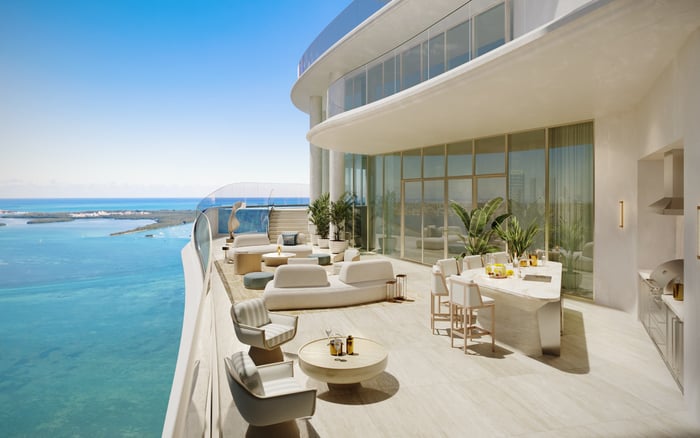
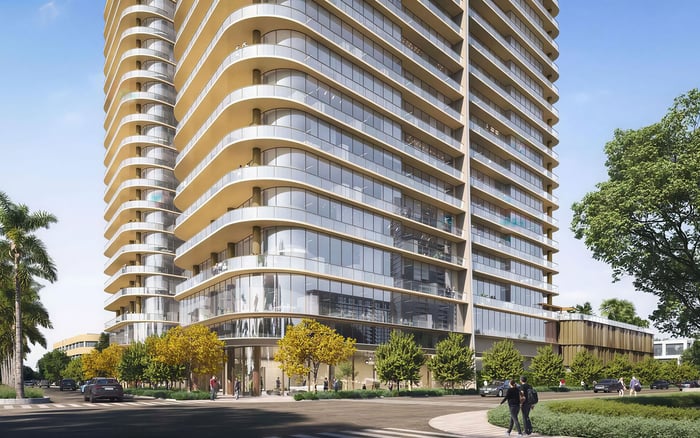
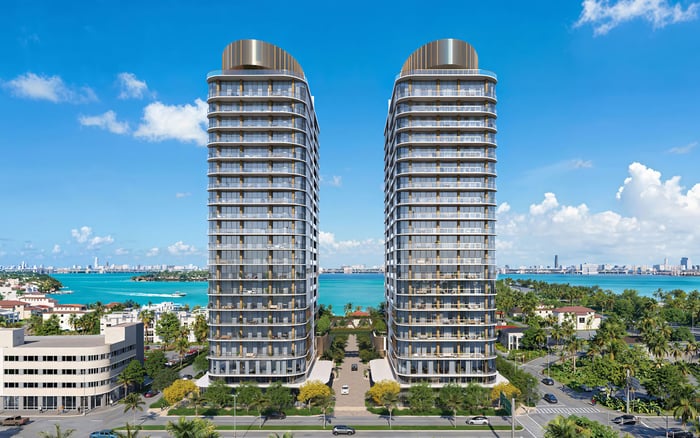
That is the shared appeal behind Four Seasons Hotel & Private Residences Fort Lauderdale, The Ritz-Carlton Residences® Sunny Isles, and Kempinski Residences Miami Design District. Each speaks to buyers who may spend only part of the year in South Florida, yet expect the residence to function with the poise of a full-time home.
This is where branded residences have become especially persuasive. The purchase is not simply about owning within a desirable address. It is about the operating culture surrounding that ownership: hospitality language, professional oversight, recognizable service expectations, and a setting that allows a seasonal stay to begin without the usual ramp-up.
A conventional second residence can be deeply personal, but it can also be demanding. Seasonal owners must consider upkeep, access, vendor coordination, staff reliability, and the invisible work required to keep a home ready while they are away. Branded residential environments are designed to reduce that burden by placing the private residence within a service-led framework.
The Four Seasons name is especially relevant in this context because the Fort Lauderdale property combines hotel hospitality with private residences. That hybrid format aligns naturally with lock-and-leave use. For an owner arriving for winter, a long weekend, or an extended coastal stay, the appeal is direct: the property is designed around a standard of care that does not depend entirely on the owner being present.
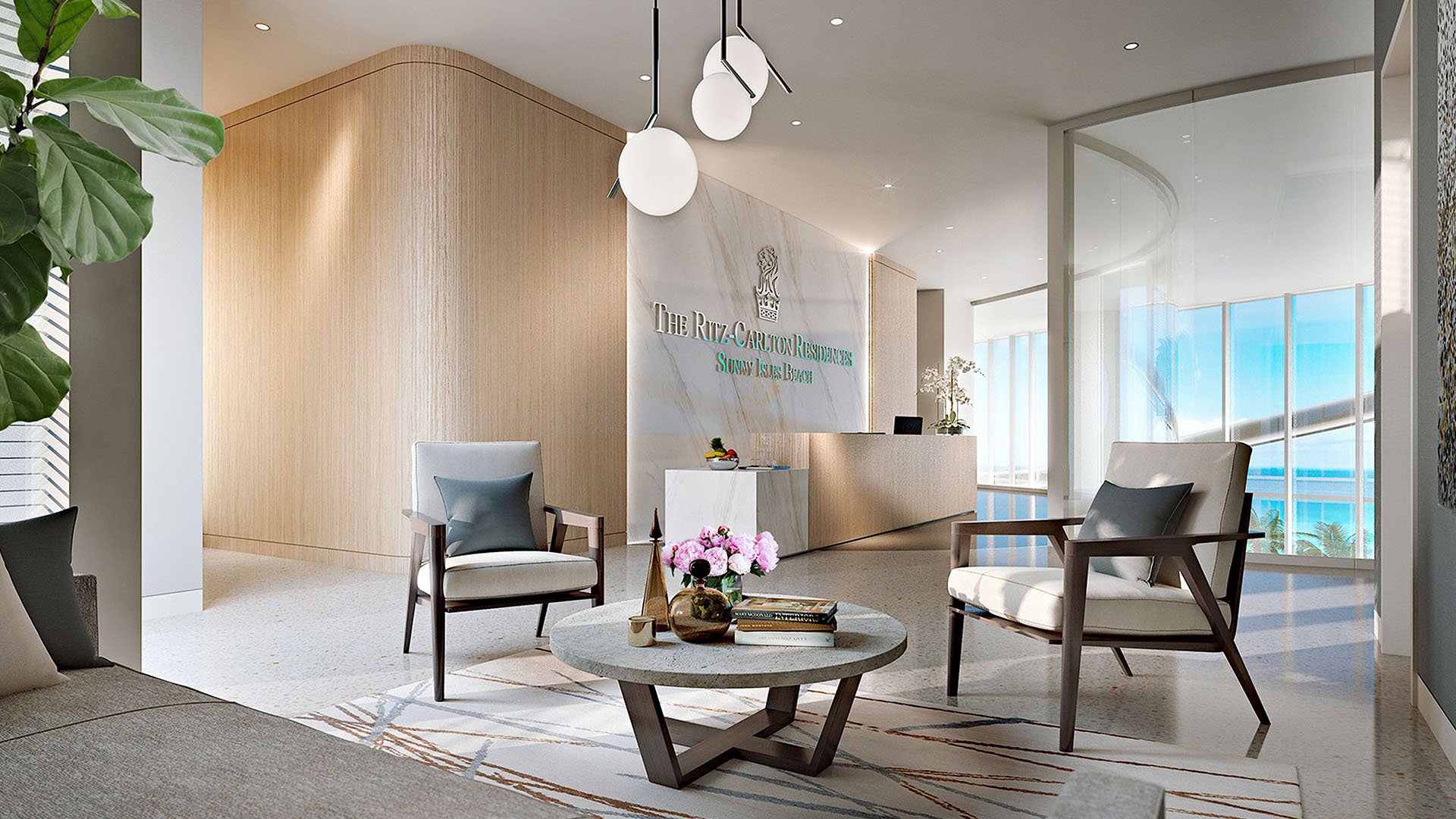
The Ritz-Carlton example in Sunny Isles Beach approaches the same desire through a purely residential lens tied to a globally recognized hospitality brand. It supports the seasonal buyer’s preference for predictable service standards, particularly when the home is used intermittently. In both cases, brand recognition becomes a shorthand for trust, consistency, and the expectation that details will be handled with discretion.
Fort Lauderdale has a different seasonal rhythm from Miami. It remains unmistakably South Florida, with luxury-resort ownership appeal, yet it offers a base that feels distinct from the urban density and social velocity often associated with Miami. For some seasonal owners, that distinction is the point.
At Four Seasons Hotel & Private Residences Fort Lauderdale, the proposition is not only the brand. It is the ability to hold a residence in a coastal city where resort living can feel composed, polished, and somewhat removed from the constant pulse farther south. Fort Lauderdale also carries the advantage of familiarity for buyers who want a refined beach setting without needing their seasonal home to sit at the center of Miami’s cultural calendar.
This matters because seasonal ownership is emotional as well as practical. A buyer may want ease, but also a sense of return. The right residence should feel cared for, but not generic. It should offer privacy, but not isolation. Fort Lauderdale provides one version of that balance: resort-minded, service-oriented, and intentionally separate from Miami while still connected to the broader South Florida lifestyle.
Sunny Isles Beach offers another expression of seasonal ownership. Its coastal setting supports the winter-home narrative with clarity. For many buyers, the appeal is straightforward: sun, water, privacy, and a residence that behaves like a polished resort without sacrificing the permanence of ownership.
The Ritz-Carlton Residences® Sunny Isles fits that profile because the brand supports hotel-level expectations inside a privately owned residence. That distinction is central. Seasonal owners want the pleasures of a resort, but they often prefer the familiarity and control of their own home. The best branded residences occupy precisely that middle ground.
In Sunny Isles Beach, the appeal also rests on repetition. Seasonal owners return to the same view corridors, the same arrival sequence, the same building culture, and the same service assumptions. For buyers who divide time between cities, countries, or climates, that predictability can become a quiet form of luxury.
Kempinski Residences Miami Design District introduces a different kind of seasonal question. Not every part-time owner is seeking only a beach address. Some want proximity to an urban design and cultural environment, with a residence that feels connected to Miami’s aesthetic identity rather than its resort shoreline alone.
The Design District location speaks to buyers who value architecture, fashion, galleries, dining, and a more curated urban routine. While the seasonal ownership logic remains similar, the daily pattern shifts. Instead of orienting every stay around the ocean, the residence can become a base for a more city-facing Miami life.
That is why the comparison among these three names is useful. Fort Lauderdale, Sunny Isles Beach, and the Design District are not interchangeable. They appeal to different temperaments. Yet the underlying buyer motivation is shared: a desire for a South Florida home that offers recognition, service, and low-friction ownership.
The second-home conversation in South Florida used to focus heavily on location, view, and prestige. Those factors still matter, but today’s ultra-premium seasonal buyer is also evaluating how a property operates when the owner is absent. The question is not only, “Where do I want to be?” It is also, “What happens when I am not here?”
That shift explains the strength of branded residential appeal. A seasonal owner may not want to assemble a private management network or reset the home after each absence. The most compelling properties reduce those complications through professional systems and an established service culture.
For buyers weighing Fort Lauderdale against Sunny Isles Beach or the Design District, the decision is less about choosing a single superior model and more about matching lifestyle to use pattern. A longer, quieter winter stay may point one way. A resort-forward coastal routine may point another. A culturally engaged Miami rhythm may favor a different address altogether.
The strongest seasonal ownership decisions begin with candor. How often will the residence be used? Will family and guests arrive independently? Is the buyer seeking calm, resort energy, or an urban Miami routine? Does brand familiarity matter more than architectural novelty? These questions determine whether a property’s service model truly fits the owner’s life.
The shared appeal of Four Seasons, The Ritz-Carlton, and Kempinski is not sameness. It is the promise that ownership can feel less improvised. In South Florida’s luxury market, where many owners arrive seasonally and expect immediate ease, that promise carries real weight.
For the right buyer, the branded residence is not simply a trophy. It is a practical instrument of enjoyment, protecting time, reducing uncertainty, and allowing each return to South Florida to feel considered from the first moment.
Why do branded residences appeal to seasonal owners? They can reduce the friction of intermittent ownership through recognizable service standards, professional oversight, and a more turnkey residential experience.
Is Four Seasons Hotel & Private Residences Fort Lauderdale suitable for lock-and-leave ownership? Its hotel and private residence format aligns naturally with owners who want a cared-for home while they are away.
What makes Fort Lauderdale different from Miami for seasonal buyers? Fort Lauderdale offers a distinct South Florida base with luxury-resort appeal and a rhythm separate from Miami’s urban intensity.
Why is Sunny Isles Beach relevant for winter-home buyers? Sunny Isles Beach provides a coastal setting that supports a resort-lifestyle narrative for owners spending part of the year in South Florida.
How does The Ritz-Carlton branding influence ownership expectations? It signals hotel-level service expectations within a privately owned residence, which can appeal to buyers seeking predictability.
Where does the Design District fit into seasonal ownership? The Design District appeals to owners who prefer a culture-forward Miami base rather than a purely beach-oriented seasonal routine.
Are these properties identical in lifestyle? No. Their locations differ meaningfully, but each can serve buyers seeking branded residential ease and consistency.
Should seasonal buyers prioritize brand or location first? The best choice usually balances both, pairing a trusted operating culture with the daily environment the owner actually wants.
What should owners ask before buying a seasonal residence? They should consider frequency of use, desired lifestyle, arrival experience, absence management, and long-term comfort with the property’s setting.
What is the best way to shortlist comparable options for touring? Start with location fit, delivery status, and daily lifestyle priorities, then compare stacks and elevations to validate views and privacy.
If you'd like a private walkthrough and a curated shortlist, connect with MILLION.
If branded residences are on your mind — as a home or as an allocation — we would be glad to share what we are seeing, privately.
Begin a quiet conversation