A discreet guide for seasonal Aventura buyers who want a residence that can be opened, maintained, monitored, and enjoyed with minimal friction.

Seasonal ownership in Aventura is not simply a question of acquiring a well-located condominium or residence. It is a question of continuity. The best second home feels composed on arrival, protected during absence, and easy to operate without constant owner intervention. That requires more than attractive finishes. It requires the right building culture, a compatible association framework, and a clear management plan.
For buyers focused on Buyer's Guides, Second-home priorities, Move-In Ready expectations, and caution around Short-term-rentals often intersect. A seasonal owner may spend only part of the year in residence, yet the property still needs year-round attention. Air conditioning, deliveries, housekeeping, vendor access, storm preparation, insurance documentation, service contracts, and routine inspections all become part of the ownership experience.
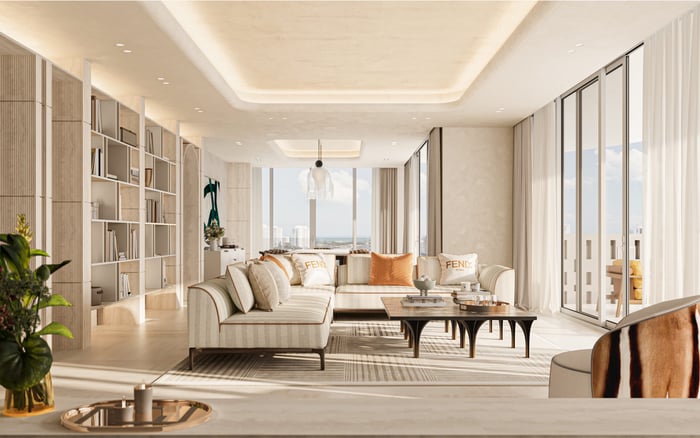
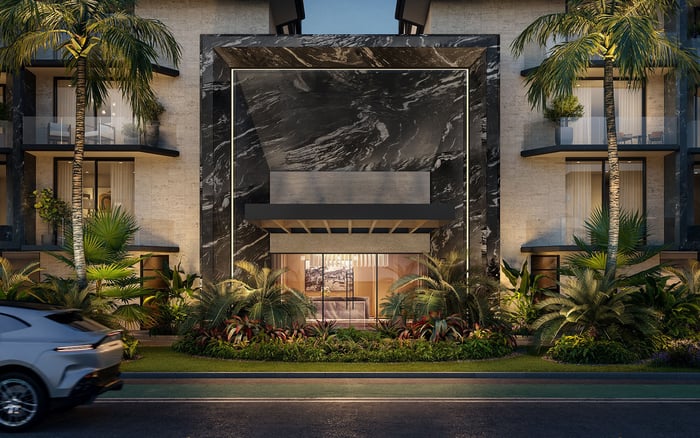
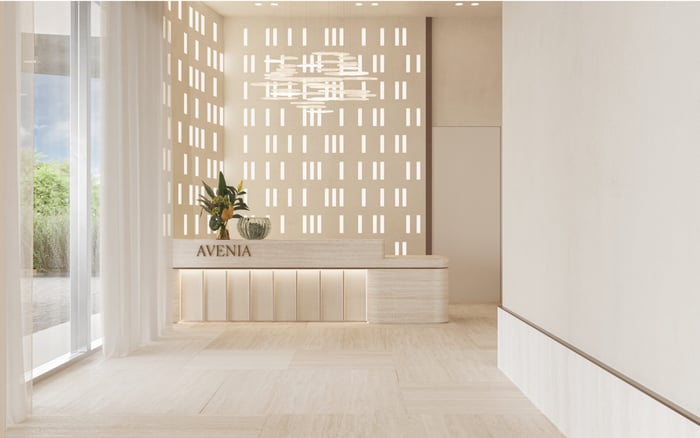
Aventura appeals to buyers who want a residential base within the broader South Florida luxury corridor, with the option to compare nearby waterfront, branded, and lifestyle-led properties. A buyer considering Avenia Aventura may also study neighboring markets to understand the trade-offs between privacy, services, association structure, and ease of management.
For seasonal owners, the first layer of due diligence is practical rather than aesthetic. Before becoming attached to a floor plan, confirm how the association handles guests, vendors, deliveries, renovations, leasing, pets, move-ins, and extended owner absence. A superb residence can become difficult if the daily operating rules do not match the owner’s lifestyle.
The key question is not whether a building is luxurious. The question is whether its rules support your intended use. Some owners want a quiet private retreat used only by family. Others want the flexibility to host relatives, employ staff, or lease the residence within permitted guidelines. Those are different ownership profiles, and they should be matched to the building before a contract is signed.
Ask for the current governing documents, house rules, application process, fee schedule, and any policies related to access control. Review how the front desk or management office handles recurring vendors. A turnkey property depends on trusted people being able to enter at the right time, for the right purpose, with the proper authorization.
“Turnkey” can mean many things. For one buyer, it means furnished, stocked, and ready for immediate use. For another, it means a dedicated manager who checks the residence, coordinates cleaning, manages repairs, monitors humidity, and prepares the home before every arrival. The distinction is significant.
A serious seasonal buyer should define the standard in writing. That may include pre-arrival cleaning, grocery stocking, linen care, terrace checks, vehicle readiness, mail handling, plant care, technology testing, and post-departure walkthroughs. If the residence will be left vacant for extended periods, the plan should also include inspection intervals and clear escalation steps for maintenance issues.
The most elegant ownership experiences are rarely improvised. They are designed. A property manager, housekeeper, building management team, preferred vendors, and owner representative should each know their role. The owner should not become the point person for every minor repair while traveling.
Aventura buyers often look across a wider northern Miami and coastal Broward map, especially when the priority is not only location but also the ability to maintain a second home from afar. A residence in Aventura may offer one rhythm, while nearby coastal communities may suggest a different balance of privacy, ocean proximity, building scale, and service expectations.
For example, a buyer weighing Aventura against Sunny Isles Beach might review Turnberry Ocean Club Sunny Isles as part of a broader conversation about high-service coastal living. Another buyer may compare Aventura with Hallandale Beach, where Shell Bay by Auberge Hallandale represents a different lifestyle lens. Bal Harbour may enter the discussion for owners who prize a quieter luxury profile, with Rivage Bal Harbour serving as one possible reference point.
The purpose is not to chase prestige from one market to another. It is to understand how each building and neighborhood supports seasonal ownership. Turnkey management is easier when the residence, association, and surrounding vendor network are aligned.
The most common friction point for seasonal owners is access. A housekeeper arrives but is not on the approved list. A technician needs entry while the owner is in another state. A package is delivered, but storage rules are unclear. None of these issues is dramatic on its own, yet together they can erode the ease buyers expected.
Before closing, ask how the building records approved vendors and guests. Confirm whether written authorization is required for each visit or whether recurring access can be arranged. Understand elevator reservations, loading dock procedures, parking instructions, insurance requirements for vendors, and emergency access rules.
A seasonal owner should also maintain a short list of approved professionals: housekeeper, handyman, HVAC contractor, electrician, plumber, audiovisual specialist, locksmith, and property manager. Luxury ownership is not only about who can solve a problem. It is about who can solve it quietly, quickly, and with respect for the building’s procedures.
A seasonal residence should be furnished for durability, climate awareness, and ease of care. Delicate fabrics, complex systems, and one-of-a-kind pieces can be beautiful, but they require maintenance discipline. If the owner plans frequent absences, the furnishing package should be selected with cleaning, storage, humidity, sun exposure, and vendor access in mind.
This is where turnkey planning becomes a design issue. Window treatments, outdoor furniture, smart-home controls, appliance selections, and closet systems should all support an owner who may not be present to troubleshoot. A residence can be visually complete and still operationally fragile. The more absent the owner, the more resilient the specifications should be.
For Move-In Ready buyers, due diligence should include more than a visual walkthrough. Test systems, review warranties, identify service contacts, and create a seasonal operating manual. The manual should live digitally and be accessible to the owner’s representative.
Some seasonal owners want the possibility of Long-term-rentals when they are not in residence. Others have no intention of leasing but want to preserve optionality for the future. Either way, rental policy deserves careful review.
Confirm minimum lease terms, application requirements, approval timing, deposit rules, guest limits, and any restrictions that may affect the owner’s plan. If Short-term-rentals are important to the buyer, do not assume they are permitted. The luxury condominium world is highly rule-driven, and a building’s private policies may be more important to the ownership experience than the broader market narrative.
The conservative approach is simple: buy for the use you can document, not the use you hope will be allowed later. If rental flexibility is material to the decision, review the documents with the appropriate professional before making a final commitment.
A buyer who wants a truly seamless Aventura residence should have a management plan in place before closing. That plan should name the property manager, outline inspection frequency, document vendor access, confirm insurance requirements, and establish arrival and departure routines.
It should also include keys, fobs, parking access, mailbox instructions, Wi-Fi credentials, appliance manuals, preferred vendors, emergency contacts, and building management contacts. The more complete the handoff, the less likely the owner is to spend the first season solving preventable issues.
For the right buyer, Aventura can function as a refined seasonal base within South Florida’s luxury map. The difference between ownership that feels effortless and ownership that feels demanding is rarely the view alone. It is preparation, rules, and a well-managed daily infrastructure.
What should seasonal buyers review first in Aventura? Start with association documents, house rules, access policies, and leasing restrictions before focusing on finishes or views.
Is turnkey the same as fully furnished? No. Fully furnished describes the contents, while turnkey management describes the ongoing systems that keep the residence ready.
Should I hire a property manager before closing? Yes, if you expect to be away for long periods. Early planning helps coordinate access, vendors, inspections, and arrival routines.
Can family members use the residence when I am away? Usually this depends on the building’s guest policies and registration process. Confirm the rules in writing before relying on that flexibility.
Are Long-term-rentals simple in luxury condominiums? They can be straightforward only when the building’s documents support the owner’s plan. Minimum terms and approval procedures matter.
Are Short-term-rentals appropriate for seasonal owners? Only if expressly permitted by the relevant rules. Buyers should not assume short stays are allowed in a private residential building.
What should a pre-arrival checklist include? Cleaning, linens, climate settings, groceries, terrace review, Wi-Fi testing, and confirmation that all essential systems are working.
How often should an empty residence be inspected? The schedule should reflect the property, season, insurance expectations, and owner preference. A written inspection log is advisable.
What makes Aventura different for a Second-home buyer? The best fit depends on lifestyle, building rules, service access, and how easily the residence can be managed during absence.
Is Avenia Aventura worth considering for turnkey ownership? It can be part of the conversation for buyers focused on Aventura, provided its rules and services align with the owner’s plan.
If you'd like a private walkthrough and a curated shortlist, connect with MILLION.
If branded residences are on your mind — as a home or as an allocation — we would be glad to share what we are seeing, privately.
Begin a quiet conversation