A discreet guide for international and out-of-state buyers weighing South Florida’s oceanfront and urban condominium lifestyles, with a focus on ownership structure, governance, carrying costs, privacy, and long-term flexibility.

For cross-border buyers, South Florida can appear unusually legible at first glance. The choice seems elegantly simple: beach or city, sunrise terrace or skyline dining, private sand or walkable restaurants. Yet sophisticated purchasers understand that the real decision begins before the view. It begins with ownership planning.
A residence in Miami Beach, Brickell, Sunny Isles Beach, or West Palm Beach is not merely a place to stay. It may be a family retreat, a capital allocation, a legacy asset, a seasonal base, or some combination of all four. Each purpose raises different questions about title, governance, privacy, financing, taxes, insurance, rental flexibility, and eventual resale.
The goal is not to make the process more complicated. It is to make ownership feel effortless after closing.
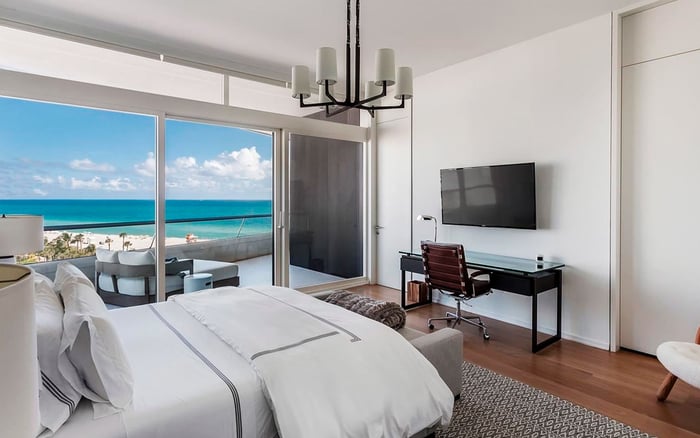
Beach properties often attract buyers who prioritize calm, wellness, privacy, and a slower seasonal rhythm. A buyer considering 57 Ocean Miami Beach may be thinking about morning walks, a quieter daily cadence, and a residence that functions as a sanctuary rather than a launchpad. In this context, the planning lens often turns to family use, guest access, maintenance during vacancy, and the expectations of a condominium community built around discretion.
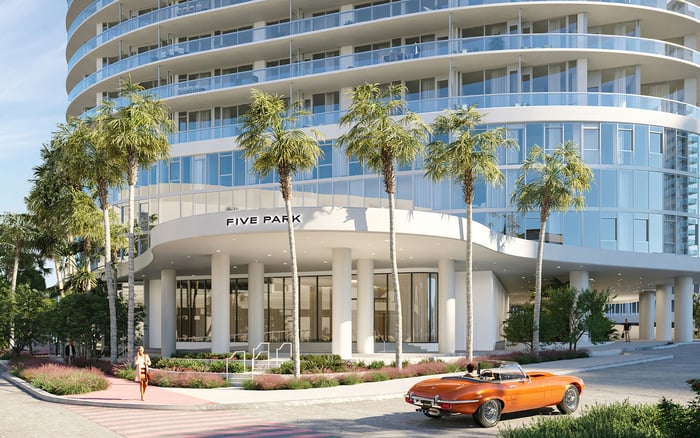
City properties tend to invite a different operating style. In Brickell, a residence such as St. Regis® Residences Brickell may appeal to buyers who want proximity to dining, business meetings, private banking, cultural events, and airport access. The asset may be used more frequently for short stays, entertaining, or work-driven travel. That can change how the buyer thinks about staffing, arrival logistics, storage, parking, and the way the home is managed between visits.
Neither lifestyle is inherently simpler. A beachfront home can carry greater exposure to environmental conditions and building maintenance cycles. A city residence can involve more active building operations and denser neighborhood activity. The better question is whether the property’s rhythm matches the buyer’s actual life, rather than the vacation version of it.
Cross-border buyers often arrive with advisers in more than one jurisdiction. That is prudent, but timing matters. The structure used to acquire a residence should be discussed before the contract is signed, not improvised between deposit deadlines.
Some buyers acquire personally, while others consider trusts, companies, partnerships, or family holding structures. Each path can affect privacy, succession planning, financing, governance approvals, tax filings, banking documentation, and the eventual sale. The correct approach is highly personal. It depends on residence status, family composition, asset protection preferences, lending needs, and how the property will be used.
Privacy deserves particular attention in the luxury segment. Buyers may prefer to separate personal identity from public-facing ownership where lawful and appropriate, yet condominium associations, lenders, insurers, and closing professionals may still require detailed documentation. The objective is not secrecy. It is a clean structure that respects compliance while reducing unnecessary exposure.
International and cross-border ownership can raise tax questions in the buyer’s home jurisdiction, in the United States, and in the state or locality where the asset is held. The specific analysis belongs with qualified counsel and tax advisers, but the planning categories are consistent: purchase structure, use of funds, income if rented, estate exposure, reporting, and resale consequences.
For an investment purchase, the buyer should model more than appreciation. Carrying costs, potential rental income, association fees, reserves, repairs, management, vacancy, and exit friction all belong in the same conversation. For a second home, the analysis may be more lifestyle-weighted, but the same discipline applies. A property that is easy to enjoy should also be easy to administer.
This is especially important when family members from different countries may use the home, contribute funds, or inherit interests later. What feels informal within a family can become complicated when documents do not align.
Condominium living in South Florida is governed not only by design, service, and location, but by rules. Before buying, purchasers should review the building’s governing documents, application requirements, leasing policies, pet rules, renovation procedures, guest access, insurance responsibilities, and financial condition.
This is not a box-checking exercise. It is where lifestyle assumptions are confirmed or corrected. A buyer who expects frequent guests, staff access, seasonal rentals, or future renovation should know whether the building’s framework supports that plan. A buyer drawn to The Perigon Miami Beach for a highly curated beach lifestyle may value a different governance culture than a buyer seeking maximum flexibility in a more urban setting.
The strongest buildings tend to be clear about expectations. For a luxury buyer, that clarity can be a benefit, not a constraint.
Some cross-border buyers purchase in cash, while others prefer financing for liquidity, currency management, or portfolio reasons. Either way, funds must be ready, documented, and transferable within the contract timeline. Delays in banking, compliance review, currency conversion, or international wire procedures can create unnecessary stress when they are not anticipated.
A buyer comparing South Florida options should also decide how much liquidity to keep outside the purchase. Beyond the contract price, ownership may involve closing costs, furnishings, association obligations, insurance, property management, repairs, and periodic assessments. A well-underwritten acquisition includes reserves for the unglamorous moments.
Currency movement is another quiet consideration. A residence priced in dollars may feel more or less expensive over time depending on the buyer’s home currency. Sophisticated purchasers often evaluate the asset through both lifestyle and balance-sheet lenses.
Insurance availability, building condition, maintenance practices, and reserve planning can influence the ownership experience. These topics are less seductive than views or finishes, but they affect comfort and predictability.
Beachfront and waterfront properties may require especially careful review because exposure, building systems, and long-term maintenance planning can be central to value preservation. In Sunny Isles Beach, a buyer considering The Ritz-Carlton Residences® Sunny Isles should evaluate not only the elegance of the address, but also the practical mechanics of owning a high-value coastal residence.
In West Palm Beach, where buyers may be weighing a more residential, cultural, and seasonal pace, Mr. C Residences West Palm Beach can be part of a broader conversation about ease of access, neighborhood rhythm, and how often the owner expects to be in residence.
The best time to think about resale is before buying. Not because the owner intends to leave quickly, but because exit planning clarifies the quality of the decision. Buyers should ask who the future buyer might be, what attributes will remain durable, and whether the building’s rules will support the broadest sensible buyer pool.
A trophy view may capture attention, but liquidity often depends on a more complete combination: location, floor plan, building reputation, service culture, governance, maintenance history, and the ease with which a future buyer can understand the asset. For cross-border owners, the exit should also account for documentation, tax planning, currency considerations, and timing across jurisdictions.
In South Florida, the most rewarding purchase is rarely the one that wins the first weekend of showings. It is the one that continues to feel intelligent after the second season, the fifth family visit, and the eventual decision to hold, lease, gift, or sell.
Should cross-border buyers choose beach or city first? They should begin with use pattern, then choose the setting that supports it. Lifestyle, governance, access, and maintenance often matter as much as the view.
Is personal ownership always simpler than using an entity? Not necessarily. The right structure depends on privacy, succession, financing, tax, and administrative goals, so it should be reviewed before contract signing.
Can a South Florida condo be both a second home and an investment? It can be positioned that way, but the building’s rental rules, carrying costs, and family use expectations should be tested carefully.
Why do condominium rules matter so much for international buyers? Rules can affect guests, leasing, pets, renovations, approvals, and daily access. They define how easily the owner can use the residence in practice.
Should tax planning happen before or after closing? Before closing is preferable. Purchase structure, estate planning, rental income, reporting, and resale considerations can be harder to optimize later.
Are beach residences harder to own than city residences? Not inherently. Beach and city assets simply raise different questions around maintenance, access, privacy, governance, and day-to-day rhythm.
What should cash buyers prepare besides purchase funds? They should plan for closing costs, furnishings, insurance, association obligations, property management, repairs, and adequate reserves.
How should buyers think about privacy? Privacy should be balanced with compliance. Associations, lenders, insurers, and closing professionals may require documentation even when ownership is structured discreetly.
Is rental flexibility guaranteed in luxury condominiums? No. Leasing policies vary by building, so buyers should review rules before assuming that short-term or seasonal rentals are permitted.
What makes an ownership plan feel successful over time? A successful plan aligns lifestyle, structure, advisers, liquidity, governance, maintenance, and exit strategy before emotion drives the purchase.
If you'd like a private walkthrough and a curated shortlist, connect with MILLION.
If branded residences are on your mind — as a home or as an allocation — we would be glad to share what we are seeing, privately.
Begin a quiet conversation