A refined pre-tour strategy for luxury buyers who want discretion, clarity, and a sharper South Florida real estate shortlist before entering private residences.
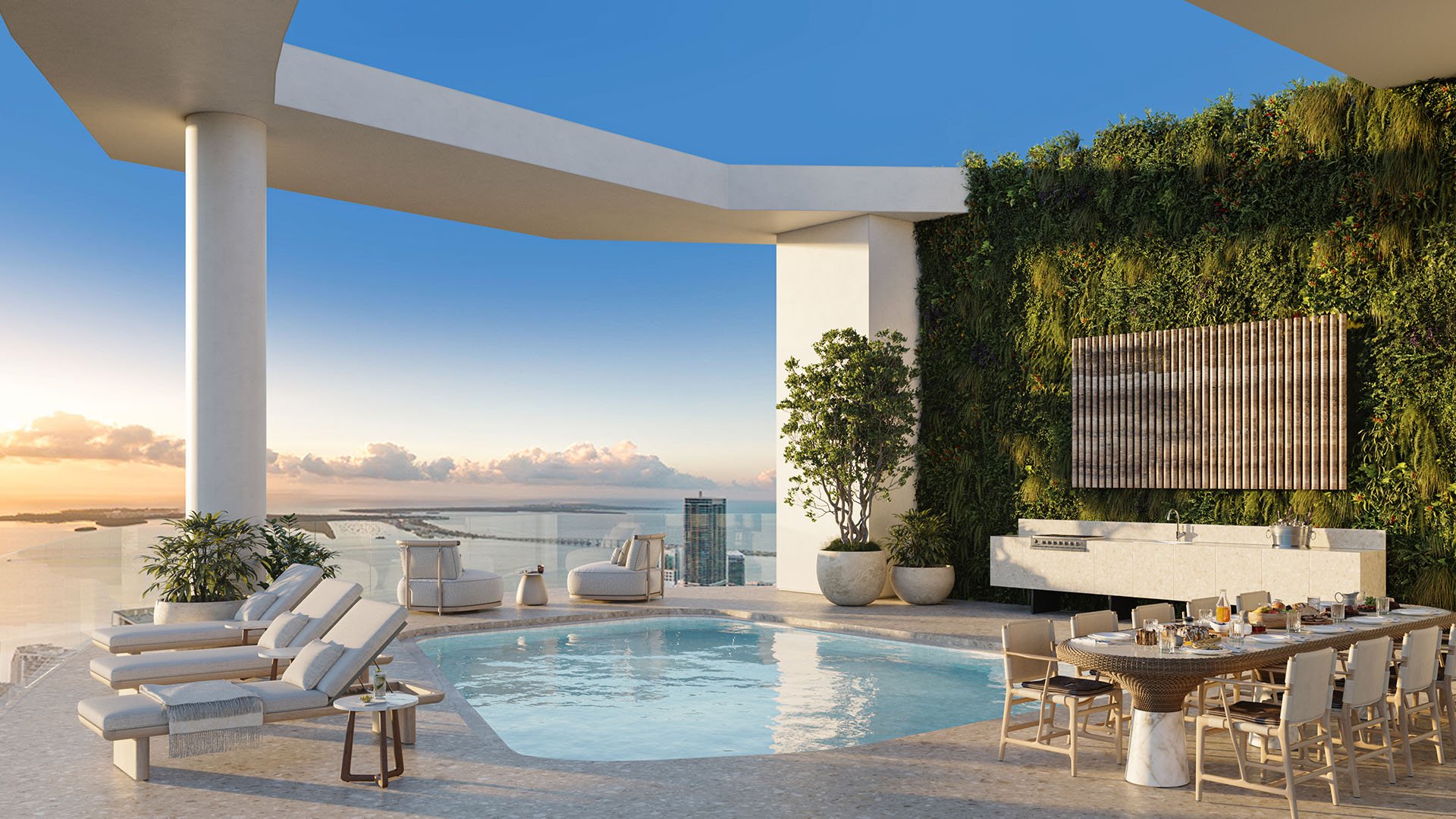
The most efficient luxury purchase often begins far from the marble lobby, private elevator, or waterfront terrace. It begins in an advisor meeting room, where preferences can be tested before emotion takes over. For South Florida buyers, that room should not be treated as a formality. It is where the shortlist becomes disciplined.
A first tour should feel curated, not exploratory. By the time a buyer steps into a residence, the essential questions should already be narrowed: lifestyle, timing, privacy, exposure, building culture, ownership use, and long-term exit logic. The advisor room is where those questions are placed into a clear hierarchy.
Luxury buyers are often shown too much too early. The result is not abundance, but noise. A residence with exceptional finishes may distract from an inconvenient arrival sequence. A dramatic view may obscure concerns about daily light, elevator flow, service access, or household staffing. A compelling amenity floor may not suit the way the buyer actually lives.
The advisor meeting room creates distance between desire and decision. It allows a buyer to speak candidly without being influenced by staging, sales language, or the rhythm of back-to-back appointments. It also helps define what is non-negotiable. For one buyer, a private arrival may matter more than square footage. For another, morning light may outrank a larger den. For a family, private-school logistics may shape the entire map.
In markets such as Brickell, Miami Beach, Palm Beach, and the surrounding waterfront enclaves, comparable properties can feel similar at a glance. The differences tend to reveal themselves in use. That is why the pre-tour conversation should focus less on what a property contains and more on how it will perform during an ordinary week.
A serious shortlist begins with the buyer’s real pattern of life. Is the home intended for full-time residence, seasonal escape, or second-home use with staff support? Will the owner entertain frequently, or is the priority restoration and quiet? Is walkability essential, or is controlled arrival more important? These questions are not decorative. They determine which buildings deserve time and which should be removed before the first showing.
The advisor room should also define the buyer’s tolerance for visibility. Some clients want a recognizable address and an active social atmosphere. Others want a building that feels almost invisible from the outside. A home can be architecturally impressive and still be wrong if the lobby, valet, marina, or amenity cadence does not match the buyer’s privacy profile.
This is also where investment discipline belongs. A purchase may be emotional, but the exit should never be improvised. The buyer should understand whether the acquisition is driven by lifestyle, capital preservation, rental flexibility, legacy planning, or a combination of those goals. That distinction changes the shortlist immediately.
Before a tour, the advisor meeting should clarify what must be reviewed and what can wait. Floor plan logic, exposure, ceiling heights, terrace depth, parking, service circulation, storage, pet policy, rental policy, association structure, and construction status can all affect value and livability. A beautiful property should not advance if basic operating questions remain unresolved.
For new-construction and pre-construction opportunities, the conversation should be even more structured. Buyers should discuss delivery expectations, customization windows, deposit structure, view corridors, and how the finished building is intended to be serviced. The point is not to turn the meeting into a legal review. The point is to avoid touring a residence that cannot meet the buyer’s practical conditions.
The best advisors use this stage to identify contradictions. A buyer may want absolute privacy and high walkability. They may want large-scale entertaining and minimal staff complexity. They may want beach access and still prefer a quiet, non-resort rhythm. None of these preferences are wrong, but they must be ranked before showings begin.
South Florida is not one market. It is a series of distinct lifestyles placed close together. A buyer considering Brickell may be prioritizing energy, skyline views, and professional proximity. A buyer focused on Miami Beach may be weighing ocean access, design pedigree, and a more resort-oriented rhythm. A Palm Beach search may place greater emphasis on discretion, club proximity, and a refined residential pace.
Inside the advisor room, these distinctions should become filters rather than vague preferences. Terrace privacy, pool placement, wellness access, valet choreography, guest parking, staff entry, marina convenience, pet routes, and elevator count all influence daily life. The more specific the filter, the shorter and stronger the shortlist becomes.
A well-run meeting may even remove the property that looked strongest online. That is a success, not a setback. The goal is not to see everything. The goal is to see only what has a credible chance of becoming the right acquisition.
The advisor room should end with a written tour brief. It should identify the preferred neighborhoods, acceptable trade-offs, must-have features, financial guardrails, timing considerations, and decision-makers. It should also establish the order of tours, because sequence shapes perception. Seeing a quiet, service-rich building after a more animated address can clarify priorities quickly.
The brief should be concise enough to guide appointments but specific enough to prevent drift. It should name the reason each property is being toured. If a residence is included only because it is famous, new, or visually dramatic, it may not belong. The strongest shortlist is not the longest one. It is the one that respects the buyer’s time, protects discretion, and lets each tour answer a defined question.
Should I tour before an advisor meeting? For most serious buyers, no. A structured meeting helps prevent emotional touring and protects time.
How long should the meeting take? It should be long enough to define lifestyle, budget, timing, privacy, and non-negotiables clearly.
Who should attend the meeting? Include all decision-makers, trusted advisors, and anyone whose daily use will shape the purchase.
Should financing be discussed early? Yes. Even cash-oriented buyers benefit from a clear acquisition structure and closing expectations.
What if my priorities conflict? That is normal. The advisor room is where priorities are ranked before properties are introduced.
Can amenities decide the shortlist? They can influence it, but service, privacy, layout, and location usually deserve equal attention.
Should resale value matter for a lifestyle purchase? Yes. Even a deeply personal residence should be evaluated with an eventual exit in mind.
How many properties should be on the first tour? Fewer is often better. Each tour should test a specific thesis, not fill a schedule.
What should be removed before touring? Any property that fails a key lifestyle, timing, privacy, or operational requirement should be removed.
What makes a shortlist truly strong? A strong shortlist is clear, defensible, and aligned with how the buyer will actually live.
To compare the best-fit options with clarity, connect with MILLION.
If branded residences are on your mind — as a home or as an allocation — we would be glad to share what we are seeing, privately.
Begin a quiet conversation