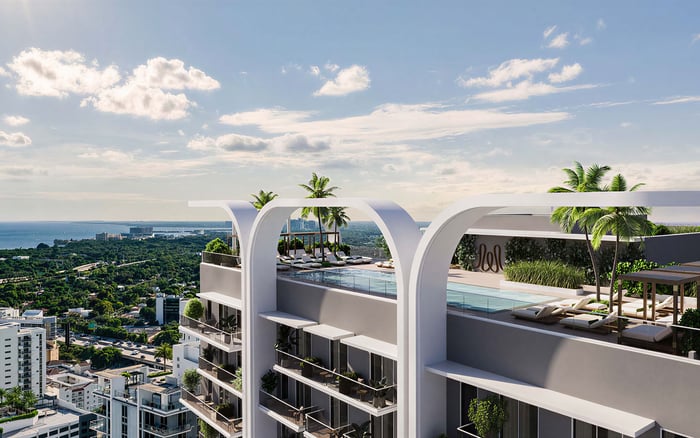
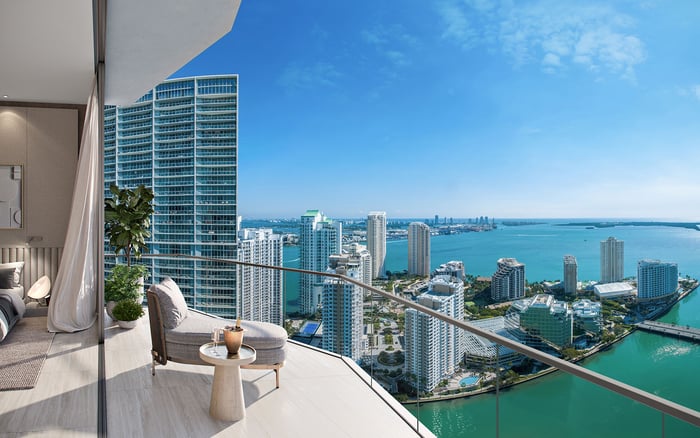
A discreet, practical guide for international buyers who want South Florida luxury real estate to function beautifully from abroad, with attention to access, staffing, privacy, use rules and long-term ownership planning.

For an international buyer, South Florida luxury real estate is rarely judged by architecture alone. The decisive question is whether the residence can be owned, opened, enjoyed and protected with minimal friction while the principal is abroad. Convenience is not a single amenity. It is a system: access, building management, legal readiness, household services, privacy, maintenance, insurance review, rental flexibility and a clear plan for eventual resale.
This is especially important in a market where residences may serve as seasonal retreats, family bases, lifestyle assets, legacy holdings or part of a broader investment strategy. A beautiful home that requires constant intervention can become burdensome. A well-selected residence, by contrast, can feel prepared before the owner lands, secure after the owner leaves and professionally supervised between visits.
The practical buyer starts by defining use. Will the property be a private family residence, a second home, an occasional work base, a long-stay winter address or a residence that may need rental optionality? Each answer changes the right building, neighborhood, service model and due-diligence checklist.
International ownership is easiest when the professional structure is in place early. Buyers should assemble qualified counsel, tax guidance, financing advice where relevant, insurance review and local representation before contracts become urgent. The purpose is not to complicate the purchase. It is to reduce surprises.
A strong advisory team helps clarify how title should be held, what documents may be required, how funds will move, what timing is realistic and how future use should be planned. These questions are personal and jurisdiction-specific, so they should be handled privately with licensed professionals rather than solved at the end of a negotiation.
Buyers should also decide who will act locally when they are away. That person may coordinate inspections, receive deliveries, schedule service appointments, prepare the home before arrivals and document conditions after departure. In ultra-prime ownership, this role is often as important as the purchase negotiation because it determines whether the residence remains effortless over time.
South Florida offers several distinct ownership rhythms. Brickell suits buyers who want a vertical, urban lifestyle with dining, business access and a dense residential core. Miami Beach and nearby waterfront districts appeal to buyers who prioritize ocean proximity, resort services and a social calendar centered on wellness, dining and design. Sunny Isles, Surfside and Bal Harbour tend to attract buyers seeking high-rise beachfront living with privacy and expansive water views.
Fort Lauderdale and Palm Beach County can offer a different cadence: yachting, estate living, quieter residential streets, golf-oriented routines and access to a more reserved coastal pace. The best location is not necessarily the most recognized name. It is the place where travel time, family habits, schools, marinas, clubs, medical access, dining and airport preferences align.
For international owners, the arrival sequence matters. Consider how the journey feels from airport to front door, how luggage is handled, whether staff can prepare the residence in advance and whether late arrivals are seamless. A stunning home loses some of its appeal if every visit begins with logistical strain.
A luxury condominium or branded residence should be examined as an operating platform, not just a floor plan. The lobby, loading area, valet, package room, security protocol, engineering team and manager responsiveness can define the ownership experience as much as the view.
Ask practical questions. How are contractors admitted? How are deliveries managed when the owner is overseas? What is the policy for guests, domestic staff and drivers? Can the residence be accessed for routine maintenance with appropriate authorization? How are leaks, storms, power interruptions or urgent repairs communicated? Does the building have a history of proactive administration, or does every request require the owner’s attention?
The same discipline applies inside the residence. An oceanfront home may offer incomparable views, but it also calls for attentive maintenance planning. A terrace can be a daily pleasure, but buyers should understand care expectations, furniture storage and storm preparation. A pool, spa deck, beach service, fitness suite or private dining room is most valuable when the operating standards are consistent and the rules are clear.
A residence may be exquisite and still be wrong for the intended use. International buyers should review association rules, occupancy limits, guest policies, pet rules, leasing restrictions and renovation procedures before assuming the property will perform as desired.
Rental flexibility deserves special attention. Some owners never intend to lease. Others want optionality for longer periods when they are abroad. The key is to understand permitted use before purchase, not after. Shorter stays, longer leases, family occupancy and guest access may each be treated differently by a building or community.
Privacy should also be considered early. High-profile buyers may prefer buildings with discreet arrival sequences, private elevators, limited public exposure and experienced staff. Families may prioritize predictability and controlled access. Collectors may need special planning for art, vehicles, wine storage or sensitive deliveries. Convenience is often the result of identifying these needs before the search becomes emotional.
The most refined purchases have a controlled handover. Before closing, buyers should know which documents are needed, how signatures will be handled, who will coordinate walkthroughs, what insurance review is pending and how utilities, association setup and building access will be managed.
After closing, the residence should be converted from acquired asset to functioning home. That may include vendor introductions, maintenance calendars, alarm and access protocols, housekeeping schedules, technology setup, hurricane-season planning, art installation, vehicle arrangements and pre-arrival provisioning.
This is where new construction can be attractive for some international buyers, especially when the buyer wants contemporary systems, fresh common areas and a cleaner maintenance starting point. Resale properties can be equally compelling, particularly when they offer established locations and proven services, but they require careful review of condition, renovation potential and ongoing maintenance obligations.
A South Florida purchase should be emotionally compelling, but not emotionally managed. The strongest buyers keep lifestyle and exit planning in the same conversation. They consider whether the residence will appeal to future buyers, whether the floor plan is adaptable, whether the building’s service culture is durable and whether the location has enduring relevance.
Convenience also supports value. A residence that is easy to show, maintain, insure, document and transfer can be more attractive when the time comes to sell. Clean records, orderly renovations, reliable management and a well-kept interior all help preserve optionality.
International buyers should treat the first shortlist as a hypothesis. Visit, compare, ask operational questions and test the property against real life: arrival, sleeping arrangements, staff flow, storage, children, guests, entertaining, work calls, beach days, marina access and departure. The best property will not merely look right. It will behave right.
What is the first convenience question an international buyer should ask? Ask how the residence will function when you are not in South Florida. Access, maintenance, communications and emergency response are central to the answer.
Should I choose a condominium or single-family home for easier ownership? It depends on your preferred level of control and service. Condominiums may offer staff and amenities, while single-family homes can offer privacy and flexibility.
Why does building management matter so much? Management determines how smoothly deliveries, repairs, guests, staff and urgent issues are handled. For an owner abroad, that daily competence is a luxury feature.
Is rental flexibility important if I do not plan to rent? It can still matter for future optionality. Review rules carefully so the property does not limit a later change in strategy.
How early should tax and legal planning begin? Begin before making a serious offer. Ownership structure, documentation, funds movement and future sale planning are easier when considered early.
What should I examine during a building tour? Look beyond finishes to valet flow, staff professionalism, service areas, security, package handling and how residents actually move through the property.
Are branded residences automatically easier for international owners? Not automatically. The brand may signal service ambition, but buyers should still evaluate rules, staffing, management depth and long-term operating quality.
How should I think about insurance and maintenance? Treat both as part of ownership design, not afterthoughts. Review coverage needs and create a maintenance calendar before the residence is heavily used.
What makes a second home feel effortless? The home should be prepared before arrival and protected after departure. Clear local oversight, vendor access and staff communication make that possible.
What is the best way to shortlist comparable options for touring? Start with location fit, delivery status, and daily lifestyle priorities, then compare stacks and elevations to validate views and privacy.
For a discreet conversation and a curated building-by-building shortlist, connect with MILLION.
If branded residences are on your mind — as a home or as an allocation — we would be glad to share what we are seeing, privately.
Begin a quiet conversation