A discreet buyer’s guide to evaluating a wellness-oriented Brickell residence through the lens of private-school routing, daily logistics, and long-term family usability.
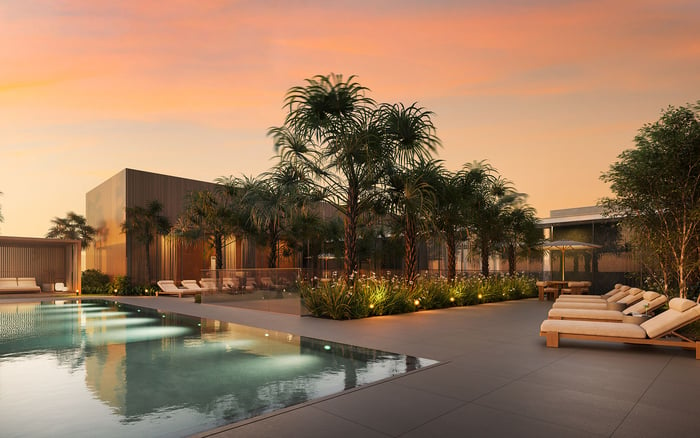
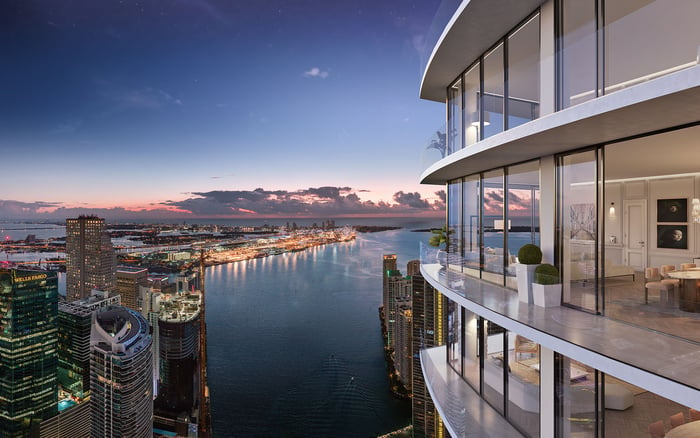
For a South Florida buyer, a wellness residence in Brickell can feel persuasive before a single logistical question has been answered. The renderings may show a composed arrival, a serene spa sequence, a generous pool, and a terrace arranged for quiet mornings above the city. Yet for families, the value of that lifestyle often turns on something less cinematic: how children actually get to school, how long the route feels on a wet Tuesday, and whether the household rhythm survives the first month of ownership.
That is the quiet due diligence behind House of Wellness Brickell. The question is not whether a building can look restorative. The question is whether the address, circulation, parking, elevator plan, and surrounding street pattern support a private-school day with the grace promised by the architecture. Private-school routing is not a secondary consideration for this audience. It is a daily test of whether luxury performs.
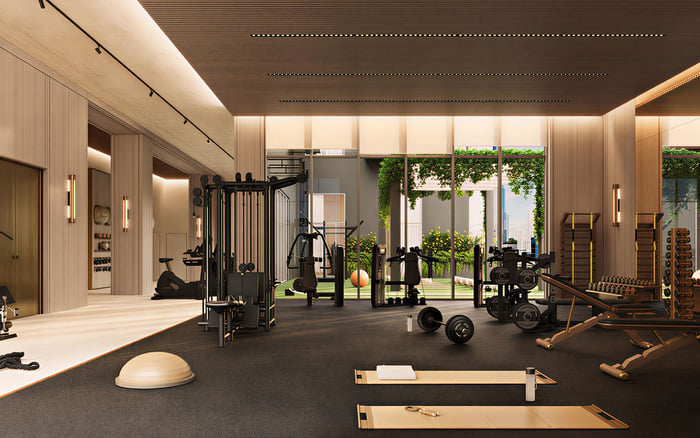
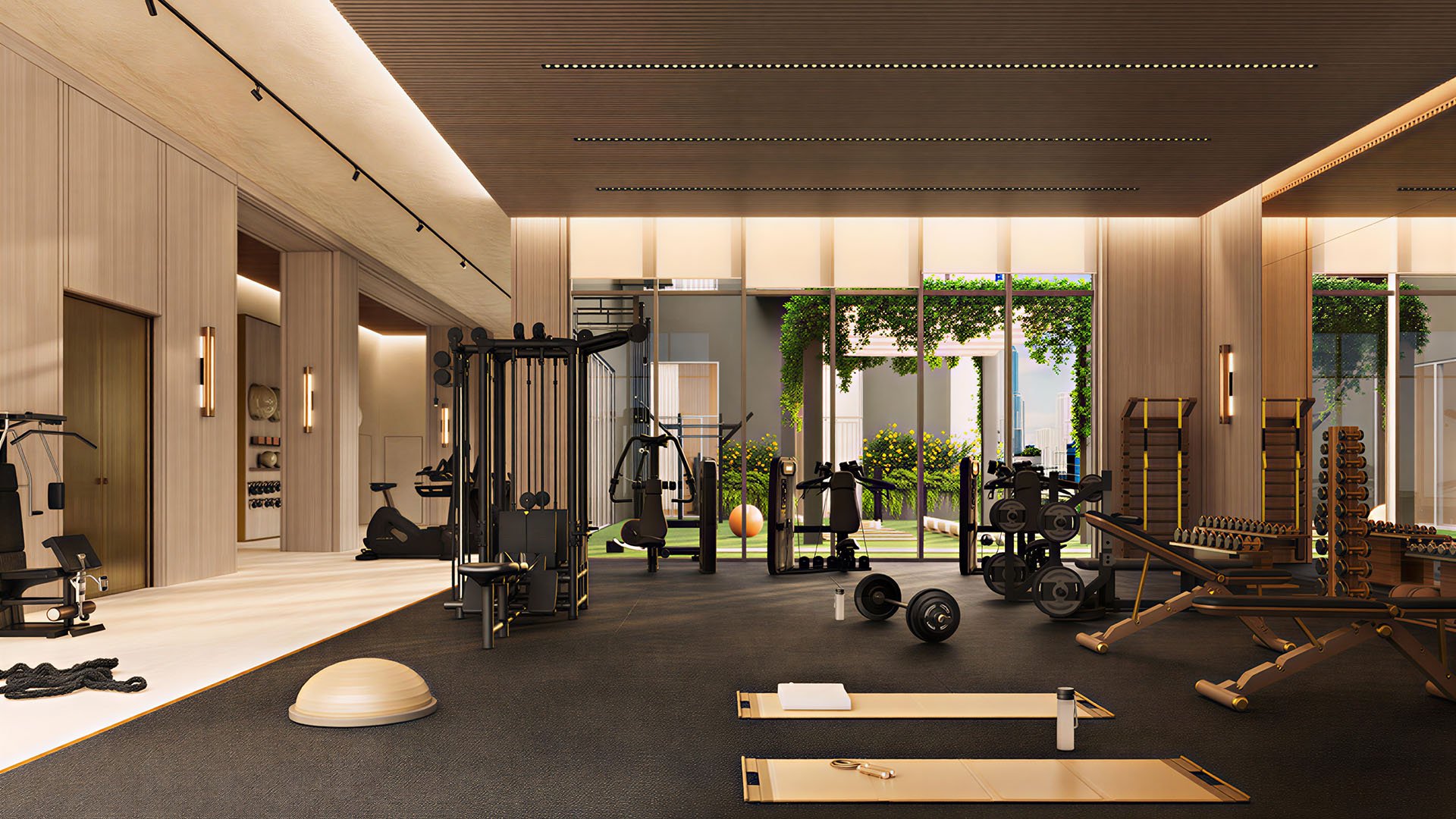
In Brickell, wellness language should be read alongside family logistics. A spa suite may matter, but so does the ability to leave the residence without friction at the same hour every other high-functioning household is attempting the same thing. A gym may be beautifully specified, but a parent may experience greater wellness from a predictable drop-off window than from any amenity deck.
The first verification is geographic, though not in the simplistic sense of measuring distance. A school that appears close on a map can feel meaningfully farther when the route depends on traffic bottlenecks, bridge timing, complex turns, valet staging, or school arrival protocols. A sophisticated buyer should test the route at the exact times the household would use it, including both morning drop-off and afternoon pick-up.
The second verification is building access. In a luxury tower, the private drive, garage entry, elevator bank, service corridor, package area, and lobby choreography all influence the school day. If a child has sports equipment, musical instruments, projects, uniforms, or a car seat transition, the most elegant lobby in the world must still function under pressure.
The third verification is admissions reality. Private schools operate with their own calendars, criteria, sibling policies, waitlists, and transportation practices. A residence can be ideal for a school only if that school is an attainable part of the family plan. Buyers should speak directly with each institution before treating a preferred route as part of the residence’s value proposition.
Brickell offers a rare mix of skyline energy, waterfront proximity, finance-oriented convenience, dining, and cultural access. For households with offices nearby, the area can compress adult life beautifully. The private-school question is whether that same compression extends to children, caregivers, tutors, drivers, and grandparents.
A family considering Brickell should examine how the address behaves during school-year peaks, not during a quiet showing appointment. The morning route may be manageable, while the afternoon return may be complicated by sports, tutoring, rain, events, or work calls. Weekend wellness is only part of the story. Weekday repetition is where the ownership experience becomes clear.
This is especially important for buyers comparing new-construction and pre-construction residences. A sales gallery can describe a future lifestyle with confidence, but the family should still ask how the actual street approach, parking allocation, elevator programming, and building staffing will operate once the residence is occupied. Wellness cannot be separated from operations.
Start with arrival and departure. Is there a covered area that can absorb more than one family leaving at the same time? Is the porte cochere designed for beauty alone, or can it accommodate school-morning urgency without conflict? If the household uses a driver, where does that car wait? If a parent drives personally, is the parking path intuitive and fast?
Then evaluate vertical movement. A high-floor residence may deliver extraordinary views, but the family should understand elevator capacity, private elevator access, service elevator procedures, and peak-hour patterns. The same logic applies to amenities. A children’s wellness routine is not only about access to fitness or recovery spaces. It may include homework rooms, quiet corners, outdoor air, and easy transitions between school, meals, tutoring, and sleep.
Finally, consider the staff plan. Many ultra-premium households rely on caregivers, house managers, personal assistants, drivers, tutors, and trainers. The residence must support these people discreetly. Private-school routing can break down when building access is unclear for the very team responsible for making the day seamless.
Renderings can communicate mood, proportion, materiality, and design intent. They cannot prove how a building behaves when multiple households need elevators at once, when a child forgets a laptop, when a car is delayed, or when a school changes a pick-up procedure. They also cannot confirm whether the surrounding street pattern feels calm or compressed during the school year.
This is why a wellness-branded residence should be assessed through lived scenarios. Walk the imagined morning. Leave the unit, reach the elevator, collect the car, drive the route, arrive at school, return home, and repeat the exercise at different times. Then test the alternative plan. What happens if the preferred route fails? What if a caregiver handles the trip? What if one child attends a different campus?
The most valuable residences are not merely photogenic. They are resilient. In family terms, resilience means the home can absorb surprise without sacrificing privacy, punctuality, or calm.
Some buyers want the city at the center of their household identity. Others want more residential quiet and are willing to trade immediate urbanity for a different school-day rhythm. Neither choice is inherently superior. The right answer depends on the children’s ages, the schools under consideration, the parents’ work patterns, and the household’s tolerance for daily movement.
A Brickell residence may be compelling when one or both parents value proximity to downtown routines, when the family enjoys an urban lifestyle, and when school routing has been tested rather than assumed. A different neighborhood may be preferable when the chosen school, activities, and extended family network point elsewhere. The premium buyer should resist the temptation to let an amenity narrative make the decision alone.
For a MILLION client, the cleanest approach is to weigh lifestyle in layers: school route first, building operations second, residence plan third, and amenities fourth. When those layers align, the wellness promise becomes credible. When they do not, even a beautiful residence may feel inefficient.
Before assigning value to a wellness residence in Brickell, verify the school list directly, then test actual routes during the school year. Confirm the building’s garage, valet, elevator, and staffing assumptions. Ask how children, caregivers, guests, and drivers move through the property. Review whether the residence plan supports uniforms, backpacks, sports gear, study areas, and early bedtimes.
Also examine privacy. A family-oriented luxury residence should allow children to move naturally without making the household feel exposed. That includes transitions from car to elevator, amenity to residence, and lobby to street. The better the design, the less the family notices it.
The ultimate question is simple: does the residence reduce friction, or does it merely disguise it with beautiful finishes? In Brickell, the answer can be nuanced. The buyer who verifies beyond the rendering will understand the difference.
Should private-school routing be evaluated before buying in Brickell? Yes. For family buyers, routing can shape daily satisfaction as much as views, amenities, or interior design.
Is distance to school enough to judge convenience? No. Timing, traffic patterns, garage access, elevator waits, and school procedures can matter more than map distance.
How should a buyer test a school route? Drive it at the exact times the household expects to use it, including morning drop-off and afternoon pick-up.
Can a wellness amenity package offset a difficult school commute? Usually not. Amenities add value, but they rarely compensate for repeated daily friction.
What building features matter most for school-day logistics? Covered arrival, efficient parking, reliable elevators, clear staff access, and discreet circulation are especially important.
Should pre-construction buyers ask different questions? Yes. They should verify how planned access, staffing, parking, and elevator systems are expected to function at occupancy.
Does Brickell work for families with children in private school? It can, but the answer depends on the specific school plan, commute tolerance, and building operations.
Why is caregiver access part of the evaluation? Many households depend on caregivers or drivers, so their ability to move efficiently affects the entire family routine.
What should buyers avoid assuming from renderings? Renderings should not be treated as proof of traffic flow, elevator performance, staffing quality, or school-day ease.
What is the best first step for a serious buyer? Define the school plan, test the routes, then evaluate whether the residence and building support that rhythm.
When you're ready to tour or underwrite the options, connect with MILLION.
If branded residences are on your mind — as a home or as an allocation — we would be glad to share what we are seeing, privately.
Begin a quiet conversation