A discreet due-diligence guide for Brickell buyers weighing Colette Residences Brickell and The Residences at 1428 Brickell through access rights, amenity usability, privacy, neighborhood rhythm, and long-term ownership logic.

Colette Residences Brickell and The Residences at 1428 Brickell belong in a buyer conversation that is less about spectacle than about how a residence will actually live. In Brickell, the labels New-construction and Pre-construction may signal opportunity, but they do not replace disciplined scrutiny of rights, routines, costs, and neighborhood cadence.
For the ultra-premium buyer, the essential question is not simply which building appears more impressive. It is which ownership experience best aligns with a private household’s daily pattern. That means examining club access with legal clarity, reading private amenities as functional infrastructure, and understanding how Brickell behaves at breakfast, school run, market close, dinner, and late-night arrival.
The Residences at 1428 Brickell carries a name that places it squarely within the city’s vertical luxury narrative. Colette Residences Brickell, by contrast, warrants the same practical filter: what is exclusive, what is shared, what is guaranteed, and what depends on rules that may evolve.
Club language can be seductive. It suggests belonging, privacy, service, and a social architecture beyond the walls of the residence. The diligence standard, however, should be exacting. A buyer should confirm whether access is deeded, membership-based, licensed, revocable, transferable upon resale, or subject to separate approval.
The next layer is cost. Initiation fees, annual dues, food and beverage minimums, guest charges, event fees, and assessment exposure can all affect the practical value of access. A club that feels effortless during a presentation can feel very different if use is limited by blackout dates, reservation windows, guest limits, or changing policies.
For families, the questions become more personal. Can children use the club independently? Are guests permitted without the owner present? Are staff, drivers, chefs, trainers, or security personnel accommodated in ways that support the household? A true luxury experience is not merely access to a room. It is the absence of friction around the way the owner actually lives.
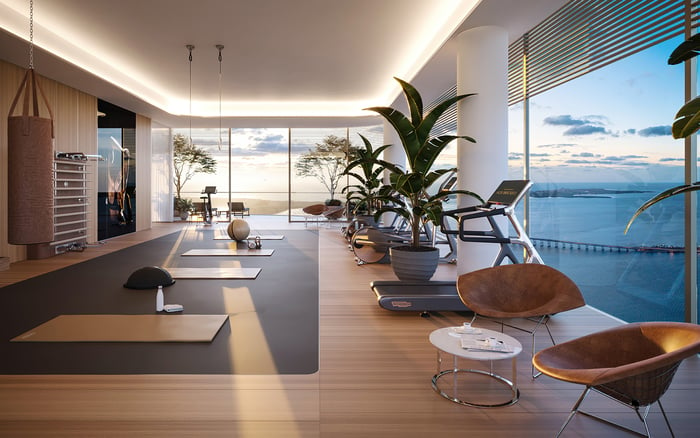
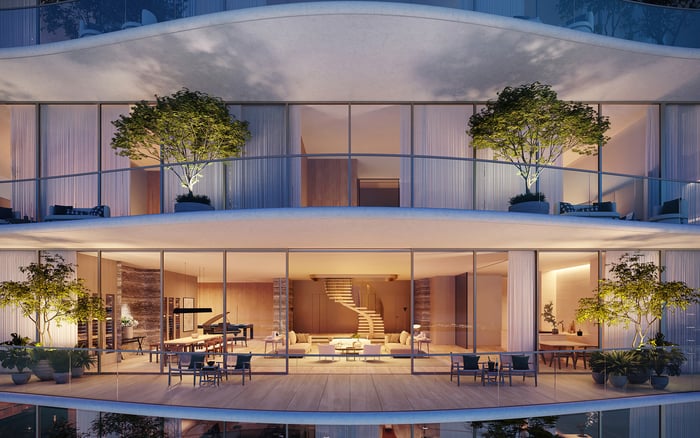
The strongest amenities are not decorative. They solve daily problems elegantly. A Pool is valuable when it is usable at the right hours, proportioned for the number of residents, supported by service, and designed with enough privacy to feel residential rather than performative. A Terrace matters when it functions as an outdoor room, not simply a photographable edge.
Fitness, wellness, lounge, dining, meeting, children’s, pet, and arrival spaces should be judged by operating logic. How many residents may use them at peak times? How are they reserved? Who manages them? What is included in common charges, and what is billed separately? How will wear, staffing, replacement, and programming be funded over time?
The richer the amenity program, the more important governance becomes. Buyers should review rules, budgets, reserve philosophy, and control transitions carefully. A beautiful amenity package can become a burden if it is overbuilt for the resident population or underfunded for the promised service level.
Brickell is not a resort enclave. It is a financial, residential, dining, retail, and transit district layered into one dense urban neighborhood. That density is central to its appeal. It also requires honest self-assessment. A buyer who values immediate energy, walkable restaurants, business proximity, and a cosmopolitan streetscape may find Brickell deeply efficient. A buyer seeking quiet garden approaches, low traffic, and a purely residential atmosphere should study arrival patterns more closely.
The most revealing diligence often happens outside the sales environment. Visit at several times of day. Watch valet flow, rideshare movement, service access, pedestrian patterns, and weekend energy. Consider how a household returns from the airport, receives guests, handles deliveries, walks a dog, meets a trainer, or moves between home, office, school, and dinner.
Sound, light, privacy, and views should also be tested as lifestyle variables. A high-floor residence may deliver separation from street activity, while a lower position may feel more connected to the neighborhood. Neither is inherently superior. The better choice is the one aligned with the owner’s tolerance for energy and desire for immediacy.
A refined comparison between Colette Residences Brickell and The Residences at 1428 Brickell should begin with documents, not adjectives. Study the proposed condominium structure, budget assumptions, amenity rules, access rights, rental policies, parking allocation, storage, pet rules, insurance obligations, and association governance.
Investment discipline matters, even for a buyer purchasing primarily for personal use. The most resilient residences tend to combine architectural conviction with daily livability. They are easy to occupy, easy to manage, and clear in their value proposition. In Brickell, scarcity is not only about height or finish. It can also be about privacy of arrival, intuitive floor plans, protected views, credible service, and amenities that age well.
A buyer should also consider exit logic. Future purchasers will ask many of the same questions: what rights come with the residence, how expensive the building is to operate, how private it feels, and whether the surrounding neighborhood supports the lifestyle being sold. The best due diligence turns those future questions into today’s purchase criteria.
Before committing, request the documents that define the ownership experience. Review them with counsel and a real estate advisor who understands high-end condominium governance. Ask for written clarity on club access, amenity operation, parking, storage, guest use, staffing, maintenance responsibilities, and transferability.
Then return to the emotional side of the purchase. Stand in the neighborhood and imagine an ordinary Tuesday. Not a launch event, not a staged sunset, not a hosted dinner. Consider whether the building, the street, and the amenities create ease. The right Brickell residence should make the city feel available without making home feel exposed.
How should a buyer compare Colette Residences Brickell and The Residences at 1428 Brickell? Compare them through legal rights, amenity usability, operating costs, privacy, and daily neighborhood rhythm rather than presentation materials alone.
Why is club access such an important diligence point? Club access can vary by legal structure, cost, transferability, guest rules, and ongoing policy control, all of which affect real ownership value.
What should buyers ask about private amenities? Buyers should ask who may use them, how reservations work, what is included, what costs extra, and how future maintenance will be funded.
Is Brickell best suited to full-time residents or second-home owners? Brickell can serve both, but the fit depends on the buyer’s preference for urban energy, walkability, services, and arrival convenience.
How can a buyer test everyday neighborhood rhythm? Visit on weekdays, weekends, mornings, evenings, and peak dining hours to understand traffic, sound, valet flow, and street activity.
Do amenities always improve resale value? Amenities help when they are well managed, appropriately scaled, and aligned with buyer demand, but excessive cost can reduce appeal.
What makes a Brickell residence feel private? Privacy can come from controlled arrival, thoughtful elevator planning, acoustic separation, view orientation, and well-managed common areas.
Should buyers focus more on views or building operations? Views matter, but building operations shape the daily experience and can strongly influence long-term satisfaction and resale confidence.
Why do governance documents matter in a luxury condominium? They define rights, restrictions, budgets, rules, and control structures that determine how the building will function after purchase.
What is the most important final step before signing? Align the contract, documents, access rights, and lifestyle expectations so the residence works on ordinary days as well as exceptional ones.
If you'd like a private walkthrough and a curated shortlist, connect with MILLION.
If branded residences are on your mind — as a home or as an allocation — we would be glad to share what we are seeing, privately.
Begin a quiet conversation