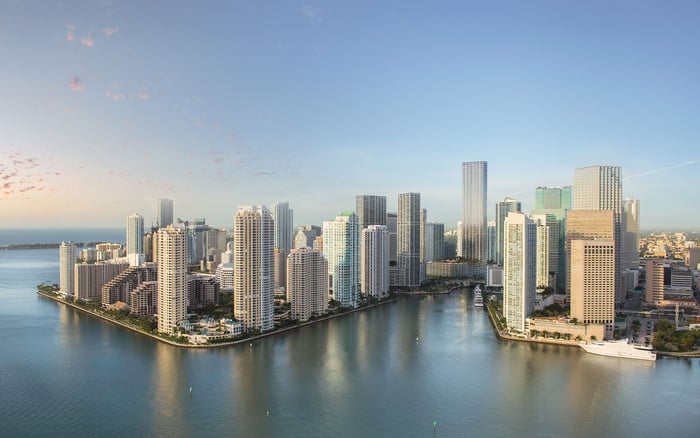
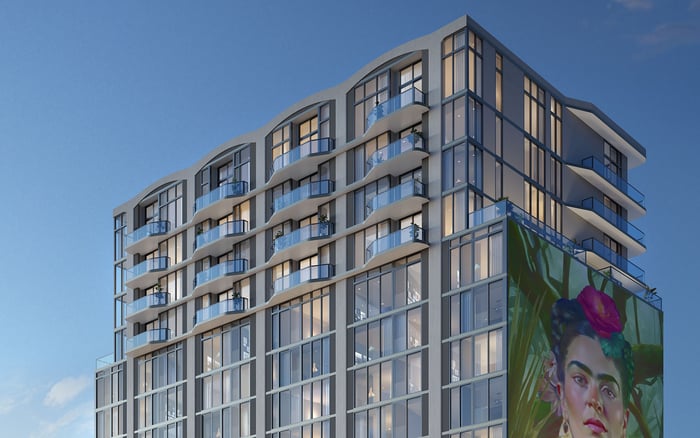
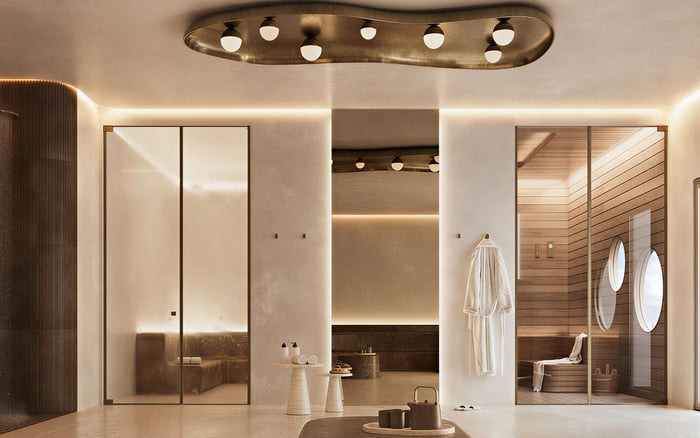
In Brickell, the idea of a primary residence functioning like a private health club speaks directly to how senior professionals now want to live: close to the office, embedded in the urban core, and supported by spaces that make fitness, recovery, and personal upkeep part of the daily routine. Rather than treating wellness as a decorative amenity, this editorial examines why a concept such as House of Wellness Brickell resonates in a market defined by executive schedules, owner-occupier demand, and rising expectations for lifestyle infrastructure.
Brickell has long occupied a distinct place in Miami: the financial district, a high-rise residential core, and one of the few neighborhoods where an executive can compress commute, meetings, dining, and home life into a highly walkable daily circuit. That matters because the logic behind House of Wellness Brickell is not simply aesthetic. It is functional.
For the primary-residence buyer, especially one whose schedule is shaped by finance, law, healthcare, real estate, or professional services, luxury is increasingly defined by what a building removes from the day: time lost in traffic, time spent moving between a condo, a gym, a spa, and personal care appointments, and time required to maintain routines that support performance. A residence positioned as a private health club offers a more efficient answer: put the infrastructure for wellness inside the home environment itself.
In that sense, House of Wellness Brickell is less about resort fantasy and more about urban precision. In a district where residents often spend most of the year locally, the strongest value is not occasional indulgence. It is repeat use before work, after work, and in the narrow intervals between commitments.
In the upper tier of the market, wellness is no longer a side amenity tucked beside a pool deck and lounge. It has become part of the core design brief. Buyers increasingly look for buildings that support exercise, recovery, decompression, and healthier routines without requiring them to outsource those needs across the city.
That distinction matters. Decorative luxury can impress at first glance, but luxury that supports routine proves its value every morning. A wellness-led residential concept appeals because it can make training, rest, and self-care feel less like errands and more like natural extensions of living well at home.
For the executive owner, the private-club analogy is most persuasive when a residence becomes a daily destination for upkeep and renewal. The appeal is not merely access to attractive shared spaces. It is the ability to move from residence to workout, from workout to recovery, and from recovery to workday readiness within one controlled environment. That is a far more compelling proposition for a full-time Brickell buyer than amenity programming designed mainly for occasional use.
Miami’s luxury market has matured in a way that rewards properties offering real lifestyle infrastructure. For a buyer choosing a principal home rather than a pure pied-à-terre, the question is practical: does the building improve the quality of everyday life?
A wellness-first building can answer that more clearly than many traditional trophy towers. It can support consistency. It can reduce friction. It can align the home with the owner’s physical routine and mental bandwidth. In an urban market as active as Brickell, that can matter more than another entertainment room or formal amenity suite.
This is also where House of Wellness Brickell enters a compelling peer conversation. Traditional prestige in the district is still represented by buildings such as 888 Brickell by Dolce & Gabbana and Baccarat Residences Brickell, where branding, service, and address carry obvious weight. Yet a concept built around wellness shifts the discussion from status display to personal optimization. It asks buyers to consider not just how a residence looks, but how it functions at 6:30 a.m., at midday, and at the end of a demanding workweek.
Not every South Florida neighborhood can support this proposition equally well. Brickell can, because density, walkability, and concentration of professional activity all support a live-work-wellness model.
The neighborhood’s rhythm is especially well suited to residents who want home to operate as a high-performance base rather than a passive backdrop. A buyer here may leave a tower for a short walk to the office, return for a midday reset, and finish the day with fitness or recovery without re-entering a car. That pattern gives wellness amenities greater relevance in Brickell than in locations defined primarily by seasonal occupancy or leisure use.
The district’s broader residential context reinforces the point. Buildings such as The Residences at 1428 Brickell and St. Regis® Residences Brickell reflect the continued depth of demand for polished urban ownership in this part of Miami. House of Wellness Brickell enters that conversation with a more specialized proposition: not simply refined living in Brickell, but a home designed around daily physical and mental maintenance.
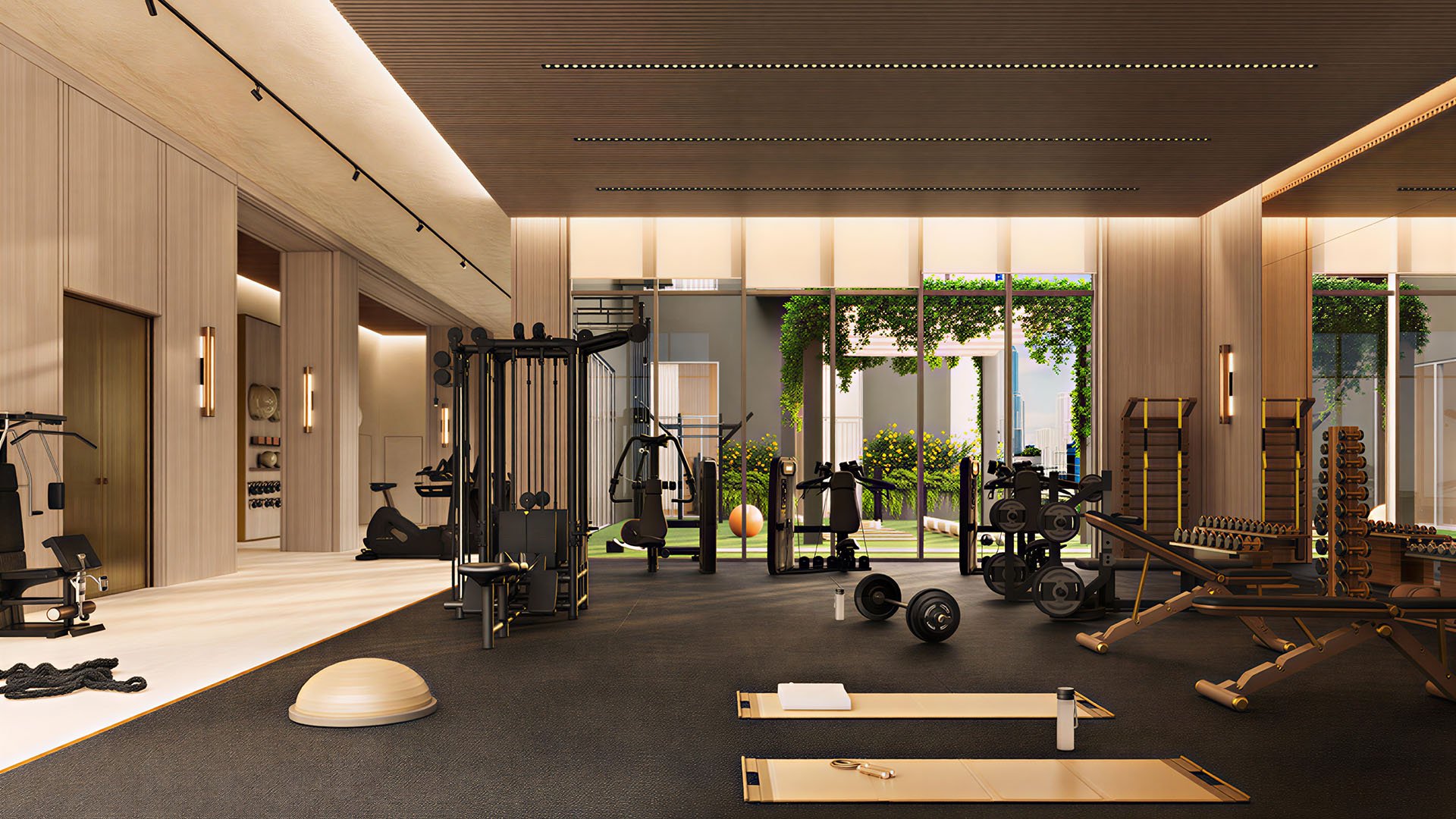
One of the clearest changes in top-tier residential design is that buyers now expect wellness spaces to be integral, not ornamental. Fitness areas, spa-like rooms, quiet recovery zones, and environments intended to reduce stress have moved from optional enhancements to central considerations in many luxury projects.
That shift matters because it aligns with how executives evaluate value. They often do not need more spectacle. They need more control over routine. A residence that helps preserve energy, reduce transitions, and support discipline has a very different kind of luxury appeal from one centered on social theatrics.
This is why the phrase private health club is so effective in a residential context. It suggests membership-level convenience without the fragmentation of belonging elsewhere. The home itself becomes the membership. The building becomes the ecosystem.
A similar wellness-inflected sensibility has appeared in other South Florida projects, including The Well Coconut Grove, which illustrates how health-centered positioning has become credible at the upper end of the market. In Brickell, however, the concept takes on a sharper executive edge because the neighborhood’s identity is tied so closely to productivity, prestige, and urban tempo.
Because publicly disclosed project specifics remain limited, the most intelligent way to assess House of Wellness Brickell is through the strength of the concept rather than assumptions about details that have not been firmly established.
First, consider whether the residence is being framed as a true primary-home product. That means evaluating the emphasis on everyday living, not occasional entertainment. Second, look at how convincingly the wellness story is integrated into the building’s identity. In today’s market, buyers are quick to distinguish between authentic programming and amenity packaging. Third, think about location through the lens of routine. In Brickell, convenience compounds; small reductions in friction can produce meaningful gains in quality of life over time.
For many owner-occupiers, that is the central question: not whether a building offers luxury in the abstract, but whether it supports a better operating system for daily life.
What is the core appeal of House of Wellness Brickell? It is the idea of a primary residence that integrates fitness, recovery, and personal upkeep into everyday living in Brickell.
Why does this concept resonate with executives? Executive buyers often value convenience over excess, and a health-club-style residence reduces the need for outside memberships and extra travel.
Is Brickell the right location for a wellness-led residence? Yes. Brickell combines business density, walkability, and prestige in a way that supports a live-work-wellness lifestyle.
Does this article confirm pricing or delivery details? No. Specific figures and timelines should be evaluated only when publicly disclosed and firmly established.
How is this different from a typical luxury condo amenity package? The distinction is one of emphasis: wellness here is central to daily use, not a secondary feature added for marketing effect.
Who is the most likely buyer profile? A full-time owner, especially an executive or entrepreneur, who wants a high-functioning primary residence in Brickell.
Why is wellness such a strong luxury theme right now? Buyers increasingly want their homes to support better routines, lower stress, and more seamless access to exercise and recovery.
Is this concept more suited to full-time residents than second-home owners? Generally, yes. Its strongest value appears in consistent, repeated use rather than occasional stays.
How should buyers compare House of Wellness Brickell with other Brickell projects? By looking beyond brand prestige and asking which building best supports daily life, routine, and personal performance.
What makes the private health club idea compelling in residential real estate? It turns wellness into part of the home environment, allowing owners to treat health maintenance as a natural part of living well.
For a confidential assessment and a building-by-building shortlist, connect with MILLION.
If branded residences are on your mind — as a home or as an allocation — we would be glad to share what we are seeing, privately.
Begin a quiet conversation