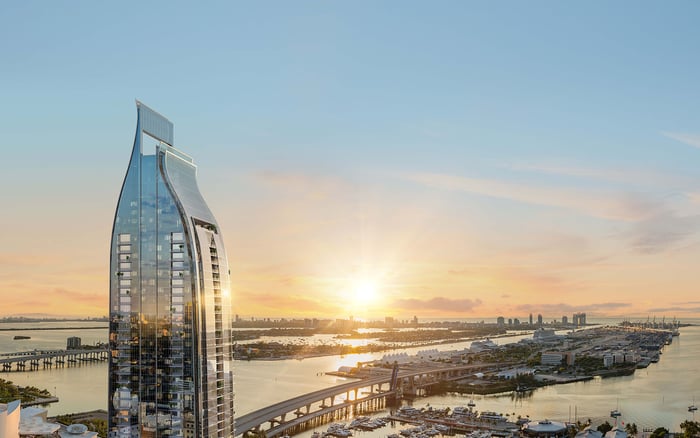
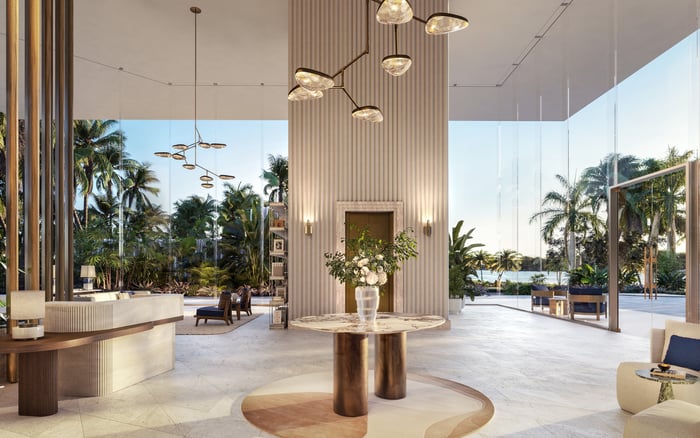
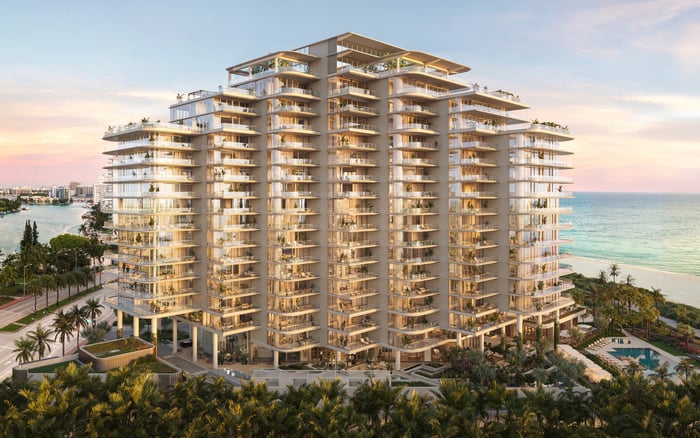
A discreet buyer’s comparison of Shore Club Private Collections Miami Beach and ORA by Casa Tua Brickell through the practical lenses of service intensity, elevator circulation, amenity privacy, and owner control.
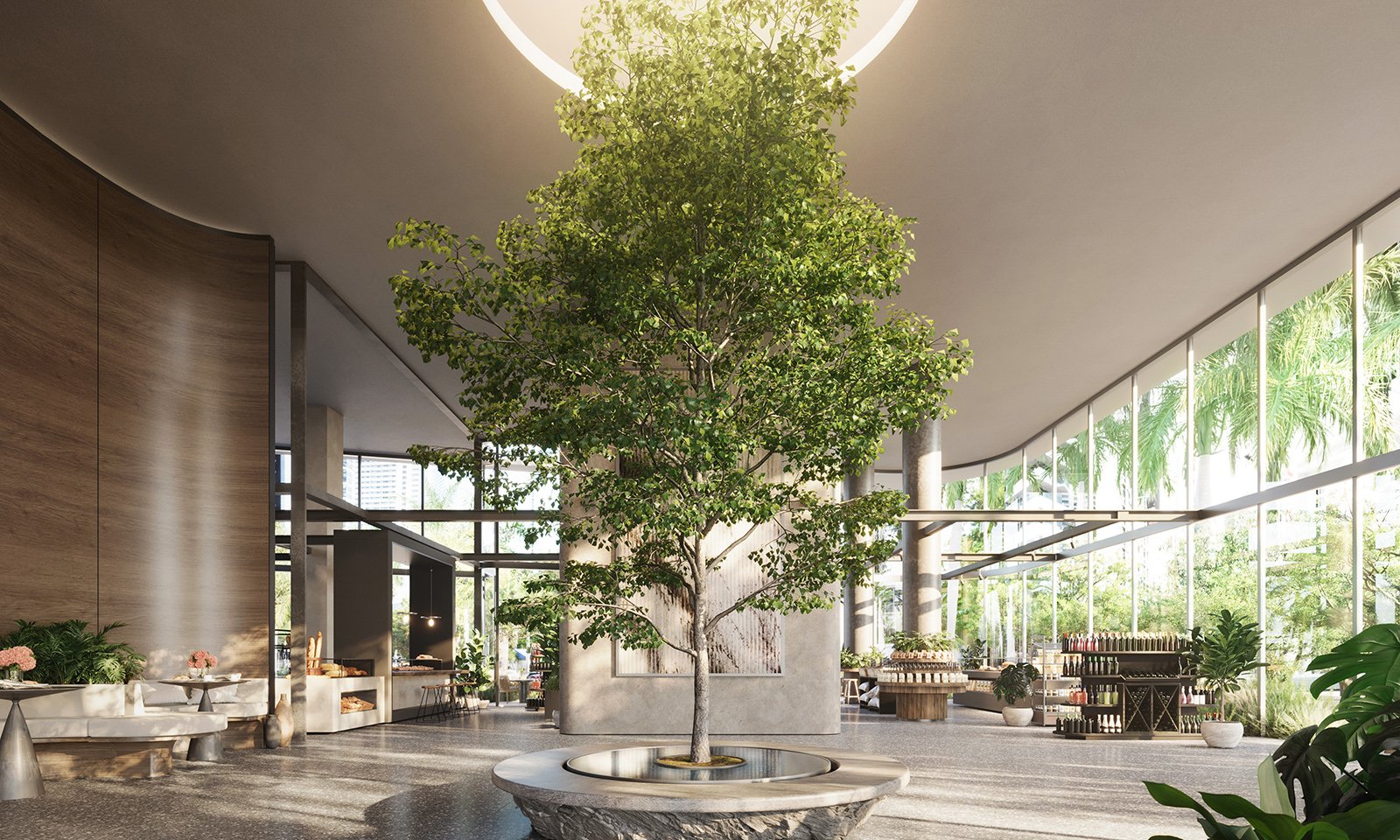
The most sophisticated buyers in South Florida are no longer asking only whether a building offers polished common spaces, a recognizable hospitality name, or a strong location. They are asking who else uses those spaces, how often the elevators come under pressure, and whether owners retain meaningful control over the daily environment they paid to inhabit.
That is the core comparison between Shore Club Private Collections Miami Beach and ORA by Casa Tua Brickell. Both appeal to buyers who want a service-rich lifestyle. Both sit within premium South Florida submarkets. Yet the buyer psychology is different: Shore Club Private Collections Miami Beach speaks to a Miami Beach ownership mindset, while ORA by Casa Tua Brickell speaks to a Brickell ownership mindset.
The distinction is not simply beach versus city. It is how service is delivered, how shared spaces are governed, and how much of the daily experience feels like private residential life rather than a beautiful public venue.
Shore Club Private Collections Miami Beach begins with a powerful premise for buyers who want Miami Beach atmosphere, branded-service expectations, and a softer rhythm than the financial core of the city. For many owners, the appeal is emotional as much as practical: arrival near the beach, attentive service, wellness-minded living, and a sense of retreat.
The buyer question is whether that service layer enhances residential life or competes with it. In any project that blends private ownership with hospitality-style programming, the most important details are not always visible in renderings. They are found in access protocols, owner-only areas, elevator separation, valet flow, pool governance, and the way reservations, events, and guests are managed.
For a buyer seeking hotel-level service without hotel guests, the Shore Club evaluation should center on boundaries. Which spaces are exclusively residential? Which are shared? Are arrival sequences differentiated? How is beach access handled? Are staff protocols written around owners, visitors, or both? The more precise those answers are, the easier it becomes to judge whether the residence will feel serene during peak periods.
This is where Miami Beach ownership differs from a purely urban tower. The coastal setting carries emotional value, but it also makes operational discipline essential. Service must feel effortless without allowing the property to become porous.
ORA by Casa Tua Brickell speaks to a different kind of luxury resident: one who wants Brickell convenience, social fluency, and a service-rich lifestyle in a neighborhood that moves from business hours to dinner plans without changing pace. It is not trying to replicate the mood of a beachfront retreat. It belongs to the city.
That urbanity can be a strength. Brickell buyers often value immediacy: dining, work, fitness, and social life within a compact urban radius. A Casa Tua-positioned lifestyle concept can be especially appealing to owners who want warmth and hospitality in a market that can otherwise feel formal and tower-driven.
The key question is density of use. In a vertical urban environment, amenities are not judged only by how polished they are. They are judged by how available they feel at busy hours, how calm the elevators remain when demand rises, and how effectively management separates residents, guests, service staff, and visitors.
Brickell projects must also be evaluated for the choreography of arrival. Drop-offs, package handling, food and beverage uses, private events, and resident access can either harmonize or collide. ORA by Casa Tua Brickell may appeal to buyers who welcome energy, but the highest-end purchasers will still want to know where the private residential experience begins and where the hospitality layer ends.
Amenity density is often misunderstood. More amenities do not automatically create a better owner experience. A long list of spaces can be seductive, but the real measure is the relationship between desirability, exclusivity, staffing, and operating rules.
For Shore Club Private Collections Miami Beach, the most valuable amenity may be the feeling of retreat. If wellness, dining, pool, beach, and arrival spaces are carefully controlled, the service can feel deeply residential even within a hospitality-minded framework. If boundaries are loose, even beautiful spaces can feel overexposed.
For ORA by Casa Tua Brickell, the strongest amenity proposition is lifestyle continuity: the ability to move from residence to dining, social, work, and wellness environments without leaving the building’s orbit. The tradeoff is that urban amenity spaces must be resilient. They need booking discipline, sound control, guest policies, and sufficient staff presence to preserve a private tone.
The buyer should ask: which spaces are owner-only, which are reservable, which permit outside guests, and which can be used by non-residential patrons? The answer matters more than the number of lounges or treatment rooms.
Elevator performance is one of the least glamorous and most important measures of daily luxury. It affects mornings, airport departures, dinners, staff access, pet walks, and privacy. It also shapes the emotional temperature of a building. A residence can be exquisitely designed, but if the elevator experience feels congested, the owner experience suffers.
No buyer should rely on broad promises about convenience. The right inquiry is operational. Are there dedicated residential elevators? Are service elevators separate? How are visitors, staff, deliveries, and food and beverage movements routed? Are peak periods modeled around real use cases rather than ideal conditions?
At Shore Club Private Collections Miami Beach, the question is separation between hospitality-style activity and owner circulation. At ORA by Casa Tua Brickell, the question is how a service-rich urban program is organized so residents do not feel they are sharing a vertical transit system with every function in the building.
Elevator comfort is not only a mechanical specification. It is a governance issue. The best buildings protect vertical privacy with rules, staffing, technology, and architectural planning.
Owner control is the category that separates a beautiful purchase from a lasting lifestyle fit. It includes governance, rules on guest access, reservation priority, rental policy, event controls, service standards, budget authority, and the treatment of shared hospitality-style spaces.
A buyer considering Shore Club Private Collections Miami Beach should understand how the residential component interacts with the property’s service environment. A buyer considering ORA by Casa Tua Brickell should understand how the Casa Tua lifestyle layer is governed within a Brickell residential context.
The phrase condo-hotel should not be assumed or dismissed casually. What matters is the legal and operating structure behind the experience. Likewise, new-construction does not automatically mean frictionless living. The strongest outcomes come when design ambition is matched by precise operating documents.
For search shorthand, buyers may place Miami Beach and Brickell in the same mental category because both are premium South Florida markets. In practice, they serve different temperaments. Shore Club is for the owner who wants coastal atmosphere with controlled privacy. ORA is for the owner who wants service and social energy embedded in the city.
Choose Shore Club Private Collections Miami Beach if your priority is a Miami Beach residential identity with service, a softer daily cadence, and the emotional pull of the coast. Due diligence should center on owner-only spaces, guest boundaries, and the separation between visitors and residents.
Choose ORA by Casa Tua Brickell if your priority is urban convenience, hospitality warmth, and a lifestyle connected to Brickell’s restaurant, work, and social rhythms. Due diligence should center on elevator routing, amenity reservations, visitor rules, and how private the residential experience remains during peak activity.
In both cases, the best buyer is not dazzled by branding alone. The best buyer studies the operating reality behind the brand.
Is Shore Club Private Collections Miami Beach the more beach-oriented option? Yes. For buyers comparing these two addresses, Shore Club Private Collections Miami Beach is the more natural fit for a Miami Beach ownership mindset.
Is ORA by Casa Tua Brickell the more urban option? Yes. ORA by Casa Tua Brickell is better aligned with buyers who want Brickell energy, convenience, and a socially connected city setting.
Can amenity density be compared without published counts? Yes, but only qualitatively. The stronger test is exclusivity, access control, staffing, and how often spaces feel available to owners.
Why do elevator wait times matter in luxury buildings? Elevator comfort affects privacy, daily rhythm, and perceived calm, especially in buildings with hospitality-style or high-traffic amenity uses.
What should buyers ask about elevator planning? Buyers should ask about residential elevator separation, service routes, guest access, delivery handling, and how peak periods are managed.
What does owner control mean in this context? It means the rules and governance that determine who uses amenities, how guests are admitted, and how private the building feels.
Should a hospitality name be viewed as an automatic advantage? Not automatically. The brand matters most when its service standards are supported by strong residential boundaries and clear governance.
Which project is better for buyers who dislike public-feeling amenities? The answer depends on operating documents and access rules. Buyers should focus on owner-only spaces, guest limits, reservations, and circulation separation.
What is the main risk in a service-heavy building? The main risk is that service activity, guests, deliveries, and events can dilute privacy if the building is not carefully governed.
What is the safest way to compare these two projects? Compare the operating experience: access, circulation, amenity rules, service delivery, and the level of privacy owners can expect.
When you're ready to tour or underwrite the options, connect with MILLION.
If branded residences are on your mind — as a home or as an allocation — we would be glad to share what we are seeing, privately.
Begin a quiet conversation