A buyer-focused look at how art-led residential branding in Wynwood should be evaluated through daily livability, not only aesthetic promise.
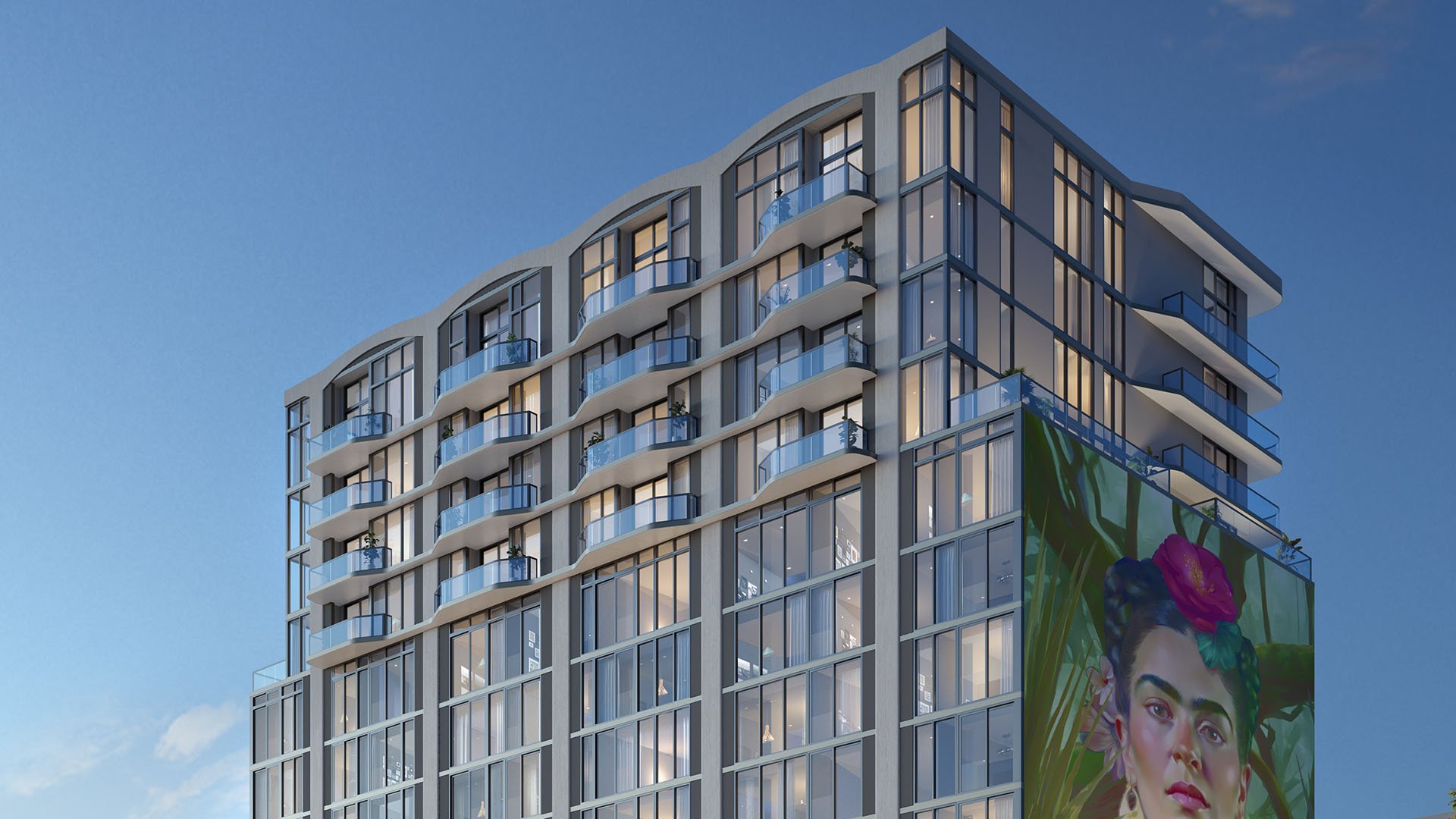
Frida Kahlo Wynwood Residences raises a useful question for South Florida buyers: when a residential project adopts the language of art, culture, or design, how should that identity be tested against the practical realities of daily life? In a district such as Wynwood, where visual energy is part of the address, the risk is not that art branding feels out of place. The risk is that buyers stop asking ordinary questions because the narrative feels extraordinary.
A sophisticated purchaser should approach Frida Kahlo Wynwood Residences through two parallel lenses. The first is emotional: does the concept have a point of view, a sense of place, and enough cultural intelligence to feel more than decorative? The second is operational: will the residence remain calm, efficient, private, and durable after the first impression fades?
That distinction matters. Art can elevate a building, but it cannot compensate for awkward circulation, limited storage, compromised acoustics, difficult parking, or amenities that photograph better than they function. For the ultra-premium buyer, the test is not whether a residence is memorable. It is whether it remains composed on an ordinary Tuesday morning.
Wynwood is one of Miami’s most visually recognizable urban districts, and its appeal is tied to movement, creativity, restaurants, galleries, and a strong street-level identity. That energy can be seductive, particularly for buyers who want an address with texture rather than a purely resort-style setting. Yet an urban art district asks more of a residential building than a quieter waterfront enclave might.
Livability begins with the arrival sequence. A buyer should study how residents enter, where guests wait, how deliveries are handled, and whether the lobby feels like a sanctuary or an extension of the street. In a neighborhood defined by activity, the best residential experience creates a clear threshold between public stimulation and private retreat.
Sound is equally important. A residence can have compelling interiors and still disappoint if bedrooms, terraces, and living areas fail to protect the owner’s daily rhythm. The buyer should think beyond weekend vibrancy and ask how the home performs during early mornings, work calls, quiet dinners, and extended stays.
Parking, ride-share flow, package management, bicycle access, pet movement, elevator efficiency, and service corridors may sound unglamorous. In practice, they are where luxury either holds or weakens. Art branding may attract attention, but daily logistics build loyalty.
South Florida has become a natural stage for branded residential concepts, from fashion and hospitality to wellness and design. Buyers comparing Wynwood with Brickell, Coconut Grove, Miami Beach, or Sunny Isles should separate brand recognition from residential substance.
In Brickell, names such as 888 Brickell by Dolce & Gabbana and Baccarat Residences Brickell show how a recognizable identity can frame a buyer’s expectations before a tour even begins. The important question is what the identity actually governs. Does it influence materials, service standards, public spaces, residence planning, or only the marketing atmosphere?
The same discipline applies beyond Brickell. The Well Coconut Grove signals a wellness-oriented point of view through its name, while Casa Bella by B&B Italia Downtown Miami places design at the center of the conversation. Each example reminds buyers that a brand can be meaningful, but only when it is legible in daily use.
For an art-led New Project in Wynwood, the strongest outcome would be a residence where the artistic identity feels embedded rather than applied. That might mean restraint, atmosphere, thoughtful common areas, and a coherent sense of place. It should not mean visual intensity at the expense of serenity.
For a Pre-construction buyer, the most important evaluation happens before the romance of the renderings takes over. The sales gallery can communicate mood, but the contract documents, floor plans, specifications, association structure, use rules, delivery assumptions, and maintenance projections explain the lived reality.
Start with the floor plan. Does the residence have a logical kitchen, meaningful storage, usable walls for art, adequate bedroom separation, and terraces that can be furnished rather than merely admired? An art-branded home should be especially sensitive to wall space, lighting, ceiling heights, and the way collections or statement pieces might be displayed without overwhelming the room.
Then examine the amenity program. Buyers should ask whether spaces are designed for actual frequency of use, not just launch photography. A lounge should have acoustic comfort and seating variety. A fitness area should support routine training. Outdoor areas should account for shade, privacy, and maintenance. If there is a cultural or art-oriented component, it should have a defined purpose rather than a symbolic label.
Finally, review governance. Short-term rental rules, pet policies, guest access, valet operations, move-in procedures, reserves, and association controls can shape the owner experience more than any brand language. Luxury is not merely what is offered. It is what is protected.
A name associated with an artist carries emotional force. It suggests individuality, color, resilience, and a life lived with unmistakable identity. But a residential buyer should be careful not to confuse artistic association with architectural performance.
The best reading is not literal. A building inspired by art does not need to become a museum, nor should it turn every surface into a statement. The more enduring approach is to translate artistic spirit into proportion, material warmth, curated public moments, and private spaces that allow owners to live with their own collections, routines, and tastes.
In Wynwood, that restraint may be especially valuable. The neighborhood already supplies murals, movement, and visual density. A residence can stand apart by offering composure. If the brand promise is intensity, the home should still deliver rest. If the public areas are expressive, the private rooms should remain adaptable.
The right question is not whether art branding belongs in Wynwood. It clearly can. The question is whether the branding survives a disciplined buyer’s checklist. Does the plan work? Does the building feel private? Are the amenities durable? Does the operating model support a calm ownership experience? Are the design references tasteful enough to age well?
For end users, livability should lead. For investors, livability still matters because resale strength depends on more than novelty. The projects that age best in South Florida tend to pair identity with discipline, creating places that feel distinctive without exhausting the resident.
Frida Kahlo Wynwood Residences should be evaluated through that lens: art as atmosphere, not distraction; branding as a promise to be verified; and Wynwood as a cultural setting that demands both energy and control.
What should buyers examine first in an art-branded residence? Start with the floor plan, arrival sequence, acoustic comfort, storage, and daily service logistics before focusing on the brand narrative.
Is Wynwood a natural fit for an art-led residential concept? Yes, Wynwood’s cultural identity can support art-led residences, provided the building also delivers privacy, calm, and functional routines.
Does a famous artistic reference guarantee long-term value? No. Long-term value depends on execution, livability, building management, location strength, and how gracefully the concept ages.
How should Pre-construction buyers reduce risk? Review contract terms, specifications, use rules, association structure, floor plans, and projected operations before relying on renderings.
What makes branded residences successful? The brand should shape materials, service, atmosphere, and planning in ways that owners can feel in daily life.
Can strong branding hurt livability? It can if visual drama overwhelms privacy, flexibility, acoustic comfort, or the ability to personalize the home.
Why compare Wynwood with Brickell or Coconut Grove? Comparing districts helps buyers understand whether they prefer urban energy, financial-center convenience, or a more village-like rhythm.
Should investors care about livability as much as end users? Yes. Resale demand is often stronger when a residence functions well beyond its initial marketing appeal.
What role should amenities play in the decision? Amenities should support repeated use, privacy, comfort, and maintenance discipline rather than exist only as visual statements.
Is Frida Kahlo Wynwood Residences best judged as art or real estate? It should be judged as real estate first, with art branding considered valuable only if it improves the residential experience.
For a confidential assessment and a building-by-building shortlist, connect with MILLION.
If branded residences are on your mind — as a home or as an allocation — we would be glad to share what we are seeing, privately.
Begin a quiet conversation