A buyer-focused guide to shade-structure diligence at The Ritz-Carlton Residences® West Palm Beach, with practical questions families should ask before contract.
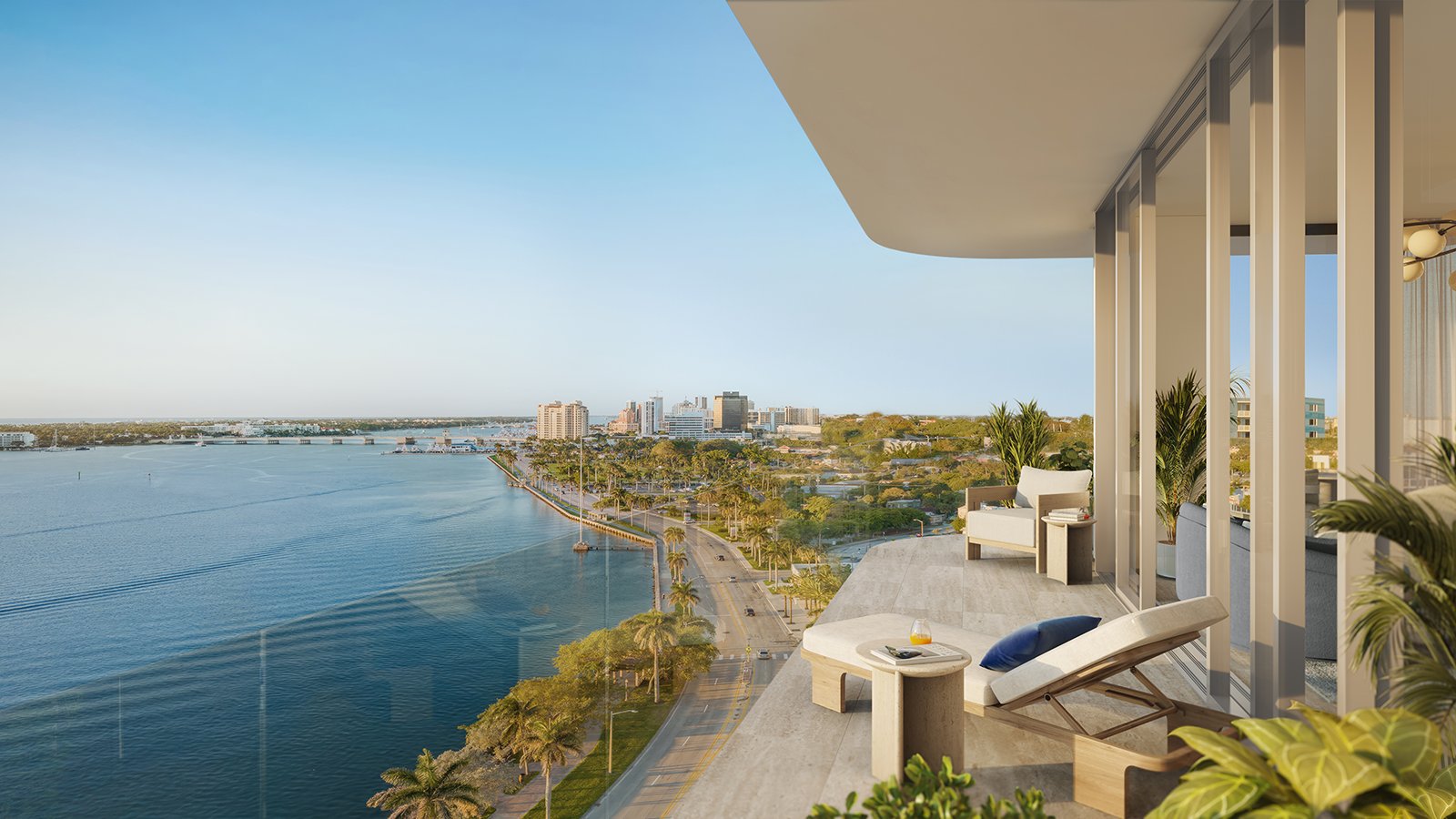
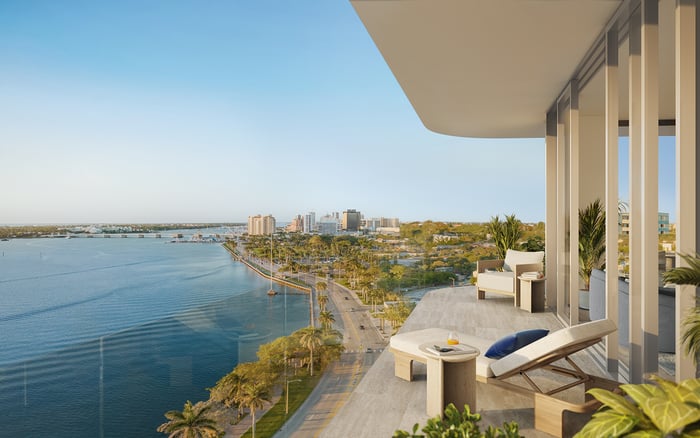
At The Ritz-Carlton Residences® West Palm Beach, the conversation about outdoor living should begin before a family falls in love with a terrace, balcony, or cabana setting. In South Florida, shade is not a decorative afterthought. For parents with young children, multigenerational households, or buyers who expect to use outdoor space throughout the day, shade can determine whether a residence lives well at breakfast, after school, and in the late afternoon, when the sun is most intense.
The central point is simple: family buyers should treat shade additions as a pre-contract diligence item. A pergola, awning, shade sail, cabana screen, or other exterior element should not be assumed available after closing. In a branded, design-controlled condominium, exterior consistency may be closely managed, and what feels like a personal lifestyle improvement can become an architectural, engineering, insurance, and association issue.
This is not a reason to step back from the residence. It is a reason to ask sharper questions early, while leverage, clarity, and optionality still exist.
Families tend to evaluate outdoor space differently from occasional users. A couple may see a balcony as a place for evening cocktails. A family may see it as a shaded play area, a quiet reading corner, a breakfast terrace, or a comfortable place for grandparents to sit while children move between inside and out.
That difference matters. If shade is essential to daily use, the buyer should understand whether the desired solution is temporary, permanent, visible from other residences, attached to the structure, or governed by a uniform building standard. A freestanding umbrella may be treated very differently from a fixed awning or pergola. A cabana furnishing package may follow a different path than a balcony attachment. The distinction can affect comfort, cost, timing, and resale.
Within a West Palm Beach and Palm Beach buying lens, the vocabulary is practical rather than promotional. Balcony, terrace, and new construction each carry approval implications when the building envelope, exterior appearance, and storm readiness are part of the decision.
The first question is whether the outdoor area is part of the unit, a limited common element, or otherwise governed by the condominium documents. Many buyers casually refer to a private balcony or terrace as “mine,” but the documents may define ownership, maintenance responsibility, use rights, and modification limits with far greater precision.
For a family buyer, this distinction is foundational. If an outdoor area is a limited common element, the resident may enjoy exclusive use while still being subject to association control over alterations. That can shape whether anything may be added, removed, drilled, anchored, screened, enclosed, or left in place during certain conditions.
The buyer should ask for the specific language that governs balconies, terraces, cabanas, railings, slabs, soffits, exterior walls, façade components, waterproofing, drainage, and visible furnishings. The goal is not to become a lawyer during a sales tour. The goal is to know which questions counsel, the project team, and the association should answer before the contract becomes binding.
A key diligence question is whether temporary shade is treated differently from permanent or semi-permanent shade. Movable umbrellas, freestanding furniture, or removable screens may follow one set of expectations. A fixed awning, pergola, sail shade, or anchored cabana improvement may trigger a more formal review.
That review may involve association approval, architectural approval, developer approval, brand approval, or some combination of those pathways. In a highly curated residential environment, the issue is not simply whether shade is useful. It is whether the proposed solution aligns with the building’s exterior language.
Families should ask whether any approved shade solution must match building-wide standards for fabric, color, dimensions, hardware, placement, and visibility from neighboring residences or public areas. A shade element that looks discreet from inside a unit may read very differently from the pool deck, street, or an adjacent residence.
The most consequential shade question may be whether anything can be attached at all. Buyers should ask whether the documents or design guidelines allow attachments to balcony slabs, railings, exterior walls, soffits, or façade components.
This is where lifestyle design meets building performance. Attachments may implicate wind loads, waterproofing, drainage, structural integrity, and the building envelope. Even a seemingly simple shade concept can require engineering review if it changes how forces are transferred or how water moves across exterior surfaces.
Family buyers should be especially cautious about relying on visual precedent. Seeing an umbrella, screen, or cabana element elsewhere does not confirm that another residence can install the same feature. Approval can depend on location, exposure, height, attachment method, visibility, and the specific governing documents in effect.
South Florida outdoor living always has a storm-readiness dimension. Buyers should ask whether any fixed shade structure may require municipal permitting before installation. They should also ask whether removable shade elements must be taken down, stored, or secured during storms or high-wind events.
This matters for practical family life. A shade element that must be dismantled frequently, stored off the terrace, or handled by a contractor before major weather events may be less convenient than it appears. Conversely, an approved removable solution may be preferable if it fits the family’s daily rhythm and the building’s operating rules.
Engineering review should also be discussed early. The buyer should ask who performs or approves engineering analysis, whether costs are borne by the owner, and whether the review covers wind loads, attachment points, waterproofing, drainage, and façade protection. The objective is not to design the system during diligence. It is to understand whether the desired type of shade is realistic within the approval framework.
Shade structures can create insurance and liability questions that families should not leave until after closing. Buyers should ask whether owner-installed shade affects association insurance, owner insurance, liability obligations, or maintenance responsibilities.
If a shade element fails, causes damage, interferes with drainage, or becomes a windborne concern, responsibility may matter as much as approval. The family should understand whether the association requires proof of insurance, licensed contractors, indemnity agreements, maintenance standards, or periodic removal.
Maintenance is also part of the luxury equation. A nonconforming shade addition, even if attractive at installation, can become a resale issue if it is difficult to maintain or inconsistent with the building’s branded design standards. In a residence where design discipline is part of the value proposition, exterior modifications should enhance daily life without creating future friction.
The most elegant answer is the one that can be documented. Buyers should request written confirmation of the approval path rather than rely on verbal sales representations about future shade options.
That written trail should identify what is prohibited outright, what may be allowed with approval, who grants approval, what materials or standards apply, whether engineering review is needed, whether permitting may be required, and how storm preparation rules apply. If the answer is not yet available, the buyer should know that before making assumptions about how the outdoor space will function.
The Ritz-Carlton Residences® West Palm Beach offers the kind of setting where outdoor rooms can become essential to family life. The better question is not simply, “Can we add shade?” It is, “What type of shade can be approved, documented, insured, maintained, and resold without compromising the building’s design integrity?”
Should family buyers ask about shade before signing a contract? Yes. Shade should be treated as a pre-contract diligence item rather than a post-closing assumption.
Are balconies and terraces always fully controlled by the owner? Not necessarily. Buyers should ask whether these areas are limited common elements or otherwise governed by condominium documents.
Can a buyer assume a pergola or awning will be allowed? No. Fixed or semi-permanent shade structures may require association, architectural, developer, or brand approval.
Are umbrellas treated the same as fixed shade structures? They may not be. Temporary, movable shade can be subject to different rules than attached or permanent installations.
Why do attachment points matter? Attachments to slabs, railings, walls, soffits, or façade components can affect engineering, waterproofing, drainage, and the building envelope.
Could municipal permitting be required? Yes. Fixed shade structures may require permitting depending on the design and applicable rules.
Do hurricane rules affect shade planning? They can. Removable shade elements may need to be taken down, stored, or secured during storms or high-wind events.
Should insurance be part of the discussion? Yes. Buyers should ask whether owner-installed shade affects association insurance, owner coverage, liability, or maintenance duties.
Can shade choices affect resale? Yes. Nonconforming or hard-to-maintain modifications can create friction if they conflict with branded design standards.
What is the safest way to confirm shade options? Request written confirmation of the approval path, including restrictions, review authority, engineering, permitting, and storm procedures.
When you're ready to tour or underwrite the options, connect with MILLION.
If branded residences are on your mind — as a home or as an allocation — we would be glad to share what we are seeing, privately.
Begin a quiet conversation