A refined guide to evaluating wellness amenities in Hillsboro Beach luxury residences, with attention to privacy, design, service, maintenance, and long-term ownership value.
For the most discerning South Florida buyer, wellness has moved from an amenity category to a way of evaluating the entire residence. A fitness room, spa suite, or pool deck is no longer persuasive on its own. The more important question is whether the building supports privacy, recovery, movement, calm, and effortless daily ritual.
In Hillsboro Beach, that question carries particular weight. The town’s appeal is tied to a quieter coastal rhythm, where buyers often seek something more discreet than a resort corridor and more intimate than a dense urban tower district. A wellness-oriented residence here should not feel like a hotel checklist. It should feel like an extension of the home.
That is why buyers considering Rosewood Residences Hillsboro Beach or nearby coastal alternatives should look beyond the presence of amenities and ask how those amenities function in real life. Wellness is not just what a building offers. It is how naturally the building allows an owner to use it.
The first issue is context. A wellness program in an oceanfront setting should respect the landscape rather than compete with it. Light, air, arrival sequence, acoustics, privacy, and circulation all matter. If the path from residence to amenity feels public, complicated, or overexposed, the experience may be less restorative than the brochure suggests.
Buyers should also consider scale. In boutique-style luxury living, a smaller environment can feel more personal, but only when amenity access is carefully managed. The best experience is not always the largest spa or the most equipment. It is the one that feels available, serene, and well maintained when the owner actually wants to use it.
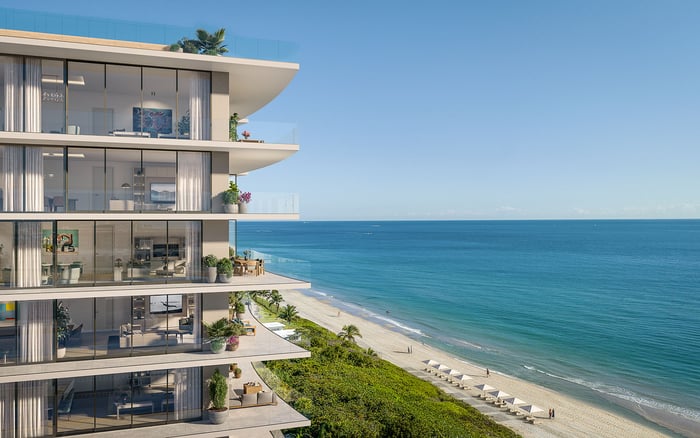
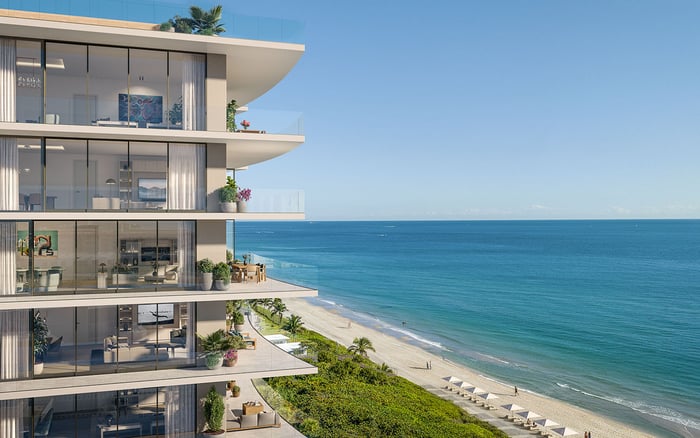
As a market, Hillsboro Beach signals a particular coastal expectation: privacy first, then water, then service. Within that framework, oceanfront positioning, beach-access planning, pool design, and lap-pool practicality should be evaluated as parts of a single lifestyle rather than separate selling points.
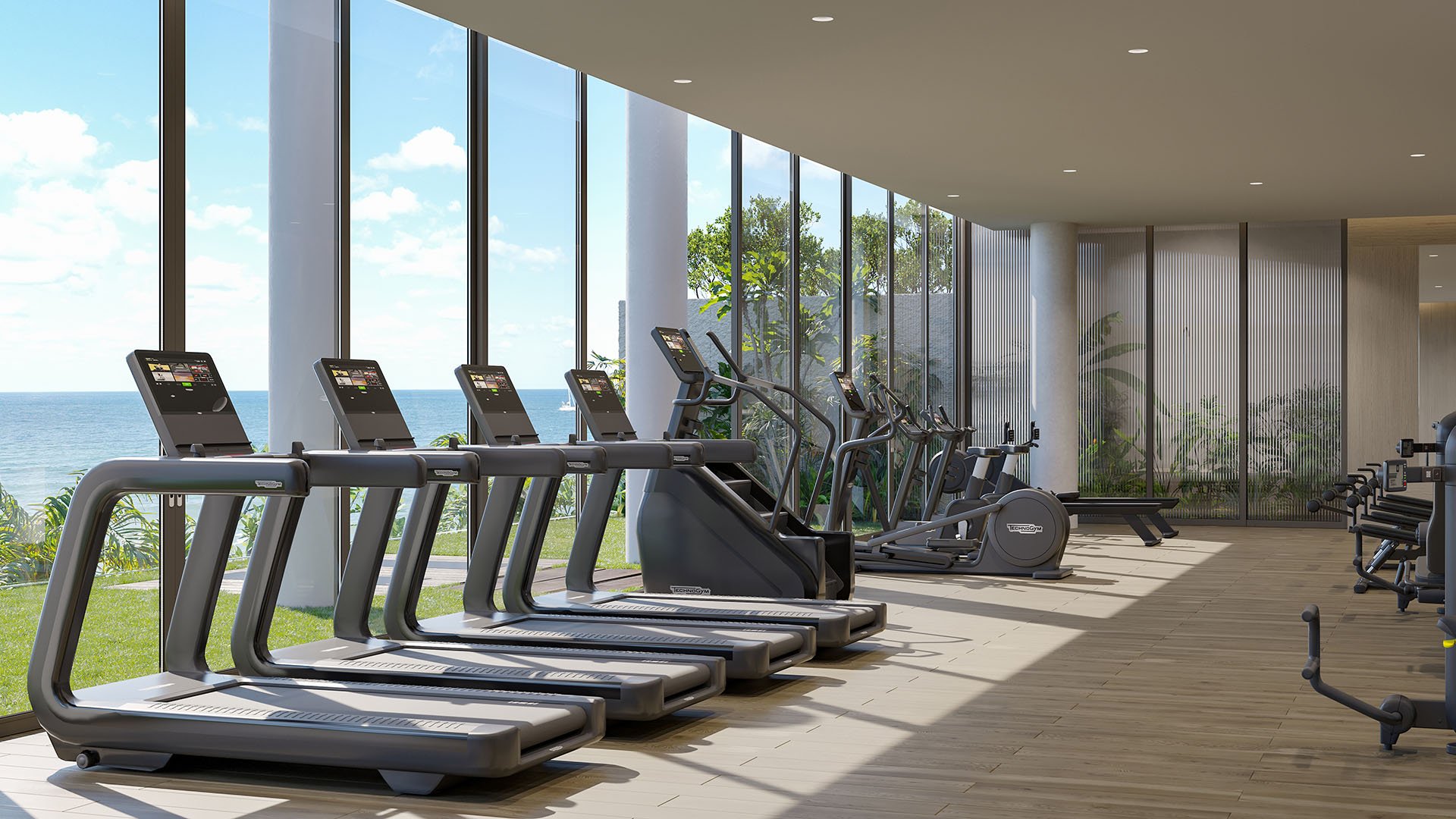
Many buyers are tempted to compare projects by the number of wellness features listed in marketing materials. That approach can miss the point. A steam room that is rarely used because it is poorly placed is less valuable than a quiet treatment room with intuitive scheduling. A gym with impressive equipment may underperform if the ceiling height, ventilation, or morning traffic feels wrong.
Quality begins with sequencing. Can an owner move from the beach to a shower, from a workout to a recovery area, or from the pool to a shaded lounge without passing through spaces that feel too exposed? Is there a graceful transition between active and quiet areas? Does the amenity deck offer places to retreat, not only places to be seen?
Service is equally important. Wellness amenities require consistency. Towels, cleanliness, climate, booking systems, maintenance standards, and staff discretion shape the daily experience. In the luxury tier, buyers should ask how management intends to protect calm during peak seasonal use.
In Hillsboro Beach, privacy is often the amenity beneath every other amenity. A beautiful spa environment loses power if it feels crowded. A pool deck becomes less appealing if sightlines are poorly controlled. A fitness area may be technically complete but emotionally unappealing if it lacks separation from social zones.
This is where floor plan and building design become part of the wellness conversation. Buyers should study elevator flow, entry sequences, terrace exposure, and the relationship between private residences and shared spaces. The most successful buildings allow owners to choose between participation and retreat.
A residence may also provide its own wellness advantages. Generous terraces, natural light, quiet bedrooms, flexible dens, and well-proportioned baths can matter as much as the formal amenity menu. For many owners, wellness is not a scheduled activity. It is waking well, sleeping well, hosting comfortably, and recovering from travel without friction.
Hillsboro Beach does not exist in isolation. Buyers often compare it with Pompano Beach, Fort Lauderdale, Boca Raton, and select Miami coastal enclaves. Each market carries a different rhythm. A buyer drawn to a more residential, less performative atmosphere may evaluate Hillsboro Beach differently from a buyer who wants greater nightlife, marina proximity, or branded hospitality intensity.
Nearby projects can help frame the decision. The Ritz-Carlton Residences® Pompano Beach may appeal to buyers comparing a recognized luxury service environment along the coast, while Armani Casa Residences Pompano Beach can serve as another reference point for design-led coastal living. In Fort Lauderdale, Auberge Beach Residences & Spa Fort Lauderdale offers another comparison point for buyers weighing a beachfront setting with a more active urban edge.
The point is not to declare one market superior. It is to determine whether the wellness promise matches the owner’s lifestyle. A buyer who values stillness, privacy, and a refined beach routine may prefer a different environment than a buyer who wants a larger social ecosystem.
Wellness amenities can enhance value, but they also require operational discipline. Buyers should review what is included in ownership costs, how specialized facilities are maintained, and whether the building’s budget supports the level of service being promised. A beautifully conceived wellness program must be funded and managed over time.
This is especially important for amenities involving water, climate control, treatment spaces, or high-use equipment. The long-term owner should not only ask what exists at opening. They should ask what it will feel like after several seasons of use.
Resale logic also matters. Wellness has broad appeal, but not every amenity ages equally. Flexible spaces, strong outdoor connections, private fitness access, thoughtful spa areas, and excellent pool environments tend to feel more enduring than novelty features. Buyers should favor amenities that solve real lifestyle needs rather than chase fashion.
A serious tour should be slower than a typical sales presentation. Visit at different times if possible. Notice sound, shade, elevator wait, lobby energy, and how easily one can move from residence to amenity to beach. Ask where guests go, where service staff circulate, and how private owners remain when the property is active.
Inside the residence, stand quietly in the primary bedroom, bath, terrace, and living room. Wellness is deeply spatial. If the home does not feel calm at rest, the amenity program cannot fully compensate.
Buyers comparing Hillsboro Beach with Miami Beach may also consider how wellness language changes between a high-profile Miami setting and a quieter Broward County oceanfront address. The sharper the buyer’s sense of daily routine, the easier it becomes to identify the right fit.
Are wellness amenities worth paying more for in Hillsboro Beach? They can be, if the amenities are private, well maintained, and aligned with how the owner actually lives.
What is the most important wellness feature to evaluate first? Start with privacy and usability. A beautiful amenity has limited value if it feels crowded or inconvenient.
Should buyers prioritize a spa or fitness center? The better priority is routine fit. Choose the environment you will use consistently rather than the one that sounds most impressive.
Does oceanfront living automatically create a wellness lifestyle? Not automatically. The building must connect the residence, beach, pool, and quiet spaces in a thoughtful way.
How should seasonal use affect a buyer’s decision? Buyers should ask how amenities are managed during busier periods and whether service standards remain consistent.
Are boutique residences better for wellness than larger buildings? They can be, but only if access, staffing, and maintenance are strong. Scale alone does not guarantee serenity.
What should second-home buyers consider? They should focus on ease of arrival, lock-and-leave simplicity, staff support, and amenities that help them unwind quickly.
How do wellness amenities affect resale appeal? Timeless, practical wellness spaces may support broader appeal, while overly trendy features can feel less durable.
Should buyers compare Hillsboro Beach with Pompano Beach or Fort Lauderdale? Yes. Nearby markets can clarify whether the buyer prefers quiet privacy, broader services, or a more active coastal setting.
What is the best way to judge a wellness-focused residence? Tour slowly, study circulation and privacy, and imagine an ordinary morning rather than a perfect vacation day.
For a discreet conversation and a curated building-by-building shortlist, connect with MILLION.
If branded residences are on your mind — as a home or as an allocation — we would be glad to share what we are seeing, privately.
Begin a quiet conversation