A buyer-focused guide to evaluating yachting convenience in Hillsboro Beach, from dock usability and vessel fit to ownership logistics, service access, privacy, insurance, and future resale appeal.
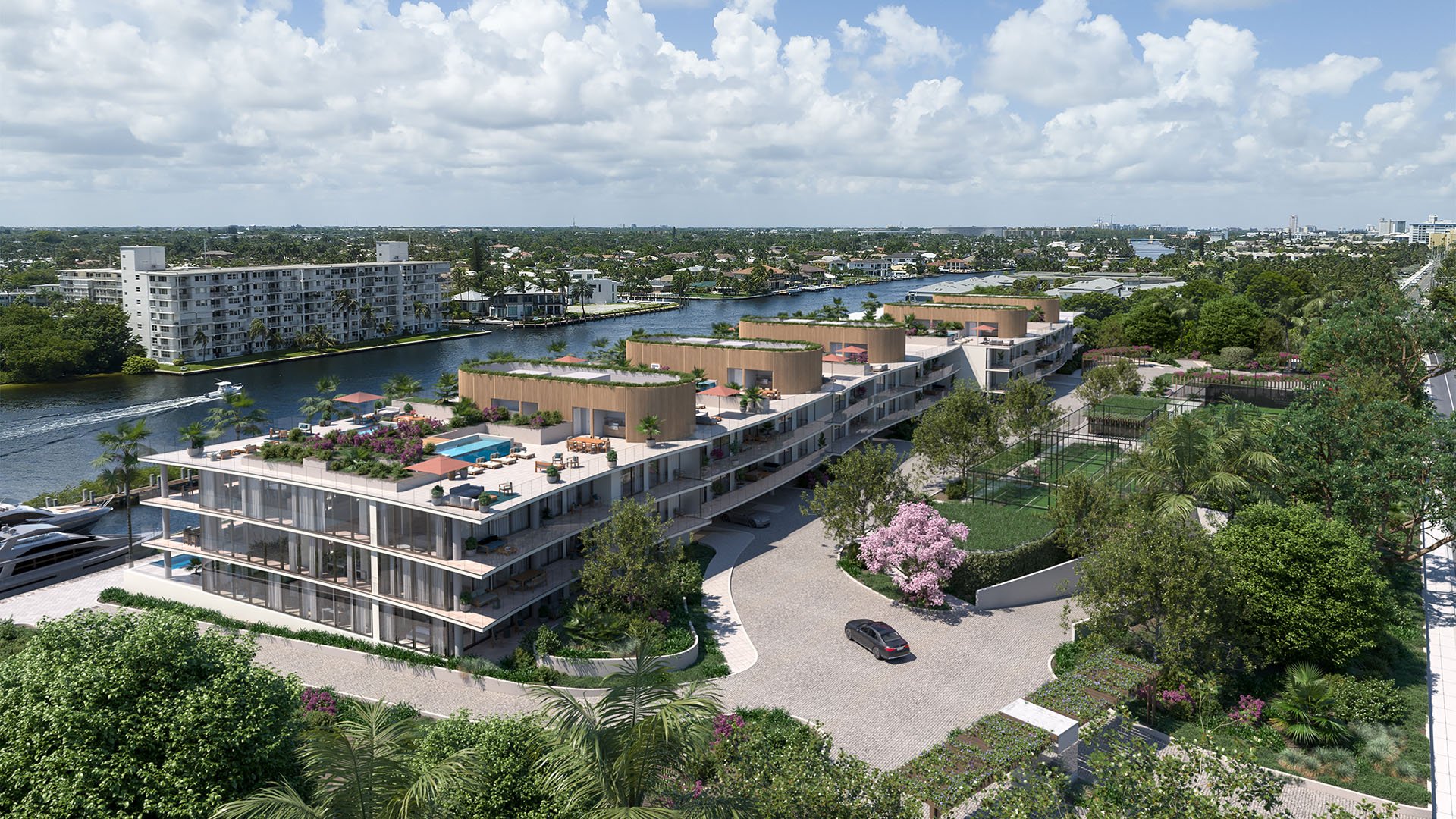
For the waterfront buyer, Hillsboro Beach requires a more refined kind of diligence. The surface question is obvious: can the property accommodate a boat? The better question is whether the residence can support the way you actually use one. A day boat, a sportfishing vessel, a tender, and a larger yacht each place different demands on approach, depth, turning room, lift capacity, dock equipment, crew access, and ongoing maintenance.
That distinction matters because luxury buyers are rarely purchasing only a view. They are purchasing rhythm. The best waterfront address lets an owner move from breakfast to boarding, from arrival to sunset cruise, from entertaining to quiet return, without friction. A property can be beautiful and still be inconvenient for boating if the dock, water access, service logistics, or association structure does not match the owner’s habits.
At the ultra-premium end, the conversation should begin before a contract is signed. Buyers considering Rosewood Residences Hillsboro Beach, private waterfront estates, or neighboring coastal alternatives should ask practical questions early, then have each answer documented with appropriate professional review.
A dock is not an abstraction. It either fits the vessel, or it does not. Before falling in love with a terrace, garden, or water view, a buyer should define the vessel profile in exact terms: length, beam, draft, height, weight, desired lift configuration, boarding preference, and whether the boat will be kept in the water or on a lift. If a future yacht is under consideration, the property should be tested against that future vessel, not only the boat currently owned.
The diligence should also include maneuverability. A dock may be long enough on paper, yet difficult in practice if approach angles, current, neighboring structures, or turning room complicate arrivals. Ask whether a captain or marine professional can evaluate the approach in different conditions. A glamorous setting loses value if every departure feels like a negotiation with geometry.
Search language can be misleading. A buyer may begin with broad categories such as boat slip, marina, oceanfront, or Fort Lauderdale alternatives, yet the real analysis is site-specific. Convenience is measured in clearances, handling, boarding, fueling plans, and how easily the property performs on an ordinary Saturday.
Waterfront marketing often treats access as a simple virtue. For yachting buyers, access should be dissected. How long does it take to reach preferred cruising water? Are there bridges, no-wake zones, turns, narrow stretches, or seasonal congestion to consider? Are departures equally comfortable in the morning, late afternoon, and after dinner?
The owner who boats weekly will feel every inefficiency. A few extra minutes may not matter to an occasional user, but repeated waiting, complicated docking, or difficult returns can change how often the vessel is used. Ask for a real-world route review, not merely a map. If possible, experience the approach by boat. The sensation of the waterway, the sightlines, and the practical timing often reveal what photography cannot.
For some buyers, a nearby full-service boating ecosystem may matter as much as private dockage. Those comparing Hillsboro Beach with coastal projects such as The Ritz-Carlton Residences® Pompano Beach should think carefully about how often they rely on marina services, provisioning, detailing, repairs, or professional crew support.
In waterfront purchases, rules can be as important as seawalls. Buyers should ask what is permitted, what is grandfathered, what requires approval, and what may be restricted by association documents, municipal requirements, environmental review, or neighboring property considerations. The goal is not to become an engineer or land-use attorney. The goal is to avoid paying for an assumed use that is not comfortably available.
Questions should include whether dock modifications are possible, whether lifts can be installed or replaced, whether shore power upgrades are allowed, and whether any work would require permits or professional inspections. If the property is within a condominium or managed residential setting, review the documents for vessel size, guest docking, commercial activity, insurance requirements, noise, hours of use, storage, and service access.
A refined purchase process treats these items as part of the asset, not as afterthoughts. The view may be emotional, but the permissions are financial.
A yacht is not a static object. It needs cleaning, fueling, mechanical attention, storm preparation, provisioning, and occasional haul-out or specialist service. A buyer should ask how vendors access the property, where service vehicles may park, whether crew can enter discreetly, and how maintenance activity is handled in a luxury residential environment.
Privacy and service should work together. The best arrangement allows owners to enjoy quiet residential life while the vessel receives appropriate care. If every washdown or maintenance call becomes a coordination exercise, the property’s boating value is diminished.
This is one reason some buyers broaden their comparison set along the coast. A residence such as Riva Residenze Fort Lauderdale may appeal to clients who want a more urban boating context, while Hillsboro Beach may speak to those seeking a quieter residential posture. Neither preference is inherently superior. The question is which environment aligns with the owner’s operating style.
Luxury waterfront ownership should include a serious discussion of risk. Buyers should ask about insurance assumptions, dock and seawall condition, elevation considerations, storm preparation, generator strategy, drainage, and the responsibilities attached to waterfront improvements. These are not decorative details. They shape cost, comfort, and long-term confidence.
A strong inspection process should separate the residence from the marine infrastructure, then examine how the two interact. A beautiful interior does not offset deferred dock maintenance. A handsome seawall does not answer questions about vessel protection. The buyer should understand what must be maintained, who is responsible, what replacement might involve, and how the property is prepared when severe weather is anticipated.
For condominium buyers, responsibility allocation is especially important. Confirm whether waterfront elements are private, common, limited common, or separately licensed. The distinction can affect control, cost, and future decision-making.
Hillsboro Beach sits in a buyer’s mental map with Pompano Beach, Fort Lauderdale, Boca Raton, Palm Beach, and other South Florida waterfront markets. The right comparison is not merely price per square foot or headline amenity count. It is lifestyle efficiency.
Ask how you will use the boat. Are you hosting guests often? Do you need easy provisioning? Will a captain manage movements? Is the boat primarily for quick coastal runs, longer weekends, fishing, dining, or simply the pleasure of having water at your door? A buyer drawn to Armani Casa Residences Pompano Beach may be prioritizing a different coastal cadence than a buyer focused on a more secluded Hillsboro Beach setting.
Resale should also be part of the conversation. Future buyers will ask the same questions, and they will value clarity. A property with well-documented dock usability, clean permissions, sensible service access, and a coherent boating story can be easier to understand than one that relies only on aesthetics.
Before closing, a sophisticated buyer should have a concise boating diligence file. It should include vessel compatibility, route review, dock and lift condition, service plan, rule review, insurance considerations, and any planned improvements. If the property is a condominium or branded residence, the file should also include the relevant ownership documents governing waterfront use.
For buyers comparing multiple coastal addresses, include lifestyle notes. Does the property make boating spontaneous? Does it support privacy? Can guests board comfortably? Is night arrival practical? Can service be handled discreetly? Does the ownership structure give the buyer enough control?
Nearby alternatives such as St. Regis® Residences Bahia Mar Fort Lauderdale may be evaluated through the same lens: not simply whether the address is luxurious, but whether it makes life on the water easier, calmer, and more predictable.
What should a Hillsboro Beach yacht buyer ask first? Start with vessel fit: length, beam, draft, height, lift needs, and how the boat will approach and leave the dock.
Is a waterfront view enough to justify a premium? Not for serious boaters. The premium should be supported by usable dockage, practical access, clear rules, and manageable upkeep.
Should I inspect the dock separately from the residence? Yes. Marine infrastructure deserves its own professional review, including condition, utility needs, and future maintenance exposure.
How important are association documents? Very important in managed residential settings. They may address vessel limits, guest use, service access, insurance, and approval rights.
Can I assume I can modify a dock after purchase? No. Any desired change should be reviewed before closing, including approvals, permits, design feasibility, and cost.
Should my captain be involved in the purchase? If you have one, yes. A captain can assess approach, turning room, docking comfort, and operational details that buyers may overlook.
What makes yachting convenience feel luxurious? Ease. The most successful waterfront homes make departures, returns, service, guest boarding, and privacy feel natural.
How should I compare Hillsboro Beach with nearby markets? Compare the full boating lifestyle, including access, service logistics, privacy, rules, and how often you expect to use the vessel.
Does resale depend on boating usability? For waterfront buyers, often yes. Clear, documented boating convenience can make a property easier to evaluate and more compelling.
What should be in my boating diligence file? Include vessel fit, dock condition, access review, rule review, service plan, insurance considerations, and planned improvements.
For a confidential assessment and a building-by-building shortlist, connect with MILLION.
If branded residences are on your mind — as a home or as an allocation — we would be glad to share what we are seeing, privately.
Begin a quiet conversation