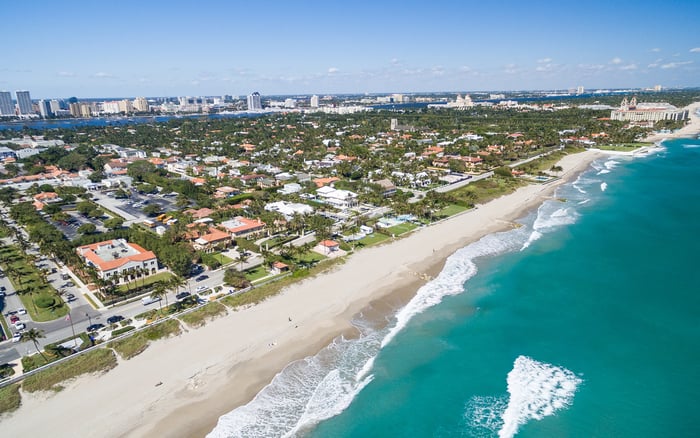
A discreet buyer’s guide to using portfolio leverage when moving capital from Greenwich-style balance sheets into Miami Beach and broader South Florida luxury real estate.
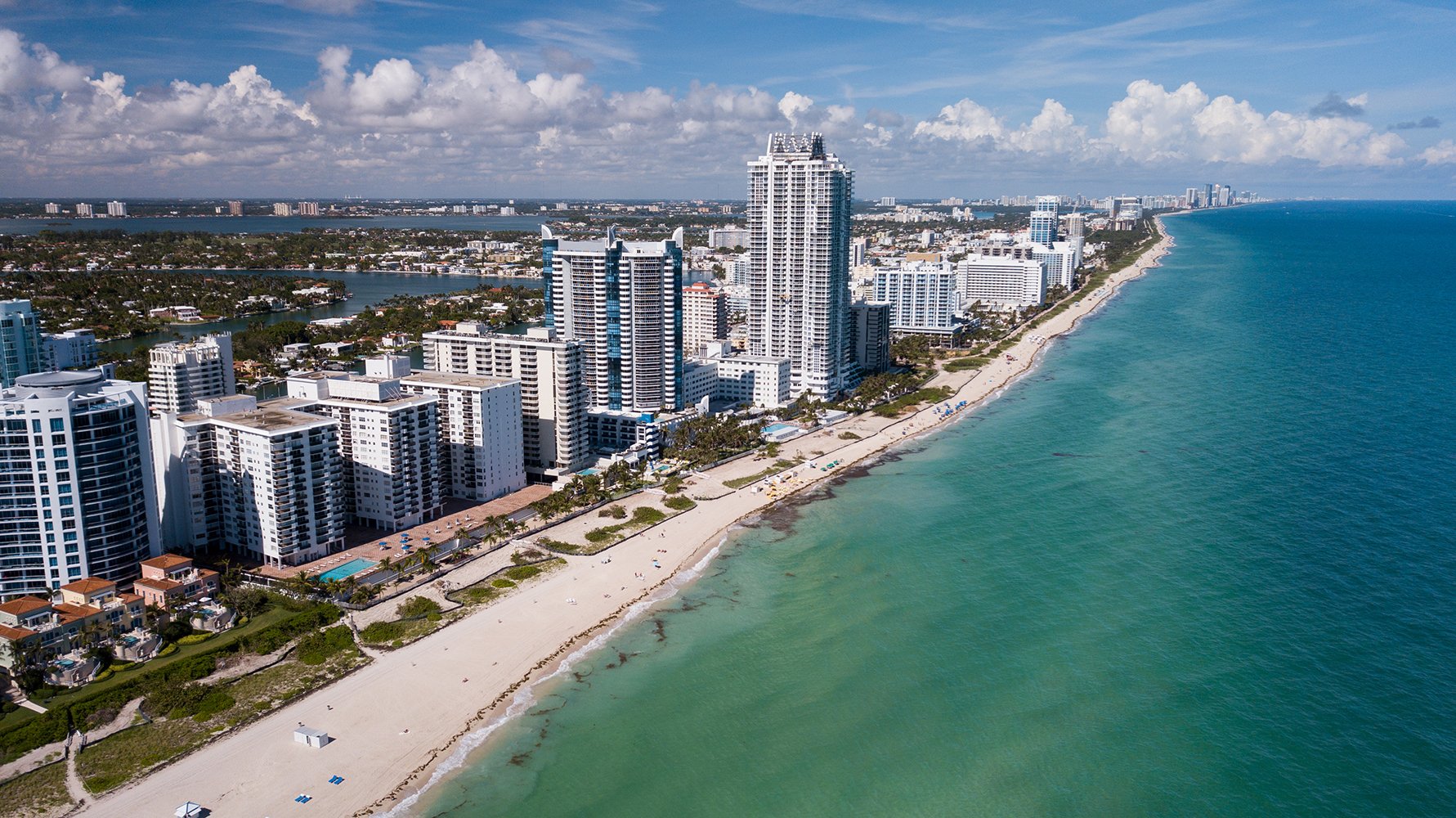
For many private clients, the move from Greenwich to Miami Beach is not simply geographic. It is a change in how a balance sheet is expressed. A primary residence, a second home, a portfolio condominium, or a family compound may sit alongside public equities, private investments, operating-company interests, and trust structures. The question is not only what to buy, but how to buy it without disrupting the architecture of the wider portfolio.
Portfolio leverage can be elegant when it is matched to the asset, the buyer’s liquidity profile, and the intended hold period. It can also become uncomfortable when markets move, timelines stretch, or a lender’s collateral rules are misunderstood. In South Florida’s upper tier, where negotiation often rewards certainty, buyers should treat financing structure as part of the acquisition strategy, not as an afterthought.
Miami Beach, Brickell, Surfside, Fisher Island, and the Palm Beaches each offer a different lifestyle and ownership cadence. A buyer considering The Perigon Miami Beach may be thinking in terms of beachfront permanence, while a buyer evaluating The Residences at 1428 Brickell may be balancing urban access, privacy, and capital deployment. The leverage conversation should flex accordingly.
Portfolio leverage generally refers to borrowing against existing assets rather than relying solely on a conventional property mortgage or an all-cash closing. The collateral might include marketable securities, cash equivalents, or other eligible assets held within a financial relationship. For a luxury buyer, the appeal is straightforward: preserve invested capital, move quickly, and avoid selling appreciated positions at an inconvenient time.
The discipline is equally clear. Borrowing against a portfolio creates exposure to two markets at once: the real estate being purchased and the collateral supporting the loan. If the collateral declines in value, the lender may require additional liquidity, partial repayment, or changes to the facility. That possibility is not a flaw in the strategy, but it must be modeled before the contract is signed.
The best-prepared buyers ask three questions early. How much liquidity remains after deposits, closing costs, furnishings, and reserves? What happens if the portfolio value falls during the purchase timeline? How quickly can cash be accessed if a lender requests more collateral? These are not pessimistic questions. They are the questions that allow a buyer to act with confidence.
Not every South Florida acquisition deserves the same capital stack. A long-term family residence may suit one structure, while a condominium intended for occasional use may suit another. A pre-construction purchase may require staged deposits and patience. A move-in-ready residence may require speed and certainty. Penthouses and larger residences can add another layer, because customization, carrying costs, and insurance should be considered from the beginning.
A securities-backed line can be useful when timing matters, particularly if the buyer wants to avoid selling assets before a closing. A traditional mortgage can be attractive when the buyer wants property-specific debt and longer-term amortization. Some buyers use a bridge approach, then refinance or repay once their broader liquidity plan is complete. The right answer depends less on status and more on suitability.
In Miami Beach, a residence such as Shore Club Private Collections Miami Beach may prompt a different conversation than a city-facing acquisition in Brickell or a quieter waterfront purchase in Bay Harbor Islands. Oceanfront ownership can be deeply compelling, but it should be evaluated alongside association obligations, insurance, reserves, and the buyer’s personal use plan.
In luxury real estate, a strong offer is not always the highest offer. It is often the cleanest. Sellers, developers, and their representatives look for evidence that a buyer can perform. When leverage is involved, presentation matters. A buyer using portfolio-backed credit may appear cash-like if the facility is already approved, the collateral is in place, and proof of funds is clear. A buyer still arranging credit after submitting an offer may not receive the same reception.
For new development, deposit timing can be as important as the headline price. For resale, inspection windows, financing contingencies, and closing certainty can influence the tone of the negotiation. The buyer who has already aligned private banking, legal counsel, tax planning, and real estate advisory is better positioned to move discreetly.
This is especially relevant when the property has emotional pull. A residence at The Residences at Six Fisher Island, for example, may appeal to buyers seeking privacy and separation from the mainland rhythm. The more singular the asset feels, the less room there is for financing ambiguity.
The most refined leverage strategy is the one that survives an inelegant market. Before committing, buyers should request a stress test that includes interest-rate movement, collateral volatility, delayed closing, larger-than-expected improvements, and a longer hold period. If the purchase still feels comfortable under conservative assumptions, the structure is more likely to support lifestyle rather than constrain it.
There is also a behavioral dimension. Some clients are comfortable with visible debt if it preserves flexibility. Others prefer the psychological clarity of owning real estate with little or no leverage. Neither approach is inherently superior. The right structure is the one that allows the owner to enjoy the property, maintain optionality, and avoid reactive decisions.
Investment discipline should remain intact even when the property is personal. A buyer considering 57 Ocean Miami Beach may be drawn by setting and design, yet the financing should still be measured against liquidity, succession planning, and future exit flexibility. Luxury should not require financial strain.
South Florida rewards buyers who are precise about neighborhood, building profile, and use case. Miami Beach offers a different cadence from Brickell. Surfside differs from Sunny Isles Beach. Coconut Grove, Coral Gables, Fort Lauderdale, Boca Raton, and West Palm Beach each carry distinct lifestyle implications. Portfolio leverage should be calibrated to those differences.
For some buyers, the property is primarily a lifestyle anchor. For others, it is part of a broader allocation to hard assets. The important point is to avoid letting leverage dictate the real estate decision. Select the property first through the lens of use, privacy, architecture, services, and long-term relevance. Then choose the capital structure that supports that decision without overexposing the rest of the portfolio.
A Greenwich-to-Miami Beach move often begins with sunshine and space, but lasting satisfaction comes from alignment. The home, the debt, the liquidity plan, and the family’s broader objectives should all point in the same direction.
What is portfolio leverage in a luxury real estate purchase? It is the use of existing financial assets as collateral or support for a property acquisition, often to preserve liquidity or avoid untimely asset sales.
Is portfolio leverage the same as a mortgage? No. A mortgage is typically secured by the property, while portfolio leverage may be secured by eligible financial assets or combined with property-specific financing.
Why would a Miami Beach buyer use portfolio leverage? It can help a buyer move quickly, maintain invested positions, and keep cash available for reserves, design, travel, or other family needs.
What is the main risk? The main risk is collateral volatility. If pledged assets decline, the borrower may need to add collateral, reduce the loan, or adjust the facility.
Should buyers use leverage for a second home? It can be appropriate when the structure fits the buyer’s liquidity and holding plan. The decision should be reviewed with financial, legal, and tax advisers.
Does leverage weaken an offer? Not necessarily. If financing is arranged in advance and documentation is clear, a leveraged buyer can present with strength and certainty.
How much liquidity should remain after closing? The answer depends on the buyer’s obligations, risk tolerance, and property plans. Conservative reserves are especially important for luxury ownership.
Are penthouses treated differently by lenders? They may require more detailed review because price, uniqueness, and liquidity can differ from standard residences. Buyers should address this early.
Can portfolio leverage work for new construction? Yes, but deposit schedules, closing timelines, and potential delays should be modeled before committing to the purchase structure.
What is the best way to shortlist comparable options for touring? Start with location fit, delivery status, and daily lifestyle priorities, then compare stacks and elevations to validate views and privacy.
To compare the best-fit options with clarity, connect with MILLION.
If branded residences are on your mind — as a home or as an allocation — we would be glad to share what we are seeing, privately.
Begin a quiet conversation