A discreet buyer’s guide to evaluating building security protocols before purchasing a luxury residence in South Flagler, from access control and staffing to vendors, garages, privacy, and contract diligence.
In South Flagler, the most sophisticated security is rarely theatrical. It is calm, layered, and nearly invisible until it is needed. For buyers considering luxury real estate in this West Palm Beach corridor, the right questions go well beyond whether a building has a lobby attendant or cameras. The real inquiry is how people, vehicles, deliveries, data, guests, staff, and emergencies move through the property every day.
A polished arrival can conceal a weak protocol. Conversely, a discreet reception sequence can signal a residence where privacy and preparedness are embedded in daily operations. When comparing options such as South Flagler House West Palm Beach, Maison D'Or South Flagler, and other South Flagler addresses, buyers should treat security as a living system, not a checkbox.
This is especially important for new-construction buyers, seasonal residents, public-facing executives, art collectors, and families who expect staff to manage access without creating friction. Security is part architecture, part hospitality, part governance, and part culture.
Start with a simple question: how many controlled points exist between the street and the residence? The answer should address the porte cochere, garage, lobby, elevators, amenity floors, service corridors, package areas, and private residential entries. A luxury building should be able to explain who can pass each threshold, how credentials are issued, how they are revoked, and what happens when a resident loses a device or key.
Ask whether elevators are destination controlled, residence restricted, or managed by staff during certain hours. Ask whether amenity access is separated from residential access. If a guest is approved for dinner, can that guest reach only the lobby, the elevator, the residence floor, or the full amenity suite? The distinction matters.
Buyers touring Shorecrest Flagler Drive West Palm Beach or nearby residences should request a practical walk-through, not just a marketing description. Follow the guest journey from arrival to departure. Then follow the vendor journey. They should not be the same journey.
Staffing is the human layer of security, and it deserves direct attention. Ask who is on-site, what roles they perform, and where responsibility shifts from concierge service to security response. In a refined building, residents should not have to guess whether the person at the desk is trained to identify risk, manage conflict, or escalate an incident.
Questions should be precise. Are access logs maintained? Who reviews them? Are overnight shifts staffed differently from daytime shifts? How are temporary staff trained? Are contractors screened before entering resident areas? Who has authority to deny entry to a guest who appears unexpected, disruptive, or improperly credentialed?
The best answers will sound operational rather than ornamental. A building does not need to disclose sensitive details, but management should be able to describe a disciplined chain of command. Buyers should also ask how incident communication is handled. A vague promise that residents will be notified is not the same as a defined process.
Cameras, mobile credentials, license-plate systems, package rooms, and digital visitor platforms can all support security. They can also create blind spots if they are poorly maintained or loosely governed. The question is not whether the building uses technology. The question is who manages it, how often it is audited, and what happens when it fails.
Ask where cameras cover common areas, without requesting sensitive camera maps. Ask whether footage is retained and who is permitted to access it. Ask whether resident data is shared with third-party vendors, how visitor information is stored, and whether former residents, employees, or contractors can be removed promptly from access systems.
For buyers considering branded or highly serviced residences such as The Ritz-Carlton Residences® West Palm Beach, service standards may be a major part of the appeal. Still, even the most polished environment should be questioned with the same rigor: credentials, logs, privacy, outages, and accountability.
Security in a luxury residence is often less about dramatic threats and more about everyday discretion. Who knows when you are in town? Who sees your guests? Who can identify your deliveries? Who has access to elevator patterns, package records, maintenance requests, and parking activity?
Ask how guest pre-clearance works and whether residents can set recurring permissions for family, household staff, drivers, and personal assistants. Ask whether guests are escorted, announced, or released directly to elevators. Ask whether building employees are trained to avoid verbally confirming a resident’s presence, schedule, or unit ownership.
Vendor protocols deserve equal scrutiny. Housekeepers, chefs, florists, installers, stylists, dog walkers, medical providers, and art handlers all create access events. Ask whether vendors enter through a service route, whether insurance documentation is required, whether service elevators are separated from resident elevators, and whether after-hours work is controlled.
For a waterfront buyer, deliveries and service activity may intersect with lifestyle in subtle ways: marina-related items, outdoor furnishings, hurricane-season preparations, and seasonal household moves. The more complex the household, the more important the protocol.
Many buyers focus on the lobby and forget the garage. That is a mistake. In a high-value building, the garage can be the most sensitive threshold because it combines vehicles, residents, guests, vendors, storage, and elevators. Ask how vehicles are identified, whether valet areas are controlled, and how private parking access is separated from service circulation.
Ask whether residents can access residential elevators directly from parking levels and what credentials are required. Ask how rideshare vehicles are handled. Ask where drivers wait, how they are verified, and whether they can enter the building unescorted. If the residence offers private storage, ask how storage rooms are secured and logged.
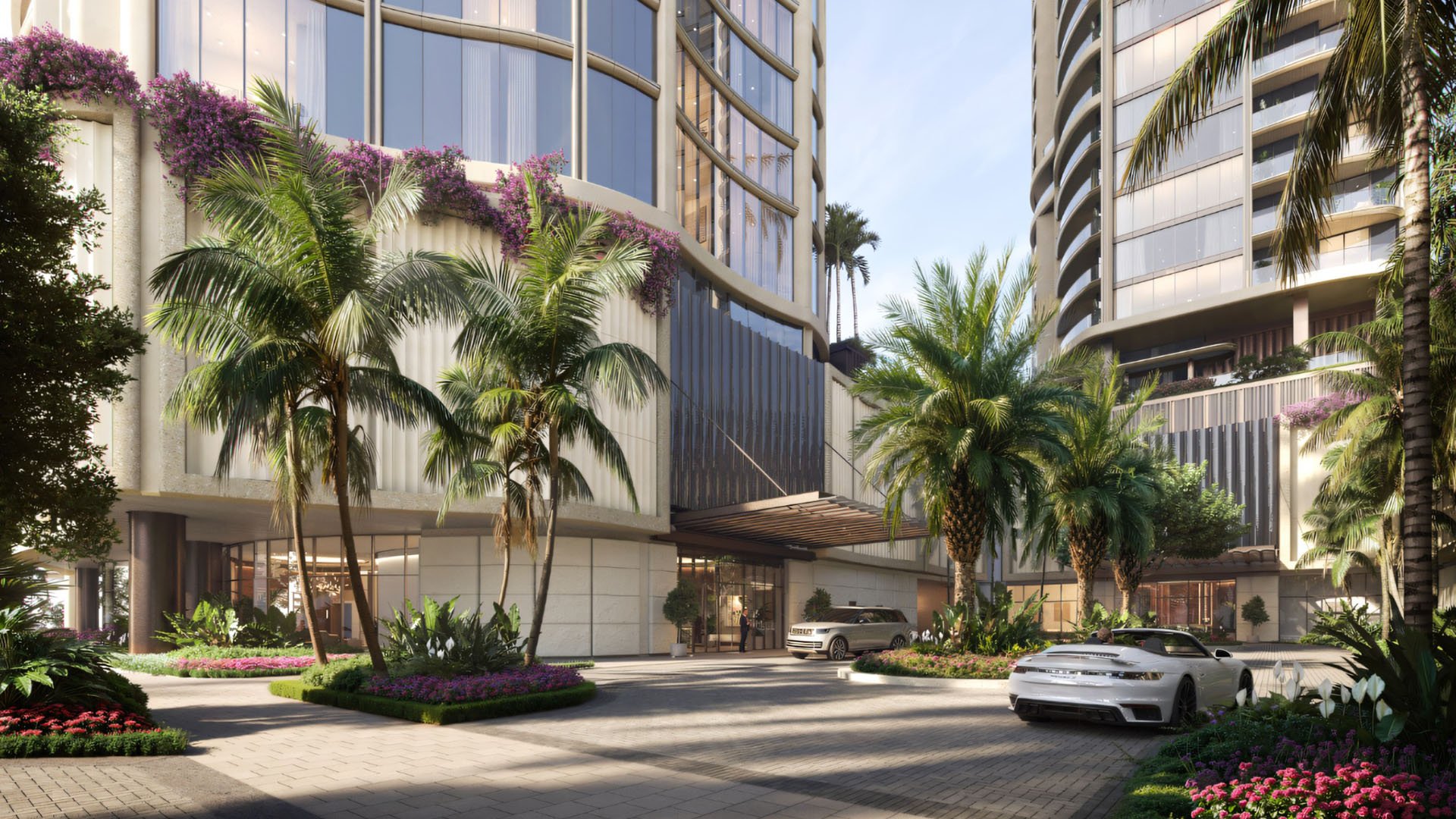
At properties such as Forté on Flagler West Palm Beach, the conversation should also include the choreography of arrival. A gracious entrance is important, but a controlled entrance is essential. The highest standard is one where convenience and control feel seamless rather than oppositional.
Security diligence should happen before contract, not after closing. As part of a buyer’s guide approach, request building rules, association materials where applicable, management descriptions, insurance-related policies, and any available summaries of access procedures. For pre-completion residences, ask what protocols are planned and how they will be governed once residents take occupancy.
The goal is not to obtain confidential operational details. The goal is to evaluate seriousness. Strong buildings tend to answer in systems: roles, permissions, records, escalation, privacy, and review. Weak buildings answer in adjectives.
Buyers should also consider how protocols align with personal lifestyle. A family with frequent guests may prioritize elegant visitor management. A collector may focus on controlled deliveries and freight access. A public figure may require staff discretion and tight information control. A seasonal resident may care most about vacancy monitoring, access revocation, and remote communication.
In West Palm Beach, where luxury buyers increasingly compare design, service, wellness, and location at a high level, building security belongs in the same conversation as floor plan, view, finish, and management quality. It is not a fear-based inquiry. It is a stewardship inquiry: how does this building protect privacy, maintain order, and preserve the quiet confidence that defines true luxury living?
What is the first security question to ask before buying in South Flagler? Ask how access is controlled from the street to the residence, including the lobby, garage, elevators, service areas, and amenity floors.
Should I ask for detailed camera locations? No. Ask about coverage principles, retention, access permissions, and oversight without requesting sensitive operational maps.
How important is concierge training? Very important. Concierge and security functions often overlap, so buyers should understand training, authority, escalation, and overnight coverage.
What should I ask about guest access? Ask whether guests are pre-cleared, announced, escorted, logged, and limited to specific areas or elevator destinations.
Why do vendor protocols matter? Vendors create frequent access events, so screening, insurance requirements, service routes, and after-hours rules should be clearly managed.
Is garage security as important as lobby security? Yes. Parking areas often connect residents, vehicles, staff, storage, and elevators, making them a crucial part of the security plan.
What should seasonal residents prioritize? Seasonal owners should ask about vacancy procedures, remote communication, credential control, access logs, and emergency notifications.
Can a building refuse to share security details? A building may withhold sensitive details, but it should still explain governance, roles, privacy standards, and resident-facing procedures.
Should security affect my offer strategy? Yes. Strong protocols can support confidence, while vague answers may justify additional diligence before committing.
How do I compare security between luxury buildings? Compare access layers, staffing, technology governance, vendor controls, privacy practices, and how clearly management answers questions.
For a confidential assessment and a building-by-building shortlist, connect with MILLION.
If branded residences are on your mind — as a home or as an allocation — we would be glad to share what we are seeing, privately.
Begin a quiet conversation