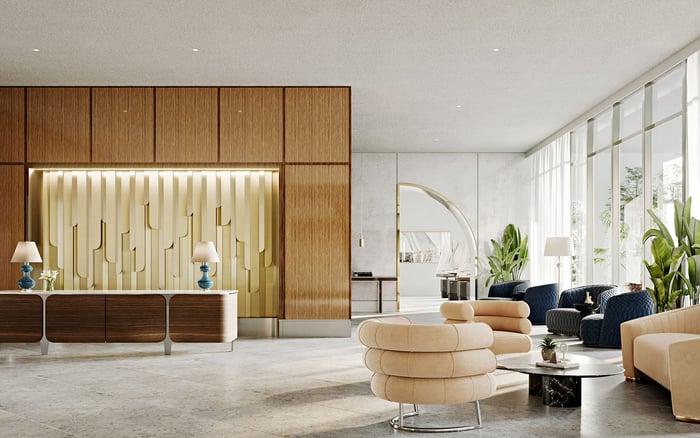
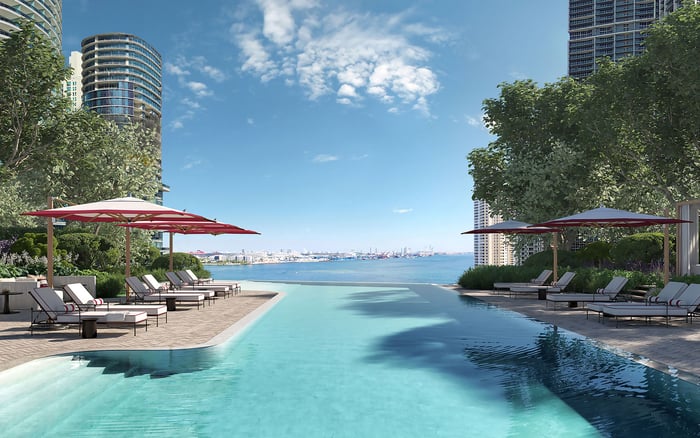
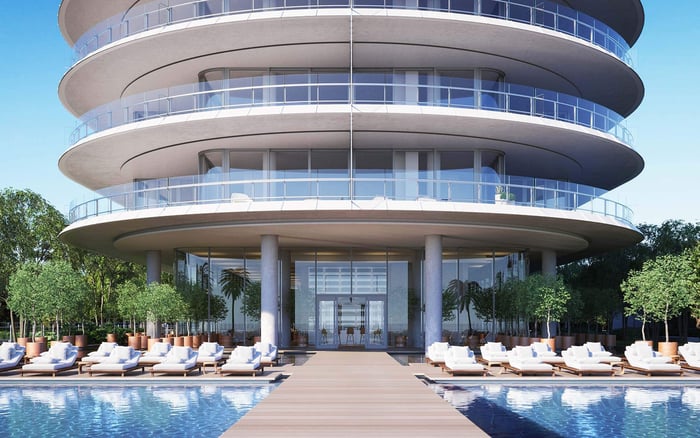
Family-zone planning reframes the lock-and-leave purchase from a simple address decision into a household operating strategy, clarifying which locations, layouts, services, and routines actually reduce friction for South Florida families.
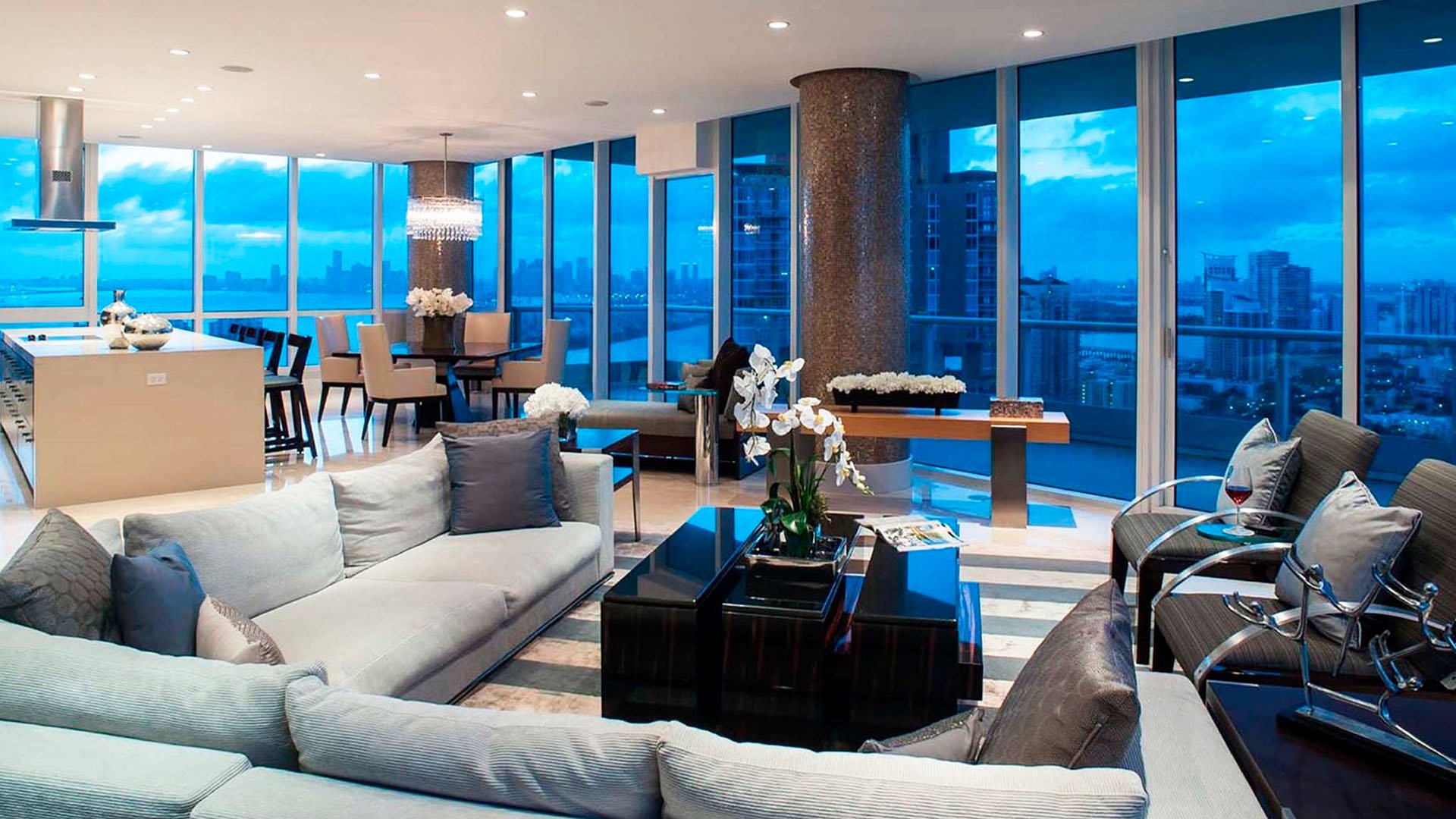
A South Florida lock-and-leave residence is often framed around ease: arrive for the season, close the door when you leave, and allow the building, association, or household team to manage the rest. For families, that definition is too narrow. The real cost is not only the acquisition price, carrying expense, or level of finish. It is the cost of making a home work for children, visiting grandparents, remote work, school calendars, airport days, pets, luggage, sports equipment, and guests without turning every arrival into a logistical exercise.
That is where family-zone planning changes the conversation. Instead of asking whether a residence is simply beautiful, the buyer asks how the home supports the family’s actual zones of life: sleep, study, wellness, dining, beach, school, airport, marina, club, healthcare, and storage. A residence that fits those zones can feel more valuable than a larger home in the wrong place. A residence that ignores them can become expensive in ways that never appear on a purchase contract.
For MILLION readers, this is a Buyer's Guides topic hiding in plain sight. The best lock-and-leave decision is not always the most dramatic skyline view or the most expansive terrace. It is the home that removes friction from the family calendar.
Family-zone planning begins with a map of repeated movement. Where does the family land? Where do children spend weekday time? Where do parents work when they are in residence? Where do guests sleep without disrupting the household? Where do suitcases go after a late flight? Where does the family decompress after the beach, boating, tennis, or dinner?
In a primary home, some inefficiency can be absorbed because everyone adapts over time. In a second home, inefficiency is magnified. The family may arrive for shorter windows, often with higher expectations and less patience for errands. The home must perform immediately.
A well-zoned lock-and-leave residence will usually solve three layers at once. First, the private layer: bedrooms that give children and adults separation. Second, the service layer: valet, package handling, maintenance access, and storage that reduce household labor. Third, the neighborhood layer: proximity to the family’s preferred daily routes. When those layers align, the home feels calm. When they do not, ownership can feel surprisingly heavy.
South Florida buyers often begin with a favorite area, then refine by building. Family-zone planning reverses that order. It asks which version of South Florida life the household is trying to protect.
Brickell can suit families who want urban immediacy, professional access, dining, and a compact daily radius. A residence such as 2200 Brickell belongs in a different family conversation than a beachfront retreat because its value proposition is tied to convenience, vertical living, and quick movement through the city.
Miami Beach may serve a household that prioritizes ocean access, wellness, entertaining, and a more resort-like rhythm. In that context, The Perigon Miami Beach can be considered through the lens of arrival experience, beach routine, guest flow, and how often the family expects to use the water as part of daily life.
Boca Raton, by contrast, often enters the discussion when buyers want a calmer residential cadence, club-oriented living, or a family base with a more suburban feel. Alina Residences Boca Raton should be evaluated not only as a luxury address, but as part of a larger family map that may include schools, grandparents, healthcare, dining, and longer seasonal stays.
None of these choices is inherently superior. Each can be brilliant when matched to the right family pattern, and costly when chosen for the wrong reason.
In lock-and-leave purchasing, buyers frequently compare bedroom counts, view corridors, and finishes. Family-zone planning goes deeper. It studies whether the plan allows people to live in parallel without competing for the same spaces.
A family with younger children may place a premium on secondary bedrooms near the primary suite. A family with teenagers may value greater separation. A household that hosts grandparents may need a guest suite that feels dignified, quiet, and easy to access. A buyer who works from South Florida for part of the year may need a true office, not a bedroom with a desk.
This is where a slightly smaller, better-zoned residence can outperform a larger but less disciplined plan. If the kitchen, family room, terrace, and bedrooms support the household’s natural rhythm, the family may need fewer outside workarounds. If they do not, owners may compensate with additional staff hours, storage units, hotel rooms for guests, or repeated service calls to make the home function.
Move-In Ready homes can be especially attractive when the layout already matches the family’s zones. The caution is that move-in ready should not mean thought-free. A beautiful residence still needs to pass the test of luggage, laundry, food delivery, strollers, golf bags, beach equipment, dog routines, and visiting relatives.
The lock-and-leave promise depends on what happens when the owner is absent. For families, that absence creates a chain of questions. Who receives packages before arrival? How is maintenance coordinated? Can vendors access the residence without disrupting privacy? Is there adequate storage for seasonal items? How quickly can the home be reset between visits?
A building with refined service may reduce the owner’s need for a separate layer of personal management. A building with limited systems may shift more of that responsibility back to the family. The monthly cost is only one part of the equation. The more important question is whether the service model prevents unnecessary decisions.
In Coconut Grove, for instance, buyers considering Four Seasons Residences Coconut Grove may frame the discussion around privacy, greenery, family pace, and the practical benefit of a managed residential environment. The planning question is not only what the home offers on paper, but whether the family can arrive, settle, and leave without rebuilding the household each time.
Traditional value analysis might compare price per square foot, view, floor height, and amenity depth. Family-zone planning adds a more personal calculation: how much friction does this home remove?
A well-chosen lock-and-leave residence can reduce duplicate expenses. It may limit the need for extra storage, simplify guest accommodations, shorten drives, or make short visits feel worthwhile. It may also preserve family time, which is often the scarcest luxury in South Florida’s high-net-worth households.
The opposite is also true. A residence that looks efficient financially can become expensive if it forces the family to outsource comfort. Repeated hotel nights for overflow guests, long drives to daily activities, awkward bedroom arrangements, and insufficient storage all create a shadow budget. These costs may be discretionary, but they are real.
For families, the best purchase is often the one that creates the fewest compromises during peak-use moments: the first night of arrival, the morning after guests arrive, a rainy afternoon with children indoors, a holiday week, or the departure day when the home must be secured quickly.
Before committing to a South Florida lock-and-leave home, families should walk through a complete week in residence. Not an idealized week, but the actual one: flight arrival, schoolwork, business calls, beach time, dinner plans, grandparents, pets, groceries, laundry, and departure.
Ask whether every person has a natural place to sleep, work, dress, and retreat. Ask where bulky items live. Ask whether guests can stay without taking over the household. Ask what happens when one parent is working and the other is hosting children. Ask how the residence performs when the weather keeps everyone inside.
Then study the building’s operating rhythm. The most elegant lobby is less important than predictable access, responsive management, secure deliveries, and the ability to maintain the home while absent. The true luxury is not only design. It is continuity.
What is family-zone planning in luxury real estate? It is the practice of matching a home’s location, layout, and services to the way a family actually lives during each visit.
Why does it matter more for a lock-and-leave home? Shorter stays magnify inefficiency, so the residence needs to function immediately without extensive setup each time.
Is the lowest carrying cost always the best value? Not necessarily. A home with higher carrying costs may be more efficient if it reduces staffing, storage, travel, or guest-related friction.
How should families compare Brickell and Miami Beach? Brickell often suits urban convenience, while Miami Beach may better serve ocean-oriented routines and resort-style family time.
Can Boca Raton work as a lock-and-leave market? Yes, especially for families seeking a calmer residential cadence, longer stays, and a broader lifestyle radius.
What layout features matter most for families? Separation between bedrooms, a real work area, guest privacy, storage, and flexible living space are usually critical.
Should buyers prioritize amenities or services? Services often matter more because they determine how easily the home operates when the owner is away.
Does a larger residence always solve family needs? No. A smaller home with better zoning can outperform a larger plan that forces daily compromises.
How can buyers test a residence before purchasing? Walk through a real arrival-to-departure scenario and identify where luggage, guests, work, children, and routines will go.
What is the best sign a lock-and-leave home is well chosen? The family arrives and immediately lives well, without needing to solve the same operational problems every visit.
For a confidential assessment and a building-by-building shortlist, connect with MILLION.
If branded residences are on your mind — as a home or as an allocation — we would be glad to share what we are seeing, privately.
Begin a quiet conversation