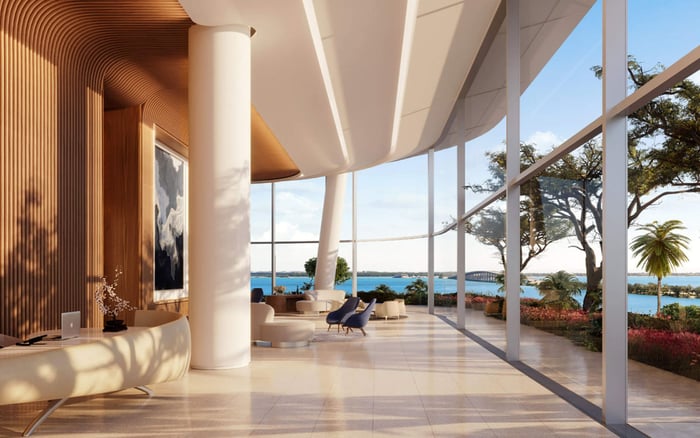
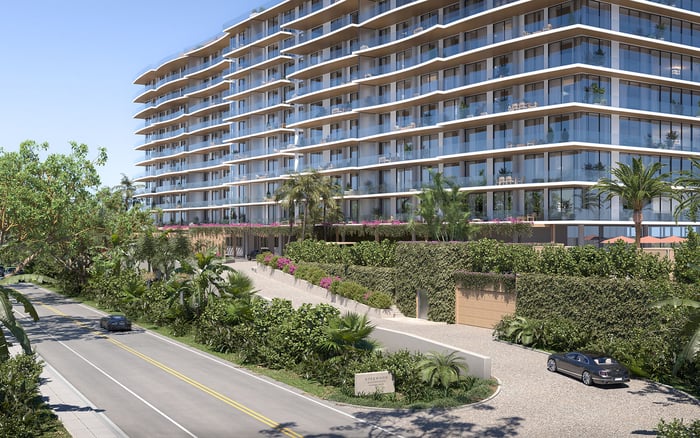
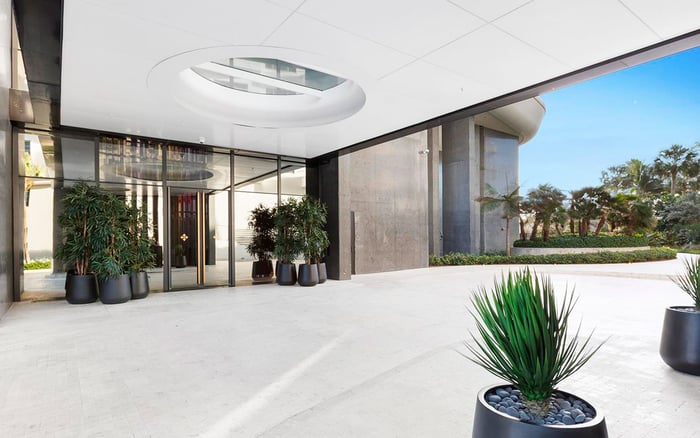
For South Florida private-club members, the stronger residential experience is not always the grandest one. The more relevant question is whether a home should support formal hosting, quiet daily life, or a calibrated blend of both.
.jpg)
For South Florida’s private-club member, the purchase decision rarely begins with square footage alone. It begins with rhythm. Some owners want the sense of arrival that comes with polished hospitality: a staffed lobby, valet choreography, guest recognition, and the reassuring cadence of a hotel-trained environment. Others want service that nearly disappears, where privacy is protected, routines are remembered quietly, and the residence feels less like a stage than a sanctuary.
Neither preference is inherently superior. The right answer depends on how the owner lives. A member who hosts board dinners, family holidays, visiting friends, and club-adjacent weekends may value formal hospitality as part of the residence’s social architecture. A member who already has access to dining rooms, locker rooms, golf staff, beach attendants, and reciprocal club life may prefer home to be intentionally quieter.
That distinction is becoming central across lifestyle-driven buying in Miami Beach, Brickell, Fort Lauderdale, Boca Raton, and beyond. Service is no longer just an amenity. It is the emotional temperature of the building.
Formal hospitality matters most when the residence functions as an extension of a social life. For owners who entertain often, arrival is part of the evening. A poised front desk, valet presence, guest handling, elevator protocol, and well-managed common areas can remove friction before anyone reaches the front door. The experience feels especially relevant in Branded Residences, where buyers often expect a recognizable service language rather than an improvised building culture.
In Miami Beach, that expectation can align naturally with residences where the address itself carries a hospitality sensibility. A buyer considering The Ritz-Carlton Residences® Miami Beach may be thinking as much about the feeling of being received as about the residence plan. The value is not theatrical excess. It is consistency: the knowledge that guests are handled elegantly, packages do not become a household management problem, and the building understands the difference between attentive and intrusive.
Brickell offers a different version of the same idea. There, formal hospitality often supports a life that moves between finance, dining, travel, and high-frequency entertaining. At St. Regis® Residences Brickell, the appeal for many buyers is not simply a brand name. It is the promise of protocol, refinement, and a service culture that can support a polished urban schedule.
Formal service is particularly persuasive for owners who split time between homes. When an owner arrives after weeks away, the residence should not require reassembly. The best hospitality-led buildings create continuity: the car is received, the home is accessed smoothly, and the owner returns to a functioning private world.
For many private-club members, however, the highest form of service is not visible ceremony. It is restraint. These buyers may already enjoy abundant hospitality through clubs, travel, yachts, restaurants, and resorts. At home, they want silence, recognition without familiarity, and assistance without performance.
Quiet service is especially important for full-time residents. The owner who leaves early, returns late, manages family schedules, hosts grandchildren, or values domestic privacy may not want every entrance to feel like a formal arrival. In this context, the best staff culture is observant and discreet. It anticipates needs without turning daily life into a public-facing ritual.
Fort Lauderdale buyers often understand this balance well, particularly when waterfront life and boating routines shape the day. At Four Seasons Hotel & Private Residences Fort Lauderdale, the service question becomes nuanced: how much of the hospitality environment should be part of everyday residential life, and how carefully can it be tailored to owners who want both ease and privacy?
In Boca Raton, the calculus can be more residential still. Owners may be deeply connected to club communities, schools, family networks, and seasonal gatherings, yet prefer the residence itself to feel composed and private. A project such as The Residences at Mandarin Oriental Boca Raton sits within that broader question of how branded service can remain gracious without overwhelming the home’s quieter purpose.
Quiet service becomes essential when privacy is part of the asset. It is not merely about who can access the building. It is about whether staff understand discretion as a daily discipline.
The most useful way to choose is to ask where the owner wants ceremony to happen. If ceremony belongs at the club, the residence should likely emphasize calm, privacy, and seamless domestic support. If ceremony belongs at home, formal hospitality may be worth prioritizing.
There is also a guest question. Some owners want guests to feel they have arrived somewhere important. Others want guests to feel they have entered a private home, not a managed environment. The distinction is subtle, but it affects everything from lobby scale to staff posture.
For Fisher Island buyers, the question can become even more refined because privacy and club life are often closely intertwined. At The Residences at Six Fisher Island, the conversation is less about choosing public glamour or domestic quiet in isolation, and more about calibrating the boundary between both.
The best residences do not force a binary. They allow owners to dial service up or down depending on the occasion.
A buyer should study more than the amenity renderings. Walk the arrival sequence in your mind. Where does the car stop? Who sees the guest? How is the elevator accessed? Can staff help without becoming part of the social scene? Does the building feel prepared for entertaining, daily privacy, or both?
Then consider the calendar. A seasonal owner may prize formal hospitality because it compresses the work of arrival and hosting. A full-time owner may prioritize staff discretion because small daily interactions compound over years. A frequent host may need a building that handles guests with grace. A member whose social life is already club-centered may prefer the residence to be the one place that never asks for performance.
In the end, formal hospitality is about polish. Quiet residential service is about peace. The rarest South Florida buildings understand that true luxury is knowing which one the owner needs before the owner has to ask.
What is formal hospitality in a private residence? It is a service style with visible polish, including gracious arrivals, guest handling, concierge presence, and a more hotel-like rhythm.
What is quiet residential service? It is discreet support that protects privacy, remembers routines, and reduces friction without making daily life feel performed.
Which service model is better for private-club members? It depends on whether the residence is meant to extend social life or provide a retreat from it.
Does a branded residence always mean formal hospitality? Not always. Some Branded Residences emphasize ceremony, while others interpret service through discretion and residential calm.
Why does this matter in South Florida? Many owners move between clubs, boats, restaurants, travel, and multiple homes, so service rhythm affects daily quality of life.
Should seasonal owners prioritize formal service? Often, yes, because formal service can make arrivals, departures, hosting, and household transitions feel more seamless.
Should full-time residents prioritize quiet service? Many do, since privacy, consistency, and low-friction daily routines become more valuable over time.
How can buyers evaluate service before purchasing? Study the arrival sequence, lobby culture, staffing posture, elevator privacy, guest flow, and how naturally the building handles requests.
Can one residence offer both service styles? The strongest buildings can, allowing owners to enjoy formal hospitality when hosting and quieter support during ordinary days.
What should private-club members ask first? Ask whether home should feel like an extension of the club or the place where club life finally becomes private.
For a confidential assessment and a building-by-building shortlist, connect with MILLION.
If branded residences are on your mind — as a home or as an allocation — we would be glad to share what we are seeing, privately.
Begin a quiet conversation