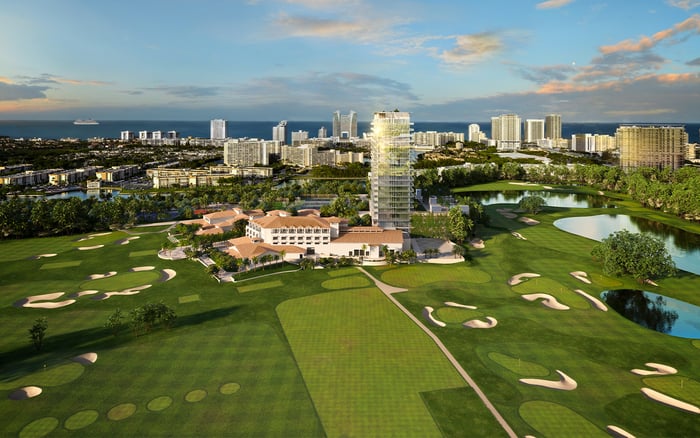
A buyer-focused look at how 2000 Ocean’s oceanfront setting, boutique scale, open plans, terraces, and privacy considerations shape extended family stays in Hallandale Beach.
At 2000 Ocean Hallandale Beach, the guest strategy starts with geography. The tower sits directly on the shoreline in Hallandale Beach, east of Ocean Drive, with direct beach frontage and principal residential exposures oriented toward unobstructed Atlantic Ocean views. For buyers expecting parents, adult children, grandchildren, or long-stay friends to rotate through the residence, that setting changes how the home functions.
This is not simply about having extra bedrooms. It is about daily rhythm. Morning walks, sunrise coffee, beach routines, pool time, quiet afternoons, and multigenerational dinners all need to work without turning the residence into a private hotel. The strongest extended-stay plans treat the apartment, terrace, beach access, and shared amenities as one connected guest environment.
Oceanfront living can make hosting feel effortless, but only when the logistics are intentional. The best hosts think through arrivals, sleeping assignments, elevator timing, beach gear, dining patterns, and downtime before the first suitcase arrives.
The primary advantage at 2000 Ocean is the clarity of its setting. Oceanfront frontage gives visiting family members an immediate anchor: the beach is the central amenity, the Atlantic view is the daily backdrop, and sunrise becomes the natural gathering hour. That is especially valuable for extended stays, when guests need routines that do not depend on constant driving or formal entertainment.
Because the immediate environment is more residential and oceanfront than retail-heavy, family members may rely heavily on the building’s pools, lounges, gardens, social spaces, and beach routine. For the right buyer, that is not a drawback. It simply means the residence should be evaluated as a self-contained host platform rather than a pied-à-terre used between restaurant reservations.
A family comparing 2000 Ocean with other coastal addresses may also look south to 57 Ocean Miami Beach or north toward Sunny Isles options such as Armani Casa Sunny Isles Beach. The key distinction for 2000 Ocean is the combination of Hallandale Beach calm, direct shoreline positioning, and a more boutique residential feel.
Boutique scale matters during holidays. A smaller, more slender condominium environment can reduce pressure on shared spaces compared with larger high-density tower settings, although no buyer should assume any building will be quiet during peak season. The more useful point is strategic: fewer residences can make the building feel more manageable for extended family stays when multiple generations are moving between the lobby, pool, beach, and residence.
Boutique is not just an aesthetic term here. It affects how guests experience arrival, circulation, and the transition from public to private space. Grandparents may prefer a quieter routine. Teenagers may need independence without feeling disconnected. Adult children may want privacy while still participating in meals and beach plans. A building that feels legible and residential can help those groups operate comfortably.
For buyers also considering newer Hallandale lifestyle environments, Shell Bay by Auberge Hallandale may enter the conversation. The sharper question is not which address has the longest amenity narrative, but which one supports the actual household pattern: long weekends, winter stays, school breaks, or months of intergenerational occupancy.
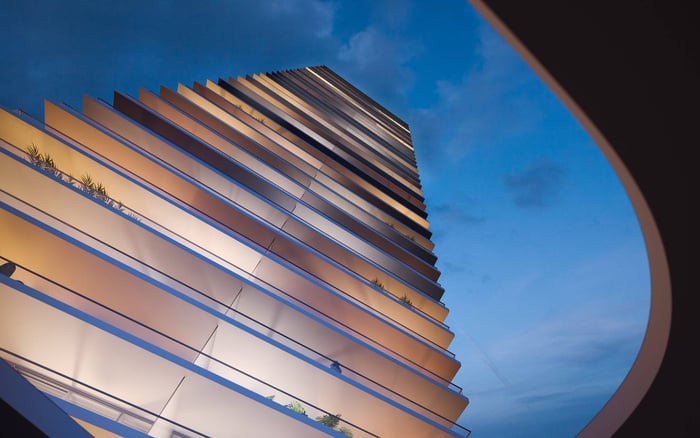
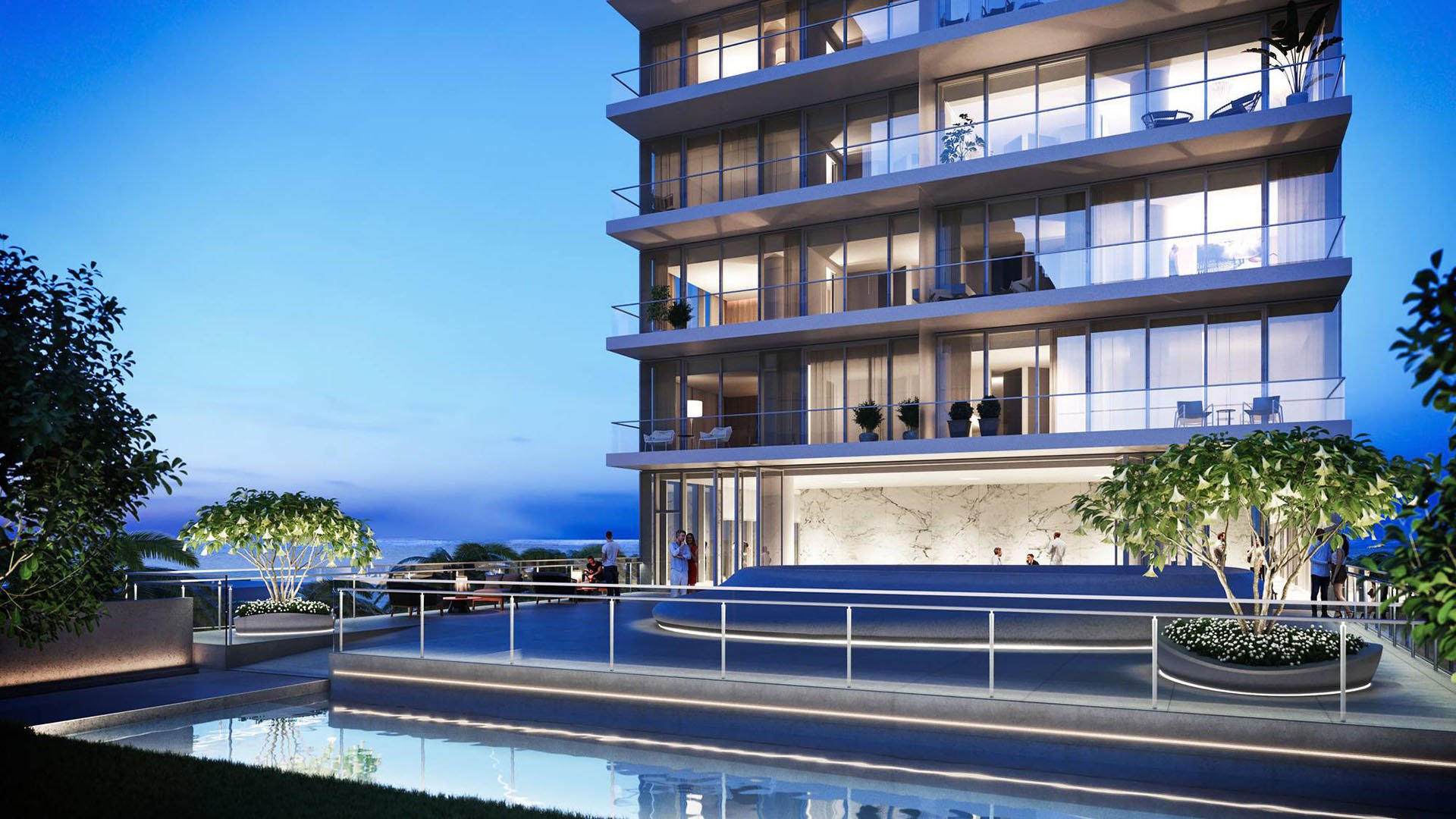
The glass-forward modernist language at 2000 Ocean is central to its guest appeal. Deep balconies, large sliding glass panels, and open-plan interiors expand the social zone and pull the Atlantic view into daily life. For family hosts, the great room becomes the emotional center: breakfast station, conversation lounge, holiday dining room, children’s activity area, and sunset wind-down space.
Open plans work especially well when several generations want to gather without feeling confined. A compartmentalized apartment can make a holiday week feel fragmented. A generous living, dining, and kitchen zone lets the family stay visually connected while doing different things.
Yet transparency has a cost. Sound travels. Morning people and late sleepers collide. A host who relies entirely on openness may discover that the most beautiful room is also the least forgiving. The solution is not to reject open living, but to assign quiet zones in advance. One bedroom may become the early-child nap zone. A balcony corner may serve as the reading area. A den-like area, if present in a particular residence, should be protected from overflow.
Terrace use also needs structure. The terrace can become the best room in the residence, especially at sunrise, but it should not become the only place where guests can retreat. Buyers should study depth, access points, furniture plans, wind exposure, and how terrace circulation interacts with bedrooms and the great room.
For extended family stays, bedrooms should be evaluated less by count and more by hierarchy. At 2000 Ocean, layouts are characterized by bedrooms distributed along the perimeter, often with en-suite bathrooms and terrace access. That arrangement can support privacy because guests are not all stacked off a single interior hallway.
The strongest assignment strategy begins with sleep habits rather than family rank. Older guests may need the quietest room and easiest bathroom access. Parents with young children may need adjacency more than view. Adult couples may prefer separation from the main gathering area. Teenagers may accept a smaller sleeping zone if they have a clear routine for pool, beach, and device time.
En-suite bathrooms are critical in this context because they reduce friction. During a long stay, privacy is not defined by luxury finishes alone. It is defined by whether guests can wake, shower, dress, and step onto a terrace without negotiating every movement with the entire household.
A strong guest strategy also accounts for arrival logistics. Visiting relatives need to know where to be dropped, how luggage moves, when the host expects them, and how quickly they can settle in. The more elegant the residence, the more disruptive a chaotic arrival can feel.
Hallandale Beach gives 2000 Ocean a useful regional position. The property is within driving distance of Aventura, Bal Harbour, Sunny Isles, and Hollywood-area amenities, while still reading as a residential oceanfront setting rather than a dense retail district. That works well for family hosting if the host plans transportation realistically.
Not every guest will want the same day. One group may want Bal Harbour shopping and lunch. Another may prefer Aventura errands. Others may stay at the beach all day. The host who builds a flexible car and ride plan will preserve the calm of the residence. Buyers comparing urban convenience with quieter coastal hosting may also study 2200 Brickell as a very different model, where the family rhythm would be shaped by a more city-forward environment.
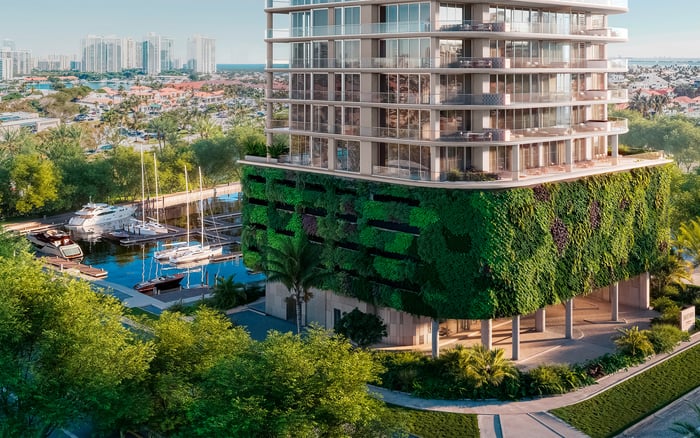
For a buyer expecting extended family use, amenity capacity should be treated as core infrastructure. Pools, lounges, gardens, and social spaces are not secondary lifestyle perks when relatives are staying for two weeks. They are pressure valves.
The practical questions are direct. Can guests spread out without monopolizing the residence? Is there a natural place for younger family members to gather outside the great room? Do older guests have comfortable shaded areas? How does the building feel during peak seasonal periods? Are beach routines easy enough to repeat daily?
A beautiful apartment can underperform if every guest activity depends on the host. The goal is to create a house-like rhythm inside a vertical oceanfront setting, where guests can move between private rooms, shared living space, terrace, beach, and amenities with confidence.
Is 2000 Ocean suitable for extended family stays? Yes, its oceanfront setting, open-plan living areas, terraces, and privacy-oriented bedroom distribution can support longer visits when planned carefully.
What makes the location useful for guests? The tower sits directly along the shoreline in Hallandale Beach, so beach access and Atlantic views become part of the daily guest routine.
Does boutique scale matter for families? Yes, boutique scale can make circulation and amenity use feel more manageable, especially during holidays and seasonal visits.
How should buyers think about bedrooms? Buyers should study privacy, en-suite access, terrace access, and separation from the main great room rather than focusing only on bedroom count.
Are open-plan interiors always ideal for hosting? Open plans help families gather comfortably, but hosts should create quiet zones and routines to reduce noise and privacy conflicts.
Why is the terrace important? A terrace extends the social space, frames the ocean view, and can become a preferred sunrise gathering area for visiting relatives.
Will guests need a car? Many guests may rely on cars or rides for Aventura, Bal Harbour, Sunny Isles, and Hollywood-area outings beyond the beach routine.
How should amenities be evaluated? Treat pools, lounges, gardens, and social spaces as guest infrastructure that relieves pressure on the private residence.
What is the main hosting risk? The main risk is assuming beauty solves logistics; arrivals, sleeping plans, beach routines, and downtime should be organized in advance.
Who is the ideal buyer profile? The ideal buyer wants an oceanfront residence that can function as a calm, design-forward family base for seasonal and holiday stays.
For a tailored shortlist and next-step guidance, connect with MILLION.
If branded residences are on your mind — as a home or as an allocation — we would be glad to share what we are seeing, privately.
Begin a quiet conversation