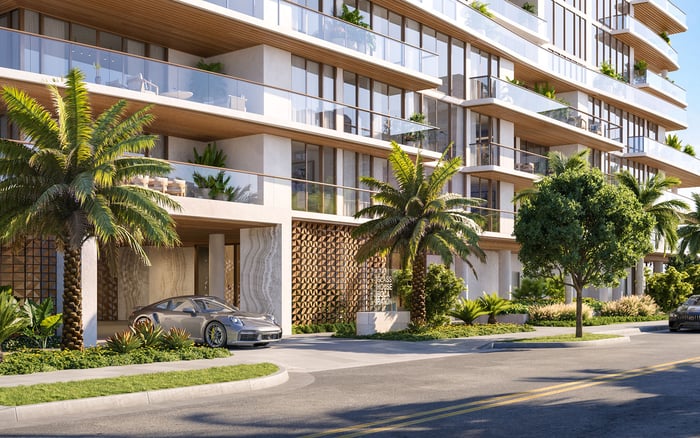
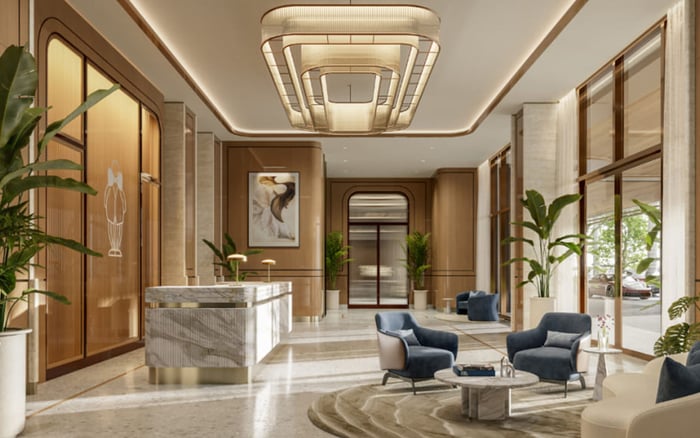
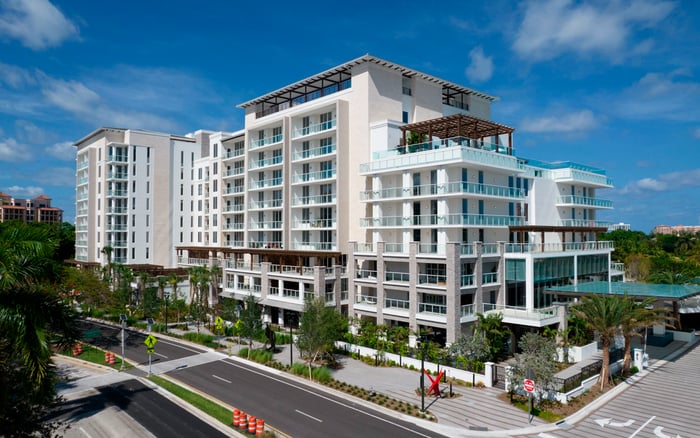
A buyer-focused editorial analysis of how an art-branded Wynwood residential concept and Glass House Boca Raton can suggest different expectations for privacy, access control, resident anonymity, and guest screening in South Florida luxury buildings.
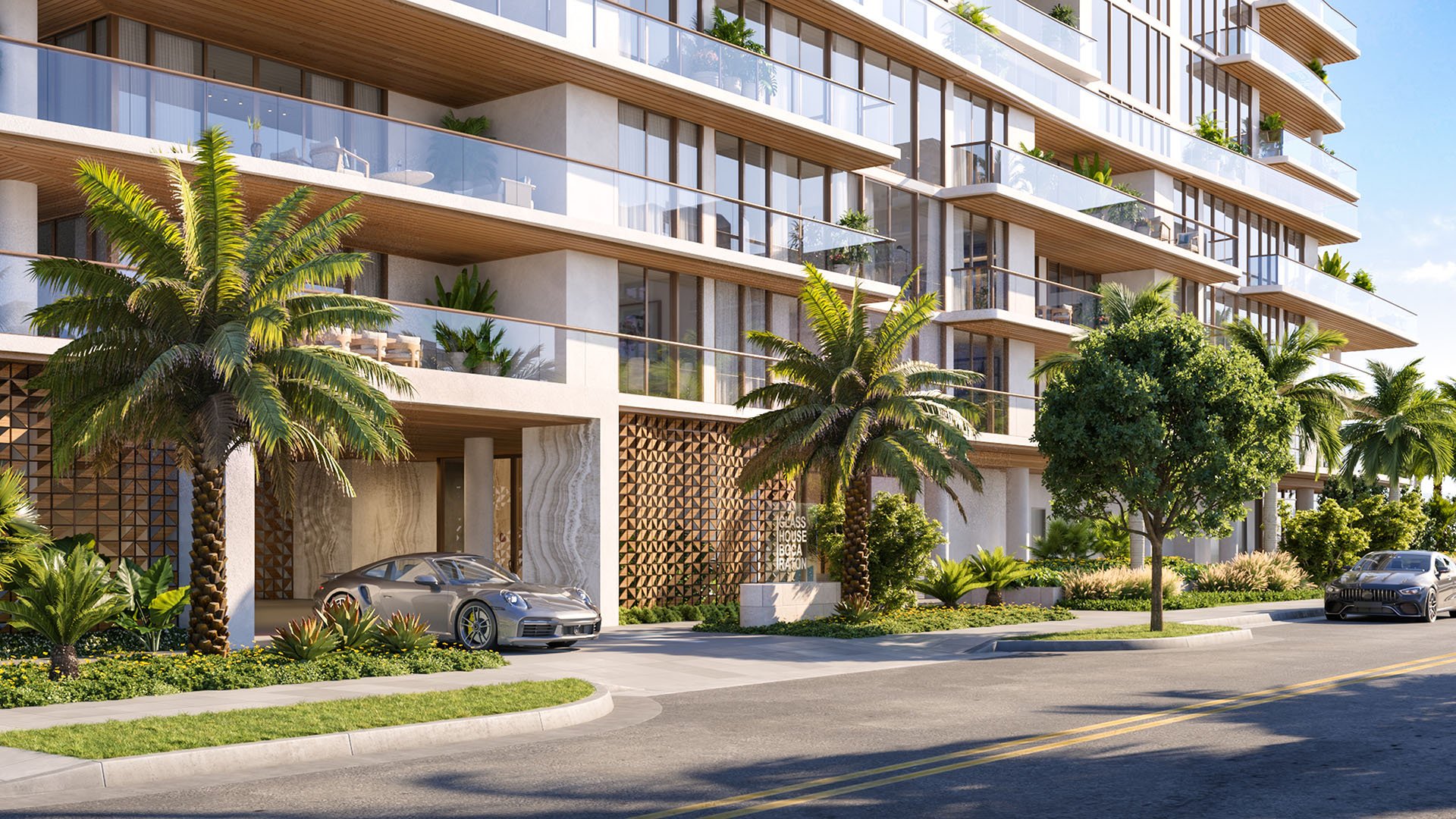
In South Florida luxury real estate, privacy is no longer defined only by floor height, tinted glass, or a discreet elevator ride. It is also a cultural promise. The same access technology can feel gracious in one building, ceremonial in another, and intrusive in a third. What changes is not just the hardware, but the social contract governing how residents, guests, vendors, and staff are expected to move.
That distinction is central when comparing an art-branded Wynwood residential idea such as Frida Kahlo Wynwood Residences with Glass House Boca Raton. The Wynwood side of the comparison suggests visibility, creative energy, and a more public urban rhythm. The Boca Raton side suggests discretion, quieter expectations, and controlled access as luxury values in their own right.
For buyers comparing Wynwood with Boca Raton, the question is not simply which address sounds more private. The sharper question is how the building’s culture will shape the way security is staffed, configured, explained, and enforced.
Wynwood carries an inherently public sensibility. Its identity is tied to art, restaurants, evening traffic, and a social atmosphere where buildings can become part of a broader neighborhood performance. In that context, a Frida Kahlo Wynwood Residences concept should be read carefully as an art-branded residential premise, not as a basis for assuming undisclosed systems, policies, or operating details.
That does not mean a Wynwood building would lack privacy. It means privacy may need to be delivered within a setting that anticipates movement. Guests may be more frequent, lobby activity may feel more social, and amenity areas may carry a hospitality tone. In buildings shaped by that culture, the strongest privacy systems preserve resident comfort without flattening the energy that made the location appealing.
Boca Raton suggests a different cultural grammar. The relevant privacy lens is broader than the residence itself. It extends to lobby activity, elevator access, amenity-space use, service-provider movement, and the everyday choreography of who is seen, when, and by whom.
Luxury buyers often ask about cameras, access control, elevator protocols, and visitor systems. Those questions matter, but exact project-specific technical details should not be inferred when they have not been publicly disclosed. A better first question is cultural: what kind of resident experience is the building trying to protect?
In a hospitality-oriented urban property, access tools may be configured to support ease, welcome, and social flow. In a discretion-oriented building, those same categories of tools may be experienced as a stronger filter. One model is not inherently safer than the other. Enforcement simply feels different when the building’s identity prizes anonymity over activation.
Boutique luxury can make this distinction more visible because fewer shared spaces and a tighter resident culture can change how access is perceived. Guest arrival may feel more formal. Vendor movement may be expected to follow clearer channels. Amenity spaces may be treated less like extensions of a public lifestyle and more like private rooms shared among residents and invited guests.
Guest screening is often discussed as a security feature, but in high-end buildings it also signals social boundaries. A building that casually absorbs a constant flow of visitors sends one message. A building that expects residents to pre-authorize, identify, and manage guest movement sends another. Neither model is universally superior. Each serves a different lifestyle.
In a Wynwood-like setting, guest screening may need to balance privacy with spontaneity. Dinner plans, art events, visiting friends, stylists, and nightlife schedules can make a building feel connected to the city. A too-rigid experience could undermine the buyer’s reason for choosing that location. A too-loose experience could compromise the sense of refuge expected at the luxury level.
In the Boca Raton side of the comparison, guest screening is more likely to be valued when it is formal, resident-driven, and discretion-focused. Buyers in that environment may expect fewer unknown faces, quieter arrivals, and less ambiguity around who belongs in the lobby, elevator corridor, amenity suite, or service path.
Glass-forward architecture creates an interesting privacy paradox. It suggests light, openness, and visual ease, yet the luxury buyer still expects control. The buyer may want luminous interiors and a connection to place without accepting unnecessary visibility in the daily life of the building.
This is where culture becomes as meaningful as design. A lobby can be beautiful and still feel too public. A terrace can be expansive and still feel exposed if adjacent activity is poorly managed. An amenity level can be elegant and still feel compromised if guest behavior is not aligned with resident expectations. For the privacy-oriented buyer, the most important questions are often about management tone: how access is handled, how staff communicates boundaries, and whether the community norm favors discretion.
For buyers, the comparison should begin with lifestyle honesty. If the appeal is creative density, art-world adjacency, and the prestige of a more visible Miami district, a Wynwood residential concept may align beautifully. The privacy expectation should be calibrated to an urban, socially active environment. The building must protect the residence without pretending the neighborhood is private by nature.
If the appeal is calm, predictability, and a more residential form of luxury, Glass House Boca Raton offers a useful reference point for Boca Raton privacy expectations. The emphasis is less on spectacle and more on controlled arrival, quieter common areas, and a sense that the building is primarily for residents rather than an audience.
The practical due diligence is straightforward. Ask how visitors are received. Ask how amenity access is governed. Ask how service providers move. Ask whether the lobby is meant to function as a social room or a discreet threshold. Ask how resident preferences are recorded and respected. Above all, separate the existence of security technology from the experience of living with it.
The next generation of South Florida luxury is not moving toward total seclusion or total openness. It is moving toward managed visibility. Some residents want to be near the cultural current, but not consumed by it. Others want architectural transparency, but not social exposure. The best buildings will understand the difference.
Frida Kahlo Wynwood Residences, as an art-branded Wynwood counterpoint, and Glass House Boca Raton, as a Boca Raton reference, frame two sides of the same issue. Security is not simply a product specification. It is a lived atmosphere shaped by staff, residents, neighborhood, architecture, and expectation.
For the ultra-premium buyer, that atmosphere may be the real amenity. It determines whether home feels like a stage, a salon, a retreat, or a sanctuary.
Is Frida Kahlo Wynwood Residences a confirmed project? This article treats it as an art-branded Wynwood residential concept for comparison and does not assume undisclosed project details.
What is Glass House Boca Raton in this comparison? It is used as a Boca Raton luxury residential reference point for discussing privacy expectations, access culture, and guest screening.
Why compare Wynwood and Boca Raton? They suggest different residential cultures: Wynwood feels more visible and social, while Boca Raton often appeals to buyers seeking discretion and calm.
Does this article confirm specific security systems? No. Exact cameras, elevator controls, access platforms, or staffing protocols should not be assumed unless a buyer verifies them directly.
Why does building culture matter for privacy? Culture influences how staff enforce access, how residents use shared spaces, and how comfortable the building feels day to day.
Is a more social building less secure? Not necessarily. A social building can still use strong controls, but the resident experience may feel more open and hospitality-driven.
What should privacy-focused buyers ask first? Ask how guests, vendors, amenity access, lobby presence, and resident preferences are handled in daily operations.
Why is boutique scale relevant? Boutique scale can make access culture feel more personal because residents, staff, and recurring service patterns may be easier to recognize.
Can ultra-modern architecture still feel private? Yes. Privacy depends on the management of visibility, access, and circulation, not only on architectural style.
What is the best way to shortlist comparable options for touring? Start with location fit, delivery status, and daily lifestyle priorities, then compare stacks and elevations to validate views and privacy.
For a discreet conversation and a curated building-by-building shortlist, connect with MILLION.
If branded residences are on your mind — as a home or as an allocation — we would be glad to share what we are seeing, privately.
Begin a quiet conversation