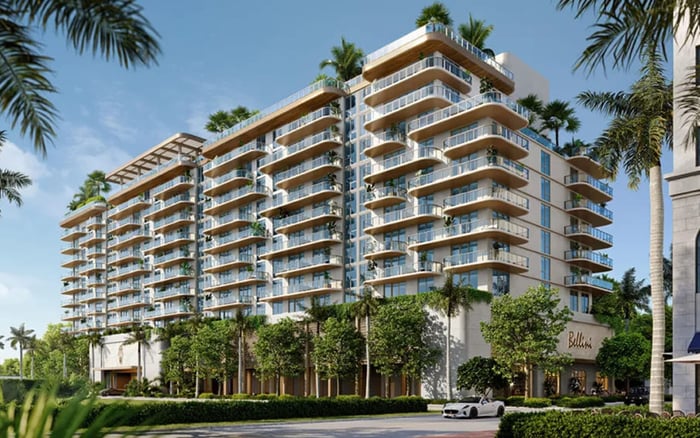
A discreet buyer’s guide to service elevator availability in Boca Raton luxury residences, including reservations, delivery rules, staffing, access paths, renovation logistics, and daily privacy considerations.
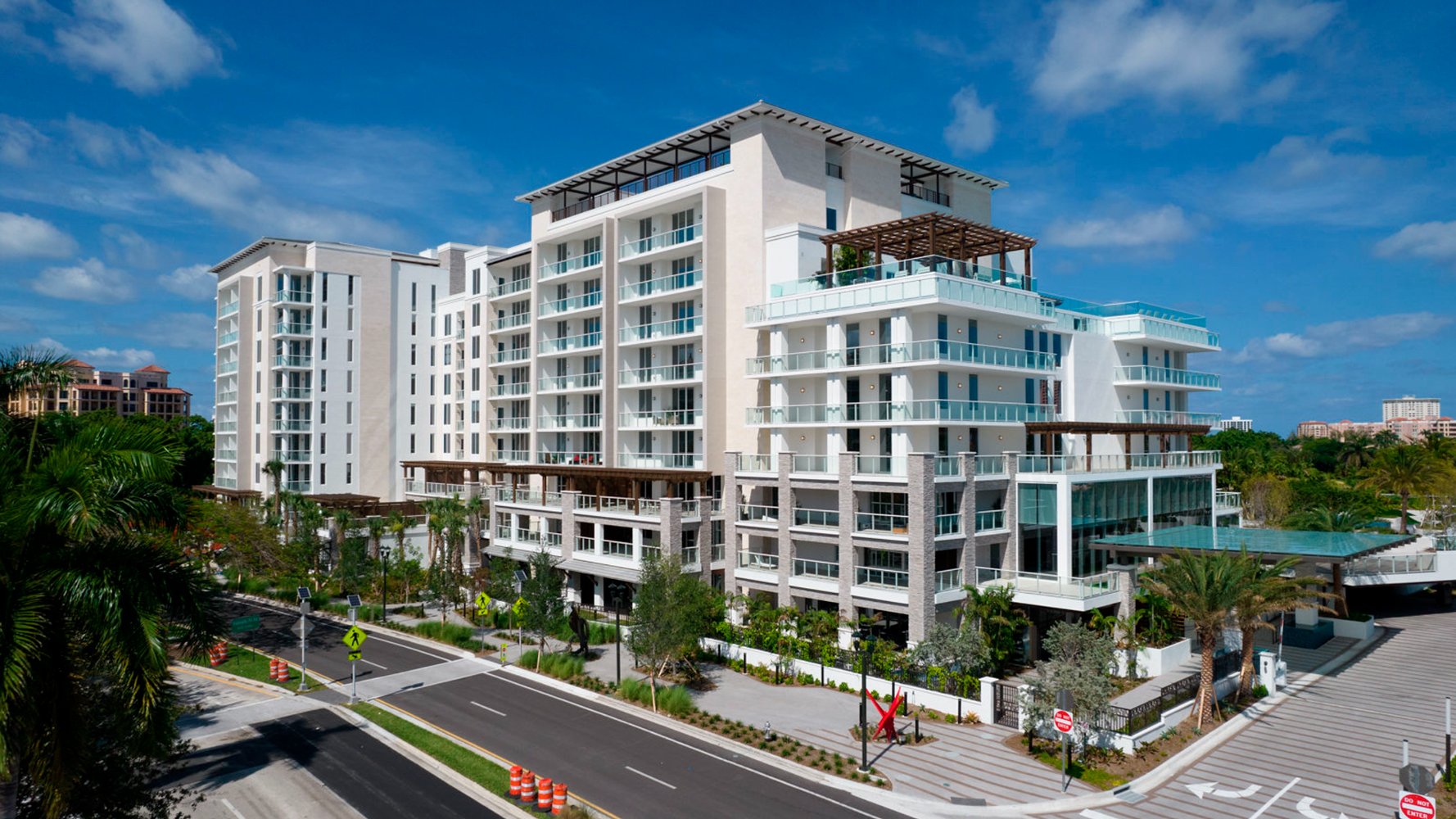
In luxury real estate, service elevator availability is not a back-of-house detail. It is a daily quality-of-life issue that affects privacy, staff access, deliveries, art installation, renovation planning, move-in timing, and the quiet choreography of a well-run residence. In Boca Raton, where buyers often compare condominium living with single-family privacy, the service elevator can mark the difference between a graceful arrival and an operational compromise.
The question is not simply whether a building has a service elevator. The more useful question is how that elevator is controlled, scheduled, protected, staffed, and prioritized. Two residences may appear similar on paper, yet function very differently when a designer is bringing in furniture, a chef is receiving provisions, or a contractor needs access during a tightly managed renovation window.
For buyers considering Alina Residences Boca Raton or other high-service Boca addresses, the most valuable inquiry begins before contract. Ask to review the building’s rules, move-in procedures, delivery protocols, and any written policies governing elevator use. A polished sales presentation can be useful, but written operating standards reveal how the building functions day to day.
Begin with the basic configuration. Is there a dedicated service elevator, or is a passenger elevator converted for deliveries and staff activity at certain times? If there is a dedicated service elevator, does it serve every residential floor, garage level, loading area, amenity floor, and back-of-house corridor relevant to the unit?
Then ask how reservations work. A luxury buyer should know whether the elevator can be reserved exclusively for move-ins, furniture deliveries, artwork, large appliances, contractor use, or estate staff. If reservations are required, ask how far in advance they may be booked, who approves them, and whether owners can secure multiple consecutive windows for larger installations.
Also ask about priority. If two owners request the same time, does the building follow first-come scheduling, management discretion, emergency priority, or a fixed policy? Clear rules matter because ambiguity often becomes inconvenience at the worst possible moment.
A service elevator should be evaluated against the way you intend to live. Ask for cab dimensions, door width, interior height, weight capacity, and turn clearances between the loading area and the residence. A sectional sofa, long dining table, sculpture, chandelier crate, wine storage component, or oversized primary bedroom piece can create issues if the path is tight.
The route matters as much as the cab. Confirm the path from loading zone to elevator, from elevator to corridor, and from corridor to residence entry. Ask whether there are steps, narrow turns, protected thresholds, low ceilings, fire doors, or decorative wall finishes that affect movement. A residence may have generous interiors while the service route remains constrained.
At a more intimate building such as Glass House Boca Raton, buyers may be especially focused on the balance between boutique privacy and operational ease. Smaller-scale living can feel highly personal, but the service protocol still needs to support real ownership needs.
Service elevator availability is often governed by time. Ask whether deliveries are permitted on weekdays only, whether weekend access is restricted, and whether holidays or high-occupancy periods create blackout dates. A second-home owner arriving for season may need a very different schedule than a full-time resident coordinating daily household staff.
Staffing is equally important. Does the building require an attendant, engineer, security officer, or management representative during reserved elevator use? If so, ask whether that person is automatically provided, whether there is an added fee, and whether staffing availability can limit the reservation window.
You should also ask how the building handles short-notice needs. Luxury living includes the unexpected: replacement furnishings, event preparation, wardrobe shipments, floral installations, or urgent repairs. A building that responds with calm discretion is often more valuable than one that simply offers impressive amenities.
Before buying, request the vendor access package. It should clarify insurance requirements, certificates, deposits, elevator padding, floor protection, permitted parking, access credentials, damage responsibility, and cleanup obligations. These rules are not obstacles. In a well-managed building, they protect the property, the residents, and the value of the common areas.
Ask whether all vendors must be pre-approved. If your interior designer, art handler, chef, personal assistant, dog walker, housekeeper, or estate manager will use the building regularly, understand how credentials are issued and tracked. For privacy-minded buyers, the question is not only who gets in, but how quietly and predictably they move through the property.
At The Residences at Mandarin Oriental Boca Raton, and in any branded or service-forward environment, the expectation of seamless hospitality should extend to back-of-house coordination. Ask how residential service requests are separated from guest, retail, dining, or amenity activity when applicable.
New-construction buyers should ask how service elevator procedures will operate after opening, not only during the sales period. Early occupancy can involve active punch-list work, staggered closings, designer installations, and multiple owners moving in over a compressed period. Ask whether the building will create a phased move-in calendar and how it will prevent congestion.
Boutique buildings may offer a more private atmosphere, yet they may also have fewer redundant systems. Larger buildings may have more infrastructure, but heavier demand. Resale properties add another layer: you can ask current management how elevator scheduling works in practice, whether peak-season reservations fill quickly, and whether any capital projects may affect elevator access.
For international buyers searching Boca Raton from abroad, the practical lesson is simple: service access is building-specific. Do not assume that a premium address automatically provides the access pattern your household requires.
The strongest protection is documentation. Ask management or the sales team to provide the service elevator policy in writing. If the residence is under contract, ask your advisor and counsel how to review rules, budgets, deposits, and building procedures within the allowed diligence period.
Key questions include: Can the service elevator be reserved exclusively? What hours apply? Are weekends available? Are there fees or deposits? What insurance is required? Who pads the elevator? What happens if a vendor damages a corridor? Are contractors treated differently from movers? Can household staff use service routes daily? Are deliveries brought to the residence, a package room, or a loading area? How are large objects approved before arrival?
Also ask whether the association, developer, or management company can change elevator policies after purchase. Rules evolve, and luxury buyers should understand how much flexibility the building retains.
A service elevator is rarely the most glamorous feature in a Boca Raton showing. Yet it reveals how seriously a building takes privacy, maintenance, resident comfort, and operational discipline. The best luxury properties do not make owners negotiate every delivery. They anticipate movement, protect finishes, manage vendors, and preserve the calm of the residential experience.
When comparing residences, include service elevator performance alongside views, terraces, ceiling heights, amenities, and parking. A beautiful home should function beautifully as well. In practice, that function often begins in the corridor no guest is meant to notice.
Why is service elevator availability important in a luxury condo purchase? It affects move-ins, deliveries, staff access, renovations, privacy, and the daily ease of ownership.
Should I ask if the service elevator is dedicated? Yes. A dedicated service elevator generally offers clearer separation between resident arrivals and vendor or delivery activity.
What dimensions should I request? Ask for cab depth, width, height, door opening, weight capacity, and the full loading path to the residence.
Can service elevator rules affect renovation plans? Yes. Contractor hours, insurance requirements, padding rules, and reservation limits can all influence project timing.
Are weekend deliveries always allowed? Not necessarily. Ask for the building’s written schedule, including weekends, holidays, seasonal restrictions, and blackout dates.
Who usually approves service elevator reservations? Approval may come from management, the association, security, or an onsite operations team, depending on the building.
Should household staff use the service elevator? Many buyers prefer that arrangement, but access credentials and permitted routes should be confirmed before purchase.
What should I ask about fees? Ask about deposits, staffing charges, padding fees, damage responsibility, cancellation rules, and after-hours costs.
Is this more important in new-construction buildings? It can be, because early occupancy may include multiple move-ins, deliveries, and finishing work occurring close together.
What is the best way to shortlist comparable options for touring? Start with location fit, delivery status, and daily lifestyle priorities, then compare stacks and elevations to validate views and privacy.
If you'd like a private walkthrough and a curated shortlist, connect with MILLION.
If branded residences are on your mind — as a home or as an allocation — we would be glad to share what we are seeing, privately.
Begin a quiet conversation