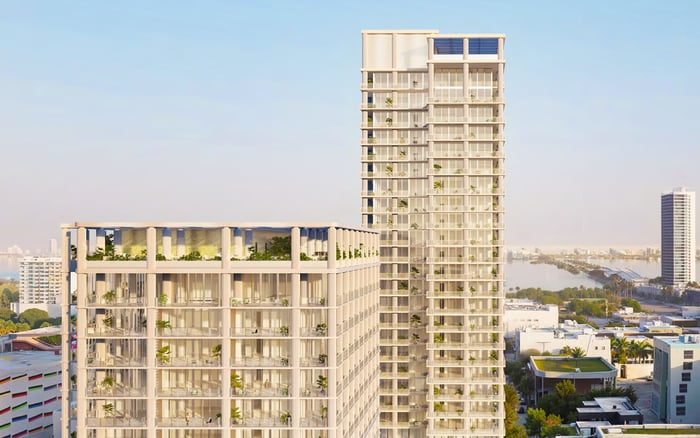
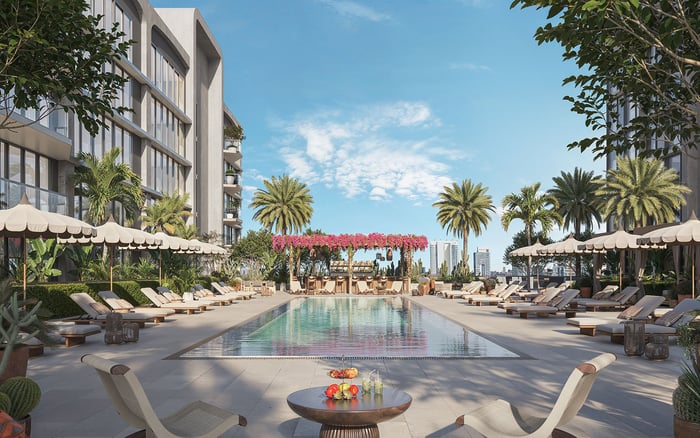
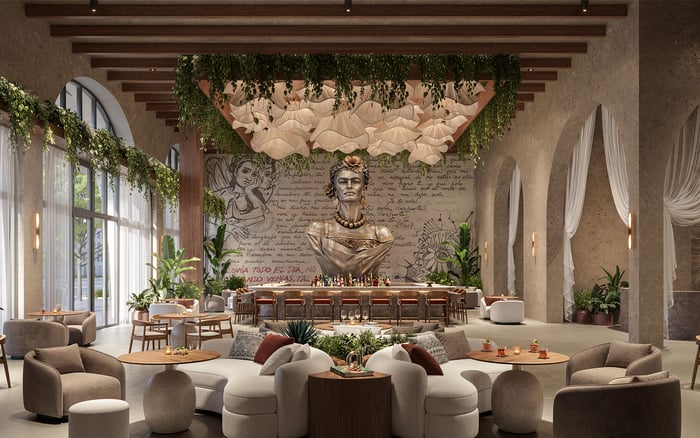
A discreet, practical guide for full-time owners at Frida Kahlo Wynwood Residences who want camera placement that supports daily security without compromising privacy, interiors, or neighborly discretion.
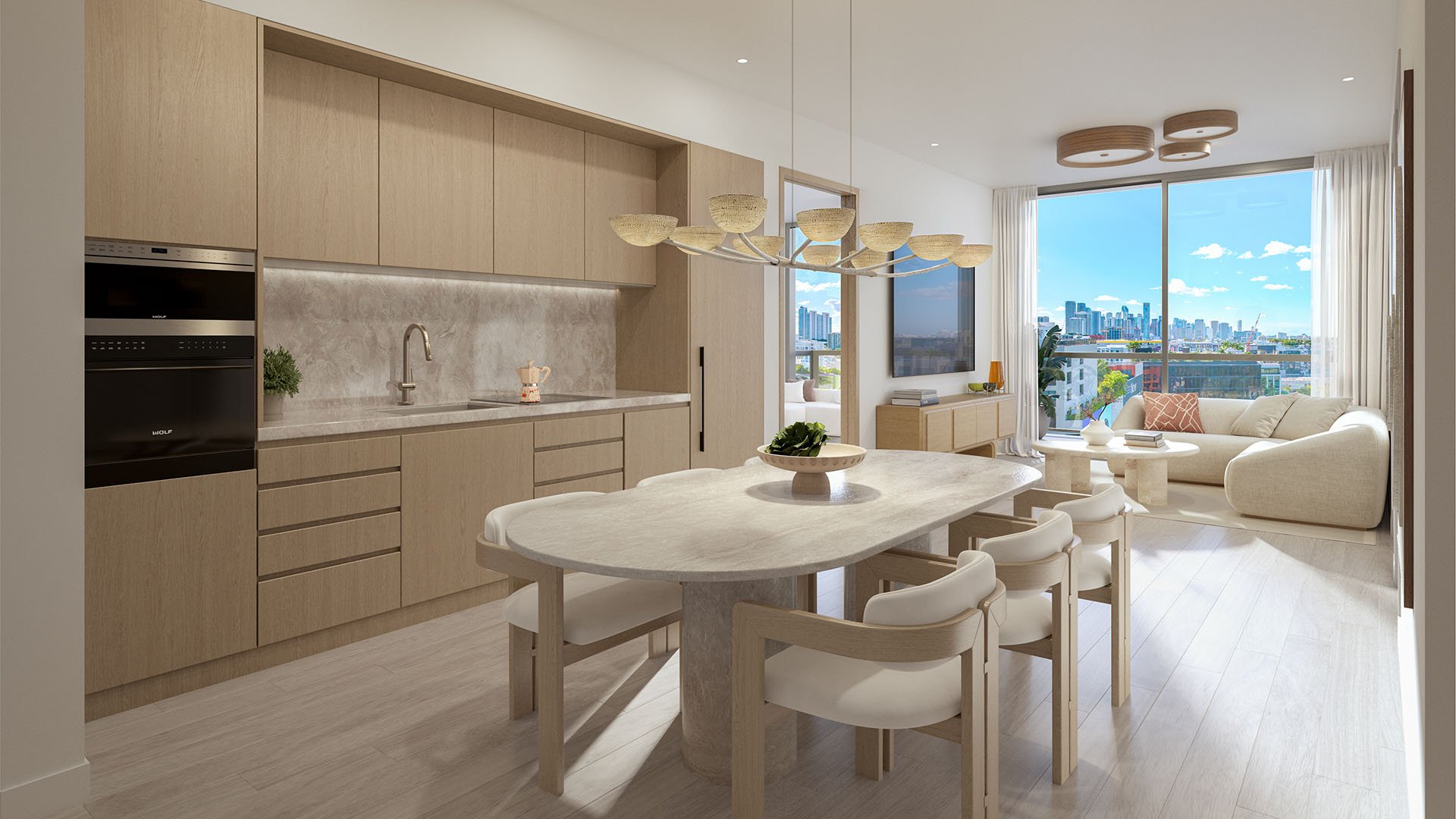
Frida Kahlo Wynwood Residences raises a practical question many full-time owners consider only after move-in: where should cameras actually go? In a visually expressive neighborhood like Wynwood, the answer is not simply more devices, wider lenses, or higher resolution. The strongest plan protects daily life while remaining visually quiet, legally considerate, and aligned with the rhythm of a private home.
For a primary residence, camera placement is less about theatrical security than everyday confidence. Owners want to know when someone approaches, whether a delivery arrived, how a service provider entered, and whether a terrace door was left open. The plan should support those realities without turning the residence into a control room. The goal is composed coverage, not visual clutter.
This is especially relevant for buyers comparing new-construction and pre-construction residences, where low-voltage planning, ceiling locations, and network infrastructure can be addressed before interiors are complete. Thoughtful preparation is far more elegant than retrofitting cameras after millwork, lighting, and art placement have been finalized.
A full-time owner uses a residence differently from a seasonal visitor. The security plan should follow the daily sequence of living: arrival, entry, cooking, entertaining, sleeping, exercising, pet care, and leaving again. Before deciding where cameras belong, map the points where uncertainty tends to appear.
The front door is the obvious starting point, but it is rarely the whole story. Consider the route from elevator or corridor to the private entry, the visibility of packages, and whether the door hardware includes integrated monitoring. Inside the residence, cameras should be used sparingly. In most luxury homes, interior cameras are best limited to transitional or utility-oriented spaces, such as an entry gallery, service corridor, laundry area, or pet zone. Bedrooms, baths, dressing rooms, and intimate sitting areas should remain camera-free.
For owners with pets, a camera facing a designated pet area can be useful without becoming intrusive. The same principle applies to household staff coordination or periodic maintenance visits. Camera placement should clarify access and movement, not monitor private living.
The primary entry is the highest-value camera location because it records the moments that matter most: arrivals, departures, guests, deliveries, and service access. A discreet doorbell camera or compact entry camera should be positioned to capture faces at natural standing height while avoiding unnecessary views into neighboring residences or shared corridors.
Package monitoring is increasingly important for owners who live in their homes year-round. The best camera angle covers the delivery zone without making the hallway feel surveilled. If building rules limit devices in common areas, owners should focus on equipment mounted within the private boundary of the residence and confirm what is permitted before installation.
Service access deserves its own consideration. If housekeepers, dog walkers, designers, or technicians enter periodically, the camera plan should document entry and exit with minimal intrusion. A single interior camera oriented toward the foyer can often do more than several poorly placed devices. It should avoid direct sightlines into living areas where guests gather or where art, valuables, and family routines are visible.
Balconies and terraces require a different level of restraint. A camera should not be aimed toward another home, pool deck, private amenity area, or adjacent balcony. The practical purpose is to monitor the owner’s own doors, outdoor furnishings, and threshold conditions. A camera set back under cover and angled inward toward the residence is often more appropriate than one pointed outward.
For full-time owners, terrace monitoring may be helpful during storms, travel, or extended workdays. It can show whether furniture is secure, whether doors are closed, or whether a pet has accessed an outdoor area. Yet outdoor cameras should remain visually discreet. A device that interrupts architecture, lighting, or a carefully designed balcony garden can diminish the very atmosphere the owner purchased.
In Wynwood, where design language can be bold and expressive, restraint matters. Security equipment should disappear into shadow lines, ceiling planes, or architectural corners whenever possible. The best installations are noticed only when they are needed.
Interior camera placement is where luxury owners should be most selective. A beautiful residence is not improved by a lens in every room. Instead, cameras should be reserved for zones with a functional purpose: the main entry, a secondary service door if applicable, a storage or utility area, and perhaps a pet or child transition space when appropriate.
Avoid placing cameras where guests would feel watched. Living rooms, dining rooms, kitchens designed for entertaining, powder rooms, bedroom corridors, dressing areas, and wellness spaces should generally be left undisturbed. If monitoring is needed for a specific period, temporary devices can be used and removed rather than becoming permanent visual fixtures.
Audio recording is another sensitive matter. Owners should understand device settings and disable audio where privacy concerns arise. In a condominium environment, courtesy is part of long-term ownership. A responsible system protects the home while respecting neighbors, staff, and guests.
Camera performance depends on more than lens placement. Power, wiring, network strength, and storage settings should be planned early. Battery-powered devices can be convenient, but they introduce maintenance, visible hardware, and occasional downtime. Wired or low-profile powered solutions often feel more refined when they can be integrated cleanly.
Before finalizing furniture plans, owners should coordinate camera locations with lighting, art walls, drapery pockets, mirrors, and ceiling details. A camera placed too close to a decorative fixture may catch glare. One placed opposite a window may struggle with bright backlight. A device near a reflective art surface may record movement that has no security value.
For buyers considering Frida Kahlo Wynwood Residences as an investment as well as a home, infrastructure planning can also preserve future flexibility. Even if the owner does not install every device immediately, pre-wiring key locations can keep options open. This is especially useful for owners evaluating long-term rentals, family use, or future resale expectations.
Every camera plan should be reviewed through three filters: private benefit, neighbor impact, and building compliance. A camera may be technically possible but still inappropriate if it captures a neighboring doorway, balcony, or shared amenity. Full-time ownership works best when security is paired with discretion.
Owners should also think carefully about who has access to camera feeds. A primary resident, spouse, trusted property manager, or security consultant may need access, but unnecessary sharing creates risk. Passwords, two-factor authentication, and regular permission reviews are part of modern home stewardship.
The same discretion applies to visible signage, indicator lights, and notifications. A luxury residence should not announce anxiety. It should feel calm, prepared, and well managed. In that sense, camera placement is less a technology decision than a residential design decision.
A balanced plan for a full-time owner may include one device at the private entry, one focused on package or service movement, one at a terrace door angled inward, and one optional interior device for a defined utility or pet area. More cameras are not automatically better. The right number is the fewest necessary to answer the owner’s real questions.
Walk the residence at different times of day before committing. Notice glare, shadows, door swings, elevator sightlines, and the places where guests naturally pause. Then test camera views from the actual proposed positions. A small adjustment in height or angle can determine whether the image captures a face, a ceiling, or an unhelpful slice of flooring.
For MILLION readers focused on Wynwood, the priority is not merely security. It is the integration of safety, privacy, architecture, and lifestyle. The most successful camera plan feels intentional, not reactive.
Where should a full-time owner place the first camera? Start with the private entry because it captures arrivals, deliveries, and service access with the greatest practical value.
Should cameras be installed inside living spaces? Usually no. Interior cameras work best in transitional zones such as an entry, service corridor, utility area, or pet space.
Can a camera face a neighbor’s door or balcony? It should not. Angles should be adjusted to monitor the owner’s property while avoiding neighboring private spaces.
Is a terrace camera appropriate? Yes, if it is aimed inward toward the owner’s doors or outdoor furnishings rather than outward toward other residences or amenities.
Are wired cameras better than battery-powered cameras? Wired cameras can feel more refined and require less maintenance, especially when planned before finishes are complete.
Should audio recording be enabled? Owners should be cautious with audio and understand device settings, especially in shared residential environments.
How many cameras does a full-time owner need? The best answer is the fewest that cover entry, service, terrace, and any clearly defined utility or pet need.
Can camera placement affect resale perception? Yes. Discreet, well-integrated infrastructure can feel thoughtful, while visible clutter can distract from architecture and interiors.
Should owners confirm condominium rules first? Yes. Building guidelines may affect where devices can be mounted, especially near common areas or exterior-facing locations.
What is the best way to shortlist comparable options for touring? Start with location fit, delivery status, and daily lifestyle priorities, then compare stacks and elevations to validate views and privacy.
If you'd like a private walkthrough and a curated shortlist, connect with MILLION.
If branded residences are on your mind — as a home or as an allocation — we would be glad to share what we are seeing, privately.
Begin a quiet conversation