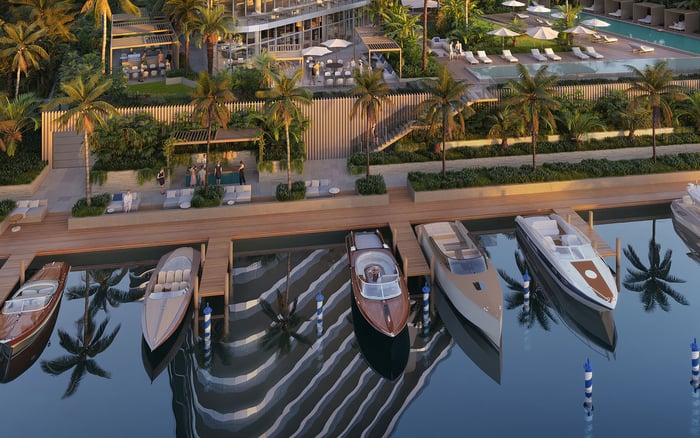
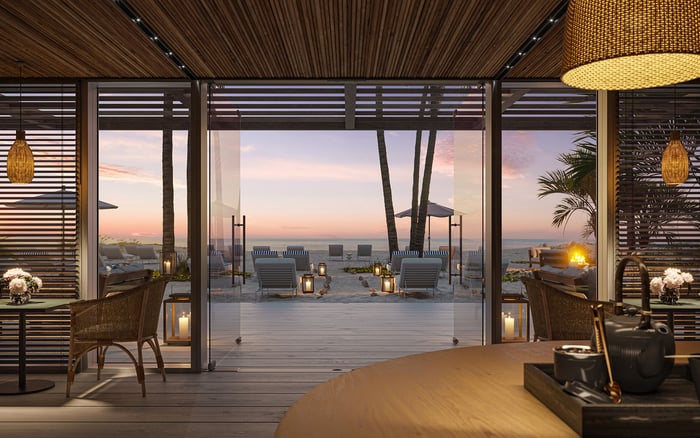
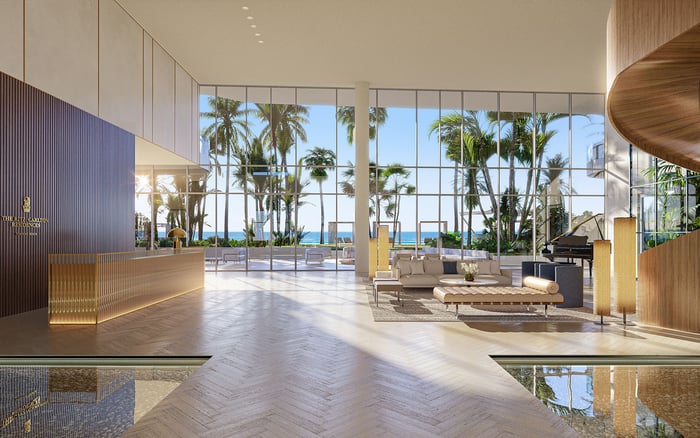
Two of Broward’s most closely watched branded beachfront addresses speak to different definitions of coastal luxury. Four Seasons Fort Lauderdale leans into full-service, hotel-forward energy with a walkable city backdrop. The Ritz-Carlton Residences® Pompano Beach offers a quieter, more residential posture with the brand’s signature formality. Here is how MILLION Luxury frames the choice for buyers prioritizing lifestyle, privacy, and long-term value.
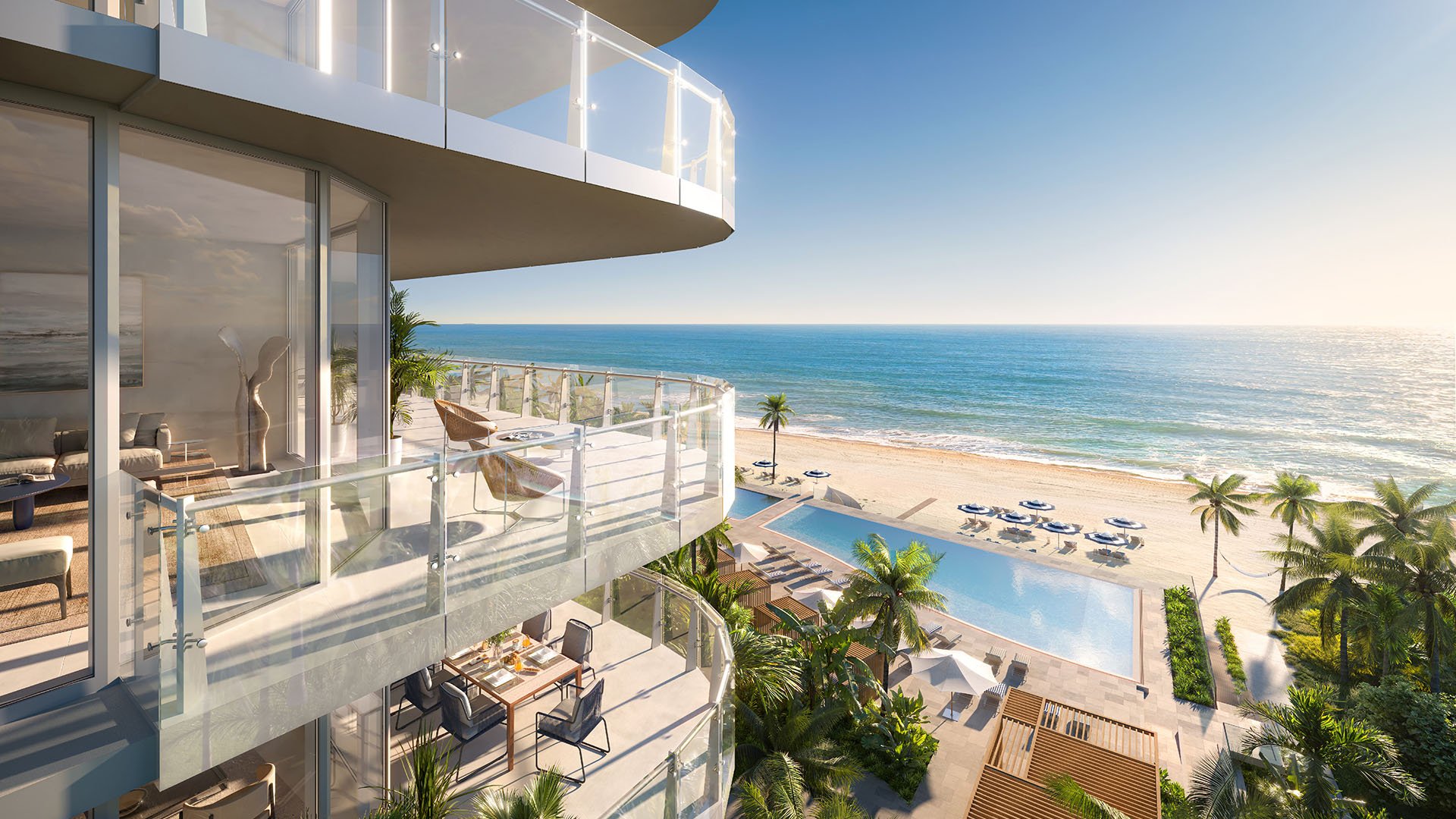
In Broward, branded residences are no longer a novelty. They have become shorthand for a certain standard of staffing, finish, and operational discipline-often essential once a home serves as a second residence, an investment, or a busy household’s base of operations. Yet “branded” is not a single product. The lived experience depends on how the building is positioned, how the brand expresses itself through service culture, and whether the surrounding neighborhood feels like an extension of home or simply the scenery beyond it.
Four Seasons Fort Lauderdale and The Ritz-Carlton Residences® Pompano Beach are often discussed in the same breath because both sit directly on Broward’s sand under globally recognized flags. The decision, however, is rarely about which name carries more prestige. It is about what you want your days to feel like: cosmopolitan beach energy with a city’s pace, or a calmer stretch of coastline where residential quiet is the primary luxury.
This comparison is designed to help you pressure-test that choice with the same rigor you would apply to a family office allocation: define the use case first, then select the asset that operationalizes it.
Fort Lauderdale’s beachfront reads like a lifestyle district. The rhythm is active, with a stronger sense of “place” beyond the building-morning runs, spontaneous dinners, and a calendar that fills itself. For buyers who want their residence to plug into that energy, Four Seasons Fort Lauderdale often aligns with an urban-beach narrative, where hospitality is part of the appeal rather than an occasional convenience.
Pompano Beach, by contrast, tends to draw buyers who want the oceanfront to feel restorative. The tone is typically quieter, and the appeal is less about being at the center of the scene and more about owning a disciplined, elegant base on the sand. That distinction can matter more than any amenity list. When the coastline itself feels calmer, the residence can register as a private retreat-before you even close the door.
If you are also evaluating other Broward beachfront options to calibrate the corridor, it can be useful to look at nearby comparables like Ocean 580 Pompano Beach or the hospitality-forward profile of Auberge Beach Residences & Spa Fort Lauderdale to see how different buildings translate “beach luxury” into daily experience.
Branded residences sell more than architecture. They sell a promise: service consistency, staff training, and a level of predictability that is difficult to replicate in a non-branded building-even when the finishes are impeccable.
Four Seasons is often interpreted as warm, modern, and highly responsive. The atmosphere typically skews “effortless”: the goal is to remove friction from daily life without announcing itself. In a market where many owners arrive on Friday and leave on Monday, that frictionless mode can be the difference between a property that feels like a true home and one that feels like a well-designed obligation.
Ritz-Carlton, by contrast, is commonly associated with a more formal service language and a stronger sense of ceremony. For some households, that is precisely the point. The arrival, the greetings, the way requests are handled-it can feel more structured and inherently club-like, which many buyers interpret as elevated privacy and heightened professionalism.
The practical takeaway: when you tour, evaluate not only design, but also the operational tempo. Ask yourself which service culture fits the way you live, entertain, and decompress.
Most high-net-worth buyers in Broward are not buying a showroom. They are buying a residence that has to perform under real conditions: last-minute arrivals, guests flying in, owners away for weeks, and the expectation that the home is pristine and ready-without personal staff living nearby.
In Fort Lauderdale, a hotel-forward environment can be especially compelling for owners who want optionality. If you entertain often, you may value a lobby that functions as an extension of your social life, with spaces that naturally absorb guests. That public-to-private gradient can make hosting feel effortless-particularly when friends are in town for the weekend and you want plans to take shape without logistics.
In Pompano Beach, the most persuasive version of luxury is often quiet competence. Owners who prioritize serenity may prefer a more purely residential environment where common areas feel restrained, and where arriving and departing feels discreet rather than performative. For buyers who spend longer stretches in residence, that calmer baseline can be the difference between a vacation property and a genuine coastal home.
For additional context on branded living in the submarket, buyers sometimes compare the tone to other branded options such as W Pompano Beach Hotel & Residences, which can clarify how differently “hospitality energy” can present from one flag to another.
At this tier, it is easy to get pulled toward visible amenities and miss what actually drives long-term satisfaction.
Focus on these three categories:
Beach operations and turnover: How seamless is the beach day? Is it set-and-forget, with staff anticipating towels, seating, and timing? Or does it require resident initiative? For many buyers, the oceanfront is the reason the building exists. The beach experience should be as intentional as the interiors.
Wellness as routine: Look beyond the fitness room. Ask whether the building’s wellness offerings support consistent habits-early workouts, recovery, and a sense of privacy. The difference between a “nice gym” and a true wellness rhythm is operational, not decorative.
Back-of-house excellence: Delivery handling, package security, housekeeping standards, sound management, and maintenance response time are not glamorous, but they define luxury in practice. In branded buildings, these details are often the reason owners stay loyal.
If you want a contrasting case study outside Broward, The Surf Club Four Seasons Surfside is often used as a reference point for how a brand can convert service and beachfront operations into a lifestyle product. The goal is not to compare markets, but to sharpen what you personally consider non-negotiable.
A residence signals identity. Some buyers want a lobby with energy and movement. Others want a building that feels nearly invisible.
Four Seasons Fort Lauderdale typically appeals to owners who enjoy a polished, contemporary scene and a stronger sense of connection to the city’s dining, arts, and waterfront culture. The building becomes part of your social platform-especially if you value impromptu interactions and a lively, well-managed common environment.
The Ritz-Carlton Residences® Pompano Beach tends to attract owners who treat privacy as the highest luxury and prefer a more insulated, residential posture. The building is less a stage and more a sanctuary.
Neither is better. They simply perform different roles. Buyers often make the clearest decision by imagining their most common day, not their most glamorous one: a Tuesday morning, a quiet evening, a week when you are traveling and need confidence that everything at home is handled.
With no specific pricing, inventory, or absorption data provided here, the most grounded way to evaluate value is through buyer psychology and long-term usability.
Branded residences tend to hold appeal because they reduce uncertainty. Over time, many owners pay a premium for operations they can trust: staffing continuity, established standards, and confidence that the building’s baseline will not drift.
Fort Lauderdale’s appeal can be reinforced by its broader lifestyle ecosystem. If walkability and a strong social fabric remain priorities for luxury buyers, a hotel-integrated beachfront product can stay resilient because it sells both home and lifestyle in one gesture.
Pompano Beach’s appeal can be reinforced by its relative calm. As more affluent households seek quieter coastal living without moving far from South Florida’s core, a residential-first branded product can read as a strategic alternative: still on the sand, still polished, but less exposed to the intensity some buyers associate with prime beach corridors.
The most prudent approach is to evaluate each residence not only as real estate, but as a service contract you live inside. If day-to-day management matches your expectations, the brand premium is often easier to justify.
When time is limited, use these quick filters:
If you want your beachfront home to feel like a well-run extension of a luxury hotel, with a naturally social orbit, Four Seasons Fort Lauderdale is often the more intuitive fit.
If you want your beachfront home to behave like a private coastal residence first, with brand-backed discretion and a quieter cadence, The Ritz-Carlton Residences® Pompano Beach may align more closely.
Then validate with two tour behaviors: arrive unannounced once, and revisit at a different time of day. Luxury is consistency, not performance.
Which is better for a second home you use on weekends? Many weekend owners prefer the building that feels most turn-key on arrival, with service that anticipates short stays.
Which option feels more residential day to day? Buyers seeking a quieter, residence-first atmosphere often gravitate toward Pompano Beach’s branded offering.
Is Fort Lauderdale or Pompano Beach more walkable for dining and nightlife? Fort Lauderdale generally reads as the more active, walkable beach lifestyle with more immediate scene energy.
Do branded residences always have higher monthly fees? They can, because full-service staffing and hospitality-level operations typically cost more to maintain.
Is the brand name or the building management more important? The management team and operating standards usually matter more in daily life than the name on the front door.
Which is better for owners who value privacy above all? Privacy-forward buyers often prefer the building that feels calmer, more discreet, and more residential in tone.
Are these purchases primarily lifestyle decisions or investment decisions? At this tier they are both, but most long-term satisfaction comes from choosing the lifestyle fit first.
How should I compare service between two luxury brands? Tour at different times, observe staff responsiveness, and ask how owner requests are handled when you are away.
What amenities should matter most for beachfront living? Beach operations, wellness routines, and back-of-house logistics usually matter more than showpiece amenities.
What is the smartest next step if I am deciding between them? Schedule side-by-side tours and align the choice with your weekly routine, hosting style, and privacy needs.
When you're ready to tour or underwrite the options, connect with MILLION Luxury.
If branded residences are on your mind — as a home or as an allocation — we would be glad to share what we are seeing, privately.
Begin a quiet conversation