A buyer-focused editorial on how service style influences the Brickell Key residential decision, from ceremonial hospitality to quieter privacy-led living.
On Brickell Key, the question is not simply which residence offers the most amenities. For many luxury buyers, the more revealing question is how a building makes daily life feel. Does the experience read as formal hospitality, with visible staff, polished arrivals and a sense of occasion? Or does it favor quiet residential service, where the best moments are nearly invisible and the building recedes into the background?
That distinction matters because Brickell Key is often chosen for a particular balance. It remains closely connected to Brickell, yet buyers are frequently drawn to its more contained residential mood. The decision is less about choosing service or privacy in the abstract, and more about deciding how much theater belongs around everyday life.
A formal hospitality model can be deeply appealing. It suits owners who entertain, travel often, host family, value a strong arrival sequence and expect service to feel immediate. Quiet residential service appeals to those who want continuity, discretion and fewer touchpoints between the street, the lobby and the front door. Both can be luxurious. They simply serve different temperaments.
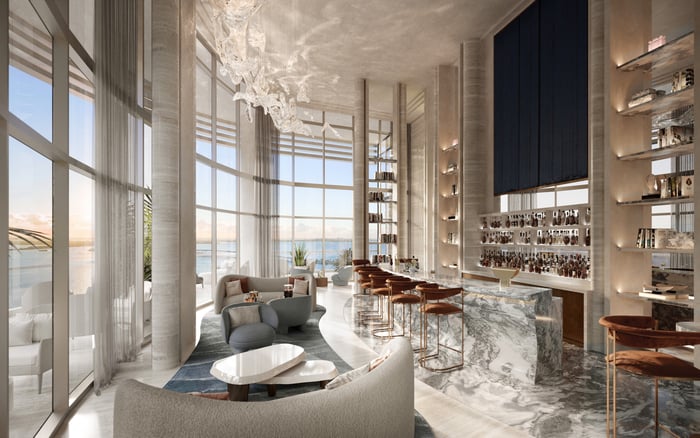
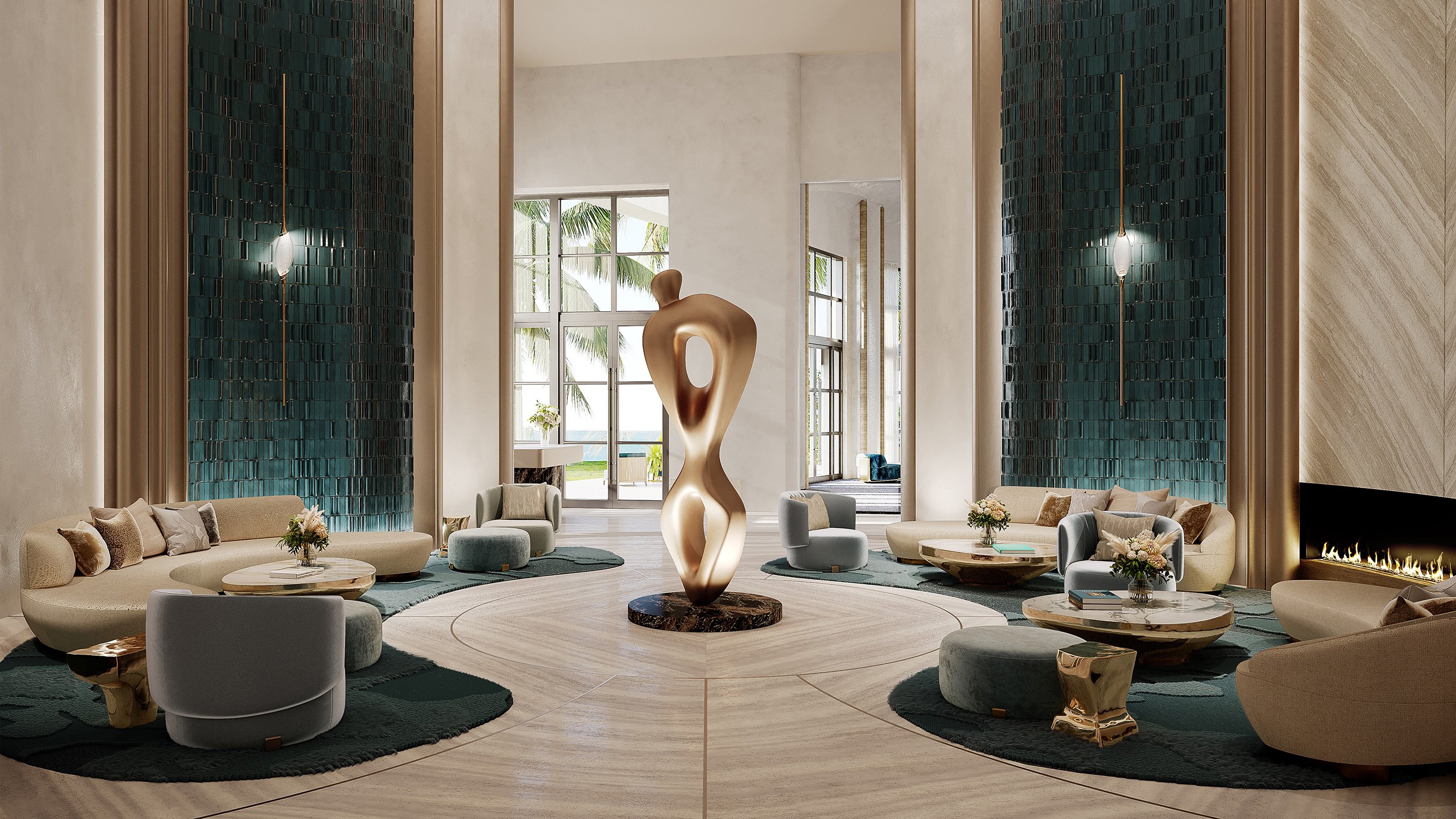
Formal hospitality is best understood as lifestyle architecture. The tone begins before the elevator. A resident or guest is received, oriented and subtly managed through the building. Staff presence becomes part of the experience rather than something hidden from view.
For some buyers, that is precisely the point. A more ceremonial service culture can make a primary residence feel effortless and a secondary residence feel ready the moment one arrives. It can also support entertaining, because guests sense a clear order of arrival, welcome and transition. This is one reason Branded Residences remain compelling to buyers who want residential privacy with a hospitality accent.
Mainland Brickell offers useful comparisons. At St. Regis® Residences Brickell, the appeal for many buyers is not only the private residence but the recognizable service language associated with a global hospitality name. Cipriani Residences Brickell presents a different but equally intentional vocabulary, one tied to social grace, hosting and an atmosphere that feels cultivated rather than improvised.
The trade-off is that formal hospitality can feel more public. Staff recognition, guest processing and amenity movement may all become part of the daily rhythm. Buyers who enjoy that polish will read it as value. Buyers who prize anonymity may find it excessive.
Quiet residential service is not a lesser version of hospitality. At its best, it is harder to execute because it depends on judgment rather than performance. Staff knows when to step forward and when to disappear. The lobby is not a stage. The arrival is not a production. The building feels residential first.
For Brickell Key buyers, this can be especially important. The island setting invites a gentler pace, and many owners want the home to feel separate from the tempo of Brickell. They may still want service, security, well-kept common areas and efficient support, but they do not want the constant sensation of being attended to.
This quiet model often suits households that are already well supported privately. A buyer with personal assistants, drivers, household staff or a highly structured routine may not need a building to provide overt hospitality at every moment. Instead, the value lies in predictability: easy arrival, discreet staff, low-friction package handling, orderly guest access and a calm path from car to residence.
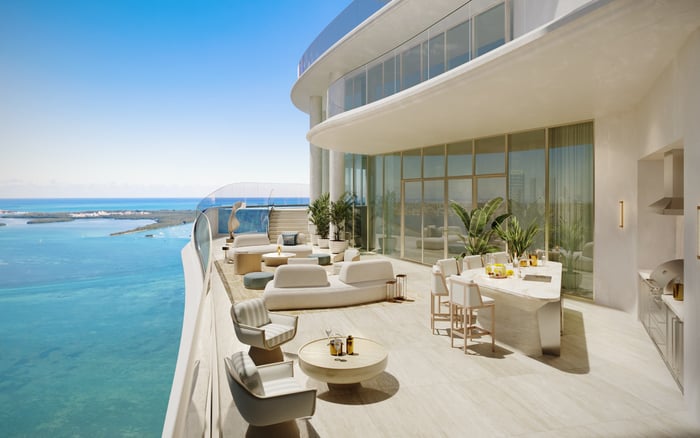
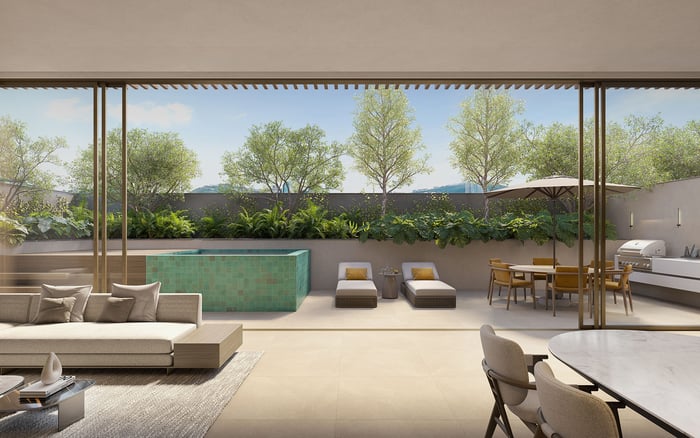
Waterfront living also changes the emotional calculus. In a Waterfront setting, the residence itself often carries much of the drama. Views, light, terrace life and a sense of remove can make ceremonial service less necessary. The buyer may prefer the building to protect the calm rather than amplify the occasion.
Brickell Key buyers often compare two forms of convenience. One is proximity to Brickell’s dining, offices, private clubs and cultural pulse. The other is the ability to step away from that energy at the end of the day. This is why the service decision feels sharper here than in some mainland locations.
In a dense urban tower, formal hospitality can provide a welcome framework. It organizes movement, creates prestige and helps a large building feel choreographed. In Brickell Key, however, some buyers may already feel they have achieved enough separation by choosing the island. For them, the building should deepen the residential quality rather than import too much hotel character.
The strongest decisions begin with routine. How many guests arrive each week? Is the residence used full-time, seasonally or as a city base? Will children, extended family or staff move through the building regularly? Is the owner highly visible professionally or socially? The answers reveal whether a more formal or quieter service culture will age better.
The best Brickell Key decision is often clarified by visiting mainland Brickell projects and noticing one’s own reaction. At The Residences at Mandarin Oriental, Miami, buyers can consider how hospitality identity, waterfront context and residential privacy may intersect. Nearby, Baccarat Residences Brickell speaks to a more expressive, design-forward buyer who may welcome a heightened sense of arrival.
By contrast, 2200 Brickell can help frame the question through neighborhood and daily life rather than a purely hospitality-led lens. The comparison is not about declaring one model superior. It is about understanding whether the buyer wants the building to feel like a private club, a grand hotel, a discreet residence or something between those categories.
This is where Lifestyle becomes the real filter. A buyer who entertains at home, values formal staff interaction and sees the lobby as part of the social experience may lean toward hospitality. A buyer who moves quietly, travels with little notice and wants the residence to feel sealed off from the city may prefer a quieter service posture.
Service should be evaluated with the same seriousness as floor plan, exposure and finish level. Ask how guests are received, how vendors are handled, how residents access amenities, how staff communicate and whether the lobby experience feels composed or conspicuous. Small operational details determine whether the building feels graceful after the initial novelty fades.
Buyers should also test the feeling of return. Arrive during different times of day if possible. Notice whether the building makes you feel recognized, observed, protected or free. None of those feelings is universally right. The right answer depends on the owner’s definition of privacy.
For Brickell Key, the premium decision is often emotional but not vague. Formal hospitality delivers polish, recognition and ease around hosting. Quiet residential service delivers calm, discretion and a stronger sense of home. The most successful purchase is the one where the service style matches the household’s rhythm before the closing, not after.
Is formal hospitality always better for luxury buyers? No. Formal hospitality suits buyers who value ceremony, hosting and visible support, but it can feel too public for those who prefer discretion.
Why does the service question matter in Brickell Key? Brickell Key often appeals to buyers seeking proximity to Brickell with a more residential mood, so service tone can strongly affect daily comfort.
What is quiet residential service? It is a discreet service model where staff support daily life without making the building feel hotel-like or overly managed.
Who tends to prefer formal hospitality? Buyers who entertain often, travel frequently or want a polished arrival experience may appreciate a more formal service culture.
Who tends to prefer quieter service? Buyers who value privacy, simple circulation and a calmer home environment may prefer service that is efficient but less visible.
Should seasonal owners choose formal hospitality? It depends on how they use the residence. Some seasonal owners like a ready-on-arrival feeling, while others want the home to feel private and familiar.
Do Branded Residences always feel more formal? Not always, but many Branded Residences use a recognizable service language that can make the residential experience feel more structured.
How should buyers compare Brickell and Brickell Key? Buyers should compare daily rhythm, arrival experience, privacy, amenity use and how much energy they want around the residence.
Can a quiet building still feel luxurious? Yes. In many cases, the most refined luxury is service that anticipates needs without drawing attention to itself.
What is the best first question to ask? Ask whether you want your building to create a sense of occasion or protect a sense of calm, then evaluate residences through that lens.
For a confidential assessment and a building-by-building shortlist, connect with MILLION.
If branded residences are on your mind — as a home or as an allocation — we would be glad to share what we are seeing, privately.
Begin a quiet conversation