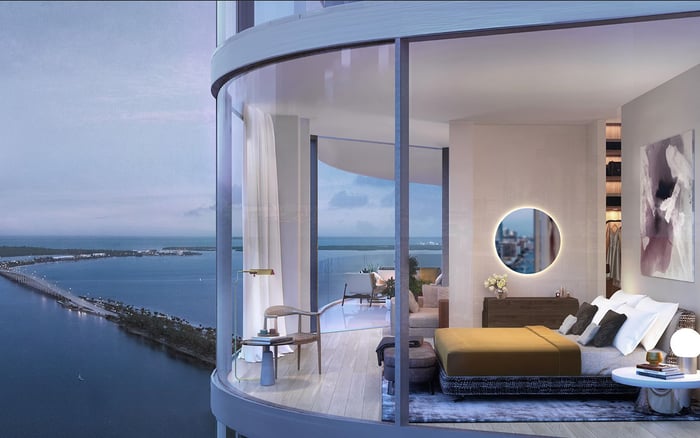
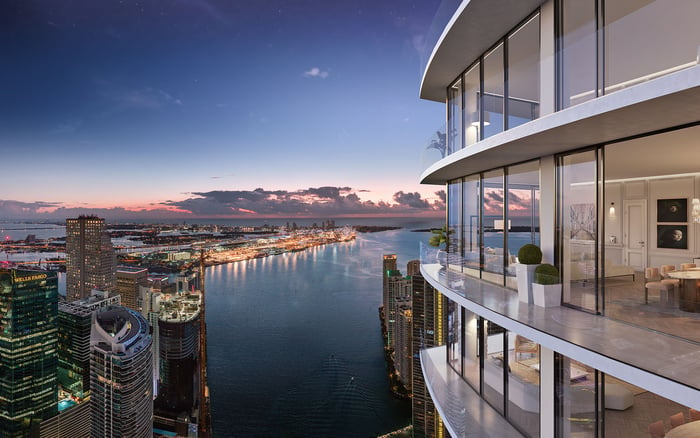
In South Florida, even pristine new-construction homes and condo residences must be underwritten for wind and flood realities. Premiums are rarely just about replacement cost. Carriers look at exposure, resilience, and how a property will be managed over time, from roof and envelope details to claims prevention, deductibles, and documentation. This guide explains the premium drivers most relevant to high-value buyers in Miami-beach, Brickell, and Fort-lauderdale, and outlines a closing-ready approach for securing coverage with fewer surprises.
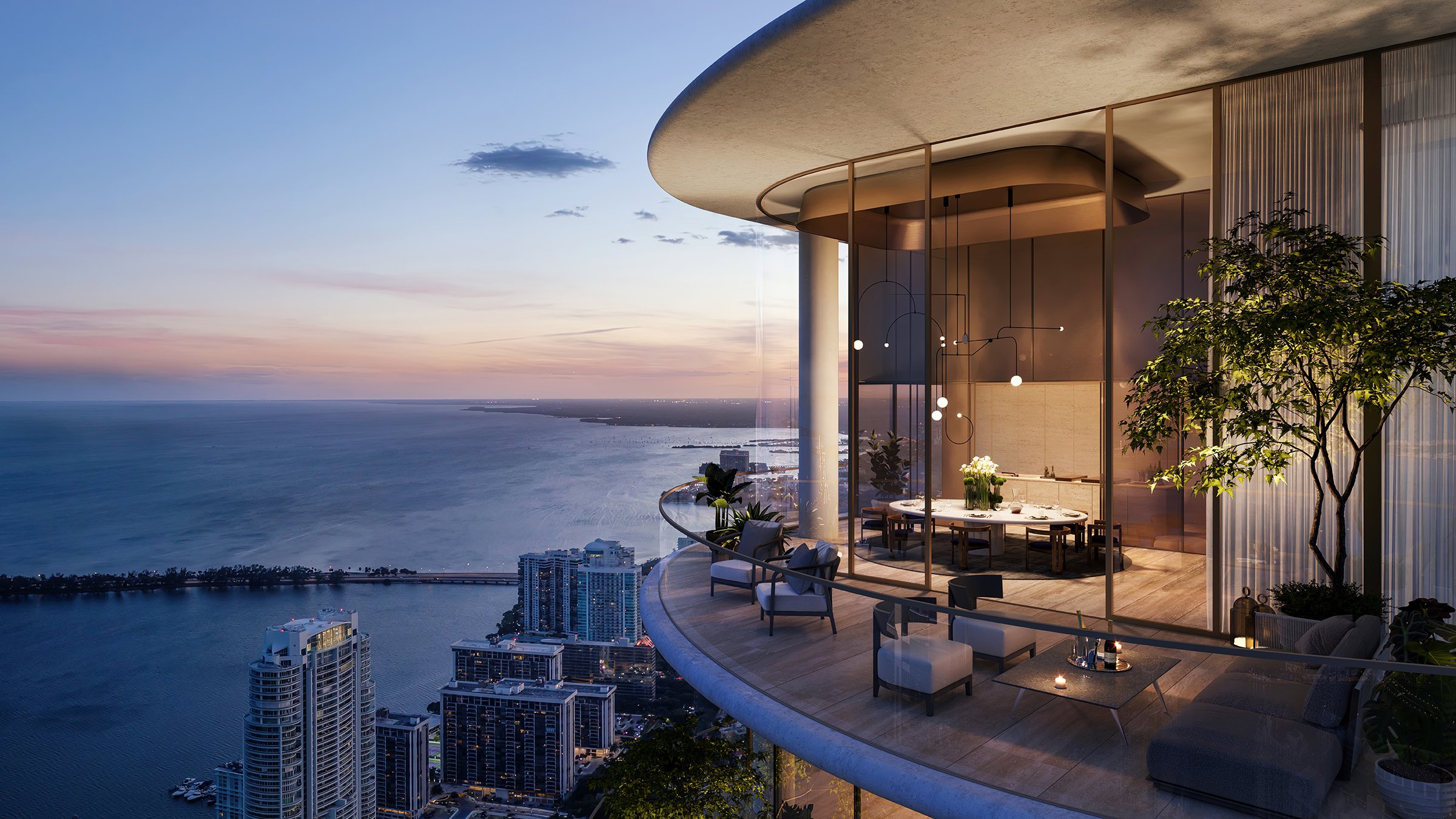
Luxury new construction in Miami Beach, Brickell, and Fort Lauderdale is often presented as “built to modern code,” with engineered systems, contemporary materials, and a clean inspection history. That matters, but it does not remove insurance friction. In Florida, a new build is still underwritten as a high-value, high-exposure asset that must perform through severe weather, then be restored quickly with minimal disruption.
The most common misconception is that “new” automatically means “easy to insure.” In practice, new construction can be more nuanced to submit because it introduces variables carriers may not have priced repeatedly in the same way: unfamiliar materials, novel detailing, specialty glazing, rooftop amenities, extensive smart-home infrastructure, and custom finishes that are expensive to repair and difficult to source. Add an oceanfront setting or a higher floor with expansive glazing, and an insurer may focus on wind-driven rain, debris impact, and how water could migrate through a building envelope.
The cleanest way to think about insurance at this level is not as a commodity, but as part of the ownership architecture. Coverage affects closing timelines, lender requirements, reserves, and the long-term operating profile of the residence. The objective is rarely to chase a headline premium. It is to build a program that matches how the property will be used, maintained, and protected, and to make the underwriting story easy to understand.
In much of the South Florida market, wind is the central underwriting conversation. Without quoting numbers, it is fair to say wind-driven loss potential can dominate how carriers allocate capacity, price risk, and set deductibles.
Underwriters typically return to a consistent set of practical questions.
Will the building envelope resist wind pressure and wind-driven rain? Luxury residences often feature large openings, expansive balconies, and complex transitions between glass, wall systems, and waterproofing assemblies. The more intricate the envelope, the more the insurer may probe the details: how openings are protected, how water is shed, and how the design handles uplift and lateral pressure. The underwriting lens is simple: performance under stress, and the path water could take if something fails.
How is the roof engineered and maintained? For single-family homes, roof form, attachment methods, and drainage design can matter, along with how the roof is accessed and serviced over time. For condominium towers, the roof is only one component, but it can still represent a critical exposure point for mechanical equipment, waterproofing, and common-area systems.
Are wind mitigations documented in a way a carrier can use? Luxury buyers often hear that impact-resistant glazing or shutters “should help.” The key word is documented. Carriers generally want verification that mitigations exist and meet the standards they expect. The same principle applies to garage doors, entry systems, and any opening protection. If the documentation is thin, the underwriter may assume less than the property actually has.
How does the property sit in its surroundings? Two new-construction residences with similar replacement value can be perceived very differently if one is more exposed, nearer open water, or positioned where wind funnels. Oceanfront settings can draw additional scrutiny not because they are undesirable, but because loss severity can be higher and recovery logistics can be harder after a storm.
How quickly can the property be stabilized after an event? Luxury underwriting is also about recovery. Carriers may consider whether the property can be boarded, dried, and protected quickly. In a high-rise, building management and vendor relationships can influence outcomes, even if the unit itself is immaculate.
Flood conversations become more sophisticated at the luxury end of the market. Many buyers think in binary terms: either flood is required, or it is not. In reality, flood risk can remain relevant even when it is not strictly required by a lender.
Here are the factors that most often shape the discussion.
Maps, elevation, and the difference between probability and consequence Flood mapping is one lens. Another is consequence. A luxury residence with ground-level garage, storage, or amenity areas can face meaningful losses even if living spaces are elevated. In condominium settings, the unit may be above street level, but shared systems, lobbies, and mechanical spaces can represent the building’s operational vulnerability.
Water can enter in more ways than buyers expect Flood losses are not limited to storm surge. Heavy rain, overwhelmed drainage, and water intrusion through building assemblies can present as “flood-like” events, and coverage treatment can vary by policy and by cause of loss. That is why a careful read of exclusions, sublimits, and definitions matters.
Luxury contents and finishes raise the stakes Even when structure coverage is adequate, the disruption often comes from interior restoration. Imported stone, specialty woodwork, custom cabinetry, and high-end appliances are not quick-turn replacements. A flood-related claim can become a time and project-management challenge, not just an insurance transaction.
When premiums surprise buyers, it is usually because one or more of these drivers were not addressed early.
Replacement cost is not the same as market price Luxury real estate markets can detach from rebuild economics. A trophy residence in Brickell may command a premium based on views and lifestyle, while insured value is driven by the cost to reconstruct and restore. Conversely, a home with ultra-custom interiors can be expensive to rebuild even if its market value is moderated by location or lot characteristics.
Glass, height, and exposure Many signature residences are defined by glass. Large panes, tall ceilings, and seamless indoor-outdoor transitions are part of the appeal in Miami Beach and oceanfront living. They also increase the complexity of repairing the envelope after wind-driven damage. Carriers may consider both the likelihood of damage and the practical difficulty of performing work quickly.
High-value contents, collections, and specialized property Luxury ownership often includes artwork, jewelry, watches, wine, and bespoke furnishings. Even when the primary policy can be extended, many buyers benefit from a separate, more precise approach to valuables. The goal is to avoid ambiguity around valuation, security requirements, and claims handling.
Water risk beyond flood Water losses are a constant theme in Florida, especially in modern homes where plumbing runs are extensive and smart systems rely on mechanical rooms and concealed infrastructure. Leak detection, shutoff systems, and disciplined maintenance can make an underwriting submission feel more intentional and better managed.
Loss prevention and management culture For condominiums, the building’s culture and discipline can matter. How quickly are leaks addressed? How are contractors vetted? Are renovations coordinated? Is there a consistent approach to water intrusion and envelope maintenance? These operational signals can influence how a carrier perceives risk, even if the building is new.
Deductibles, self-insured retention, and comfort with volatility Many luxury buyers prefer certainty, but insurers often price certainty at a premium. If a buyer can tolerate a higher deductible, the annual premium may look different than if the goal is minimal out-of-pocket exposure. There is no universally correct choice. The decision should match liquidity preferences and the intended use of the property.
High-rise living can simplify parts of ownership, but insurance is one area where details materially change outcomes. A unit owner’s coverage typically depends on how responsibilities are divided between the association’s policy and the owner’s policy. That allocation can vary by building, governing documents, and how the association chooses to insure common elements and limited common elements.
Before you become contract-serious, clarify the following with your advisors and, when appropriate, the building.
What does the association insure versus the unit owner? Some buildings insure more of the unit’s interior, while others stop at bare walls. Your personal policy needs to align with that division, especially when your interior buildout includes high-end finishes.
How is wind addressed at the building level? Even if your unit policy is strong, a major storm outcome can be shaped by the master policy’s structure and deductible. Buyers should understand how that deductible might be assessed and how the building plans to manage post-event repairs.
Are there building-wide risk management practices? New-construction towers can still experience water intrusion events and contractor-related mishaps. A disciplined management approach can be a quiet but meaningful advantage when underwriting questions arise.
For a Brickell reference point while you compare how buyers think about insuring modern vertical living, explore The Residences at 1428 Brickell.
In the single-family segment, new construction can be easier to present to carriers when the home is conventional and well documented. It becomes more complex when the home is truly bespoke.
Design choices that can require extra explanation include:
Ultra-modern forms and flat rooflines Contemporary architecture is a signature of South Florida luxury. Underwriting may ask more questions about drainage, waterproofing, and how the roof performs under wind uplift and wind-driven rain.
Expansive outdoor living Covered terraces, outdoor kitchens, and resort-style pool areas are part of the lifestyle. They can also introduce more structures, equipment, and surfaces to insure, plus more opportunity for wind damage and water intrusion.
Complex mechanical and smart-home systems Whole-home automation, sophisticated HVAC zoning, and integrated audio-visual systems can increase insured contents value and may influence how a loss is adjusted. It helps to document these systems clearly, so the carrier understands what is being insured.
Accessory structures and perimeter features Gates, walls, docks, and other perimeter improvements can be important in luxury estates. Even when they are obvious on a tour, they are easy to miss in an insurance schedule if the submission is rushed.
Luxury closings are time-sensitive, and insurance becomes a bottleneck when it is treated as an afterthought. A deliberate process usually reduces friction.
Start early, even for new builds Do not wait for a final walk-through to initiate the insurance conversation. Underwriting can take time, especially for high limits, coastal exposure, or unique construction.
Build a documentation packet Because you cannot rely on generic assumptions, your broker will typically want a clean narrative supported by documents. Items that often help include construction descriptions, permit and inspection records, material specifications, information on opening protection, and a clear description of systems and upgrades.
Decide what you actually want to protect Luxury buyers often insure structure and basic contents, then forget the rest. Think through:
Each category can influence how a carrier designs the policy and how a claim is handled.
Align coverage with the use case A second home used seasonally can have different risk characteristics than a primary residence occupied year-round. Short-term or long-term rental use can also change underwriting appetite. If your plans include rent or short-term rentals, disclose it early so the program matches the reality of occupancy and liability.
Coordinate with your lender and attorney Many closing delays come from misalignment: a lender requires specific coverage language while the buyer is still negotiating terms. Early coordination helps avoid last-minute rewrites.
When premium and availability feel opaque, focus on the levers you can control.
Risk engineering and mitigation narratives Carriers tend to respond well to a property presented as a managed asset. That means explaining how the home is monitored, how water risks are reduced, how vendors are selected, and how the property will be secured during travel.
Water detection and shutoff planning Even without naming a particular technology, the concept is straightforward: detect water early and stop it quickly. This is one of the few loss types that can be reduced dramatically with planning.
Vendor readiness After a storm, response time matters. A buyer who already has relationships with reputable restoration, roofing, glazing, and mitigation firms can stabilize the asset faster. While not a guarantee of lower pricing, it can strengthen the resilience story and reduce uncertainty.
Claims philosophy Some owners file every claim; others prefer to reserve insurance for major losses. Your approach can influence long-term experience and carrier relationships. Discuss the strategy with your broker so the policy structure supports it.
Use this as a practical framework as you move from contract to keys.
Confirm the exposure profile Is the residence oceanfront? Is it near open water? Is it a higher floor with extensive glass? Is there a ground-level component vulnerable to water? These questions shape both wind and flood conversations.
Request the right documents from the start Ask for build details that support underwriting, not just marketing materials. The more precise the documentation, the fewer assumptions a carrier needs to make.
Clarify what is insured by whom For condos, understand the association’s insurance posture and how unit-owner responsibilities are defined. For single-family homes, confirm what is included in the structure value and what is considered contents.
Evaluate deductibles with intention Choose deductibles that fit your risk tolerance and liquidity preferences. A program that looks elegant on paper but feels uncomfortable during a loss is not truly aligned.
Plan for continuity If you travel frequently, consider how the property will be monitored. Insurers often care about vacancy, maintenance, and response time.
What should I provide to an insurance broker for a luxury new-construction quote? Expect to share a clear description of construction, materials, and systems, plus documentation that supports wind resistance and water risk management. For condos, include the association documents that explain the master policy and unit-owner responsibilities.
If my condo is on a high floor, do I still need to think about flood risk? Yes. Flood can affect common areas, building systems, and access. Even when the unit itself is above street level, building operations can be disrupted by water in lower levels.
Why can two similar-looking homes in Miami Beach receive very different wind pricing? Pricing can vary based on exposure, envelope complexity, documentation quality, and how insurers perceive repair difficulty. Small differences in design and surroundings can lead to different underwriting assumptions.
Does new construction automatically mean lower premiums? Not automatically. New builds can benefit from modern design and materials, but insurers still evaluate wind and water pathways, the level of customization, and the expected cost and speed of restoration.
How early should I start insurance planning for a Brickell or Fort Lauderdale closing? Start as soon as you are contract-serious, especially if the property is oceanfront or highly customized. Early planning allows time to resolve documentation gaps and align lender requirements, then you can refine the program with your advisors at MILLION Luxury.
If branded residences are on your mind — as a home or as an allocation — we would be glad to share what we are seeing, privately.
Begin a quiet conversation