A discreet buyer’s guide to evaluating beach service, staffing consistency, and privacy controls at St. Regis® Residences Sunny Isles before purchase.
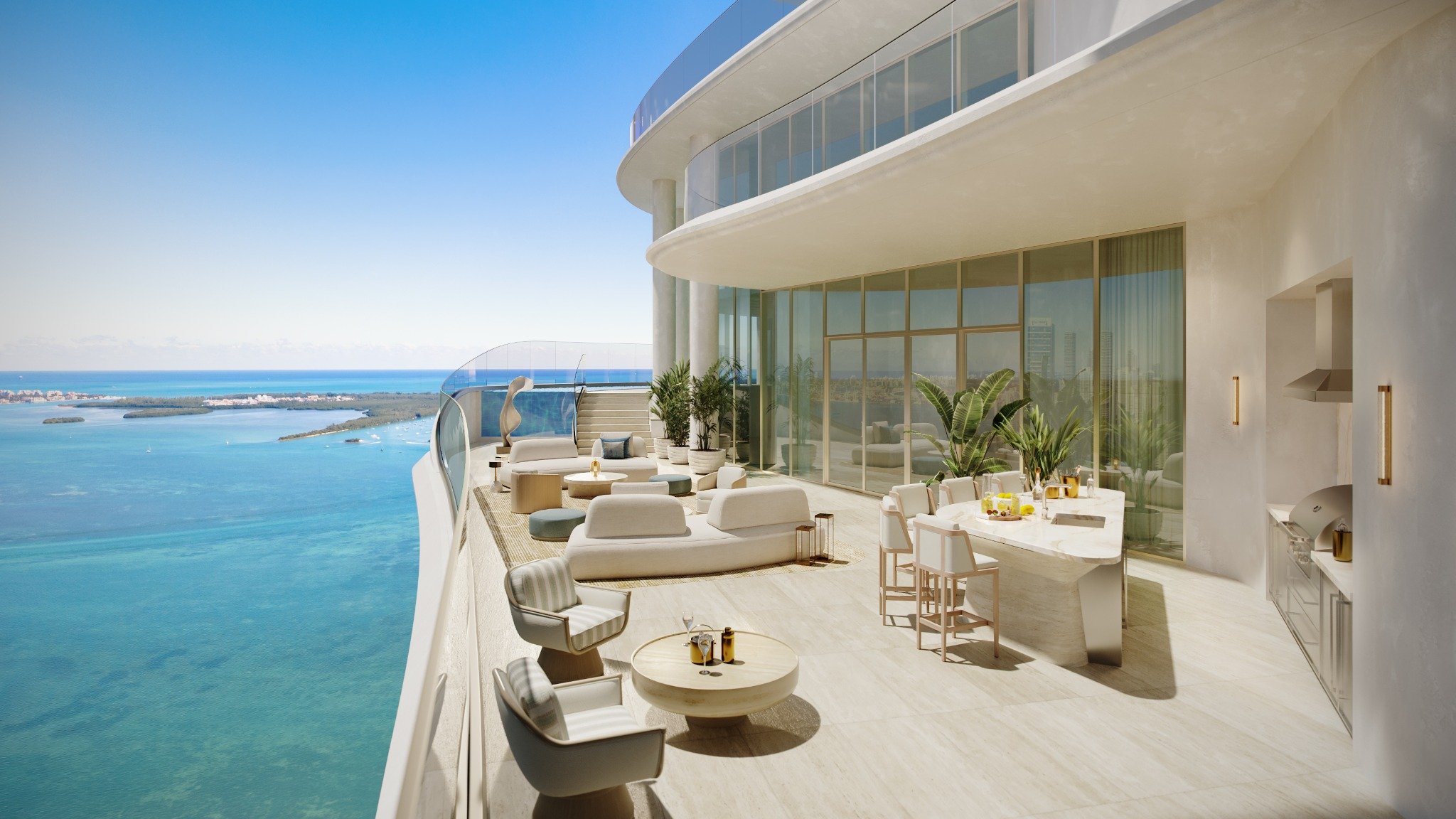
At St. Regis® Residences Sunny Isles, the most meaningful due diligence extends beyond views, finishes, or amenity renderings. In a true beachfront residence, daily service execution is the asset owners experience every morning. Beach setup, staff judgment, discreet circulation, and controlled access determine whether the property feels effortless or merely well branded.
For Sunny Isles buyers, the question is practical: does the promised St. Regis lifestyle translate into residential consistency? Brand equity matters, but it should not replace observation. A serious buyer should evaluate the property as a private club, a five-star residence, and a security environment at once. The strongest ownership experience is rarely loud. It is calm, anticipatory, and nearly invisible.
This is also why nearby luxury comparisons matter. A buyer considering Bentley Residences Sunny Isles or The Ritz-Carlton Residences® Sunny Isles will often weigh not only architecture and views, but also how each building protects time, privacy, and ease of use.
Beach service should be judged by daily operations, not brochure language. Buyers should verify whether the operation includes daily beach setup, towel, chair, and umbrella service, attendant coverage, and whether service levels shift by season, occupancy, weekday, or weekend.
During a site visit, watch the choreography. How quickly are residents greeted? Are beach stations arranged without confusion? Is used equipment cleared promptly? Does the beachfront remain orderly after peak periods? A refined oceanfront residence should feel composed even when the beach is active.
Ask operational questions that can be answered directly. What are the beach-service hours? Are dedicated attendants assigned to the residential beach experience? Is there food-and-beverage service, water-sport support, lifeguard or safety personnel, and a clear guest-access protocol? What happens during storms, holidays, and high-season demand? How often are chairs, umbrellas, towels, and related equipment replaced?
These details shape the true ownership rhythm. A private residence on the sand is only as luxurious as the consistency of its beach operation.
Staffing evaluation should focus on whether branded hospitality standards become reliable residential habits. Request details on front desk, concierge, valet, security, housekeeping, maintenance, pool, spa, and beach staffing coverage. Do not rely on a general promise of service. Ask who is present, when they are present, and who is accountable when something is not handled properly.
On tours, test the service quietly. Track response times. Notice whether staff know procedures without hesitation. Observe handoffs between valet, front desk, concierge, and amenity personnel. Listen for discretion around resident names, guest information, and private requests. The finest buildings train staff to be warm without being familiar, efficient without seeming rushed, and informed without becoming intrusive.
Buyers should also ask whether staff are employed by the association, a hotel-style management company, third-party vendors, or a mix. The structure affects accountability and service consistency. It may also influence how complaints are escalated, how training is maintained, and how replacement personnel are integrated during peak periods.
In the broader market, buyers comparing Jade Signature Sunny Isles Beach with newer branded towers may find that service culture is as important as amenity count. A building can be beautiful and still feel poorly run if departments do not communicate.
Privacy due diligence begins at arrival. Study the porte cochère, valet sequence, lobby access, elevator controls, guest registration, service entrances, package handling, and beach-access separation. The key test is whether residents can move from car to home to amenity to beach without unnecessary exposure.
For high-profile owners, privacy is not simply about cameras or a guarded desk. It is about circulation discipline. Guests, vendors, service staff, domestic employees, private security teams, and non-residents should not cross private residential zones unless necessary. Elevator banks, back-of-house corridors, service doors, and package areas should support separation rather than create accidental encounters.
Important questions include camera coverage, access-control technology, visitor logs, staff confidentiality training, short-term guest policies, and rules for domestic staff or private security teams. Buyers should request written or direct explanations from the sales or management team, especially because public materials may not disclose staff-to-resident ratios, beach attendant counts, lifeguard schedules, or detailed privacy protocols.
Privacy should also be tested at peak times. Visit when the pool, spa areas, lounges, beach, porte cochère, and elevator banks are likely to be busy. A residence that feels exclusive at 10 a.m. on a weekday may feel very different late on a holiday weekend.
The most disciplined buyer will visit more than once. A weekday morning shows one version of the building. A weekend afternoon shows another. Late afternoon often reveals valet flow, beach cleanup, pool demand, and how calmly the staff handles transitions. These observations are especially useful for second-home owners who expect arrival and departure to be seamless.
Compare the promised experience with what is visible. Are staff proactive or reactive? Do amenity areas feel curated or crowded? Are guests guided clearly? Does the building protect quiet residential zones? Is the beach operation elegant under pressure?
For buyers also considering St. Regis® Residences Brickell, the comparison is instructive because urban waterfront living and beachfront living demand different service priorities. In Sunny Isles, the beach is not a secondary amenity. It is central to the ownership proposition.
Ask for the current service plan, not a general amenity overview. Clarify beach hours, weekday versus weekend staffing, seasonal adjustments, storm protocols, equipment standards, guest policies, and any limits on beach usage. Confirm who manages each staff category and how service issues are escalated.
For privacy, request specifics on arrival, valet, lobby, elevators, visitor registration, service staff movement, packages, and beach access. If you travel with private security or domestic staff, ask how those teams are registered and routed through the property.
The goal is not to interrogate the building. It is to understand whether its operations match the standard implied by the residence. In ultra-premium South Florida real estate, the best properties do not merely provide amenities. They protect the owner’s time, discretion, and sense of ease.
What should I evaluate first at St. Regis® Residences Sunny Isles? Start with the daily beach operation, because it is central to the beachfront ownership experience and easy to observe during a visit.
Should I rely on the St. Regis name alone? No. The brand is important, but buyers should verify whether service standards are visible in daily residential operations.
What beach-service questions matter most? Ask about hours, towel and chair setup, umbrella service, attendant coverage, guest access, storm protocols, and equipment replacement standards.
How can I test staffing quality during a tour? Watch response times, staff knowledge, departmental handoffs, and how discreetly staff handle resident or guest information.
Why does the employment structure of staff matter? Service consistency and accountability can differ depending on whether staff are association employees, management-company employees, vendors, or a mix.
What privacy areas should buyers inspect? Review valet, lobby access, elevator controls, visitor registration, service entrances, package handling, and beach-access separation.
Are public staff-to-resident ratios available? They may not be publicly disclosed, so buyers should request current details directly from the sales or management team.
When should I visit the property? Visit on a weekday, weekend, morning, and late afternoon to see how service performs under different conditions.
How do amenity spaces affect privacy? Pools, spa areas, lounges, elevators, and the beach should feel controlled and exclusive even during peak usage.
What is the simplest privacy test? Follow the path of residents, guests, vendors, and staff to see whether private residential zones are protected from unnecessary crossover.
For a discreet conversation and a curated building-by-building shortlist, connect with MILLION.
If branded residences are on your mind — as a home or as an allocation — we would be glad to share what we are seeing, privately.
Begin a quiet conversation