A buyer-focused guide to comparing glass replacement risk, cost, documentation, and timing across South Florida new construction and resale condominiums.

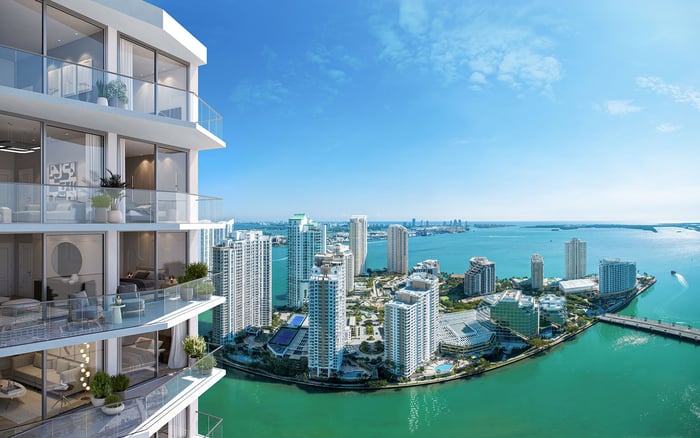
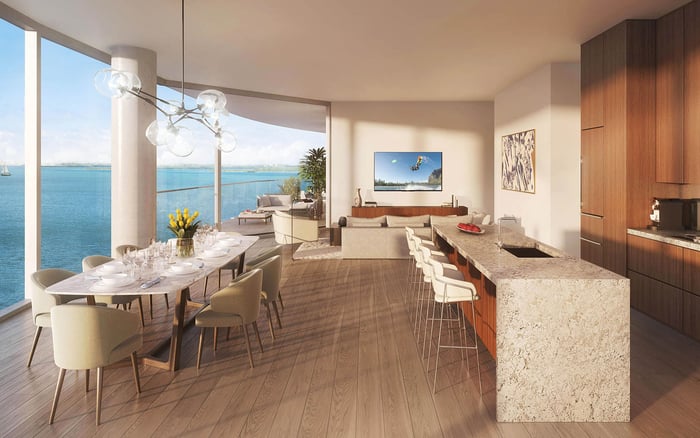
In South Florida luxury condominiums, glass is not a decorative afterthought. It defines the view, the sound profile, the storm-readiness of the residence, and often the emotional value of the home itself. A wall of glass facing Biscayne Bay, the Atlantic, or the Intracoastal can make a residence feel effortless, but replacing that glass is rarely simple.
For a buyer comparing new-construction, resale, balcony, oceanfront, Brickell, and Miami Beach opportunities, the question is not merely whether the windows look clear today. The better question is how the glass system was specified, installed, maintained, documented, insured, and approved. New construction and resale condos can both offer superb residences, but they present very different glass replacement considerations.
A disciplined comparison should consider five areas: the glass system type, the building approval pathway, the association’s control over exterior components, the cost and timing of replacement, and the risk profile created by height, exposure, and architectural complexity.
New construction generally gives buyers a more orderly starting point. The developer, architect, engineers, and glazing contractors are typically working from a unified design package. If glass replacement is ever required, the original specifications, product approvals, shop drawings, and warranty materials are more likely to be traceable through the building’s turnover records.
That does not mean every future replacement will be simple. High-performance glass in a luxury tower may be custom sized, integrated into curtain wall or window wall systems, and tied to waterproofing details that cannot be evaluated from the interior alone. The more seamless the architecture appears, the more carefully a buyer should ask how the system is accessed, repaired, and matched.
In a new building, focus on the warranty structure. Ask what is covered by the developer, what passes through from manufacturers or contractors, and what becomes an association responsibility. Clarify whether individual owners may replace damaged panels independently or whether the association must coordinate exterior work to preserve uniformity.
The advantage is not that glass will never fail. The advantage is a cleaner paper trail, a more consistent system, and, in some cases, an original project team that may still be identifiable.
In resale buildings, current appearance can be misleading. A residence may have immaculate interiors while the glass system reflects years of sun, salt air, wind exposure, prior repairs, owner modifications, or association decisions. The key is to separate cosmetic clarity from underlying system integrity.
Buyers should review whether the building has completed prior window, door, or facade projects, and whether any special assessments, reserve plans, or pending work relate to exterior glazing. A single unit’s glass may not tell the full story if the building is considering broader upgrades.
Resale also raises an important question: is the glass original, partially replaced, or fully upgraded? Mixed conditions can create inconsistencies in tint, reflectivity, acoustic performance, and impact rating. In luxury residences, even small visual differences can affect the experience of a room, especially where glass spans prominent living areas.
The best resale diligence includes association records, architectural rules, contractor history, permits where applicable, and a review by qualified professionals. A buyer should avoid relying on a visual walkthrough alone.
Glass replacement cost is shaped by more than the pane itself. Access, staging, crane requirements, waterproofing, interior protection, exterior finish work, association approvals, and coordination with neighboring units can all influence the final outcome. High-floor residences, corner units, and large-format panels may carry a different replacement profile than simpler openings.
Oceanfront exposure can add another layer. Salt, wind, sun, and direct weathering can accelerate wear on seals, coatings, frames, tracks, and hardware. A residence with dramatic exposure may deliver the view that defines the purchase, but that same exposure should be reflected in maintenance expectations.
Balcony doors deserve separate attention. Sliding and pivoting systems often involve tracks, thresholds, drainage, locks, rollers, and waterproofing interfaces. A pristine view through fixed glass is one matter; a heavily used balcony opening is another. In South Florida, the transition from interior living to outdoor terrace is part of the luxury proposition, so the operational quality of that glass matters.
Condominium glass is often part of the building envelope, which means replacement is rarely a purely private decision. Associations may control exterior appearance, approve contractors, require specific product types, and restrict work hours or access methods. In some buildings, the owner may pay for the work but still need association approval at every step.
This matters when comparing new construction with resale. A new tower may have a clearly defined protocol from the beginning. A resale building may have evolved rules over time, especially if prior owners completed replacements under different standards. Buyers should ask whether the building maintains a preferred vendor list, requires engineer review, or mandates specific glass color and reflectivity.
Uniformity is central to luxury value. A tower’s exterior is a shared asset, and inconsistent replacements can affect both aesthetics and market perception. The more architecturally refined the facade, the more important it becomes to understand the association’s control before closing.
When comparing two residences, create a simple matrix. Start with age and system type: new curtain wall, window wall, punched openings, sliding doors, or mixed assemblies. Then note exposure: direct oceanfront, bayfront, riverfront, urban canyon, or protected interior orientation. Next, evaluate documentation: warranties, approvals, permits, association minutes, reserve planning, and any history of facade or glass work.
Then move to practical constraints. Can replacement be performed from the interior, exterior, swing stage, lift, or crane? Are there limits on work hours, freight elevator use, or contractor access? Are there seasonal restrictions that could affect timing? These details often separate a manageable future repair from a disruptive one.
Finally, compare market impact. In Brickell, where vertical living often emphasizes skyline and water views, glass quality can influence daily comfort as much as aesthetics. In Miami Beach, where light and exposure are central to the lifestyle, the condition and consistency of exterior glass can be an important part of long-term ownership confidence.
Several signs deserve deeper review. Visible seal failure, fogging between panes, staining around frames, difficult sliding doors, water marks at thresholds, mismatched tint, non-uniform exterior appearance, or unclear replacement history should not be dismissed. None automatically disqualifies a residence, but each should be priced, understood, and documented.
Equally important are vague answers. If no one can explain who is responsible for replacement, which products are allowed, or whether prior work was approved, the buyer should slow the process. Luxury due diligence is not pessimism. It is the quiet discipline that protects optionality.
A strong purchase decision balances the romance of the view with the mechanics of maintaining it. The most beautiful glass is not only transparent; it is supported by records, systems, and governance that make future ownership predictable.
Is glass replacement usually simpler in new construction? It is often more straightforward because specifications and warranties may be easier to trace, but access and custom systems can still be complex.
Why is resale glass diligence more involved? Resale buildings may include older systems, partial replacements, prior repairs, or evolving association rules that require closer review.
Should buyers inspect balcony doors separately? Yes. Balcony doors include moving parts, tracks, thresholds, locks, and waterproofing details that affect performance and comfort.
Can an owner replace condo glass without association approval? Often no. Exterior glass may be governed by association rules to preserve safety, uniformity, and building appearance.
Does oceanfront exposure change the analysis? Yes. Direct exposure can increase wear on frames, seals, hardware, and coatings, making maintenance history more important.
What documents should a buyer request? Ask for warranties, product information, permit history where available, association rules, maintenance records, and records of prior facade work.
Is fogging between panes a concern? It can indicate seal failure and should be evaluated by a qualified professional before a buyer assumes the issue is cosmetic.
Do high-floor units cost more to repair? They can, because access, staging, safety requirements, and panel size may make replacement more complicated.
Can mismatched glass affect resale value? It may. Differences in tint, reflectivity, or performance can influence both the interior experience and exterior presentation.
What is the best way to compare two buildings? Compare system age, exposure, documentation, association rules, access logistics, and any known history of glass or facade work.
If you'd like a private walkthrough and a curated shortlist, connect with MILLION.
If branded residences are on your mind — as a home or as an allocation — we would be glad to share what we are seeing, privately.
Begin a quiet conversation