A discreet, buyer-oriented guide to navigating South Florida’s ultra-prime residential market in 2026, from neighborhood selection and building standards to insurance, reserves, and privacy-minded ownership.
South Florida’s luxury market in 2026 rewards a particular kind of buyer: someone who can be romantic about place, yet unsentimental about operations. The view and the address still matter-but so do reserve line items, the insurance posture, board culture, and the practical question of how a building performs during a stormy week in September.
At the ultra-premium tier, “value” is less about price per square foot and more about certainty: certainty that arrival feels effortless, that privacy is protected, and that the building is operated like a serious asset-not a social experiment.
This playbook is designed to help you choose the right corridor, evaluate new construction versus resale with clear eyes, and structure a purchase that protects both your capital and your time.
The most expensive mistake sophisticated buyers make is choosing a property before choosing a life. South Florida is not one market-it’s a collection of micro-worlds, each with its own rhythm, risks, and rewards.
Brickell and Downtown
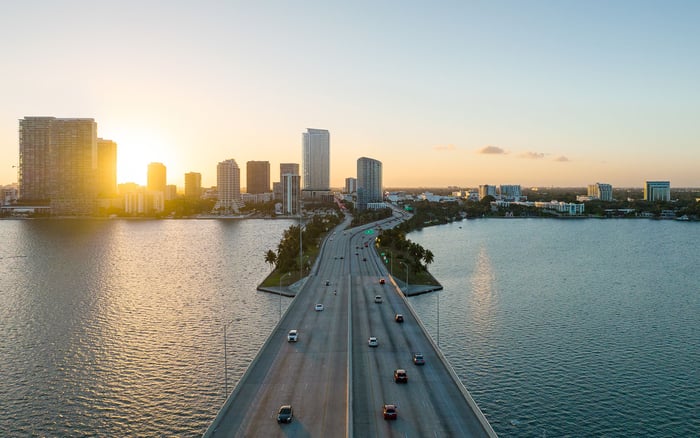
skew toward global access, dining, and a lock-and-leave lifestyle. You trade a wider cultural radius and airport proximity for a more vertical, service-forward way of living. If you prefer a concierge-led routine and want to stay close to the city’s commercial core, the newest generation of residences is engineered around that expectation. In that context, 2200 Brickell can serve as a reference point for buyers who want a polished, residential interpretation of the urban waterfront.
Miami Beach and South of Fifth (Sofi)
are defined by walkability, beachfront rituals, and an atmosphere that feels curated rather than merely convenient. Here, the premium often shows up through limited supply, strong neighborhood identity, and a level of social discretion. Buyers who want a front-row relationship with the ocean-and a more resort-calibrated daily life-often begin with oceanfront product such as 57 Ocean Miami Beach as a lens for what “new luxury” looks like on the sand.
Sunny Isles and the northern beachfront
emphasize panoramic views, full-service buildings, and an international ownership profile. Height, glass, and amenity scale commonly define the experience. If you want a dramatic coastline perspective and a building that runs with hotel-level staffing, the corridor around new trophy towers remains a frequent shortlist.
Palm Beach County and the coastal cities
can read as more classic, more residential, and often more generational in character. Buyers are frequently optimizing for privacy, a calmer cadence, and long-term livability. If your life is structured around fewer, longer stays, you may prioritize broader floorplans, less transient foot traffic, and governance that favors quiet consistency.
The new-build conversation in 2026 is less about “shiny versus dated” and more about systems and governance.
New construction advantages
typically include modern mechanicals, current design standards, and amenity programs that reflect how high-net-worth residents actually live today: fitness as a daily practice, wellness-oriented spaces, dedicated co-working environments, and arrival sequences designed for privacy. New product can also allow for early customization, which matters when your taste is specific and your tolerance for renovation logistics is low.
Resale advantages
often include proven building operations, a clearer picture of real-world carrying costs, and the power of scarcity. Some of South Florida’s most enduringly desirable addresses are desirable precisely because they cannot be replicated-their setbacks, their beach position, their scale, or their neighborhood context. In these buildings, the premium is often for certainty and lineage rather than novelty.
The trade-off is simple: with new construction, you underwrite the promise; with resale, you underwrite the history. In both cases, evaluate the same pillars: financial reserves, insurance approach, maintenance cadence, management professionalism, and board decision-making.
Luxury buyers rarely lose sleep over a stone selection. They lose sleep over surprises.
Start with the building’s physical realities: structure, envelope, glazing performance, elevator systems, and generator or resiliency provisions when applicable. In coastal South Florida, salt air isn’t a detail-it’s an operating condition. A building can look immaculate and still be quietly expensive if corrosion control and maintenance are treated as optional.
Then move to governance. How are decisions made-and how quickly? Is the association disciplined about preventive maintenance, or reactive? Are rules consistently enforced? Is there a culture of professionalism around contractors, access control, and package handling? A well-run building feels calm even when it’s busy.
Finally, assess privacy and security in a way that matches your profile. Some buyers require understated access protocols and discreet staff training. Others prioritize guest flexibility and a more social amenity environment. Neither is better-but the wrong fit can make an exceptional home feel like friction.
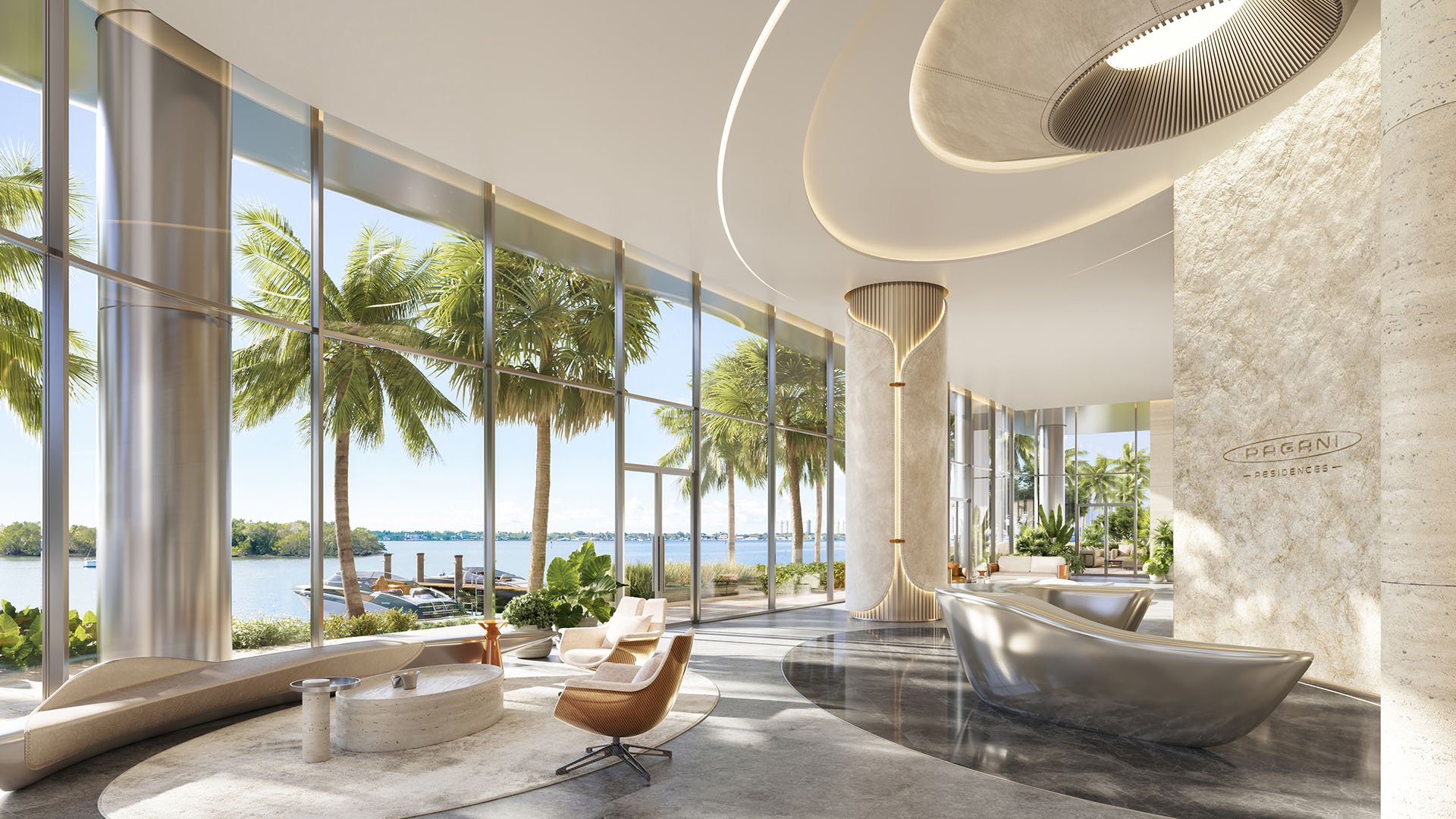
If Pagani North Bay Village is on your shortlist, confirm how arrival flow, access control, and staff operations align with your anonymity expectations.
In South Florida’s luxury segment, carrying costs aren’t background noise. They’re a primary feature of ownership.
Insurance, reserves, and maintenance schedules can materially change the long-term experience of a residence. A building that looks like a bargain at purchase can become a liability if assessments, deferred maintenance, or governance issues surface later.
For buyers considering oceanfront or near-ocean properties, the practical question isn’t whether costs exist-it’s whether they’re predictable and transparent. Ask for clarity on reserves, recent capital projects, and how the association communicates changes to owners. In a market where many residents are seasonal, the buildings that tend to win long-term are those with the most professional operational cadence.
Amenities have matured. The best buildings no longer compete on volume alone. They compete on whether the amenity program matches how residents actually live.
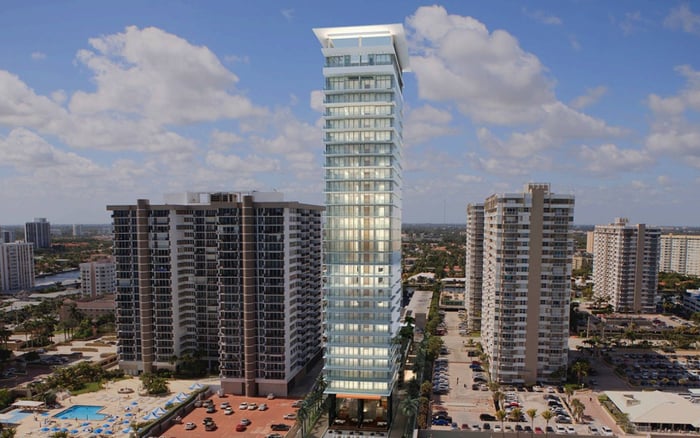
If you’re shopping for an oceanfront residence with a resort-forward sensibility, evaluate the staff-to-resident ratio, beach service standards, and how the arrival sequence is managed on weekends. For buyers who want a refined coastal experience in Broward County, 2000 Ocean Hallandale Beach is a useful reference point for what a modern, service-driven beachfront building can feel like.
If your life is city-based and schedule-heavy, look for practical luxury: valet reliability, seamless package logistics, resident-only elevators where available, and acoustics that support a true sense of retreat. If you entertain, consider how the building handles guest arrivals-and whether shared spaces feel like an extension of a private home or a public lobby.
If you’re buying for multi-generational use, prioritize simplicity: intuitive layouts, storage, and rules that don’t turn every visit into a negotiation.
At the ultra-prime level, the contract is less about “getting the deal” and more about ensuring the transaction is engineered with professional discipline.
For new construction, deposits and timelines should be evaluated against your liquidity preferences and your tolerance for change. Pre-closing periods can create an illusion of flexibility; in practice, they demand patience and careful review of what’s included, what’s optional, and what can be modified.
For resale, inspections should be treated as a strategic tool, not a formality. A tight, well-scoped inspection can validate your assumptions-or surface what it will take to bring the home to your standards. If you’re buying waterfront, include specialists who understand coastal conditions.
Across both, consider how your ownership structure and privacy needs intersect with closing logistics. Many high-net-worth buyers prefer a low-profile acquisition process, and that preference should be integrated early with counsel and closing partners.
The luxury buyer in 2026 isn’t simply buying “bigger.” They’re buying better: better sound attenuation, better air and water systems, better service training, and better governance.
Design is trending toward restraint rather than spectacle. Materials are expected to be authentic. Details are expected to be resolved. The aesthetic is increasingly timeless, because the buyer is increasingly allergic to anything that reads like a trend.
At the same time, buyers are getting more intentional about location. For some, that means beachfront and walkability. For others, it means a building that feels residential rather than transient. And for many, it means securing a home that performs as well for a long weekend as it does for an extended season.
If you’re evaluating multiple corridors, sharpen your lens by touring a small set of benchmark projects across different lifestyles. A Brickell reference like Una Residences Brickell frames the modern waterfront city-home ideal, while a Miami Beach benchmark such as The Perigon Miami Beach illustrates today’s definition of beachfront discretion and design.
What is the first decision to make when buying luxury real estate in South Florida? Choose the corridor and lifestyle first, then select a building that matches your daily routine.
Is new construction always the safer choice? Not always; new construction can offer modern systems, while resale can offer proven operations.
How important are HOA governance and reserves at the luxury level? They’re critical, because governance and reserves shape assessments, maintenance, and predictability.
What should I prioritize when touring oceanfront buildings? Focus on building envelope performance, maintenance culture, and the quality of service and access.
Do amenities really matter if I only visit seasonally? Yes, because amenities often reflect staffing quality and operational standards, not just lifestyle perks.
How can I evaluate privacy in a condo building? Look at arrival flow, elevator access, staff training, and how the building manages guests and vendors.
What is the biggest hidden cost for buyers? Unpredictable special assessments and rising operating costs can materially change the ownership math.
Should I renovate or buy new to get my preferred finishes? Buy new if you want simplicity and fewer logistics; renovate if you want a unique outcome and accept time.
How do I compare Brickell to Miami Beach for a primary residence? Brickell favors urban access and convenience, while Miami Beach favors walkability and ocean-centered living.
When should I involve legal and tax advisors? Early, ideally before making an offer, so ownership structure and closing strategy align with your goals.
If you'd like a private walkthrough and a curated shortlist, connect with MILLION Luxury.
If branded residences are on your mind — as a home or as an allocation — we would be glad to share what we are seeing, privately.
Begin a quiet conversation