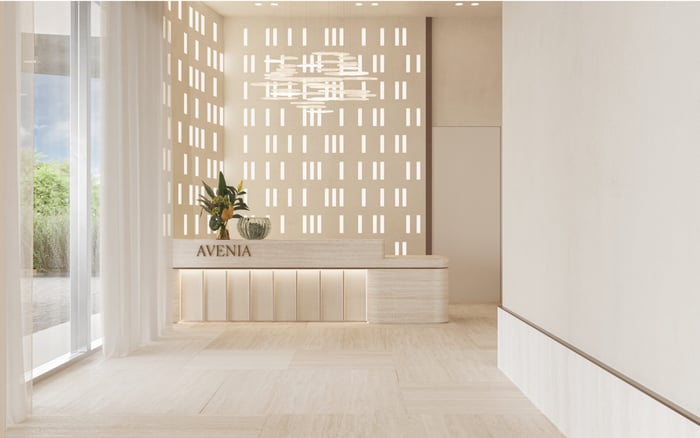
Half-floor penthouses resonate with multi-generational buyers because they can feel like a private home in the sky while still benefiting from a managed building environment. In Aventura, that proposition often translates into quieter arrival sequences, fewer shared walls, and the ability to separate everyday living from guest or extended-family routines. This editorial frames how to evaluate half-floor penthouse planning at Avenia Aventura for real-world, multi-generational use, focusing on privacy gradients, circulation, entertaining zones, and the practicalities that determine whether the home supports grandparents, adult children, and visiting family with equal ease.
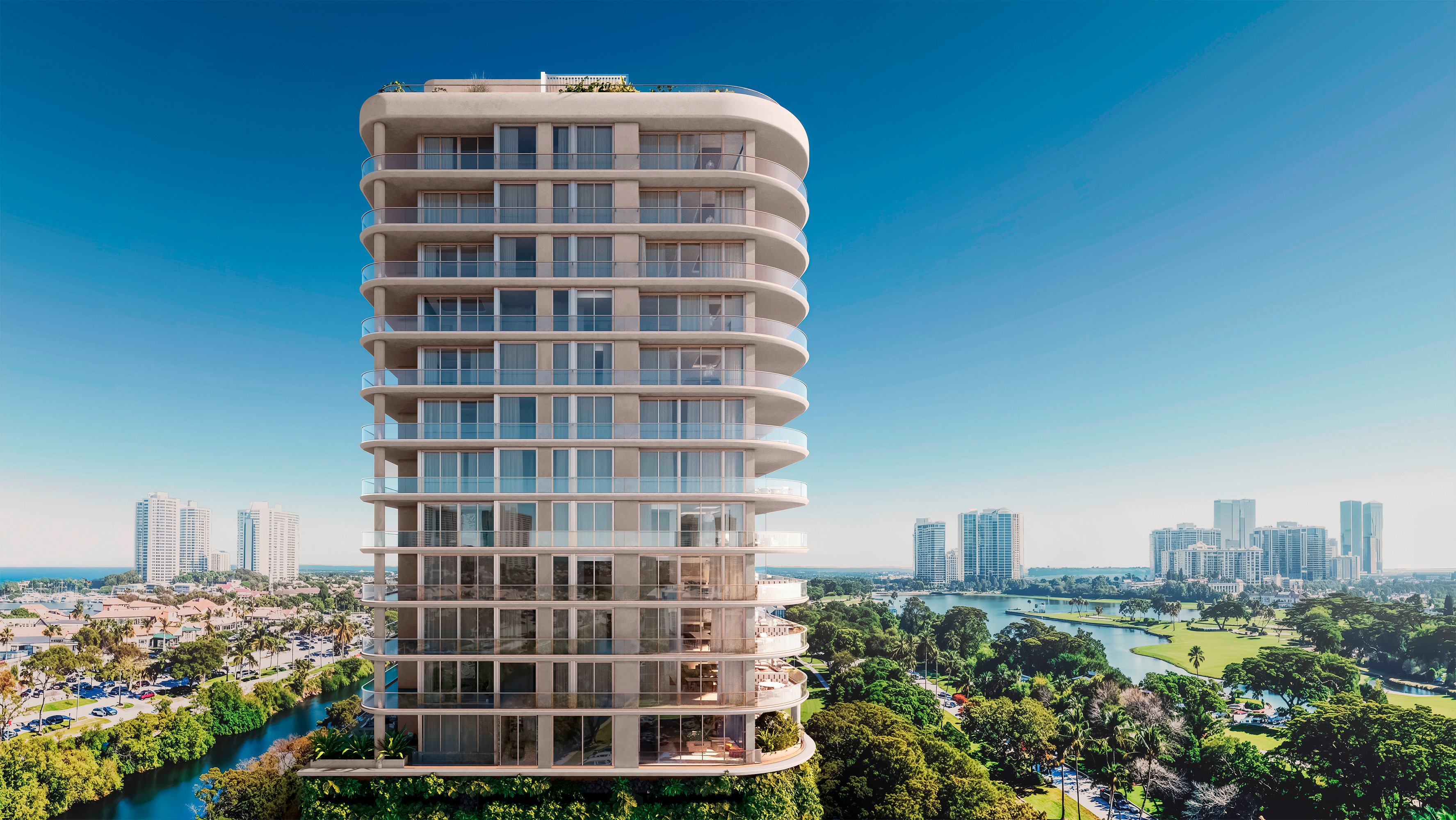
Multi-generational households don’t just need “more bedrooms.” They need a layout that lets different daily rhythms coexist without constant negotiation. A half-floor penthouse is compelling because it often claims a meaningful portion of the level-reducing immediate neighbors and consolidating the home into a plan that feels cohesive rather than corridor-heavy.
For families with grandparents, adult children, and intermittent guests, the ideal penthouse performs like three residences in one: a quiet private home, a hosting platform, and a flexible suite for extended stays. Evaluating Avenia Aventura through that lens means looking past the headline “penthouse” label and asking a sharper question: does the half-floor organization create a true privacy gradient, or does it simply compress spaces into an enlarged version of a typical condo?
In Aventura-where daily life often revolves around walkable conveniences, medical access, and short drives to beaches and airports-the multi-generational brief tends to be pragmatic: calm arrivals, clear separation between bedrooms and entertaining, and enough storage and service capacity to operate like a primary residence.
The strongest multi-generational plans read as a sequence of zones, not a collection of rooms. When you review a half-floor penthouse, translate the plan into three tiers.
First, the “public” tier: foyer, main living, dining, powder room, and primary entertaining terrace exposure (if present). This tier should allow guests to circulate comfortably without sightlines into private bedrooms or family work areas.
Second, the “family” tier: kitchen-adjacent casual living, breakfast space, media lounge, or flex room. This is the engine of daily life, and it should feel natural even when the formal living room is staged for entertaining.
Third, the “retreat” tier: bedroom wings and any study that needs true quiet. For multi-generational living, the standard is simple: can a grandparent suite function with minimal disturbance-ideally buffered from high-activity rooms by closets, baths, or corridors rather than sharing a wall with the living room?
A half-floor footprint can help when it enables a lateral split: one side anchored by the primary suite, the other by secondary suites, with the living and kitchen zones acting as the social bridge. If every bedroom opens off the same main corridor beside the living area, privacy becomes performative instead of real.
Multi-generational households benefit from circulation that provides options. The practical ideal is a layout that behaves as if it has two front doors: one for guests and formal arrivals, and another that supports everyday life.
Even with a single formal entry, look for cues that effectively simulate dual-entry living:
A foyer deep enough to absorb strollers, walkers, packages, and coats without spilling into the living room.
A powder room placed for guests that doesn’t require crossing into bedroom corridors.
A kitchen that’s reachable from the entry via a discreet path, so groceries and catering don’t travel through the entertaining zone.
If you’re testing whether grandparents can arrive with dignity and ease, confirm there’s a smooth route from entry to their suite-without tight turns, narrow pinch points, or a need to cross the loudest part of the home.
In a truly multi-generational penthouse, the kitchen is less a showpiece than an operating system. The best plans support two simultaneous modes: family cooking and formal hosting.
Start with adjacency. Does the kitchen connect naturally to casual dining and a family lounge, or is it isolated as a design moment? A comfortable casual zone near the kitchen is where grandparents can sit during meal prep, where children can do homework, and where a caregiver can work without taking over the formal dining room.
Then pressure-test the “mess management” realities:
Pantry volume and placement for bulk buying.
Clear landing zones for deliveries.
Space for a second refrigerator or beverage storage without crowding the main kitchen.
If the plan includes an island, it shouldn’t be the only dining solution. Multi-generational households often need varied seating heights and postures, which makes a real table in a comfortable position a practical requirement.
A frequent multi-generational miss is treating secondary bedrooms as interchangeable. A stronger approach is to define which suite needs the most autonomy and which can remain more integrated.
Grandparent-friendly suite characteristics to look for include:
Placement in a quiet corner, ideally away from the living room.
A bathroom layout that supports ease of use and privacy (without making accessibility claims).
Closet capacity that can handle longer stays.
For adult children or long-term guests, autonomy often means a suite that can operate like a compact apartment: room for a desk, a bath with meaningful separation between vanity and shower/toilet, and a location that allows late-night returns without waking the household.
If Avenia Aventura’s half-floor penthouse planning delivers distinct “wings,” that can be a real advantage for multi-generational buyers-reducing the friction that comes with shared hallways and shared sound.
Multi-generational households often carry multiple work and study schedules at once. The plan should provide at least one genuinely quiet room that isn’t a pass-through.
A common pitfall is a “den” positioned between living areas and bedroom corridors-inevitably turning into a traffic lane. A stronger solution is a study near the bedroom wing, or a flex room near the kitchen that can double as a homework lounge, keeping noise away from sleeping spaces.
As you read a plan, picture three calls happening at once: one in a study, one at the dining table, and one in a bedroom. If those calls can’t coexist without conflict, the layout isn’t fully supporting multi-generational life.
In luxury, the costliest problems are often the most mundane. Multi-generational living increases daily volume: more linens, more packages, more seasonal gear, more medical or wellness supplies, and more people who value order.
Key checks:
Laundry placement that doesn’t force circulation through entertaining spaces.
Storage distributed throughout the home, not concentrated only in bedroom closets.
Space for luggage, holiday décor, and sports equipment.
If a penthouse plan assumes minimal closetage because the home will be used occasionally, it may fall short as a true family residence. Half-floor scale should translate into functional capacity-not just bigger rooms.
Half-floor penthouses can reduce adjacency, but not all do so to the same degree. For multi-generational households, acoustics aren’t a luxury footnote; they shape day-to-day harmony.
Evaluate the plan for:
Bedrooms that don’t share walls with TV zones.
Bathrooms, closets, or corridors that act as acoustic buffers.
A powder room that isn’t back-to-back with a sleeping space.
If your household includes early sleepers and late-night hosts, this matters as much as any finish package. The real question is whether the half-floor arrangement creates a calmer edge condition-so private rooms aren’t pressed directly against the most active common areas.
Multi-generational households often host more frequently because the home becomes a social anchor. The best hosting layouts, however, protect private dignity.
The ideal entertaining flow includes:
Guests moving from entry to living and dining without entering bedroom corridors.
A powder room that feels obvious and naturally placed.
A kitchen that can support catering without becoming the visual center of the party.
A half-floor penthouse can excel when the entertaining zone sits near the view exposure and the bedroom wings remain behind a clear threshold. The objective is generosity without exposure.
For buyers comparing Aventura to other South Florida luxury nodes, it can help to calibrate “hosting style.” A waterfront, lifestyle-driven building such as Aria Reserve Miami may draw a different entertaining cadence than Aventura, where dinners can skew more family-centric and schedule-driven.
Avenia Aventura sits within a broader market where buyers weigh penthouse living against other options: oceanfront towers, branded residences, and quieter boutique buildings.
If your priority is intergenerational calm with a strong sense of privacy, you may compare the half-floor concept to the more expansive “statement” penthouse approach found in buildings such as Turnberry Ocean Club Sunny Isles, where the scale can be spectacular but may exceed what a discreet multi-generational household wants to manage.
For families who value beach adjacency and a resort-like rhythm for visiting relatives, an oceanfront option like 2000 Ocean Hallandale Beach may align with a different version of multi-generational life: more weekend-centric, more guest rotation, and a stronger emphasis on amenity days.
And for households anchored to business and culture, a Brickell alternative such as 2200 Brickell can reshape the brief around walkability to offices and dining-sometimes trading off the quieter, family-oriented tone many buyers associate with Aventura.
The point isn’t that one is superior. Multi-generational living is highly sensitive to neighborhood rhythm, and the right half-floor layout has to match the life outside the front door.
When you review a plan or tour a residence, use a checklist that reflects daily reality:
Can a guest arrive, use the powder room, and sit down without seeing private areas?
Can groceries enter and reach the kitchen without crossing the entertaining zone?
Is there a genuinely quiet suite for grandparents, buffered from living areas?
Is there at least one room that can close for work or study without functioning as a hallway?
Does storage feel adequate for a primary residence, not just seasonal use?
Does the plan support family life around the kitchen while formal spaces remain composed?
A half-floor penthouse should read like it has internal architecture, not just generous square footage. When a plan delivers clear boundaries, thoughtful circulation, and real autonomy for different generations, it can produce what multi-generational buyers want most: togetherness by choice, not by necessity.
What does “half-floor penthouse” typically imply for privacy? It often means fewer shared walls and a more controlled arrival experience than standard floors.
How many “wings” should a multi-generational penthouse have? Ideally, two sleeping zones so at least one suite stays quiet when the home is active.
Where should the grandparent suite be located in the plan? Ideally away from the main living room, buffered by closets or bathrooms.
Is an open kitchen good or bad for multi-generational families? It depends, but it should include a casual zone and enough storage to keep clutter contained.
What is the single most important circulation feature to check? A foyer and guest path that keep bedroom corridors private during entertaining.
How do you evaluate work-from-home needs in a penthouse layout? Prioritize at least one closeable room that isn’t a pass-through or traffic zone.
What service features matter most for larger households? Laundry placement, pantry capacity, and distributed storage tend to drive daily ease.
Should adult children have a suite near the main living area? Preferably not; a bit of separation supports late nights and independence.
How can you sanity-check if the layout will feel calm day to day? Imagine simultaneous routines, calls, and sleep schedules, then trace where conflicts occur.
Why consider Aventura for multi-generational penthouse living? It often suits buyers seeking discretion, convenience, and a family-centered cadence.
When you're ready to tour or underwrite the options, connect with MILLION Luxury.
If branded residences are on your mind — as a home or as an allocation — we would be glad to share what we are seeing, privately.
Begin a quiet conversation