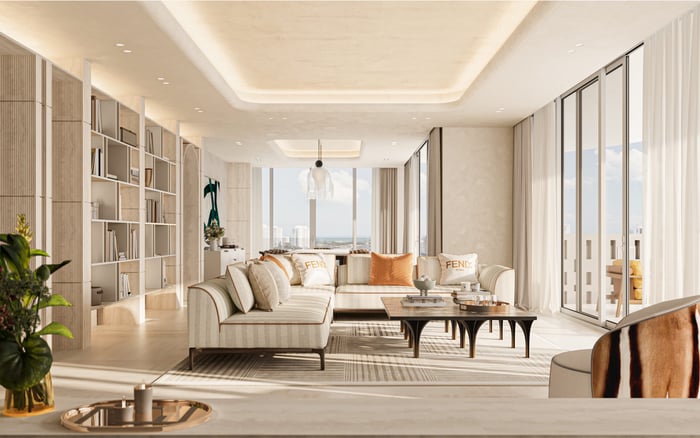
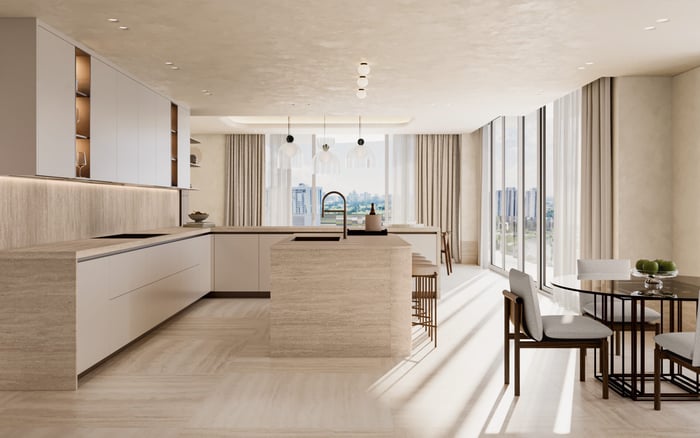
A buyer-oriented look at what “custom Fendi Casa wardrobe configurations” can realistically mean at Avenia Aventura, how to evaluate options during selection, and how to protect the design intent over time.
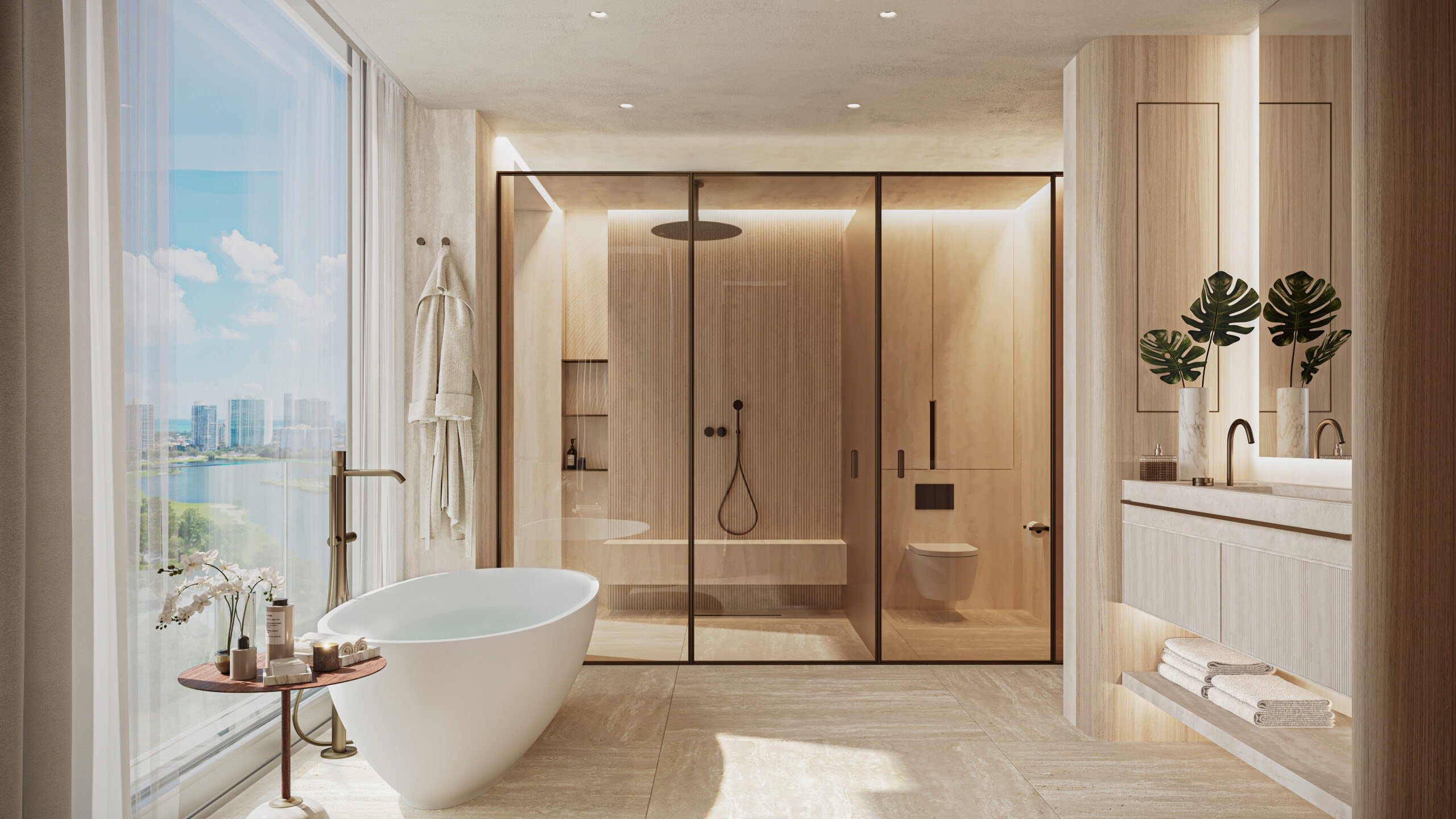
In South Florida’s most design-forward new construction, the wardrobe is no longer a back-of-house utility. It’s a daily ritual space-and, quietly, a value signal. In a residence positioned with branded interiors, the closet becomes one of the few places you physically engage with the architecture multiple times a day: hardware, drawer glide, lighting temperature, and the choreography of getting dressed.
At Avenia Aventura, “custom Fendi Casa wardrobe configurations” is best understood as a commitment to disciplined planning and elevated detailing. Rather than relying on assumptions, the most reliable way to evaluate the wardrobe program is to focus on what can be confirmed during selection: zone logic, module flexibility, and execution standards.
For the ultra-premium buyer, the question isn’t “How big is the closet?” It’s “Does this closet perform like a tailored garment?”
Even in generous primary suites, most wardrobes resolve into a few proven archetypes. The goal is to identify which structure best matches your day-to-day reality-then confirm the cabinetry is planned to support it.
Many closets are divided in name but not in function. A true split is more than mirrored hanging sections; it’s parity in the details: equal drawer depth, equal access to long-hang, and comparable placement for jewelry and accessory storage.
Buyer check: If one side receives the long-hang and the other gets drawers, ask whether the allocation can be rebalanced. The closet should never require the primary user to compromise.
This configuration suits owners who travel frequently, rotate seasonally, or maintain substantial collections of shoes, handbags, and eyewear. The differentiator is not more cabinetry-it’s more intelligent segmentation: shallow shelves that prevent stacking, pull-outs that preserve visibility, and lighting planned to avoid shadows at face level.
Buyer check: Confirm lighting is integrated exactly where you need it, especially near mirrors and accessory bays. A closet can photograph beautifully and still frustrate you at 6:00 a.m.
A minimalist closet isn’t sparse-it’s optimized. The objective is reduced decision fatigue through fewer, better modules; more closed storage; and drawers that replace open shelving. Here, finish and handle selection becomes more than aesthetic: the tactile experience is the luxury.
Buyer check: Prioritize modules that keep sightlines visually calm. In a branded interior, restraint often reads as more expensive than complexity.
“Custom” is a flexible term, and the distinction matters. In practice, it helps to define customization in three clear tiers.
This is the most common form of customization: selecting from a menu of cabinet widths, hanging heights, drawer banks, and accessory inserts that can be composed to fit the plan. When executed precisely, it reads as bespoke because it’s tuned to the space.
What to look for:
Adjustable hanging rods that can be reset as wardrobes change.
Drawer banks that can shift between folded knits, denim, and formalwear.
Dedicated zones for luggage and occasional-use items so they don’t dilute daily storage.
The premium leap often lives in inserts: valet rods, jewelry trays, watch storage, belt and tie pull-outs, and specialized shoe systems. These details don’t need to be abundant-they need to be placed correctly.
What to look for:
A valet zone near the closet entry, not buried at the back.
Soft-lined drawers where you store high-contact items.
Pull-outs with smooth travel and no wobble at full extension.
True bespoke means adjusting construction beyond standard modules. If that’s on the table, it should come with full clarity: shop drawings, defined approval points, and a clear understanding of how changes affect adjacent trades.
What to look for:
Written confirmation of what is “included” versus “upgraded.”
Clear lead times and a defined approval process.
A plan for replacement parts later, especially hardware and lighting components.
Luxury wardrobes can fail for surprisingly small reasons. Before getting pulled into finishes, confirm the closet works at human scale.
Key checks to make during review:
Long-hang should accommodate dresses and coats without pooling.
Too shallow and you can’t fold; too deep and items disappear.
If doors, drawers, and pull-outs collide, the closet will always feel smaller.
A mirror should be placed where you actually stand, with proper lighting.
If the closet has doors, confirm they don’t block access to the best storage.
A helpful mental model is to treat the closet like a galley kitchen: performance depends on clearance and sequence-not just square footage.
Branded interiors often succeed when identity is expressed through proportion, materiality, and detailing-not overt logos. In wardrobes, the most convincing luxury cues are typically subtle.
Consider these decision points:
Select a palette that aligns with the residence’s broader interior scheme, especially flooring and door finishes.
The “click” and resistance of handles and pulls should feel intentional.
Warm, even illumination flatters clothing and avoids retail glare.
Where your hands go most often, a softer lining reads as quiet refinement.
If you’re comparing branded projects, pay attention to how each building answers the same question: does the brand language show up in everyday touchpoints, or only in statement spaces? For example, some buyers considering 888 Brickell by Dolce & Gabbana in Brickell may gravitate toward bolder expression, while others prefer a wardrobe that feels tailored and understated.
Closets are personal; resale isn’t. The strongest approach is to make the primary wardrobe highly functional without making it overly idiosyncratic.
Guidelines that tend to protect long-term appeal:
Keep at least one section flexible as true long-hang.
Avoid overcommitting to highly specialized inserts that a future owner may remove.
Maintain symmetry where possible. Even if you don’t care, future buyers often do.
Preserve a “blank canvas” wall for optional safes, art, or additional shelving later.
In Aventura-where buyers can include both full-time residents and second-home owners-the closet often needs to support two modes: daily living and seasonal rotation. A configuration that can be rebalanced without construction is usually the most sophisticated choice.
The common misstep is concentrating attention on the primary suite while treating secondary closets as standard. Yet guest experience is part of the luxury promise, and secondary rooms often evolve into offices, wellness rooms, or children’s rooms over time.
What to prioritize:
A straightforward, high-quality baseline module rather than an underbuilt closet.
Sufficient drawer capacity so a bedroom can function as a true suite.
Consistent hardware and finish language so the home reads as cohesive.
For buyers also touring coastal projects such as 2000 Ocean Hallandale Beach, it’s worth observing how quickly “luxury” can feel inconsistent when secondary storage is treated as an afterthought. Consistency is often more persuasive than extravagance.
A luxury wardrobe isn’t only installed-it’s preserved. The difference between a closet that stays pristine and one that ages poorly often comes down to documentation.
Ask for, and keep, a simple record set:
Final selected layout drawings or configuration summary.
Finish and hardware identifiers used throughout the residence.
Lighting component details for replacement consistency.
Any care guidance for specialty materials.
This is also practical if you later add built-ins in another room and want a cohesive match. In a design-driven building, coherence is a resale asset.
South Florida’s branded-residential landscape has become a study in how lifestyle is translated into interiors. Some projects express identity through shared amenities and hospitality cues. Others express it through private interiors and cabinetry discipline.
When you evaluate a wardrobe program at Avenia Aventura against the broader market, the most relevant question isn’t which brand is most recognizable. It’s which execution delivers the strongest daily experience at the points of contact: drawers, doors, lighting, and the quiet logic of storage.
If you’re also comparing neighborhoods, the same lens applies. A Surfside buyer drawn to Fendi Château Residences Surfside may prioritize a fashion-forward interior story, while an Aventura buyer may value proximity, privacy, and a wardrobe that supports a fast rhythm without feeling like a showroom. Different expressions, same standard: closets should feel effortless.
Before you finalize, run a concise, buyer-oriented checklist.
Does the layout reflect your real wardrobe categories, not an idealized version?
Is there a deliberate place for shoes, bags, accessories, and travel items?
Are clearances sufficient to open drawers and doors without conflict?
Do lighting and mirrors support how you dress, including early morning and evening?
Can the configuration adapt to seasonal needs or a changing household?
Does the finish palette feel integrated with the residence’s larger interior scheme?
In the best executions, the wardrobe disappears as a problem. It becomes a calm backdrop that makes the rest of the home feel more composed.
What does “custom wardrobe configuration” usually include in a new luxury condo? Typically, it means selecting from configurable modules, drawers, and inserts to suit the plan.
Should I prioritize more hanging space or more drawers? Most owners underestimate drawers; a balanced plan typically outperforms wall-to-wall hanging.
How can I tell if closet hardware is truly high quality? Test smoothness, stability at full extension, and consistent alignment across doors.
Is integrated lighting in a wardrobe worth it? Yes-when it’s evenly placed and warm-toned, it improves daily use and presentation.
What closet layout helps resale the most? Flexible long-hang paired with neutral drawer and shelving modules appeals to the widest audience.
Do accessory inserts add value or just complexity? A few well-placed inserts add daily convenience; too many can feel overly specific.
How should I plan for seasonal storage in South Florida? Reserve a top shelf or dedicated cabinet for off-season items and travel gear.
What is the biggest functional mistake in luxury closets? Poor clearances-where doors and pull-outs collide-making the space feel tight.
Can a guest closet still feel “luxury” without being large? Yes. Quality modules, good lighting, and a coherent finish palette matter more than size.
What should I keep after I finalize my closet selections? Save the final configuration summary, plus finish, hardware, and lighting details for upkeep.
If you'd like a private walkthrough and a curated shortlist, connect with MILLION Luxury.
If branded residences are on your mind — as a home or as an allocation — we would be glad to share what we are seeing, privately.
Begin a quiet conversation