A discreet, buyer-oriented guide to Coral Gables, from its Mediterranean Revival DNA and landmark streetscapes to the city’s design-review culture and its most coveted gated waterfront enclaves.
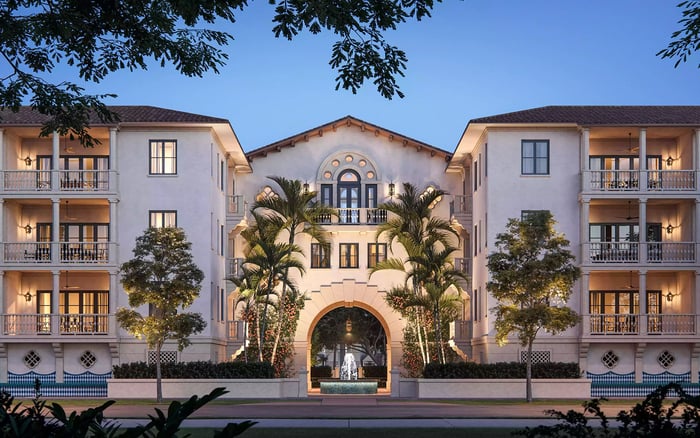
Coral Gables was conceived as a planned community-and that origin still reads clearly at street level. The city’s identity is rooted in a Mediterranean Revival vocabulary: stucco walls, red tile roofs, arches, and a disciplined sense of proportion that feels composed, not improvised. For luxury buyers, that distinction matters because the beauty here is not accidental; it’s part of the place’s social contract.
That contract extends well beyond aesthetics. Coral Gables’ most enduring appeal is its blend of prestige and predictability: a community shaped for long-term livability, close-in access to the broader Miami core, and a visual coherence that makes arriving home feel like entering a distinct city-not just another zip code.
Mediterranean Revival architecture reached peak popularity in the 1920s and 1930s, and Coral Gables emerged as one of its most recognizable American stages. In practical terms, the style favors an indoor-outdoor rhythm, shaded loggias, and warm materials that age gracefully in a subtropical climate.
At the top of the market, the conversation is rarely only about square footage. It’s about whether a home’s architecture can carry the weight of a major renovation without losing its soul. In Coral Gables, the strongest outcomes typically preserve original massing and the cadence of the streetscape, then introduce modern performance quietly: improved glazing, tighter building envelopes, and contemporary kitchens and baths that complement rather than compete with the facade.
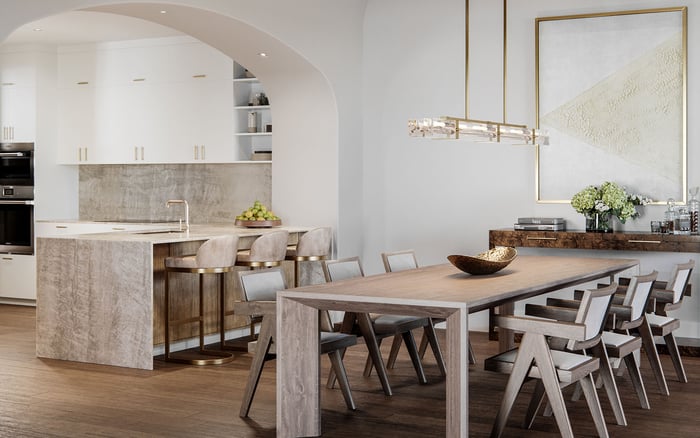
In newer residential product, this design language often shows up as “classic with restraint”-current construction standards without turning the building into an outlier. A good example of that city-centered, walkable-luxury posture is Cora Merrick Park, which sits naturally within the Gables context.
Coral Gables treats design governance as a feature, not friction. The city operates a Board of Architects that reviews a wide range of changes, from new buildings to details that can seem minor-roof tiles, signage, and other visible elements. For buyers, that carries two clear implications.
First, the bar for visual compatibility is real. If your plan includes a meaningful exterior transformation, build design alignment into the timeline. Second, that oversight is exactly why many owners accept the process: it helps prevent the city from drifting into a patchwork of short-term trends.
The city also formalizes “Coral Gables Mediterranean Architecture” tied to its original vision, and it offers a zoning incentive framework commonly referred to as a “Med Bonus,” which can award additional floor area ratio and stories when Mediterranean design prerequisites and requirements are met. For sophisticated buyers considering development or redevelopment, the point is less about maximizing mass and more about understanding what the city rewards: coherence, proportion, and an architecture-first approach.
In Coral Gables, certain landmarks function as lifestyle anchors. The Miami Biltmore Hotel, completed in 1926, remains one of the city’s defining silhouettes, with a tower design inspired by the Giralda in Seville. Even without booking a room, the Biltmore’s presence contributes to an atmosphere of tradition and ceremony.
Then there is the Venetian Pool, created from a limestone quarry and later developed into a public swimming destination. It is also listed on the National Register of Historic Places-a rarity for a swimming pool in the United States. In a luxury context, these places operate like shared living rooms: you are not simply buying a home; you are buying into a civic atmosphere that still values craft and continuity.
For day-to-day rhythm, Miracle Mile provides a central shopping and dining corridor that reinforces the city’s pedestrian-friendly experience and Mediterranean-style streetscape. Buyers who want a “walk when you feel like it” lifestyle often find Coral Gables more satisfying than districts built around constant vertical intensity.
At the top of the Coral Gables market, the conversation narrows quickly to privacy and water access. Two enclaves are especially associated with that ultra-private profile.
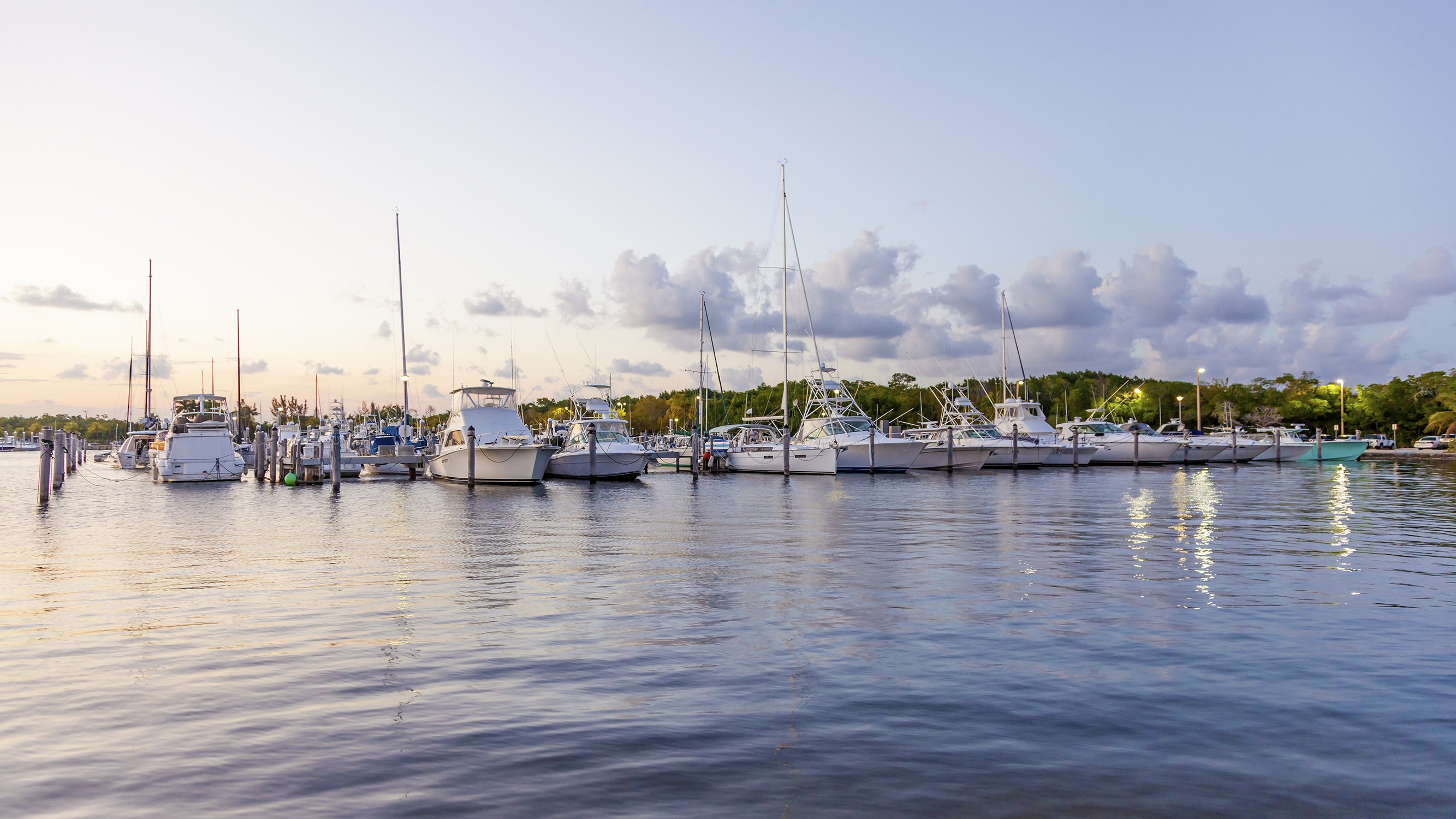
Gables Estates is a guard-gated waterfront community located off Old Cutler Road. It is known for extreme scarcity-roughly 179 homes and lots-and pricing that reflects that rarity. Buyers drawn here tend to prioritize controlled access, distance from through-traffic, and a waterfront orientation that still reads as residential rather than performative.
Cocoplum is another gated community in the Biscayne Bay area, with private security and a significant share of waterfront homes along the Gables Waterway. The lifestyle proposition is similar: quiet streets, controlled entry, and an environment designed to protect family routine and discretion.
For buyers weighing a custom waterfront home against a lock-and-leave residence elsewhere in South Florida, it helps to compare privacy profiles. A tower lifestyle in areas like Brickell can deliver concierge convenience, as seen with 2200 Brickell, while certain coastal buildings offer a more resort-centered rhythm, such as 57 Ocean Miami Beach. Coral Gables’ gated waterfront option sits apart: less about being seen, more about being protected from being seen.
A well-composed Mediterranean Revival home on a prime street can carry a different kind of desirability than a larger but less context-sensitive property. And gated waterfront inventory tends to behave differently from the broader city because scarcity is structural, not temporary.
Coral Gables offers a Historic Preservation Ad-Valorem Tax Exemption Program that can reduce the tax impact of qualifying improvements to historic properties. Importantly, it exempts the increased taxes due to improvements, not all taxes. The city’s preservation guidance describes this as a potential 10-year “freeze” on the value of qualifying improvements for locally historic properties, subject to approvals and participating taxing authorities.
For buyers, the strategic value is straightforward: if you are purchasing a historically meaningful home and planning significant work, it’s worth confirming early-rather than late-whether your intended scope aligns with preservation frameworks. The best renovations in the Gables treat original details as assets to restore and complement, not obstacles to erase.
A subtle but meaningful point: a preservation mindset isn’t limited to major estates. The city has a track record of valuing smaller 1920s-era structures and adaptive reuse, reinforcing a sense of place that feels increasingly curated over time.
Coral Gables offers a mix of public and private school options that many residents factor into long-term planning. Beyond schools, city-level demographic profiles are publicly available and often used by buyers as a proxy for community stability and lifestyle compatibility.
In practice, Coral Gables tends to suit a few distinct luxury buyer profiles:
The heritage buyer who wants a home with architectural pedigree and a streetscape that reads as “finished.”
The family buyer who wants long-hold livability, a measured pace, and a neighborhood that supports routine.
The privacy buyer who prioritizes gated access and a waterfront address that still feels quietly residential.
If your lifestyle leans more toward new-build wellness programming and contemporary coastal minimalism, districts like Coconut Grove can provide an adjacent, more modern counterpoint, including residences such as The Well Coconut Grove. That comparison can clarify what you need Coral Gables to deliver.
Coral Gables is not a single experience; it’s a collection of micro-markets. A disciplined buyer typically narrows the search with a few decision filters:
Walkability vs. seclusion. Do you want to be near Miracle Mile’s rhythm, or do you prefer to disappear behind gates and landscaping.
Architectural non-negotiables. Decide whether you want true Mediterranean Revival character, a sympathetic update, or something closer to contemporary but still compatible.
Renovation tolerance. If you want turnkey, you’ll pay for it. If you’re willing to renovate, assume the design-review process is part of the ownership experience.
Water access reality. Waterfront in Coral Gables is prized, but it introduces practical considerations: maintenance, insurance decisions, and long-term resilience planning. These are manageable, but they are not theoretical.
What makes Coral Gables different from other Miami-area luxury neighborhoods? It was built as a planned community with a consistent Mediterranean Revival identity and unusually strong design oversight.
Is Mediterranean Revival still the dominant look in Coral Gables? Yes, and many newer projects and renovations aim to remain visually compatible with that architectural language.
What is the Board of Architects and why does it matter to buyers? It is a city body that reviews many design changes, helping maintain streetscape cohesion that supports long-term value.
Are there incentives for Mediterranean-style projects? The city’s zoning framework includes a Med Bonus concept that can award additional FAR and stories if requirements are met.
What are the most private, high-end enclaves in Coral Gables? Gables Estates and Cocoplum are widely recognized for gated security and a strong concentration of waterfront homes.
Does Coral Gables have true landmarks, or is it mostly residential? It has major anchors like the Biltmore and the Venetian Pool that shape lifestyle and reinforce the city’s heritage.
Is the Venetian Pool historically significant? Yes, it began as a limestone quarry and is listed on the National Register of Historic Places.
How should I interpret the city’s average home value figure? Treat it as a broad signal; individual value in the Gables is driven heavily by micro-location, lot quality, and architecture.
Can historic-property owners receive property-tax relief for improvements? Potentially, through a program that can exempt the increased taxes attributable to qualifying improvements for a defined period.
Where is the walkable center of Coral Gables? Miracle Mile is a central shopping and dining corridor that supports a pedestrian-friendly daily routine.
When you're ready to tour or underwrite the options, connect with MILLION Luxury.
If branded residences are on your mind — as a home or as an allocation — we would be glad to share what we are seeing, privately.
Begin a quiet conversation