Rivage Bal Harbour’s targeted 2027 delivery is a planning reference, not a confirmed occupancy or closing date. Buyers should coordinate certificate documentation, financing conditions, insurance instructions, and move-in permissions before making firm commitments.
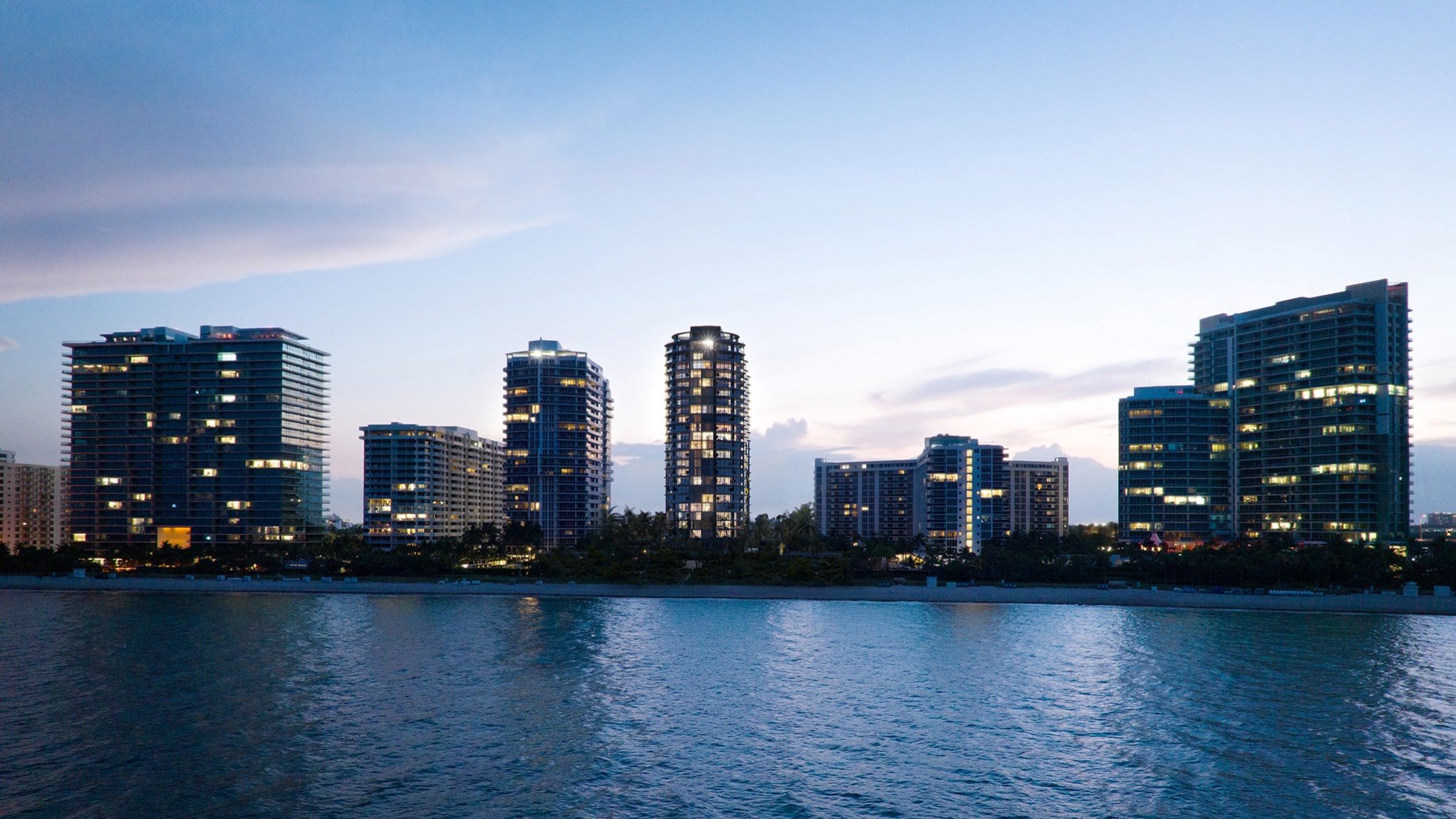
An oceanfront residence promises a particular ease of living. Securing that ease requires equal attention to the less visible details of delivery. At Rivage Bal Harbour, the central timing question is not simply when construction is expected to finish. It is which documented milestones will support your financing, insurance arrangements, closing, and eventual occupation.
A delivery target is not a confirmed move-in date. Treat certificate-of-occupancy timing as a distinct due-diligence question, not as a synonym for architectural completion or the release of keys. The objective is to give your attorney, lender, insurance adviser, and household team one coordinated set of instructions, supported by the relevant documents.
Rivage occupies an oceanfront address at 10245 Collins Avenue in Bal Harbour. Its development partners are Related Group, Two Roads Development, and Rockpoint. The building is specified at 24 stories and 275 feet, establishing the scale of a project whose published residential program has evolved.
At its January 2023 launch, the project was described as comprising 61 residences. By November 2024, the published count was 56, with approximately 25,000 square feet of amenities. In March 2024, residences were described as offering three to eight bedrooms and approximately 3,300 to 12,600 interior square feet. These figures reflect distinct moments in the project's history; they should not be combined into a definitive current specification.
For a buyer, the implication is straightforward: request current documents for both the particular residence and the development as a whole. Confirm the applicable floor plan, residential count, amenity program, and delivery provisions before relying on earlier marketing descriptions for a purchase decision.
Construction began in September 2024. A $424 million construction loan was publicly disclosed in January 2025, alongside an expected delivery year of 2027. That disclosure did not establish a certificate-of-occupancy timetable or a buyer-closing schedule.
The publicly listed architectural completion year is 2026, distinct from the 2027 delivery target. As of April 20, 2026, Rivage was still classified as under construction. In September 2026, construction was likewise described as underway, with completion targeted for 2027. Keep these dates distinct. Neither the discrepancy nor the construction financing alone establishes a guaranteed handover date.
Use 2027 as a qualified planning reference, then request a written milestone schedule. Ask for separate entries covering anticipated certificate issuance, your residence's closing window, possession, and authorized move-in. Confirm who will communicate changes and how much notice the purchase agreement provides. Your attorney should distinguish contractual dates from estimates.
The developer's construction loan and your acquisition financing answer different questions. The disclosed $424 million loan does not prove that completion is guaranteed, that every remaining cost is funded, or that a particular buyer's mortgage will be approved.
Before committing to a financing timetable, ask your lender to set out its requirements in writing. Which certificate or other completion documents must it review? Would any temporary or conditional approval be acceptable, if relevant? Does it need additional project documentation, and when must that material arrive? These are questions for your lender, not assumptions about Rivage's closing process.
Next, examine your exposure to timing changes. Ask whether a revised closing date would affect your rate arrangement, approval validity, appraisal requirements, or available funding window. Request any extension terms and associated costs before selecting a financing strategy. Have your attorney compare those conditions with the contract's closing-notice provisions so the two timetables can be assessed together.
A cash purchaser can omit the mortgage discussion but should still obtain advice on the contractual basis for closing and possession. Liquidity does not answer the occupancy question.
Insurance deserves its own written schedule. Do not assume that a delivery announcement, certificate issuance, closing, and physical move-in require the same coverage instructions. Ask your insurance adviser to review the transaction documents and explain what should be arranged for each relevant date.
Clarify the relationship between the building's insurance and your proposed residence coverage. Ask what evidence the lender, if any, requires, when your policy should take effect, and how a postponed closing would be handled. Coverage conclusions should rest on the applicable policy and your adviser's review, not on the project's construction status.
For a residence with substantial furnishings, art, or planned interior work, ask separately about deliveries, installation activity, and any period before regular occupation. The aim is not to presume a particular exclusion or requirement, but to obtain written answers before property or contractors arrive.
For a seasonal household, a projected delivery year can quickly become a calendar of flights, furniture shipments, and family visits. Keep those commitments flexible until the relevant parties confirm when your residence can be occupied and how access will work.
Ask the developer about the anticipated inspection process, the handling of unfinished items, and arrangements for keys and possession. Ask building management, when available, about delivery reservations, contractor access, and move-in procedures. Separately, confirm which amenities are expected to be available at handover. An overall delivery target is no substitute for answers to these practical questions.
For buyers also considering Ocean House Surfside, apply the same residence-specific questions rather than assuming nearby projects share a delivery sequence. A comparison that includes The Delmore Surfside should likewise distinguish design preferences from the documentation needed to plan occupation. Location can shape the shortlist; written timing information should shape the logistics.
Before accepting a firm closing calendar, assemble a concise file containing the current purchase documents, written milestone guidance, lender conditions where applicable, insurance instructions, and possession arrangements. Ask your attorney to confirm which occupancy documentation applies to the residence, what it authorizes, and how it relates to your contractual obligations.
Then reconcile the dates across that file. If the lender expects one document, the insurance adviser is working toward another date, and the household is planning an earlier arrival, resolve those differences before making nonrefundable commitments. Update the file when formal notices arrive rather than relying on an earlier conversation.
Rivage's targeted 2027 delivery offers a useful horizon. The more consequential discipline is ensuring that financing readiness, appropriate coverage, and authorized occupation each have a documented basis.
For a discreet perspective on your South Florida residential shortlist, connect with MILLION.
If branded residences are on your mind — as a home or as an allocation — we would be glad to share what we are seeing, privately.
Begin a quiet conversationRivage is an oceanfront condominium development at 10245 Collins Avenue in Bal Harbour, Florida.
The development partners are Related Group, Two Roads Development, and Rockpoint.
Delivery was expected in 2027 in January 2025 guidance, and September 2026 guidance continued to target 2027. That target is not a confirmed certificate-of-occupancy, closing, or move-in date.
The publicly listed architectural completion year is 2026, while separate delivery guidance targets 2027. Buyers should request written clarification rather than assume the two dates describe the same milestone.
The January 2025 construction-financing announcement provided an expected delivery year but did not establish a certificate-of-occupancy or buyer-closing schedule.
January 2023 launch details described 61 residences, while November 2024 details described 56. Buyers should confirm the current residential program in the applicable project documents.
The disclosed construction loan should not be treated as a completion guarantee or proof that every remaining cost is funded. It also does not establish approval for an individual buyer's financing.
Ask which certificate and project documents the lender requires and when they must be reviewed. Also request written guidance on how a changed closing date would affect approval, rate arrangements, and funding.
Ask your insurance adviser to determine the appropriate effective date using your transaction documents and proposed policy. Coordinate that instruction with closing, possession, lender requirements, and any planned deliveries.
Use the delivery target for flexible planning, not as confirmation of authorized occupation. Obtain written possession and access instructions before making nonrefundable moving commitments.