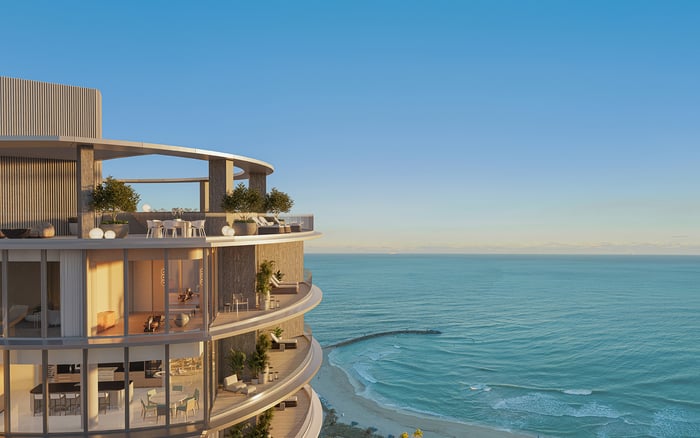
The Delmore’s architectural ambition deserves an equally disciplined ownership review. Before committing, buyers should clarify voting allocations, board control, operating obligations and the conditions for association turnover.
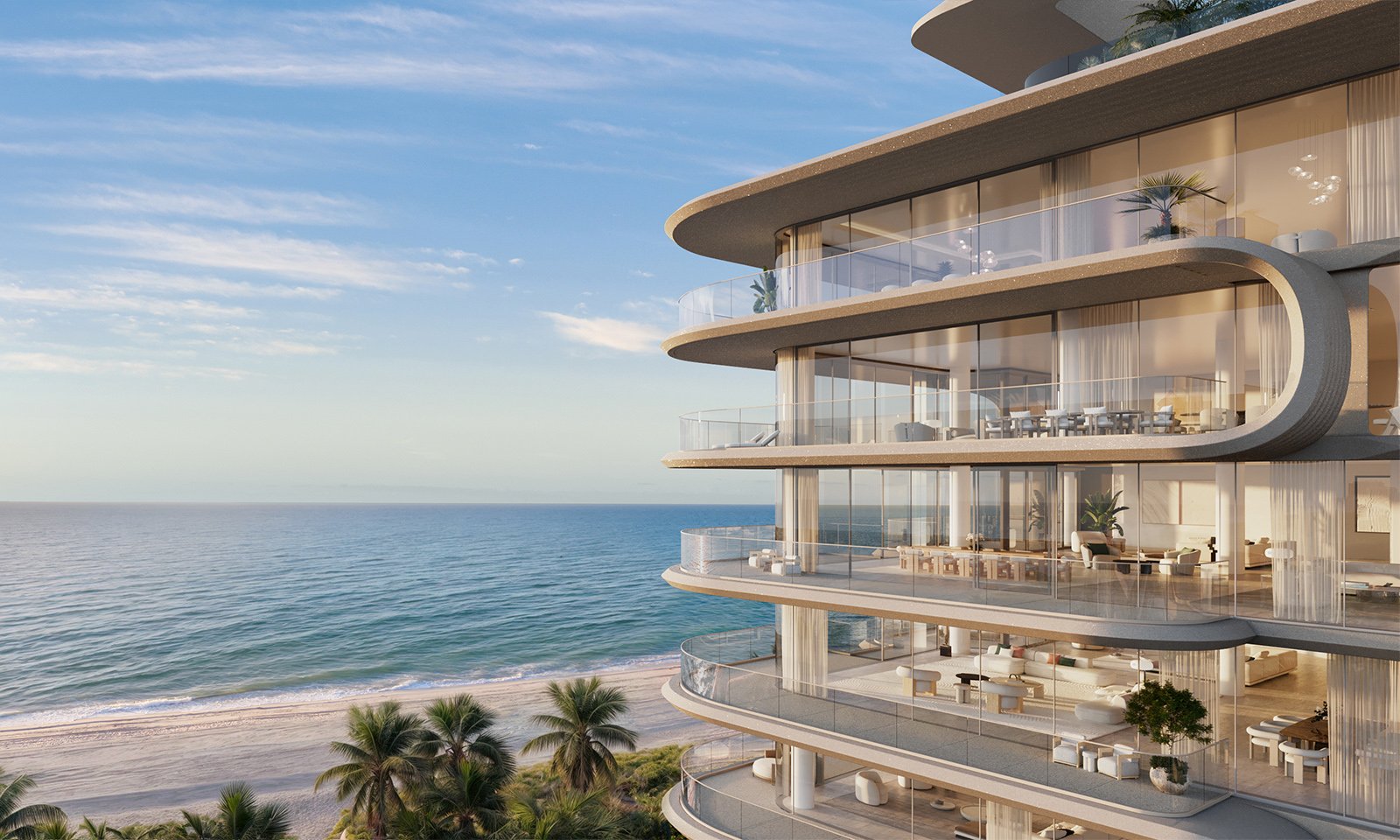
At The Delmore Surfside, the appeal is clear: a planned oceanfront condominium at 8777 Collins Avenue, with 37 residences across 12 stories, architecture by Zaha Hadid Architects and interiors by HBA Residential. DAMAC International is developing the property through its U.S. subsidiary, East Oceanside Development.
For buyers, however, architectural authorship and association authority are separate considerations. The essential question is not simply what the residence offers, but who can make decisions about ownership costs, services and maintenance before owners assume control.
Treat developer-controlled voting rights as a due-diligence issue, not a conclusion about The Delmore’s actual arrangements. Do not assume unlimited amendment powers, continuing vetoes or restrictions on construction claims. Counsel would need to identify any such provision in the governing documents and assess it under applicable law.
A useful review distinguishes voting power, board authority and rights that may survive turnover. These questions are related, but a general assurance that owners will eventually take over does not answer them.
Voting power:
Ask counsel to identify how votes are allocated, how sponsor-held residences are treated and which decisions require particular approval thresholds. A planned count of 37 residences does not establish one vote per residence.
Board authority:
Establish who appoints and removes directors at each stage of development and sales. Ask when purchasers gain representation and when they can elect a controlling share of the board, subject to the documents and applicable law.
Continuing rights:
Identify whether any developer consent, access, marketing or amendment rights continue after turnover. Verify their existence, scope and duration rather than inferring them from the developer’s identity.
Identifying DAMAC and East Oceanside Development does not establish the absence of lenders, equity partners or other control arrangements. Ask which legal entity owes each material obligation.
The Delmore’s completion has been anticipated around 2029. That is neither a guaranteed delivery date nor an indication of when association control transfers.
Have counsel prepare a timeline that separates construction completion, your closing, owner representation and turnover. For each milestone, identify the contractual provision or applicable legal requirement, the event that starts the clock and any exceptions requiring attention.
The practical question is how decisions will be made during your expected ownership period before turnover. If the developer still appoints directors when you close, ask what participation, notice and information rights you have. If sales or delivery take longer than expected, ask how the delay affects governance and financial obligations.
A buyer also considering Ocean House Surfside should request the same timeline for that property. Compare each project’s documents rather than assuming neighboring addresses share governance terms.
Starting pricing in August 2025 was $15 million; that figure is not a current availability quote. The planned residential program comprises four- and five-bedroom homes averaging approximately 7,000 square feet. At this scale, the operating structure deserves as much scrutiny as the purchase price.
Request the initial association budget and its supporting assumptions. Ask how staffing, maintenance, insurance and service levels have been estimated, and which expenses belong to the association rather than another entity. Review reserve assumptions with appropriate legal and financial advisers.
Examine any sponsor deficit-funding obligation closely. Who pays, what does the obligation cover, when does it end and how are unsold residences treated? Do not presume that support exists or continues until every residence closes.
Request a comparison of expected costs before and after any temporary funding arrangement ends. The objective is not to predict an assessment without evidence, but to understand the assumptions behind the proposed carrying cost-and who can change them.
Governance becomes tangible when it determines who can approve a service contract, revise a rule or allocate an expense. Ask counsel to connect each significant operating commitment to the party authorized to approve it.
Request amenity ownership documents and management agreements. Establish who owns the spaces residents expect to use, who maintains them and how access and costs are defined. An amenity presentation is not proof of association ownership or an unchangeable service entitlement.
For material agreements, review the counterparty, duration, renewal provisions, termination rights and any disclosed affiliation with the developer. Ask whether and how an owner-controlled board could revisit those arrangements. Do not assume turnover makes every contract replaceable.
For a shortlist that includes Rivage Bal Harbour, this document-led comparison is more useful than inferring control from design or location. Evaluate the same questions independently at each address.
The Delmore occupies the former Champlain Towers South site, where the June 2021 collapse killed 98 people. That history warrants respectful acknowledgment and a disciplined focus on documentation, without drawing unsupported conclusions about the planned building.
The Town of Surfside foundation permit had been received as of August 2025. Site preparation has included deep-soil mixing intended to stabilize soil and create a watertight perimeter around the basement. Neither the permit nor that work alone establishes long-term safety.
Request engineering documentation, inspection and maintenance plans, warranties and the schedule of records to be delivered at turnover. Ask which materials will be available for independent professional review, who is responsible for assembling them and how unresolved items will be tracked.
Have counsel examine any provisions addressing warranties, dispute resolution or construction claims. Do not presume restrictions exist or that a contractual provision is enforceable simply because it appears in an agreement. The goal is a clear legal and technical handover plan.
Before committing, ask your advisers for a concise written governance summary. It should identify who controls which decisions, what you must fund, when control changes and which rights or obligations continue afterward. Each answer should point to the relevant provision and distinguish a binding commitment from a sales expectation.
Pair that summary with a schedule of unresolved questions. Seek written clarification of ambiguous language, and have counsel explain the consequences before you sign or waive any available protection. A verbal assurance about future owner control is no substitute for understanding the operative terms.
The Delmore’s design may establish its appeal. A careful review of voting rights, budgets and turnover should establish whether its ownership framework fits your expectations.
For a discreet perspective on South Florida’s ultra-premium residential choices, connect with MILLION.
If branded residences are on your mind — as a home or as an allocation — we would be glad to share what we are seeing, privately.
Begin a quiet conversationThe Delmore is planned at 8777 Collins Avenue, Surfside, Florida 33154, on an oceanfront site.
DAMAC International is developing The Delmore through East Oceanside Development, its U.S. subsidiary.
The project is planned to contain 37 residences across 12 stories. That residence count does not establish how association votes are allocated.
Zaha Hadid Architects is the design architect, and HBA Residential is responsible for the interiors.
Ask counsel to verify vote allocations, treatment of sponsor-held residences, director appointment and removal rights, and amendment thresholds. Any developer rights surviving turnover also require review.
No, completion has been anticipated around 2029, but neither delivery nor association turnover is established by that target. Counsel should verify the relevant triggers separately.
Starting pricing in August 2025 was $15 million. That historical starting price is not a current availability quote.
Request the initial budget, reserve assumptions, any sponsor deficit-funding terms, amenity ownership documents and management agreements. Clarify how expenses and obligations may change after temporary funding ends.
No. A foundation permit and site preparation alone do not establish long-term safety; buyers should request engineering documentation, inspection plans, maintenance plans and warranties for professional review.
It should explain who controls material decisions, what owners must fund, when control changes and which rights or obligations continue afterward. Counsel should connect each conclusion to the governing documents and applicable law.