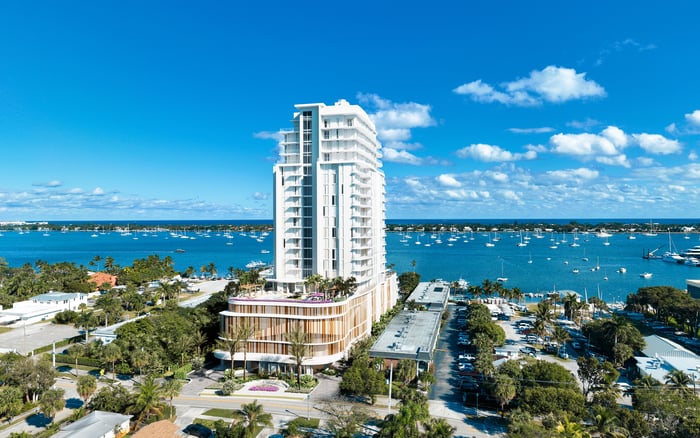
A discreet buyer’s framework for assessing a Palm Beach seasonal condominium: confirm ownership permissions, request residence-level resale evidence, and compare the full annual cost before committing.

A seasonal residence in Palm Beach should suit the life you intend to lead: comfortable winter stays, effortless entertaining and a setting worth returning to. For a buyer taking title through a trust or entity, the acquisition also warrants a precise exit brief. Who might buy this particular residence later, and what evidence supports that expectation?
A prestigious address is no substitute for residence-level analysis. Request two separate files before committing: one covering the proposed ownership structure, the other covering resale comparability and annual ownership costs. The objective is not to predict a sale date, but to distinguish a compelling home from an unsupported assumption of liquidity.
Whether the search includes Palm Beach Residences or an established resale condominium, apply the same discipline. A project introduction is a starting point-not evidence of trust acceptance or future buyer demand.
Ask the association or its authorized representative for the governing documents and written guidance applicable to your proposed trust or entity. Have counsel review the actual structure rather than rely on a generic assurance that entity ownership is acceptable.
The request should identify the intended titleholder, authorized signatories and intended occupants. Ask which documents, disclosures, approvals, fees and review periods apply. Separately, ask whether changes in trustees, beneficiaries, managers or ownership interests would trigger further review or obligations. These are questions to resolve, not assumptions to make about Palm Beach association rules.
For seasonal use, request the occupancy and guest provisions relevant to family members and other intended users. Ask counsel to distinguish ownership permission from occupancy permission and coordinate with your tax adviser on structure-specific considerations. Neither legal acceptance nor a preferred estate-planning arrangement establishes the depth of the eventual resale audience.
Ask your broker for a transaction schedule organized around the residence you are considering-not a collection of impressive sales. Request closed sales alongside active, pending, withdrawn and expired listings, with a clearly stated observation period. Broaden that period if necessary, but keep older transactions visibly separate.
Each comparable should show, where available:
Bedroom count, interior area and material layout differences.
Unit line, view orientation, floor and condition.
Original asking price, price changes, closing price and disclosed concessions.
Marketing time, including identifiable relisting history.
Association dues and assessments applicable at the time.
Request counts within each relevant category, not simply a building-wide average. Several transactions in unrelated layouts do not establish demand for your residence. Nor does a small number of sales, by itself, establish weak demand. Ask how many comparable homes were actually offered.
Treat transaction activity and marketing time as indicators, not a census of willing buyers. The evidence should show what traded and under what conditions, with uncertainty made explicit.
Start with bedroom count and usable interior area together. Request documented dimensions and floor plans for the subject residence and its comparables rather than assume that matching bedroom counts describe equivalent homes.
For size, ask whether each comparable accommodates similar sleeping, working and entertaining needs. For view line, request floor plans and residence-specific photographs rather than rely on a broad waterfront description. For floor, compare similar lines where possible, noting differences in condition and transaction timing.
Do not accept a higher floor or premium view as proof of faster resale. Ask whether the observed transactions support a distinction in price, marketing time, both or neither. Where the sample is thin, the appropriate conclusion is uncertainty-not a confident premium or liquidity forecast.
Palm Beach and West Palm Beach should remain distinct in the primary resale analysis. A broader search can help clarify personal preferences and budget, provided alternatives are not quietly treated as interchangeable comparables.
If Alba West Palm Beach enters your shortlist, request its residence-specific documents and costs separately from the Palm Beach file. Inclusion in the same search does not establish a shared resale audience.
Similarly, evaluating Forté on Flagler West Palm Beach should prompt a separate comparison of the offered residence, ownership terms and annual expenses. Keep new-development pricing distinct from closed resale evidence. Label any cross-market comparison as an alternative purchase choice, not proof of local liquidity.
Request a 12-month owner-cost sheet even if you intend to occupy the residence for only part of the year. Separate recurring HOA dues, estimated post-purchase property taxes, unit-owner insurance and known or pending assessments. Identify which figures are confirmed, quoted or provisional.
Use the residence’s current fee schedule and association budget rather than a general market range. For any new-development alternative, ask which expenses are estimates and keep those figures distinct from documented resale-building costs.
Ask what the dues include, specifically addressing master insurance, common-area upkeep, reserves and amenities. Obtain the association’s insurance details and a separate unit-owner insurance estimate; ask your insurance adviser to identify any coverage gaps or exclusions relevant to your intended use.
For assessments, request amounts, payment schedules and the status of pending items. Have counsel confirm responsibility for any obligations spanning the closing date.
Budget for post-purchase tax exposure rather than assume the seller’s current tax bill will remain applicable. Ask your adviser for a residence-specific estimate reflecting the proposed ownership structure and intended seasonal use, and keep it separate from the current bill.
Finally, compare candidate residences on both acquisition price and annual ownership cost. Request a base budget and an alternative scenario with clearly labeled assumptions. Do not turn a cost difference into a claim about buyer-pool depth without transaction evidence. The strongest purchase file makes ownership permissions, comparable sales and financial obligations clear before the residence becomes yours.
For a considered approach to your next seasonal residence, connect with MILLION.
If branded residences are on your mind — as a home or as an allocation — we would be glad to share what we are seeing, privately.
Begin a quiet conversationRequest the governing documents and written guidance addressing the proposed ownership structure. Have counsel review applicable approvals, disclosures, fees and occupancy provisions.
Do not assume the two are identical. Ask counsel to review ownership permission and the rules governing intended occupants and guests separately.
Request comparable closed sales and listing histories grouped by size, view line, floor and carrying cost. Transaction counts and marketing times are indicators, not a direct count of future buyers.
No such conclusion is established here. Ask for comparable transactions that distinguish any price premium from a marketing-time difference.
Bedroom labels alone do not describe interior area or layout utility. Request documented dimensions and floor plans to compare sleeping, working and entertaining space.
Request the residence’s current fee schedule and association budget. Keep any new-development estimates separate from documented resale-building costs.
Obtain the association’s insurance details and a separate unit-owner insurance estimate. Ask an insurance adviser to identify coverage gaps or exclusions relevant to seasonal use.
Include HOA dues, estimated post-purchase taxes, unit-owner insurance, and known or pending assessments. Label provisional estimates and record assessment payment schedules.
Do not assume the current bill will remain applicable after purchase. Obtain an estimate of post-purchase tax exposure reflecting the proposed ownership structure and intended use.
They can serve as alternative purchase choices, but should not automatically be treated as Palm Beach resale comparables. Keep geographic markets and new-development pricing distinct from relevant closed resale evidence.