A discreet look at how cigar-focused amenities are evolving inside South Florida’s ultra-luxury condo landscape, what to ask before you buy, and which buildings best fit the ritual.
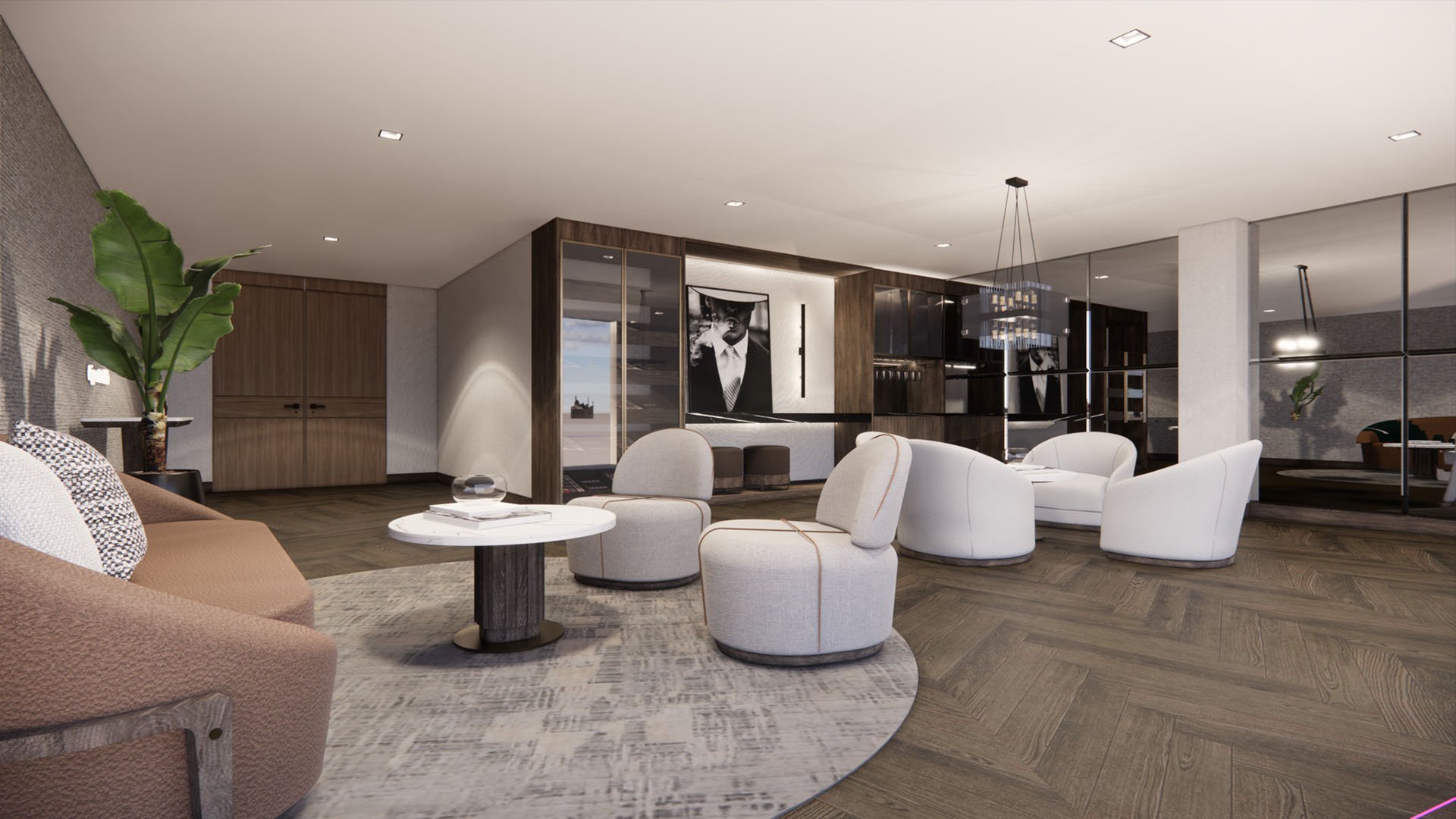
In South Florida’s ultra-premium condo market, cigar culture has quietly matured. The expectation is no longer a makeshift “smoking corner” on a windy terrace, but a deliberately designed environment that respects both ritual and discretion: controlled humidity for storage, proper ventilation for comfort, and access rules that keep the experience private.
For buyers, the appeal is as practical as it is aesthetic. A humidor and cigar lounge amenity can reduce the friction of entertaining, protect a collection from the region’s swings in moisture, and create a club-like third space without leaving the building. Done well, it signals something else, too: a property that understands adult hospitality, not just family programming.
Because amenity packages evolve over time, the most useful lens isn’t the marketing phrase-it’s the architecture behind it. What matters is how air is moved, where smoke can migrate, how membership works, and whether storage is managed with the same seriousness as wine.
A specialized cigar program typically falls into three tiers.
First is private storage: dedicated humidors within residences or secured, designated storage in a private club-style room. In South Florida, the objective is consistent humidity and temperature control, plus a system for accountability. Ask whether storage is individually lockable, how access is monitored, and whether the building’s policies address liability for high-value collections.
Second is the lounge: a truly usable cigar lounge requires more than leather chairs and mood lighting. The critical variable is ventilation. Look for a space that is physically separated from other amenities, with negative pressure and dedicated exhaust, so odors don’t travel into corridors, elevators, or adjacent amenity rooms.
Third is integration: the strongest executions make the cigar lounge feel like part of a broader adult entertaining suite. Think adjacency to a bar program, library, card room, or private dining, with acoustics that support conversation and comfort.
1. The Private Club Tower - membership-driven social privacy
A club-forward residential tower can be the most natural home for cigar culture, simply because the building’s social fabric already supports discreet, adult gathering. Look for a residence where a members-only lounge concept is credible: controlled access, consistent staffing, and clear separation from family amenities.
For buyers, the key marker is governance. When a cigar lounge operates as a club environment rather than a generic amenity, rules around guest access, hours, and behavior tend to be clearer-and easier to enforce.
2. The Oceanfront Retreat Tower - humidity control with coastal calm
Oceanfront living invites a slower ritual, but the coastal environment also makes storage discipline non-negotiable. In a beachfront tower, “specialized” should translate into real environmental control, not decorative cabinetry.
The best-fit buyer is someone who wants the lounge as a quiet end-of-day destination: fewer crowds, more consistency, and a sense of retreat that complements the shoreline.
3. The Design-Branded High-Rise - couture interiors, serious hosting
In a design-forward branded building, cigar amenities often arrive as part of a larger entertaining narrative: private dining, cocktail programs, and curated lounges. When it works, the lounge reads like a private members club, with materials that age well and a layout that can handle small gatherings without feeling theatrical.
For due diligence, confirm the practicalities behind the visuals. A beautiful room without proper exhaust quickly becomes underused, and underused amenities rarely stay pristine.
4. The Wellness-Led Luxury Condo - boundaries and air quality discipline
Wellness-centered properties can be surprisingly compatible with cigar programs when the project is serious about boundaries. When air quality is a core brand promise, any cigar lounge must be engineered as a contained environment with uncompromising separation.
If you want both-a cigar ritual and a health-forward lifestyle-target buildings where the amenity plan is explicit about air handling, access, and adjacency.
5. The Boutique Beach Building - discreet, low-traffic lounge appeal
Boutique luxury can be ideal for a cigar collector who prefers privacy over spectacle. Lower resident counts may translate to a calmer lounge cadence, easier reservations, and fewer policy conflicts.
Here, the key identifier is not size but intent: a small building can deliver a genuinely elevated cigar room if it treats it as a signature feature rather than filler.
6. The Classic Ultra-Luxury Enclave - old-world privacy, modern systems
Some addresses trade on quiet power: fewer headlines, more legacy ownership, and a culture that values discretion. In these environments, cigar amenities often perform best when they’re deliberately low-profile-designed for residents who already understand etiquette.
Buyers should focus on mechanical upgrades and building rules. A “classic” aura is an asset, but only if the infrastructure supports true containment and comfort.
7. The New-Construction Entertaining Tower - amenities engineered from day one
Newer towers have a clear advantage: they can plan ventilation, access control, and sound separation from the earliest stages. That usually yields cigar lounges that are more usable-not merely present.
If your priority is predictability, look for projects where the amenity suite is designed as a sequence of rooms, with the cigar lounge placed where it belongs: separated, controlled, and genuinely easy to host in.
Cigar amenities tend to map to neighborhood personality.
Brickell supports a club cadence: business dinners, late arrivals, and the kind of resident mix that uses lounges frequently. For buyers drawn to that energy, 2200 Brickell and 888 Brickell by Dolce & Gabbana sit in a context where social amenities feel natural, and hosting is part of everyday living.
Miami Beach leans toward occasion and retreat. A cigar lounge here can feel like an extension of a private hotel experience, especially when the amenity plan emphasizes design and privacy. If you prefer a calmer, more curated tempo, 57 Ocean Miami Beach reads as the kind of beachfront address where residents prize quiet luxury and controlled access.
Sunny Isles often attracts buyers who want vertical living with a resort sensibility. In this environment, the most important consideration is separation: cigar programming works best when it feels like a private club within the resort, not an afterthought adjacent to family-forward amenities.
Farther north in Broward and Palm Beach, the cigar lifestyle becomes more residential and less performative. The lounge becomes a true “third room,” and the humidor becomes part of an organized collection mindset. In Hallandale, for example, 2000 Ocean Hallandale Beach aligns with buyers who want oceanfront polish without sacrificing privacy.
A cigar lounge can be a delight or a nuisance depending on execution. Before you buy, clarify five points.
First, ventilation and pressure. The building should be able to explain how smoke is contained and exhausted. If the answer is vague, assume odors will travel.
Second, access and culture. Is it residents-only, guest-allowed, or reservation-based? A well-run room feels predictable. A poorly governed room becomes contentious.
Third, proximity. Ask where the lounge sits relative to elevators, gyms, spas, and kids’ spaces. Good placement reduces resident conflict and protects the amenity long-term.
Fourth, storage terms. If the building offers dedicated humidors, understand lockability, monitoring, and what happens in a power interruption. If storage is within your residence, ask about best practices for humidity management in a coastal climate.
Fifth, insurance and liability posture. High-value collections deserve clarity. Even if the building does not insure personal property, the policies should be coherent and easy to interpret.
The most enduring cigar amenities share three characteristics.
They are engineered, not decorated. The room’s comfort depends on mechanical systems and enclosure, not fragrance masking or wishful thinking.
They are governed like a club. Rules are clear, enforced, and aligned with resident expectations.
They are placed with intention. The best lounges are close enough to feel convenient, yet separated enough to feel private-and to protect non-participating residents.
When those elements are in place, a cigar lounge can become a genuine value-add: a social anchor for like-minded neighbors, a dignified place to host, and a subtle marker of a building that understands adult luxury.
Do luxury condos actually allow smoking indoors? Many restrict smoking broadly, but some allow it in designated, engineered spaces.
What makes a cigar lounge different from a generic smoking room? Proper exhaust, separation, and humidity-minded storage distinguish a true lounge.
Is a building humidor usually private or shared? It varies; confirm whether storage is individually secured and how access works.
Will a cigar lounge affect hallway or elevator odors? A well-designed room should not; ask about dedicated ventilation and pressure.
Should I prioritize an in-residence humidor or an amenity humidor? In-residence offers control; amenity storage offers convenience and social ease.
Are cigar lounges typically residents-only? Often yes, but guest policies differ; verify rules and reservation requirements.
Do these amenities help resale value? They can, when executed discreetly and maintained; poor execution can deter buyers.
What should I ask the developer or HOA about maintenance? Ask who services ventilation, filter schedules, and how the room is monitored.
Can a wellness-focused building still have a cigar lounge? Yes, if the lounge is fully contained and the air-quality standards are upheld.
What is the simplest red flag during a tour? If the room smells stale or smoky outside its doors, containment likely fails.
If you'd like a private walkthrough and a curated shortlist, connect with MILLION Luxury.
If branded residences are on your mind — as a home or as an allocation — we would be glad to share what we are seeing, privately.
Begin a quiet conversation