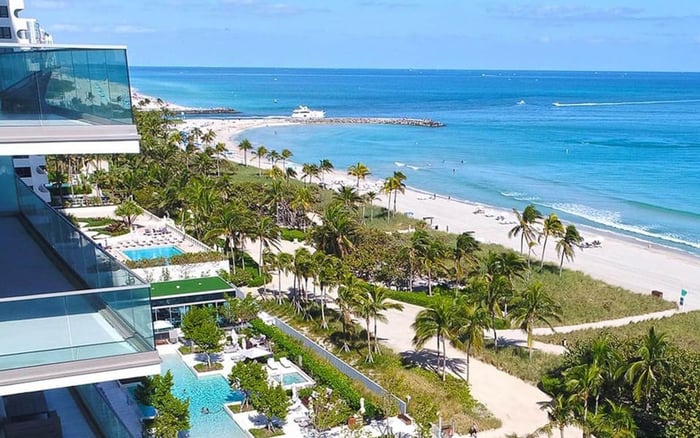
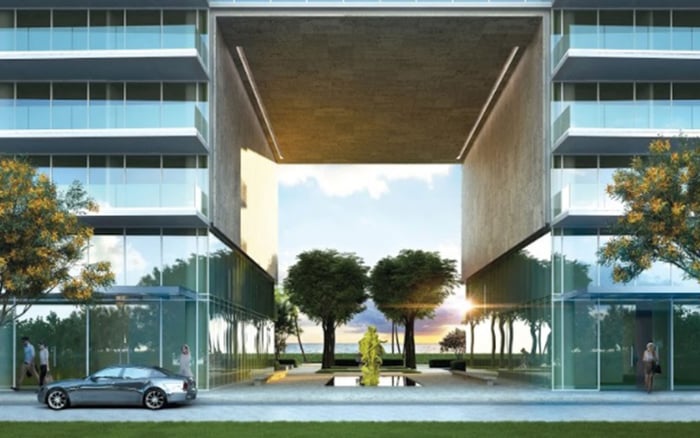
A buyer-focused comparison of Eighty Seven Park Surfside and Oceana Bal Harbour through the lens of carrying costs, staffing, reserves, privacy, and daily household operations.
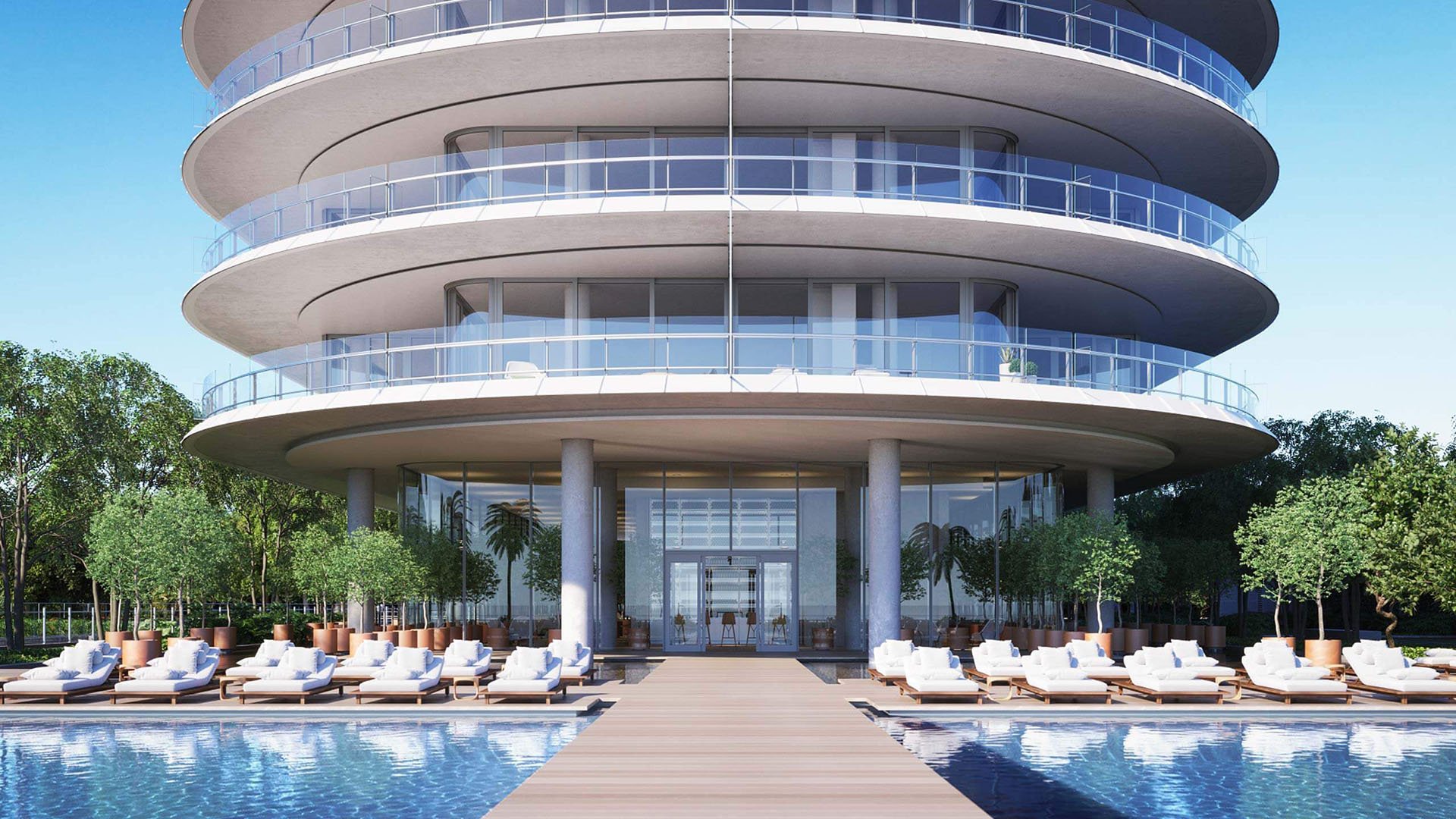
At this tier of the Northeast Miami-Dade oceanfront market, the question is rarely whether the view is compelling. Both Eighty Seven Park Surfside and Oceana Bal Harbour speak to buyers who already understand the value of coastal living, refined service, and a daily rhythm shaped by sea, sky, and privacy. The more revealing question is how each building functions as a household platform after closing.
For a buyer who studies carrying costs as closely as terraces and sightlines, the comparison becomes less romantic and more practical. How many owners share fixed overhead? How deep is the service bench? How might reserves, insurance, staffing, utilities, valet patterns, elevator use, and future capital work shape the long-term cost of ownership? The answer is not that one model is inherently better. It is that each asks the owner to pay for a different version of ease.
Eighty Seven Park Surfside sits on the boutique side of the equation: private, design-forward, and residential in feeling. Oceana Bal Harbour is the broader operating machine: larger, more resort-style, and more complete as an amenity community. Both are oceanfront luxury addresses, but they translate luxury into household operations in very different ways.
Eighty Seven Park is best understood as the more intimate choice. Its appeal is not simply that it is smaller, but that its scale supports a different emotional and logistical experience. The building is positioned for buyers who want architectural identity, privacy, and something closer to a villa-in-the-sky atmosphere than a high-volume resort environment.
That intimacy can be powerful in daily life. Fewer residents can mean calmer common areas, less visual noise, and a more private flow between arrival, elevator, residence, and beach. For an owner who values discretion, that can feel less like a condominium and more like a managed private enclave.
The trade-off is that fixed association overhead may be spread across fewer residences. Staffing, insurance, common-area maintenance, professional management, building systems, and future capital projects do not disappear because a building is boutique. In some cases, the owner base simply has fewer shoulders to carry them. That does not make the model undesirable, but it does make budget review essential.
A buyer at Eighty Seven Park should examine association budgeting, reserves, insurance exposure, and any known or anticipated capital projects with care. The visible monthly association fee is only the first page of the story. The deeper question is how resilient the building’s financial structure feels when large shared costs arise.
Oceana Bal Harbour sits at the other end of this comparison. It reads as a larger, resort-style luxury residential community, with a broader amenity and service platform. For many buyers, that scale is precisely the point. A more complete operating environment can create smoother daily support, greater staffing depth, and potentially more operational redundancy than a smaller building can provide.
That can matter in practical ways. A larger association base may help spread certain fixed operating burdens across more owners. Fluctuations in amenity use may be easier to absorb when the operating model is built for scale. Service providers, staffing layers, valet patterns, and common-area systems may also feel more institutionalized, which can be an advantage for owners who want predictable infrastructure.
But resort-style completeness has its own cost logic. Owners help fund the platform whether they personally use every amenity or not. A buyer who rarely uses the full suite of services may still participate in the financial support of that system. The daily experience may also feel more formal, layered, and resort-like than the quieter atmosphere of a boutique building.
For some households, that is ideal. For others, it can feel like paying for a grander operating ecosystem than they need. The question is not whether Oceana Bal Harbour offers more visible service mass. It is whether the buyer wants that mass embedded into the ownership experience.
Neighborhood character also influences operations. Surfside is generally a more residential, lower-key environment, which can shape how a household experiences errands, service appointments, guest arrivals, and day-to-day movement. The pace can feel more local, less theatrical, and more aligned with owners seeking quiet continuity.
Bal Harbour, by contrast, carries a more internationally luxury-driven identity. Its resort orientation pairs naturally with Oceana Bal Harbour’s larger amenity-community profile. For buyers who expect a polished, globally recognizable setting, that can be a benefit. The Bal Harbour lens is less about seclusion alone and more about proximity to a luxury ecosystem.
These differences are subtle, but they matter. Household operations are not limited to what happens within the lobby. They include how drivers arrive, how service providers circulate, how guests perceive the destination, and how often daily routines intersect with the broader luxury traffic of the neighborhood.
For both properties, carrying-cost analysis should extend well beyond the current monthly association line item. A thoughtful buyer should review reserves, insurance, staffing, utilities, valet operations, elevator intensity, service-provider access, common-area maintenance, and exposure to future assessments. The right question is not, “What is the fee?” It is, “What does this building require to keep operating at the level I expect?”
At Eighty Seven Park, the focus should be on concentration. How are fixed costs distributed? How much reserve strength is visible? How might a future capital project affect a smaller owner base? What operational redundancies exist if staffing or building systems require adjustment?
At Oceana Bal Harbour, the focus should be on scope. What exactly is included in the amenity and staffing platform? How much of the budget supports services an owner will personally use? Does the scale provide comfort, or does it create a level of operational complexity the household would rather avoid?
Sophisticated buyers should treat both buildings as long-term cost centers, not only as view-driven acquisitions. The most desirable residence can still disappoint if its operating model does not fit the household’s habits.
Eighty Seven Park Surfside is likely to resonate with the buyer who prizes privacy, design, and a less populated daily experience. This buyer may accept more concentrated overhead exposure in exchange for intimacy and architectural distinction. The building’s appeal lies in how quietly it supports life by the water.
Oceana Bal Harbour is likely to suit the buyer who prefers a larger, fuller service environment and is comfortable funding a broader platform. This buyer may appreciate the predictability and completeness of a resort-scale community, even if that means participating in amenity costs beyond personal use.
The practical decision is not simply views versus views. It is concentrated boutique operations versus a larger amenity-funded operating machine. One model feels private and residential. The other feels comprehensive and resort-caliber. The best choice is the one whose financial structure and daily logistics match the way the household actually lives.
Is Eighty Seven Park Surfside the lower-carrying-cost choice? Not automatically. Its boutique scale may mean certain fixed costs are shared by fewer owners, so budgets and reserves deserve close review.
Is Oceana Bal Harbour more predictable operationally? It may offer more scale and staffing depth, but owners also help fund a larger amenity and service platform.
Which building feels more private day to day? Eighty Seven Park is the more intimate option and may appeal to buyers seeking quieter common areas.
Which building feels more resort-like? Oceana Bal Harbour is the more resort-style residential community, with a broader service and amenity orientation.
Should buyers compare only the monthly association fee? No. Reserves, insurance, assessments, staffing, utilities, valet patterns, and building logistics can all affect ownership cost.
Why does association scale matter? Scale influences how fixed expenses are shared and how easily a building may absorb operating fluctuations.
Does Surfside change the ownership experience? Yes. Surfside can feel more residential and lower-key, which may suit buyers who value quieter daily routines.
Does Bal Harbour change the ownership experience? Yes. Bal Harbour’s luxury-resort identity can support a more international and service-oriented lifestyle.
Which option is better for a second-home owner? It depends on usage. A frequent user may prioritize privacy, while an occasional owner may value a larger service platform.
What is the most important due-diligence item? Review the building financials, reserve posture, insurance exposure, staffing model, and any future capital obligations before committing.
To compare the best-fit options with clarity, connect with MILLION.
If branded residences are on your mind — as a home or as an allocation — we would be glad to share what we are seeing, privately.
Begin a quiet conversation