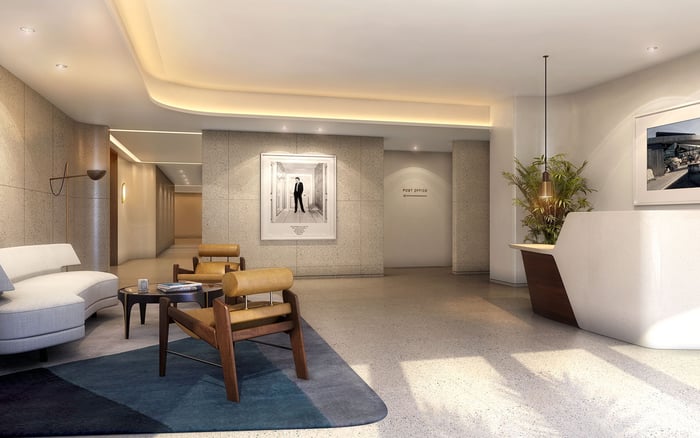
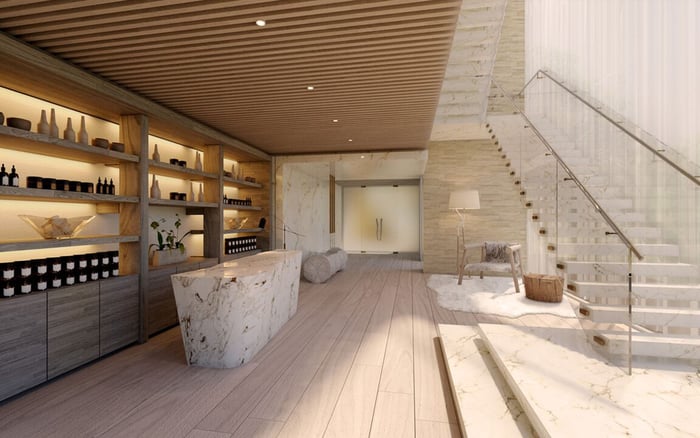
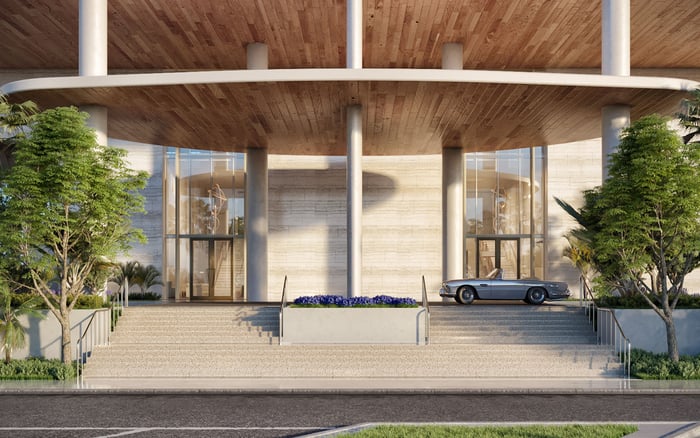
A buyer-focused look at how hospitality discipline, brand governance, service culture, and waterfront lifestyle can influence perceived value at The Ritz-Carlton Residences® Fort Lauderdale.
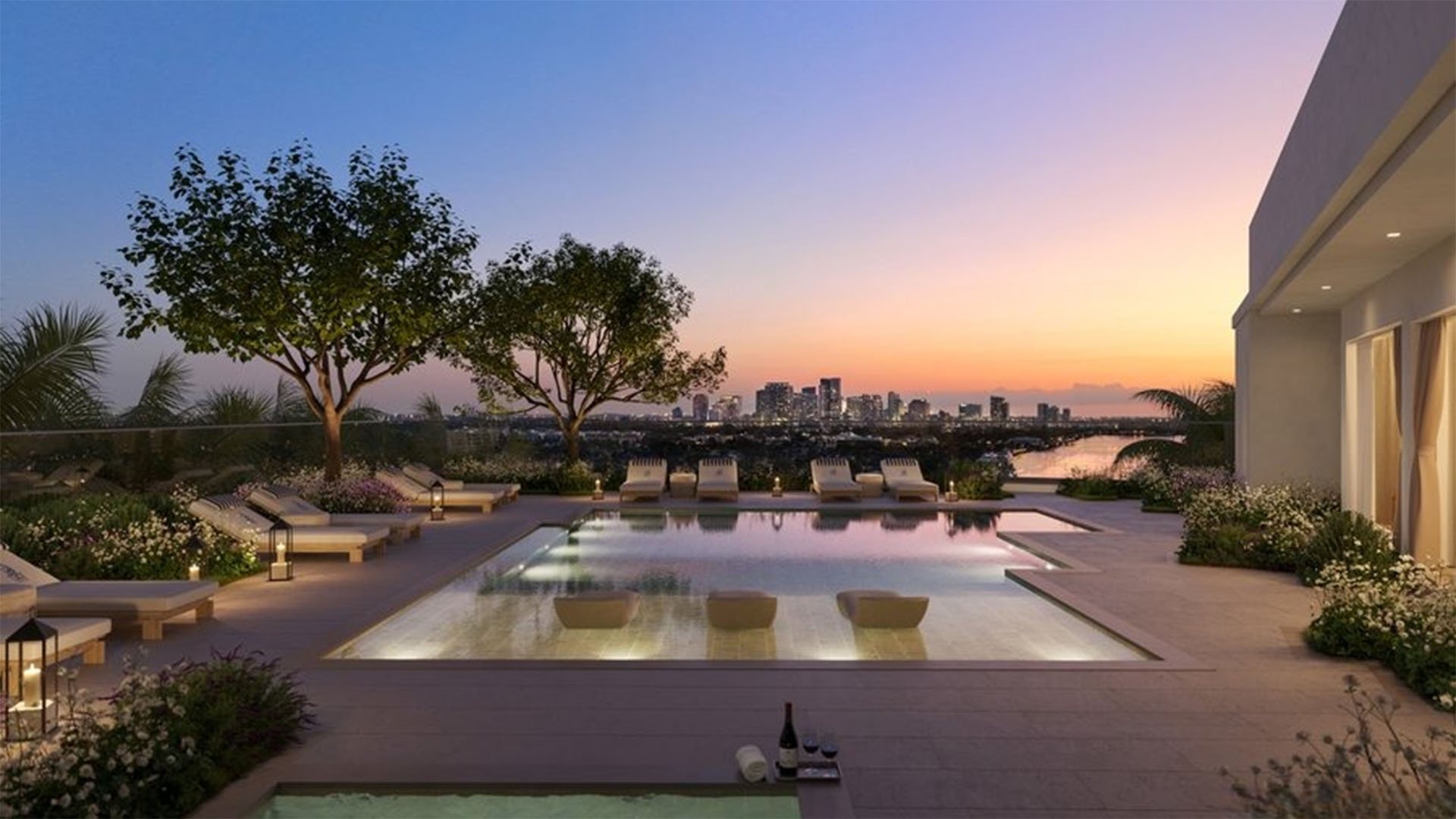
In the upper tier of South Florida real estate, the conversation has moved beyond finishes, views, and amenity counts. Those elements still matter, but sophisticated buyers increasingly ask a more revealing question: how will the building live after closing? That is where hospitality standards become residential value.
The Ritz-Carlton Residences® Fort Lauderdale sits within this broader shift. The name carries expectations of attentiveness, discretion, and operational polish. For owners, the promise is not simply a branded address. It is a residential environment where service is intended to be predictable, refined, and woven into daily life.
That distinction matters in Fort Lauderdale, where the luxury audience includes primary residents, seasonal owners, boaters, global travelers, and buyers seeking a calmer alternative to denser urban markets. In this context, Branded Residences are not evaluated only by visual impact. They are judged by trust, continuity, and how seamlessly the home supports the owner’s routines.
Real estate value is often discussed through scarcity, location, design, and market timing. In the luxury segment, service adds another dimension. A well-run residence reduces friction. It can make arrivals smoother, guest stays easier, maintenance less intrusive, and ownership more enjoyable when the owner is away.
This does not replace traditional fundamentals. It enhances them. A waterfront home with impressive architecture may command attention, but a building that consistently performs can command loyalty. Owners remember whether requests are handled gracefully, whether common spaces feel composed, and whether the staff understands the cadence of private living.
Hospitality-trained service is also about restraint. In a true luxury environment, the best operations are rarely theatrical. They are calm, anticipatory, and respectful of privacy. For the Fort Lauderdale Beach buyer, that discretion can be as meaningful as a view corridor or a spa suite.
Fort Lauderdale has matured into one of South Florida’s most compelling luxury markets because it offers a rare mix of beach access, yachting culture, airport convenience, and a more residential rhythm than Miami’s busiest districts. The city’s premium condominium landscape reflects that evolution.
Nearby, Four Seasons Hotel & Private Residences Fort Lauderdale reinforces the market’s appetite for hospitality-led ownership, while Auberge Beach Residences & Spa Fort Lauderdale speaks to the appeal of beachfront living with a service-minded identity. Together, these projects frame a larger point: Fort Lauderdale is no longer simply a value alternative. It is a lifestyle destination with its own language of luxury.
For The Ritz-Carlton Residences® Fort Lauderdale, that context is important. Buyers are comparing not only floor plans, but operating philosophies. They want to understand what the building stands for, how it will feel on a weekday morning, and whether the experience will remain consistent over time.
The most durable branded-residence premium is not created by signage. It is created by standards. A respected hospitality brand can influence everything from staff training and arrival sequence to amenity programming and the tone of resident interactions. The result is a building that feels less improvised.
That consistency is especially relevant for second-home owners. When a residence is used seasonally, the building becomes an extension of the owner’s private team. The ability to arrive to a composed environment, coordinate needs efficiently, and rely on established protocols can transform the emotional value of the home.
The Ritz-Carlton name also carries an expectation of civility. In ultra-premium buildings, residents are not only buying private square footage. They are buying into a shared culture. Hospitality standards can help protect that culture by setting a tone of courtesy, calm, and professionalism throughout the property.
Waterfront is one of South Florida’s most powerful luxury categories, but it is also one of the most operationally demanding. Coastal residences must serve owners who move between beach, boat, pool, fitness, dining, and travel with little tolerance for inconvenience. The architecture may establish the setting. Operations determine whether that setting feels effortless.
At a high level, this is the central residential value proposition for hospitality-led properties. The best buildings create continuity from the private residence to the amenity level to the entrance experience. Owners should not feel that service stops at their front door or begins only in public spaces.
This is where Fort Lauderdale’s marine identity becomes relevant. Buyers drawn to the city often value access, ease, and a refined but unforced coastal rhythm. The most compelling residences support that rhythm without overwhelming it.
A luxury buyer should look beyond the brand name and ask practical questions. How are requests managed? What is the staffing philosophy? How are amenity spaces maintained during peak periods? How does the building balance privacy with service? How will the residence feel when full-time residents, seasonal owners, and visiting guests occupy the property at the same time?
The answers shape both livability and resale perception. A building with strong service culture tends to be easier to understand, easier to present, and easier for future buyers to trust emotionally. That does not guarantee price performance, but it can strengthen desirability in a market where many properties compete on similar visual cues.
Fort Lauderdale buyers may also compare The Ritz-Carlton experience with other hospitality-driven addresses, including St. Regis® Residences Bahia Mar Fort Lauderdale. The comparison is less about declaring a single winner and more about understanding which service language best matches the owner’s lifestyle.
Luxury real estate is often described through materials, volume, and views. Yet the most persuasive homes also offer emotional architecture: the feeling that life will be easier, more elegant, and more protected there. Hospitality standards contribute directly to that feeling.
For some buyers, value is found in a polished arrival. For others, it is the confidence that a residence can be left for weeks and returned to without anxiety. For others still, it is the ability to host guests in a building that quietly understands protocol. These are not abstract benefits. They are daily experiences that influence satisfaction and long-term attachment.
This is why The Ritz-Carlton Residences® Fort Lauderdale belongs in a different conversation than a conventional luxury condominium. Its appeal is not limited to design taste. It is tied to the way the building is expected to behave.
For buyers considering Fort Lauderdale Beach, the practical takeaway is simple: evaluate the residence as both an asset and an operating environment. The right address should deliver beauty, privacy, and location, but it should also reduce complexity. That combination is increasingly central to South Florida’s ultra-premium market.
The Ritz-Carlton Residences® Fort Lauderdale offers a useful case study in how a hospitality mindset can support residential value. It reframes the home as more than a private interior. It becomes part of a larger service ecosystem, one designed to make ownership feel less like management and more like arrival.
In a market rich with luxury choices, that may be the most important distinction. True value is not only what a residence looks like on the day it is shown. It is how it lives, how it is cared for, and how confidently it carries its standards into the future.
What makes The Ritz-Carlton Residences® Fort Lauderdale different from a conventional luxury condo? Its distinction is rooted in hospitality standards, service culture, and the expectation of a more managed residential experience.
Why do Branded Residences matter to luxury buyers? Branded Residences can give buyers a clearer sense of service philosophy, design expectations, and day-to-day operational tone.
Is Fort Lauderdale a strong fit for hospitality-led residences? Yes. Fort Lauderdale combines beach living, boating culture, and residential calm, which align well with service-oriented ownership.
How does service influence residential value? Service can reduce friction, support privacy, and make ownership feel more reliable, especially for seasonal or frequent-travel owners.
Should buyers compare branded projects only by amenities? No. Amenities matter, but staffing, maintenance, privacy, and consistency often shape the real ownership experience.
Is Fort Lauderdale Beach mainly for second-home buyers? It appeals to both primary and seasonal owners, particularly those who want coastal access with a refined residential pace.
What role does Waterfront living play in value? Waterfront living adds lifestyle appeal, but the strongest value emerges when operations make coastal ownership feel effortless.
Can a hospitality brand support resale appeal? A respected service identity can strengthen buyer confidence, although future value still depends on broader market conditions.
What should buyers ask before purchasing? They should ask how resident requests are handled, how amenities are managed, and how privacy is protected during busy periods.
Is Lifestyle a major factor in choosing this type of residence? Yes. The decision is as much about daily rhythm, service expectations, and ease of ownership as it is about architecture.
For a tailored shortlist and next-step guidance, connect with MILLION.
If branded residences are on your mind — as a home or as an allocation — we would be glad to share what we are seeing, privately.
Begin a quiet conversation