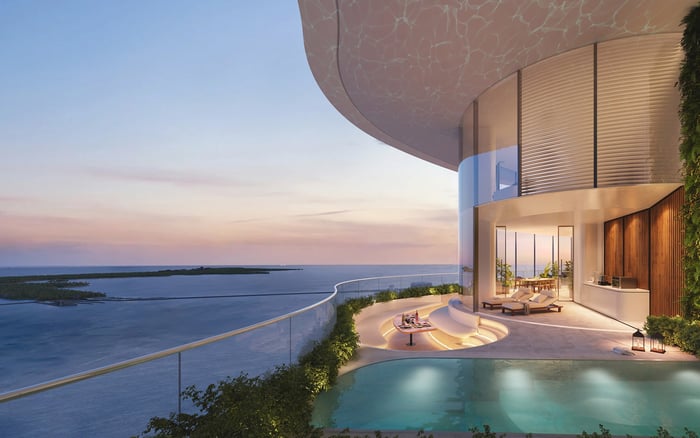
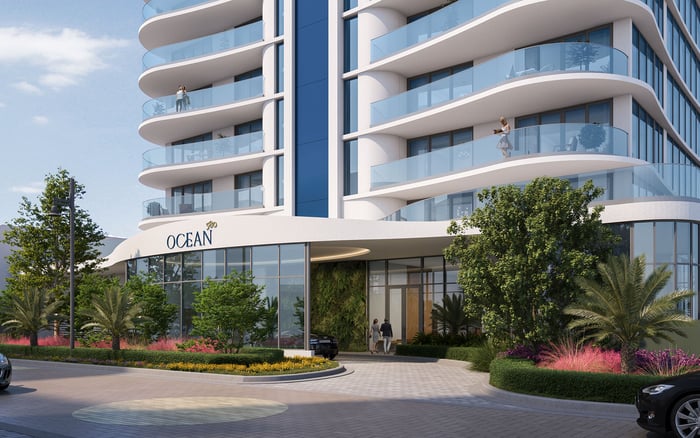
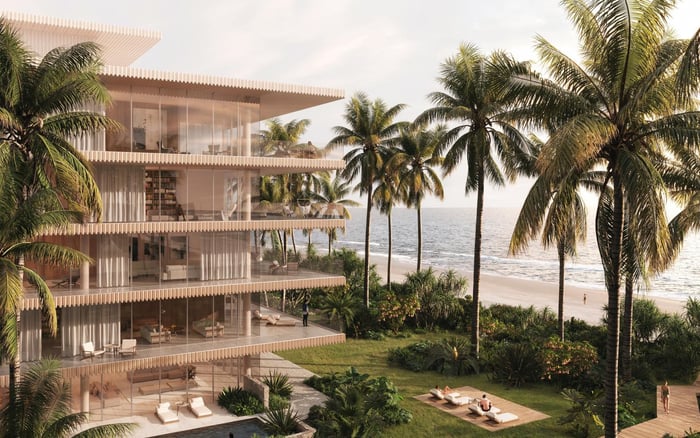
Private plunge pools are becoming less about spectacle and more about usable, discreet luxury for South Florida buyers who value privacy, proportion, and daily ritual.
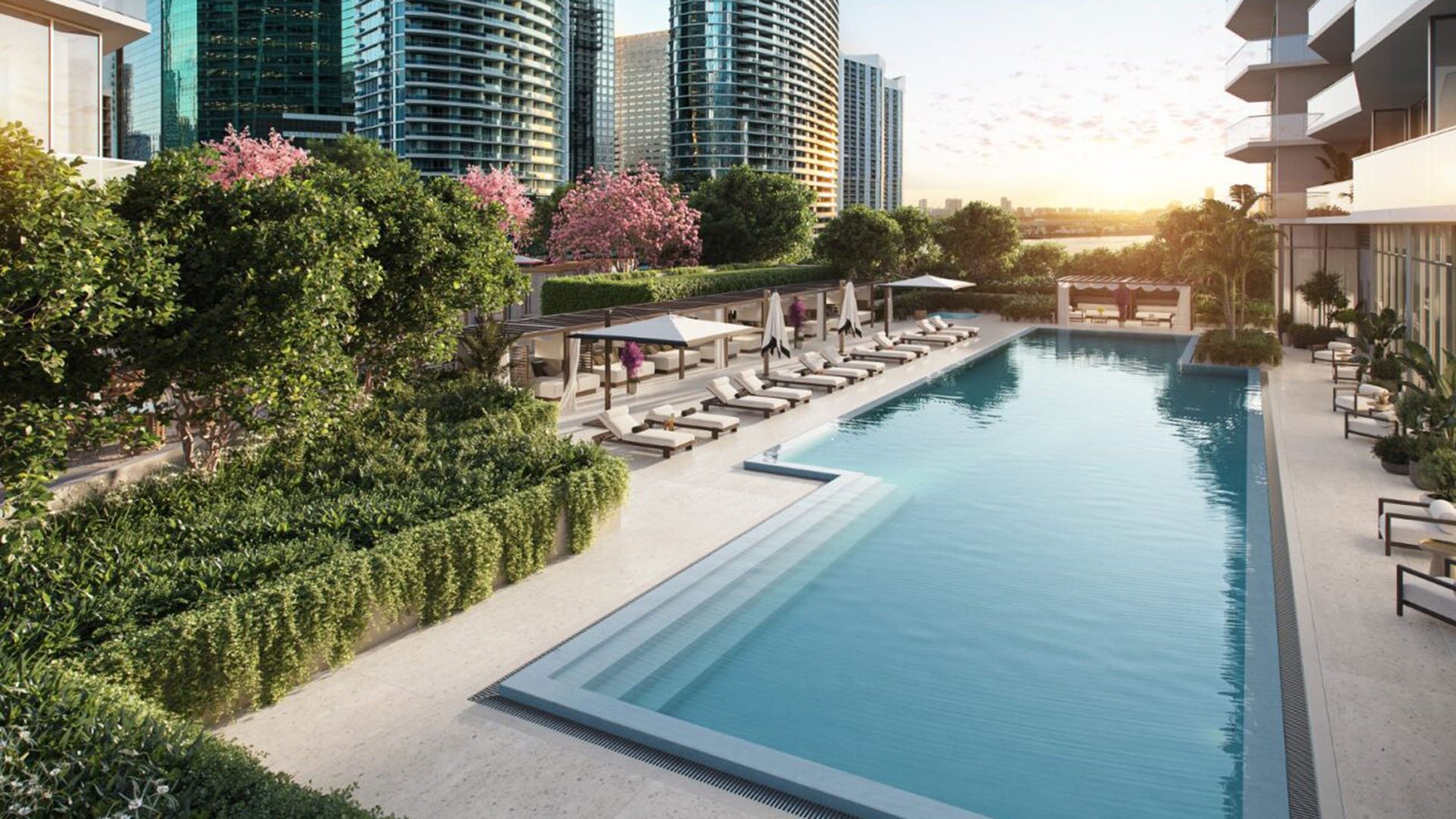
In South Florida, the private plunge pool has moved beyond novelty. For a certain buyer, it is neither a substitute for a grand resort pool nor a photogenic flourish. It is a controlled outdoor room: a place for a morning reset, a late-afternoon cool-down, or an evening pause without the choreography of shared amenities.
Its appeal is practical because it is intimate. A better private plunge pool delivers the pleasure of water without the scale, exposure, or maintenance profile of a full residential pool. It can make a Terrace feel complete, turn a Balcony into a daily retreat, and give a Penthouse the feeling of private resort living without asking every square foot to perform as spectacle.
For MILLION readers, the question is not whether a plunge pool sounds luxurious. The sharper question is whether it is designed well enough to be used often.
The most persuasive plunge pools are not necessarily the largest. They are the ones that feel inevitable in the plan. A pool placed awkwardly in the center of an outdoor area can diminish the usefulness of everything around it. A pool aligned with seating, shade, views, and circulation can make even a compact exterior feel expansive.
In high-end South Florida residences, water features share space with outdoor dining, lounge areas, summer kitchens, landscaping, and view corridors. A plunge pool should not consume the entire experience. It should frame it. The best examples preserve enough dry space for daily living and allow the pool to read as part of a composed outdoor sequence, not as an isolated amenity.
This is where proportion becomes discipline. A shallow lounging edge, a clean step-in point, and careful alignment with glass lines can do more for perceived luxury than unnecessary volume. Buyers should look for clarity, not excess.
A private plunge pool only feels private when the surrounding architecture supports it. In dense coastal and urban settings, sightlines matter. Neighboring towers, adjacent terraces, lower amenity decks, and nearby public areas can all affect how an outdoor pool is experienced.
The strongest designs use walls, planting, overhangs, screens, and setbacks to create retreat without making the space feel enclosed. This balance is especially important in Brickell, where vertical living and dramatic views often coexist with close urban proximity. A pool with a spectacular outlook may still disappoint if the owner feels observed every time it is used.
Privacy also includes sound. Pumps, water movement, nearby mechanical systems, and outdoor entertainment areas can shape the mood of the space. A refined plunge pool should feel calm even when the city or coastline is active around it.
A plunge pool should be evaluated as part of a larger Terrace composition. Is there a place to sit with wet feet? Is there shade at the hour the owner is most likely to use the space? Can towels, glassware, and small essentials be handled without interrupting the interior? These modest questions often determine whether the feature becomes a daily pleasure or an occasional talking point.
The same thinking applies to a Balcony, particularly in residences where the outdoor area is long, narrow, or wrapped around a corner. A pool can be seductive in renderings, but the lived experience depends on circulation. If a guest must squeeze past furniture or the owner must cross a polished interior while dripping wet, the design has missed an opportunity.
For a Waterview residence, the pool should also respect the horizon. The most elegant solution may be a pool that visually extends toward the bay, ocean, or Intracoastal without overwhelming the view. The objective is not to compete with the water beyond the property. It is to bring that atmosphere closer.
Private water requires private responsibility. That does not diminish the appeal of a plunge pool, but it does make the service plan essential. Buyers should understand how the pool is accessed, where equipment is located, how drainage is handled, and whether routine maintenance can occur without disturbing the household.
In luxury property, inconvenience is rarely one large problem. More often, it is a series of small frictions. A difficult service route, limited storage for outdoor items, inadequate lighting, or a poorly placed equipment area can make a beautiful feature feel burdensome. The more seamless the infrastructure, the more luxurious the experience.
Materials matter as well. South Florida’s outdoor environment rewards surfaces, finishes, and detailing that can handle sun, moisture, and frequent use. The visual language can be minimal, tropical, architectural, or resort-like, but durability should be quietly embedded in the specification.
The better private plunge pool has value because it supports lifestyle rather than merely signaling status. It gives a second-home owner a reason to use the terrace between beach visits and dinners. It gives a primary resident a private wellness ritual without leaving home. It gives a host a graceful focal point that does not require the scale of a full entertainment deck.
Resale appeal is also tied to coherence. A buyer is more likely to appreciate a plunge pool that feels integrated with the residence, the view, and the outdoor program. A poorly located pool can read as a compromise. A well-located one can make the entire residence feel more complete.
The most compelling version is calm, useful, and discreet. It does not need to announce itself. It simply changes the rhythm of the day.
Is a private plunge pool the same as a full swimming pool? No. A plunge pool is typically conceived for cooling, lounging, and ambiance rather than lap swimming or large-scale recreation.
What makes a plunge pool feel luxurious rather than decorative? Proportion, privacy, easy access, comfortable surrounding space, and a strong relationship to the view are the key factors.
Should buyers prioritize a larger pool? Not always. A smaller pool with better placement and more usable dry space can be more valuable in daily life.
Does a plunge pool work on a Balcony? It can, if the building design supports the load, drainage, service access, and circulation needed for comfortable use.
Why is Terrace planning so important? The pool is only one part of the outdoor room. Seating, shade, dining, and movement determine whether the space functions well.
Is privacy more important than the view? Both matter. The best residences balance open outlooks with screening and orientation that make the owner feel at ease.
What should a buyer ask before purchasing? Ask how maintenance is handled, where equipment is located, and whether service can occur without disrupting private living areas.
Can a plunge pool improve resale appeal? It can when it feels integrated, practical, and proportionate to the residence rather than added for effect.
Is a plunge pool useful in a Penthouse? Yes, especially when it turns the outdoor area into a true private retreat with seating, shade, and strong service planning.
What is the most common mistake with private plunge pools? Treating the pool as an isolated feature instead of designing it as part of a complete outdoor living environment.
For a confidential assessment and a building-by-building shortlist, connect with MILLION.
If branded residences are on your mind — as a home or as an allocation — we would be glad to share what we are seeing, privately.
Begin a quiet conversation