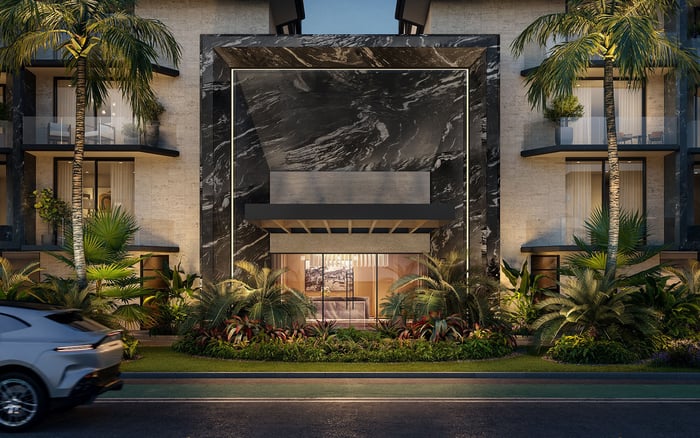
A buyer-focused look at how Onda Bay Harbor and Mila Bay Harbor Islands fit into family-oriented luxury ownership when school access, daily logistics, and long-term value are part of the decision.
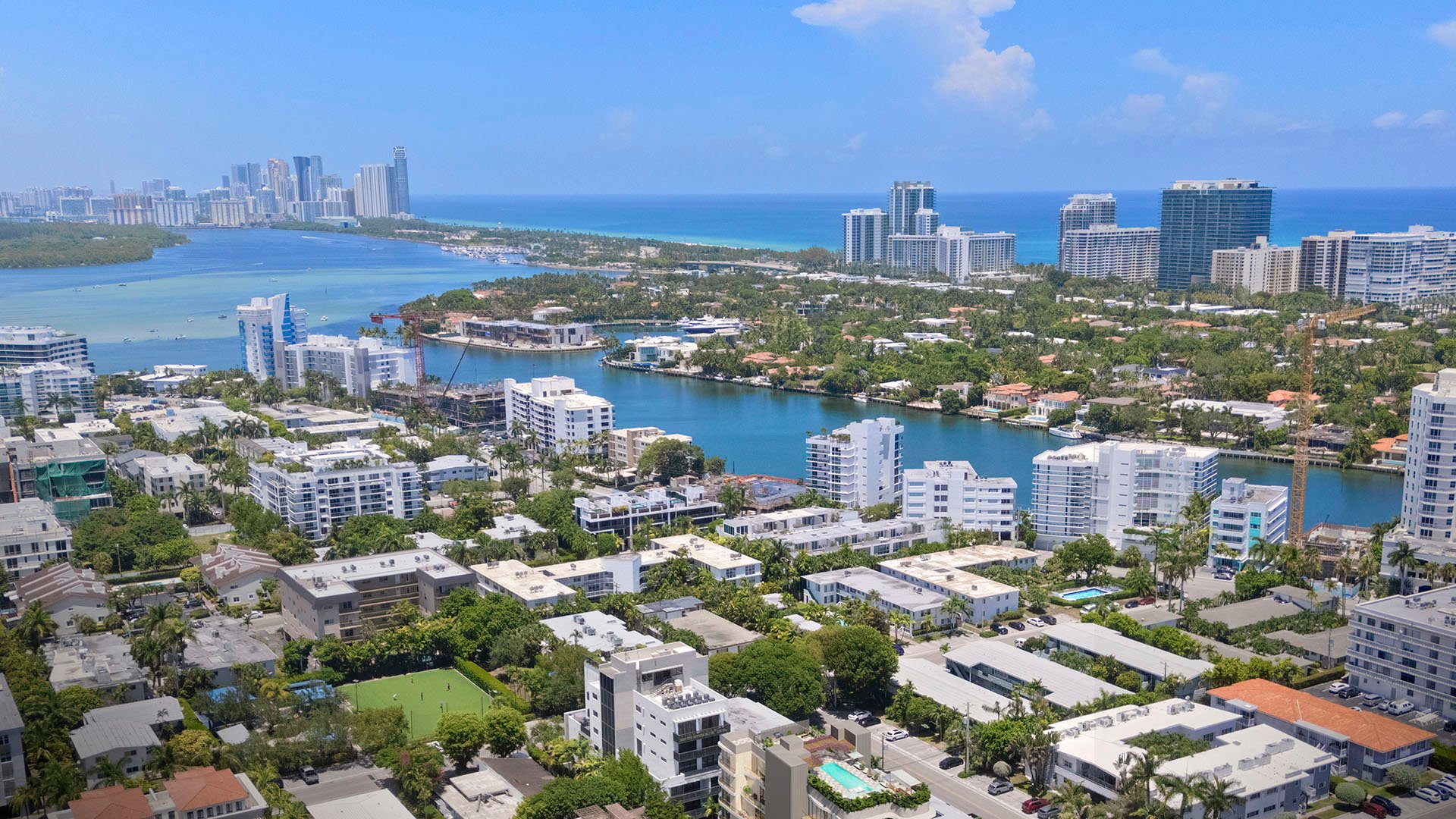
In South Florida’s upper tier, ownership decisions have become more exacting. A residence is still measured by design, privacy, views, service, and scarcity, but for many affluent families, the decision also depends on the choreography of daily life. School access-whether public assignment, private-school optionality, or the rhythm of morning and afternoon travel-has become part of the ownership thesis.
That does not mean a condominium should be treated as a proxy for guaranteed school placement. It means sophisticated buyers increasingly evaluate a home through a broader lens. How does the address support a family’s weekday routine? Does the location help preserve time? Can the property remain liquid if future buyers ask the same questions? In that context, Bay Harbor Islands deserves attention, particularly when comparing Onda Bay Harbor and Mila Bay Harbor Islands.
Bay Harbor Islands is often considered by buyers who want a compact municipal setting without stepping away from the broader Miami luxury circuit. For school-engaged households, that compactness can matter. It can influence perceived convenience, perceived walkability, and the daily calculus of moving between home, classrooms, enrichment, appointments, dining, and family obligations.
The key word is perceived. Buyers should verify all school assignments, admissions requirements, transportation policies, and timing before relying on any location-based assumption. Still, the buyer psychology is clear: when education planning sits alongside lifestyle and long-term ownership value, a project’s position within Bay Harbor Islands can become part of its appeal.
This is a Bay Harbor conversation in which boutique discipline, new-construction expectations, private-school optionality, and investment caution operate at once. The strongest buyers are not chasing a slogan. They are trying to reduce friction in the life they are building.
Onda Bay Harbor fits this conversation because it can be evaluated as more than a luxury design or waterfront proposition. Its relevance, for a family-oriented buyer, lies in the way boutique ownership in Bay Harbor Islands may align with daily routines. The question is not simply whether the residence is beautiful. The question is whether the ownership experience supports the practical cadence of a household planning around school access.
For Onda, commute convenience, walkability considerations, and access to nearby educational options become part of the buyer’s value calculus. These are not abstract considerations. They influence how a family thinks about school mornings, caregiver logistics, after-school activities, and the ability to move through the week without unnecessary complexity.
This is also where capital preservation enters the discussion. If a meaningful portion of future demand comes from buyers who also prioritize school-access convenience, then a residence that satisfies both lifestyle and logistics may have a broader resale story. That is not a guarantee of liquidity, and it should not be presented as one. It is a disciplined way to understand why Onda may resonate with affluent families thinking beyond finishes and amenities.
Mila Bay Harbor Islands sits beside Onda in the same school-access-aware discussion, but its lens is slightly different. Mila can be viewed as a new-development ownership option whose appeal extends beyond amenities into family logistics and educational positioning. For buyers who are already school-engaged, or who expect to be in the near future, that distinction matters.
Mila’s relevance is tied to the buyer who weighs education access alongside lifestyle, amenities, and long-term ownership value. That buyer may be considering school catchments, private-school optionality, and the flexibility to adapt as a family’s needs change. In this framework, a residence is not simply a place to arrive. It is a platform for decisions that may evolve across several academic years.
The pricing-resilience argument is similar but not identical to Onda’s capital-preservation story. If education access is treated as a core ownership variable, then projects that feel aligned with family logistics may retain attention even when buyers become more selective. Again, the point is not to promise performance. The point is to recognize that schools, convenience, and perceived daily efficiency can influence how a buyer assigns value.
The most useful comparison between Onda and Mila begins with buyer intent. Onda is best framed as a boutique case study in how ownership can appeal to affluent families planning around daily school routines. Mila is best framed as a new-development case study in how luxury ownership can speak to buyers who place education access beside amenities and lifestyle.
A serious buyer may also look across the broader Bay Harbor Islands set, not to create a generic list, but to understand how different projects express privacy, scale, wellness, design, and day-to-day convenience. In that context, Alana Bay Harbor Islands, Origin Bay Harbor Islands, and The Well Bay Harbor Islands can help frame the local ownership conversation without distracting from the central Onda versus Mila question.
The caution is important. No project should be treated as a substitute for direct verification. School eligibility, admissions, boundaries, transportation, and timing can be nuanced. The prudent buyer separates lifestyle marketing from confirmed education facts, then decides whether the property still supports the family’s operating plan.
Before making a decision, buyers should pressure-test the residence against the realities of the week. How would mornings work during peak traffic? Which schools are realistic options, and which require separate admissions processes? Would caregivers, grandparents, or household staff find the location efficient? Does the building support the family’s arrival and departure patterns without daily friction?
They should also consider the exit audience. If future buyers are likely to ask the same school-access questions, then clarity becomes a resale asset. A clean ownership narrative may matter as much as a striking amenity deck. The best purchase is the one where lifestyle, logistics, and verification all point in the same direction.
For Onda and Mila, that is the heart of the conversation. These projects are not merely competing on luxury vocabulary. They sit inside a buyer category where family planning, educational optionality, and long-term value are increasingly intertwined.
Does Onda Bay Harbor guarantee access to a specific school? No. Buyers should verify any school assignment or admissions issue directly before relying on it.
Does Mila Bay Harbor Islands guarantee private-school admission? No. Private-school admission is separate from property ownership and should be confirmed with each school.
Why does school access matter in luxury real estate? It can shape daily convenience, family planning, and the way future buyers evaluate long-term value.
Is Onda Bay Harbor mainly relevant because of school access? No. The school-access-aware lens adds to the broader luxury and boutique ownership conversation.
Is Mila Bay Harbor Islands only for families with children? No. Its appeal can extend to buyers who value lifestyle, amenities, and future flexibility.
Should buyers rely on walkability impressions alone? No. Walkability, timing, and route practicality should be tested during real weekday conditions.
Can school-access convenience support resale liquidity? It may help if future buyers value similar convenience, but liquidity is never guaranteed.
How should buyers compare Onda and Mila? Compare daily logistics, ownership style, education planning, and long-term value assumptions.
What is the biggest risk in this type of purchase analysis? The biggest risk is assuming eligibility or convenience without verifying the underlying details.
Who should consider a school-access-aware ownership strategy? Families, future families, and investors who believe education logistics influence buyer demand.
For a discreet conversation and a curated building-by-building shortlist, connect with MILLION.
If branded residences are on your mind — as a home or as an allocation — we would be glad to share what we are seeing, privately.
Begin a quiet conversation