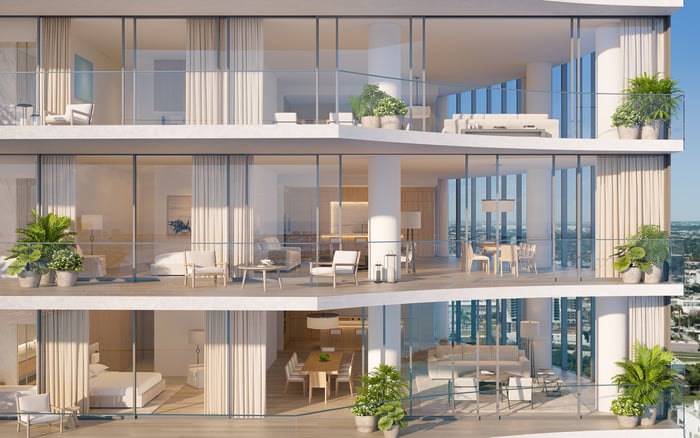
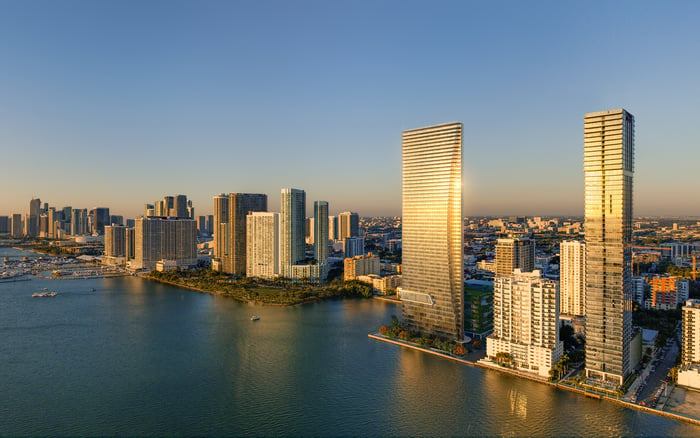
A buyer-focused guide to approaching grill rules at EDITION Edgewater with the right diligence, from private terraces and shared amenity decks to guest use and fuel storage.
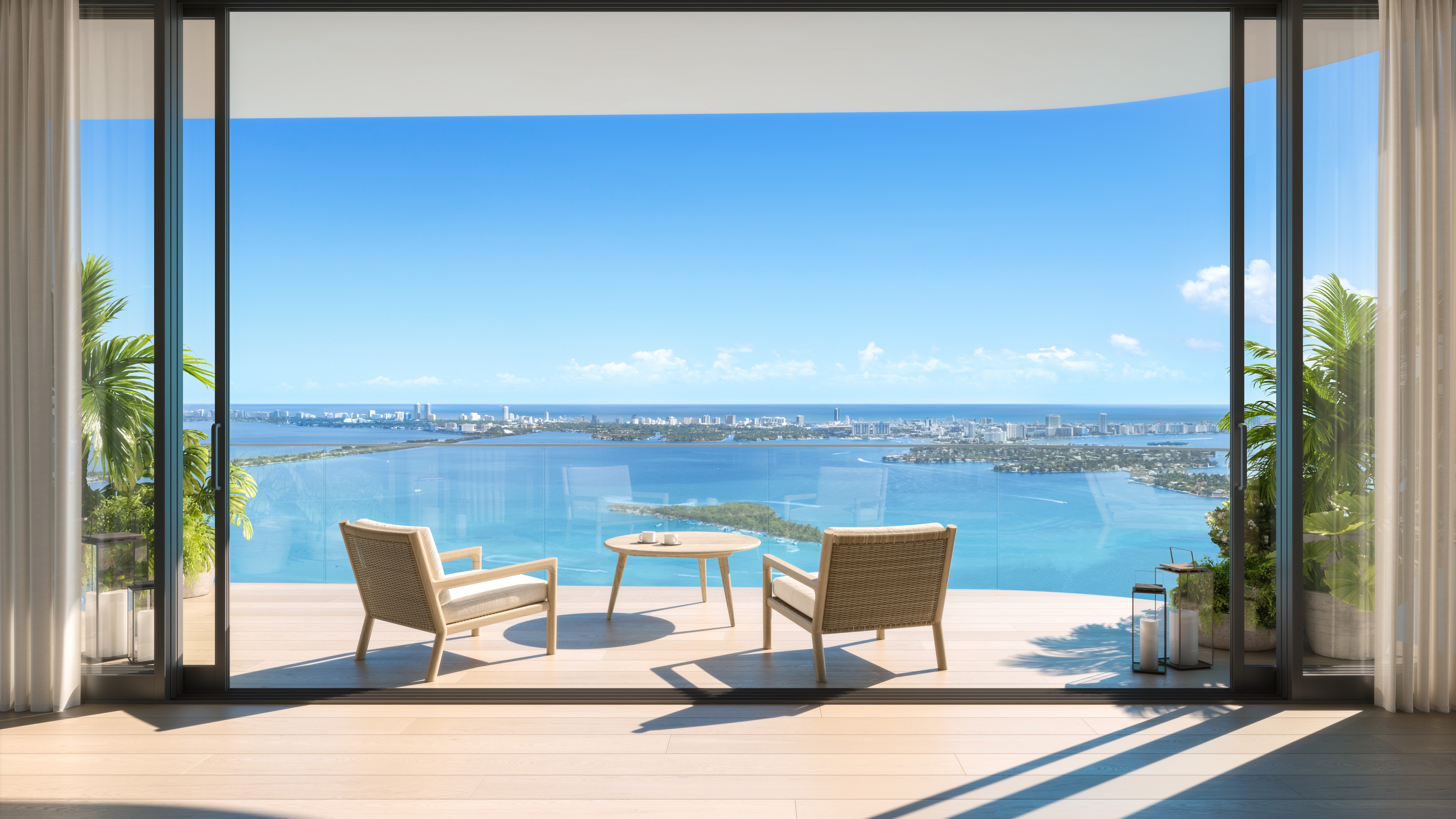
For many winter residents, the South Florida condominium lifestyle centers on a simple ritual: arriving from colder climates, opening the terrace doors, and hosting outdoors as Biscayne Bay shifts from blue to gold. At EDITION Edgewater, buyers drawn to that seasonal rhythm should treat grill rules as more than an amenity detail. They shape how a residence will actually live during the months when family, guests, and visiting friends are most likely to gather.
For this discussion, EDITION Edgewater refers to EDITION Residences Edgewater. Before signing a contract, buyers should confirm the exact branding, legal condominium name, and governing documents that apply to the residence under consideration. That distinction matters because grill permissions are not established by lifestyle imagery or casual assumptions. They are established by the condominium declaration, rules and regulations, prospectus, and any building-specific amenity-use policies.
The prudent position is straightforward: do not assume that a private balcony, bay-facing terrace, or shared outdoor deck automatically permits grilling. Just as important, do not assume that all forms of outdoor cooking are treated alike. The right question is not simply, “Can I grill?” It is, “Where, how, with what equipment, under whose use rights, and subject to which operating rules?”
Seasonal buyers should separate grill-related questions into three categories: private-balcony grilling, in-unit cooking, and shared amenity-deck grilling. Each can be governed differently, even within the same luxury building.
Private-balcony or private-terrace grilling is often the most emotionally important scenario for a second-home buyer because it feels central to waterfront living. It is also the area where buyers need the clearest written confirmation. A balcony may be a private-use area, a limited common element, or a space subject to rules that restrict appliances, fuel sources, smoke, storage, heat, or alterations. The fact that a space is attached to a residence does not, by itself, answer whether any grill may be used there.
In-unit cooking is a separate matter. A residence can have an elegant kitchen and still be subject to different restrictions for outdoor cooking equipment. Buyers should not conflate a chef-caliber interior kitchen with permission to add portable or built-in equipment outdoors. If entertaining is central to the purchase, the buyer should understand how the kitchen, terrace flow, service access, and building rules work together.
Shared amenity-deck grilling is the third scenario. If a building provides outdoor cooking stations as part of its amenity program, those stations may come with reservations, time limits, cleaning obligations, staff protocols, guest limitations, or rules about who may operate the equipment. For a seasonal owner who hosts during peak winter occupancy, the difference between private use and bookable shared use can materially affect the lifestyle.
A polished sales conversation is not a substitute for governing documents. Seasonal buyers should request and review the condominium declaration, rules and regulations, prospectus, and any amenity-use rules before relying on balcony or outdoor-cooking assumptions. If grill use is a priority, the buyer’s representative should seek written confirmation from the appropriate project or building authority before the buyer treats that use as part of the property’s value proposition.
The review should be precise. Ask whether grills are permitted on private terraces, limited to designated amenity areas, or prohibited outside approved building systems. Ask whether the documents distinguish between gas, electric, charcoal, portable, built-in, or open-flame devices. If the answer is not in the documents, ask who has authority to interpret or approve the rule.
Storage should also be addressed. Propane tanks, charcoal, lighter fluid, portable grills, replacement fuel, and related accessories may be treated differently from the act of grilling itself. A buyer should verify whether any such items may be stored in the residence, on a balcony, in a locker, in a parking area, or anywhere else on the property. This is not a decorative detail. It affects safety, convenience, compliance, and the ability to host without last-minute complications.
Some buyers keep a diligence file labeled Balcony, Terrace, Second-home, and New-construction so that lifestyle questions do not disappear behind finishes, views, and floor plan preferences. For a residence in Edgewater, where the appeal often includes water, skyline, and indoor-outdoor living, that discipline is especially useful.
Grill rules can become most consequential when the residence is full. A seasonal owner may arrive for a few weeks, invite children and grandchildren, welcome visiting friends, or allow approved guests to use the home. The buyer should confirm whether rules differ for owners, guests, renters, and visiting family members.
If shared outdoor grill stations exist, ask whether guests may reserve them independently, whether the owner must be present, whether staff assistance is required, and whether blackout dates or high-demand seasonal restrictions apply. Also ask about cleanup, disposal, noise, hours of use, and any consequences for rule violations. The diligence should not stop at whether cooking is technically available. It should address the reality of hosting in a full-service luxury environment.
This is particularly important for buyers considering any rental or guest-use strategy. Even where a residence is acquired primarily for personal use, seasonal patterns can blur. A holiday week, a visiting family member, or a short owner absence may raise questions about who is permitted to use amenities and under what conditions.
Grill permissions rarely drive value in isolation, but they can influence fit. A buyer who imagines weekly terrace dinners may evaluate a residence differently if grilling is restricted to a shared amenity area. Another buyer may prefer the simplicity of a professionally maintained amenity deck, with no equipment to store and no terrace cleanup to manage.
The key is alignment. Luxury buyers are not merely purchasing square footage. They are purchasing a way of living within a managed vertical community. Rules governing outdoor cooking help define that community’s comfort, order, and operational standards. For some buyers, tighter rules may be reassuring. For others, they may limit the exact rituals that make a winter home feel personal.
At EDITION Edgewater, the refined buyer should therefore treat grill diligence as part of the broader lifestyle review. It belongs beside questions about arrival experience, service culture, outdoor spaces, guest policies, and everyday convenience. The most successful purchase is the one in which the buyer understands not only what the residence offers, but how the building expects that offering to be used.
Before moving from interest to commitment, seasonal buyers should obtain the governing documents; identify every clause relating to balconies, terraces, open flames, cooking equipment, fuel storage, amenity reservations, guest use, and enforcement; and confirm unclear points in writing. They should also ask whether any amenity-deck grill stations require reservations, whether use is limited by time or season, whether staff must be involved, and what cleaning or setup responsibilities apply.
The tone of the inquiry should be practical rather than adversarial. In a luxury condominium, rules are part of the product. They protect the building, preserve the experience, and help seasonal residents understand the etiquette of ownership before the first dinner invitation is sent.
Can seasonal buyers assume private-balcony grilling is allowed? No. Buyers should confirm any private-balcony grill permission in the condominium documents or with the appropriate building authority before relying on it.
Is EDITION Edgewater the same as EDITION Residences Edgewater? For this article, EDITION Edgewater is used as shorthand for EDITION Residences Edgewater. Buyers should verify the exact legal condominium name before relying on it for any purchase decision.
Are shared amenity grills the same as private terrace grills? No. Shared amenity-deck equipment may have separate reservation, staffing, cleanup, guest, and time-limit rules.
Should buyers ask about electric grills specifically? Yes. Buyers should ask whether electric, gas, charcoal, portable, built-in, or open-flame devices are treated differently.
Can propane tanks be stored in the residence? Buyers should verify storage rules for propane, charcoal, lighter fluid, portable grills, and related fuel items before purchase.
Do rules change for guests or renters? They can. Seasonal buyers should confirm whether owners, guests, renters, and visiting family members have different grill-use rights.
Are fines or penalties confirmed for violations? Specific fines or penalties should not be assumed without reviewing the applicable rules and receiving proper confirmation.
Why does this matter for a second-home buyer? Second-home owners often host during peak winter months, so outdoor-cooking rules can shape the residence’s practical lifestyle.
What documents should a buyer request? Request the condominium declaration, rules and regulations, prospectus, and any amenity-use policies related to outdoor cooking.
What is the smartest way to proceed? Treat grill rules as both a lifestyle and compliance issue, then confirm every material assumption in writing before relying on it.
For a confidential assessment and a building-by-building shortlist, connect with MILLION.
If branded residences are on your mind — as a home or as an allocation — we would be glad to share what we are seeing, privately.
Begin a quiet conversation