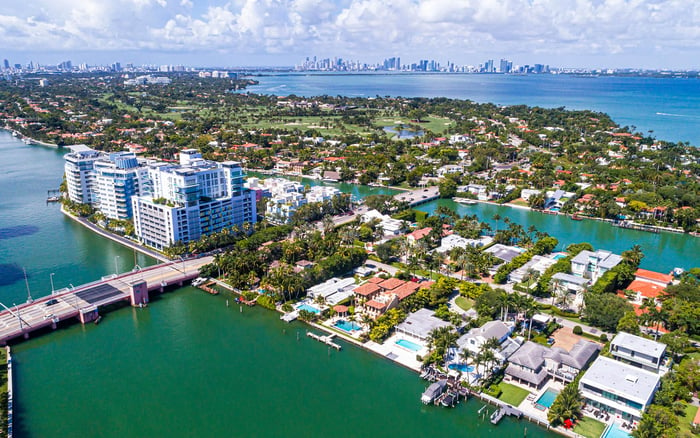
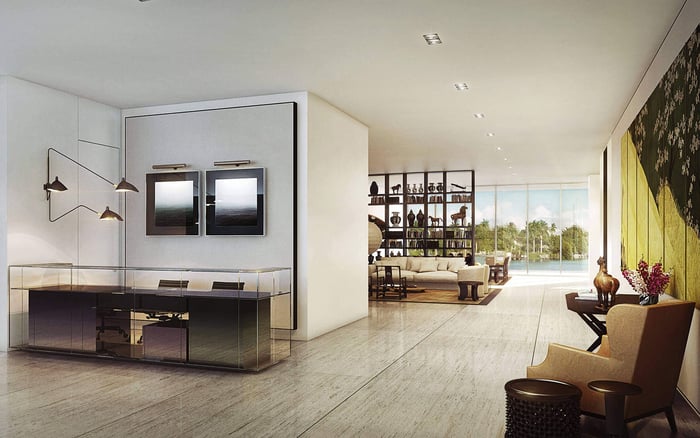
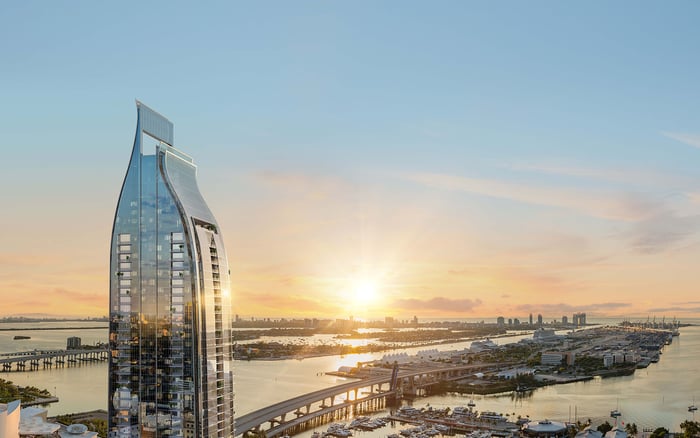
A buyer-focused look at how beach access, Atlantic wind exposure, terrace usability, and South Beach context should shape due diligence at Shore Club Private Collections Miami Beach.
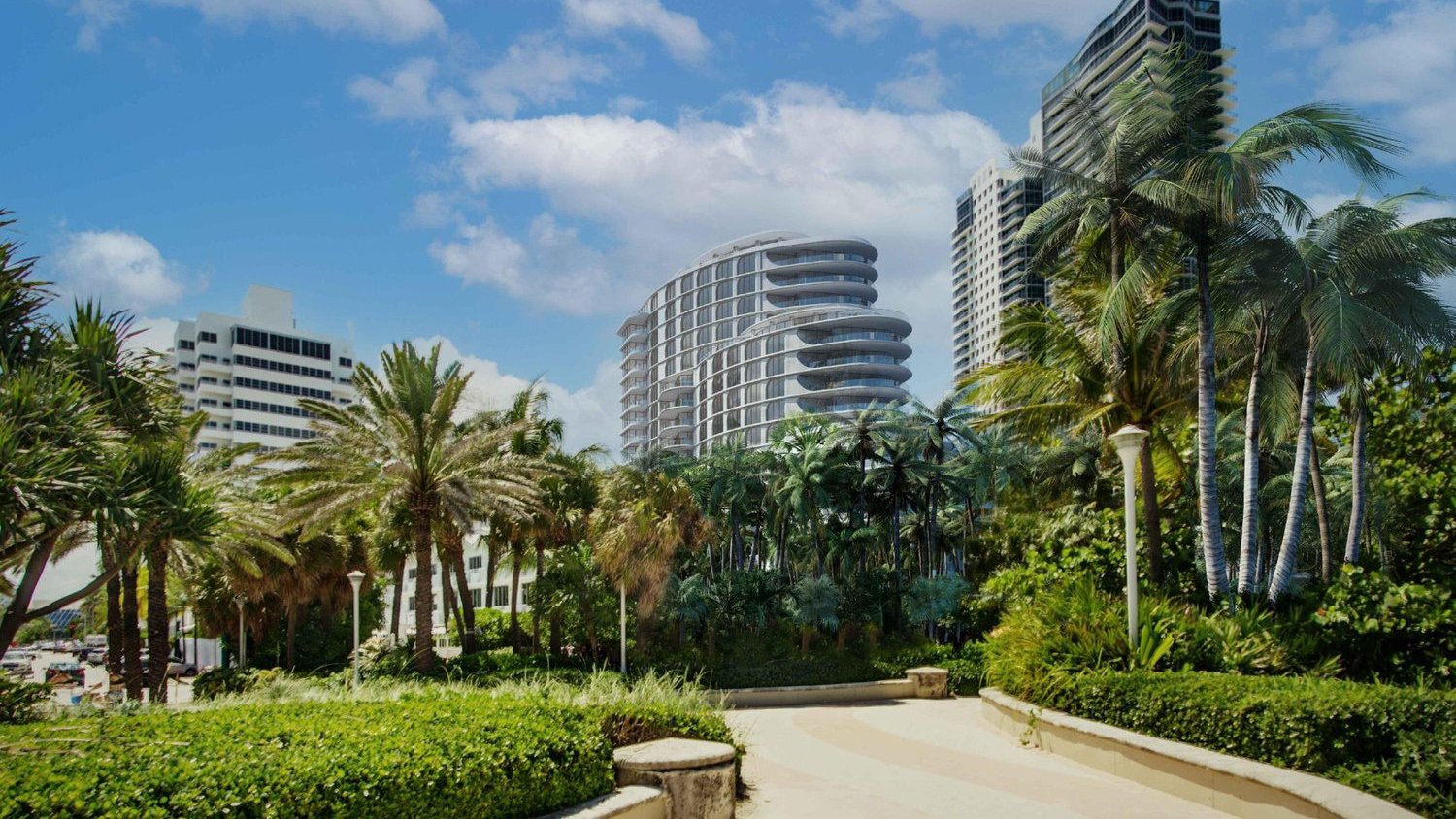
At Shore Club Private Collections Miami Beach, the headline appeal is immediate: a Miami Beach oceanfront lifestyle shaped by sand, views, terraces, and a highly active coastal setting. For buyers, that setting is not incidental. It is the lifestyle thesis.
The most informed purchasers, however, will look beyond the romance of an Atlantic view. Beach access, wind exposure, and terrace usability are not secondary considerations in an oceanfront residence. They shape breakfast outside, evening entertaining, privacy from the shoreline, and the way a home performs across seasons. In a market where residences are often compared by finish level and amenity language, the more revealing comparison may be how each unit line actually lives in relation to the beach.
That is where due diligence becomes more nuanced. Shore Club Private Collections Miami Beach sits within the broader Miami Beach hospitality environment, where private residential life can coexist with nearby restaurants, hotels, and tourism activity. That coexistence can be part of the energy and value, but it also makes access control, sightlines, and separation between residents, guests, and public beach users essential buyer questions.
In Miami Beach, oceanfront access is a major advantage, but buyers should be careful not to equate it with a fully private beach experience. The shoreline is active and public-facing, and the best residences should be evaluated with that reality in mind. The key question is not simply, “How close is the sand?” It is, “How does the path to the sand feel, and how visible is the residence from the beach environment?”
For lower-level homes, this distinction matters most. Beachwalk, dune, landscape, and pedestrian zones can sit between buildings and the sand, creating layers that may enhance the coastal setting while also introducing visual exposure. A lower terrace with lush landscaping may feel intimate from one angle and more open from another. Buyers should stand on the terrace, look outward, and then consider what a pedestrian or beachgoer might see looking back.
This kind of beach-access analysis is especially important in South Florida because many oceanfront settings are dynamic rather than secluded. That does not diminish the appeal. It simply means privacy should be examined in three dimensions: horizontal distance to the beach, vertical elevation above public-facing areas, and landscape or architectural buffering between the home and the shoreline.
Comparable oceanfront residences such as The Perigon Miami Beach show why sophisticated buyers increasingly study the full arrival from lobby to sand, not just the view from the living room. At Shore Club, that same discipline applies.
The Atlantic-facing orientation is central to the value proposition, particularly for eastern residences and terraces positioned for ocean exposure and beach views. Those exposures are often the most emotionally compelling. They also tend to carry the most direct contact with ocean breezes and storm-season weather.
For a buyer, wind is not a reason to avoid a prime view. It is a reason to ask better questions. Ocean-facing terraces may be spectacular in calm conditions, but the practical measure is how often they are comfortable for dining, reading, conversation, or hosting. Mid- and upper-floor terraces deserve particular attention because elevation can reduce shielding from dunes, landscaping, and nearby low-rise structures. A higher floor may improve the horizon, but it can also make the terrace feel more exposed.
Corner or wraparound layouts require their own review. They may offer broader views and a more dramatic sense of space, yet corners can also catch wind around building edges. This is where floor plan beauty and lived comfort need to be tested together. A wraparound terrace can be one of the most desirable features in a luxury residence, but buyers should understand whether it is suitable for frequent outdoor dining or better suited to lounging and view appreciation.
The most useful buyer questions are specific. Ask about railing design, terrace depth, wind mitigation, furniture specifications, and rules for outdoor fixtures. Ask what can be left outside, what must be secured, and whether certain accessories are restricted. These are not minor lifestyle details. They determine whether the terrace functions as an outdoor room or merely as an occasional viewing platform.
Terraces at Shore Club Private Collections are part of the lifestyle proposition, not simply extensions of the facade. They are meant to support outdoor living, dining, lounging, and entertaining. That makes terrace performance one of the most important categories in the purchase decision.
A deep terrace with balanced exposure may live very differently from a narrower terrace with stronger wind. A lower terrace may feel sheltered and connected to the landscape, while an upper terrace may deliver more expansive views with more exposure. Buyers should compare unit lines by orientation, floor height, terrace depth, and edge conditions rather than assuming that all oceanfront terraces perform the same.
The strongest approach is to imagine actual use. Where would breakfast be served? Would a dinner table feel protected? Is there a natural lounge zone out of the wind? Does the railing preserve the view while seated, not only while standing? How does the terrace relate to the primary bedroom, living area, and kitchen? These questions reveal the difference between an impressive balcony and a true outdoor living room.
Other Miami Beach benchmarks, including The Ritz-Carlton Residences® Miami Beach and Setai Residences Miami Beach, reinforce a broader lesson across the luxury market: the most valuable outdoor space is not always the largest or highest. It is the space that can be used often, comfortably, and privately.
The Shore Club setting brings a rare blend of residential privacy and resort-style energy. That blend is central to the appeal, but it also creates an important due diligence category: how private residential circulation is separated from amenity, restaurant, hotel, and beach activity.
Buyers should ask how residents move from arrival to residence, from residence to amenities, and from amenities to the beach. They should understand where access points are located, how guest movement is handled, and how the residential experience is protected during busy periods. In an oceanfront South Beach environment, the choreography of movement can matter as much as the architecture.
The goal is not to reduce the romance, but to protect it. The best luxury purchases feel effortless because the difficult questions were asked early. At Shore Club Private Collections Miami Beach, that means studying the specific residence, not just the project name. Orientation, elevation, terrace geometry, and proximity to public-facing zones will shape the lived experience in ways that cannot be understood from a view description alone.
Is Shore Club Private Collections Miami Beach an oceanfront project? Yes. It is presented as a Miami Beach oceanfront residential project, so beach access and coastal exposure should be part of buyer due diligence.
Does oceanfront access mean the beach is fully private? Not necessarily. Buyers should distinguish oceanfront access from a fully private beach experience because Miami Beach’s shoreline is active and public-facing.
Why should lower-floor buyers study privacy more carefully? Lower-level terraces may be closer to beachwalk, dune, landscape, and pedestrian zones. That can affect visual privacy from public-facing areas.
Are eastern residences likely to have the strongest ocean exposure? Yes. The Atlantic-facing orientation means eastern residences and terraces are positioned for ocean exposure and beach views.
Can ocean-facing terraces be windier? They can be. Ocean-facing terraces may deliver the strongest view premium while also receiving more direct Atlantic breezes and storm-season exposure.
Are corner terraces always better? Not always. Corner or wraparound terraces may offer broader views, but they can also be more exposed to wind around building edges.
What should buyers ask before planning frequent terrace dining? Ask about wind mitigation, railing design, terrace depth, outdoor furniture specifications, and rules for fixtures. These details affect daily usability.
Should all oceanfront unit lines be valued the same way? No. Buyers should compare orientation, floor height, terrace depth, and exposure because different unit lines can live very differently.
Why does the South Beach location matter for due diligence? The area is a busy hospitality corridor, so private residential life may coexist with nearby restaurants, hotels, and tourism activity.
What is the main buyer takeaway? The best decision balances views with comfort, privacy, beach movement, and terrace performance. A residence should be evaluated as a lived environment, not just a view.
To compare the best-fit options with clarity, connect with MILLION.
If branded residences are on your mind — as a home or as an allocation — we would be glad to share what we are seeing, privately.
Begin a quiet conversation