A seasonal Edgewater residence should be underwritten as a lasting Miami asset, with attention to daily livability, building governance, rental flexibility, maintenance discipline and resale clarity.
A seasonal pied-à-terre in Edgewater can feel irresistible at first glance: a polished lobby, a view that changes by the hour, and the promise of effortless Miami access without the obligation of a full-time house. The stronger purchase, however, is the one that still makes sense after the season ends. A serious buyer should ask the less romantic question: would this residence remain practical, dignified and desirable for longer stays, family visits, workweeks or eventual primary occupancy?
That distinction separates a decorative apartment from a durable asset. A seasonal residence can be compact, but it cannot be casual. It needs enough storage to avoid feeling temporary, a kitchen that supports real living, a primary suite that provides retreat rather than spectacle, and building services that make arrivals and departures feel controlled. In Edgewater, the best pied-à-terre is not the smallest acceptable unit. It is the most intelligently composed home the buyer can imagine owning through several life chapters.
This is why projects such as EDITION Edgewater matter in the conversation. A branded or design-led address may attract attention, but the purchase becomes serious only when the residence, service model and ownership environment align with how the buyer actually lives.
The first showing often rewards drama. Long-term ownership rewards order. Buyers should look beyond the immediate impression and study the rhythm of the building: how residents arrive, how guests are received, how packages are managed, how elevators feel during busy periods, and whether amenity spaces support privacy rather than spectacle. A pied-à-terre that feels calm on an ordinary afternoon is often more valuable to live with than one that simply photographs well.
Floor plan discipline is equally important. A good seasonal home should not require constant adaptation. If luggage has no logical place, if terrace furniture crowds the living room, or if a guest stay compromises the owner’s privacy, the residence may feel smaller over time. A thoughtful terrace is not merely an outdoor bonus. It is an extension of the interior, especially when the plan allows shaded sitting, easy circulation and a clear relationship to the main living space.
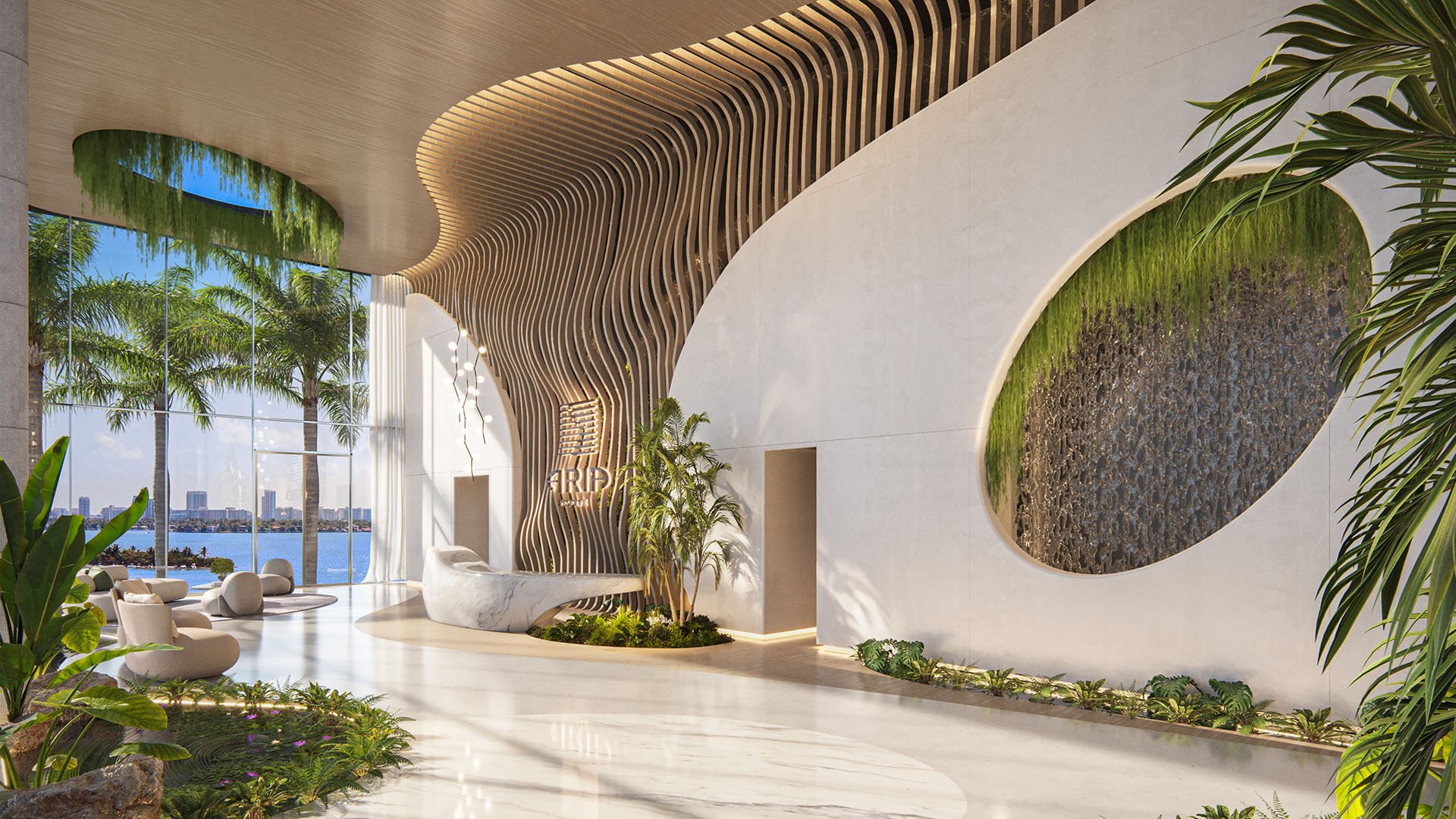
Buyers considering Aria Reserve Miami, for example, should evaluate the residence not only as a striking seasonal perch, but as a setting for repeat use. The question is not whether the first weekend feels special. The question is whether the tenth visit feels even easier.
A seasonal owner may never intend to rent, but optionality still matters. The rules governing occupancy, lease duration, guest access, building approvals and owner use should be reviewed before enthusiasm hardens into commitment. A residence that depends on rental income to justify itself is a different purchase from one where rental potential is simply a secondary advantage.
This is where language matters. Buyers often group their thinking into second-home enjoyment, long-term rental flexibility and personal-use control. Each category has a different risk profile. A building that is ideal for quiet personal use may not be designed for frequent tenant turnover. A building that welcomes more flexible leasing may feel less private than an owner expected. Neither model is inherently superior, but a mismatch can be costly in comfort and perception.
For a serious long-term purchase, rental assumptions should remain conservative. Carrying costs, furnishing wear, management oversight, insurance considerations and periods of vacancy all need to be viewed as part of ownership, not as afterthoughts. If the home still feels rational without an aggressive rental plan, the buyer is usually on firmer ground.
Luxury buyers often focus on finishes because finishes are visible. Yet the quiet strengths of a building usually determine whether ownership feels graceful. Sound separation, elevator planning, service staffing, garage experience, maintenance culture, reserve discipline and clarity of governance all influence daily satisfaction. These details rarely dominate a brochure, but they are central to long-term value.
New construction can be compelling for a buyer who wants contemporary systems, fresh common areas and a more current design language. Still, newness alone is not a thesis. The better question is whether the building has a coherent identity and a resident profile that suits the buyer. A pied-à-terre owner who values discretion may prefer a building where the amenity program feels residential, not performative.
At The Cove Residences Edgewater, as with any serious condominium consideration, the appeal should be measured through both lifestyle and stewardship. A beautiful waterview is meaningful, but it should be paired with a plan, a building and an ownership structure that make the view easy to enjoy rather than emotionally expensive to manage.
A strong pied-à-terre is bought with an exit in mind, even when the owner has no intention of selling. Resale depth begins with broad usability. The plan should appeal to more than one buyer profile. The view should be legible. The building should have a clear identity. The unit should not rely on highly specific taste to explain its value.
This is where Edgewater can be especially interesting for buyers who want a Miami base without defaulting to a traditional resort address. The neighborhood’s condominium language allows for waterfront living, urban access and a more residential version of seasonal ownership. But selectivity remains essential. Buyers should avoid overpaying for novelty when they can pay for enduring composition: proportions, light, privacy, storage, service and ease of maintenance.
A residence at Villa Miami, for instance, should be considered through the same disciplined lens as any long-hold asset. Branding, architecture and amenity are part of the appeal, but the true test is whether the home remains useful if the owner’s Miami life expands.
The most resilient seasonal purchase begins with use. How many weeks will the owner realistically spend in Miami? Will family members visit independently? Is remote work part of the pattern? Does the buyer entertain, or is privacy more important than hosting? The answers should guide size, floor height, exposure, parking, storage and building style.
Second, the buyer should examine friction. Every small inconvenience compounds when the residence is used repeatedly. Poor closet planning, difficult guest logistics, limited workspace or a noisy bedroom can turn a glamorous pied-à-terre into a home the owner subconsciously avoids. Serious purchases remove friction before it becomes habit.
Finally, buyers should keep liquidity in mind. The most saleable residences tend to be easy to understand. They do not require a complicated explanation or a narrow buyer. In a seasonal market, clarity is a form of value. The home should immediately communicate why it works, why it is comfortable, and why another sophisticated buyer would want it later.
What makes an Edgewater pied-à-terre different from a vacation condo? A pied-à-terre should support repeat, practical use rather than occasional novelty. The best examples feel comfortable for both short stays and longer periods.
Should I buy a smaller residence if I only visit seasonally? Not automatically. A slightly larger, better-planned home may age better if your Miami use increases or family needs change.
How important is the building’s rental policy? It is important even if you do not plan to rent. Rules affect flexibility, privacy, tenant profile and future buyer perception.
Is new construction always better for this type of purchase? New construction can offer modern systems and fresh amenities, but the building’s governance, plan quality and resident culture matter just as much.
What floor plan features matter most? Prioritize storage, bedroom privacy, usable outdoor space, work flexibility and a living area that functions without rearrangement.
Should views drive the decision? Views matter, especially a strong waterview, but they should not compensate for weak planning, poor privacy or difficult building logistics.
Is a branded residence a safer choice? Branding can support recognition and service expectations, but it should be evaluated alongside maintenance costs, rules and long-term usability.
How should I think about long-term rentals? Treat long-term rentals as optionality rather than the core reason to buy. The residence should still make sense as a personal asset.
What is the biggest mistake seasonal buyers make? They buy for the first weekend rather than the fifth year. A serious purchase should feel easier and more useful over time.
When should I involve an advisor? Early, before emotional preference narrows the field. The right guidance helps compare buildings, rules and resale logic with discipline.
When you're ready to tour or underwrite the options, connect with MILLION.
If branded residences are on your mind — as a home or as an allocation — we would be glad to share what we are seeing, privately.
Begin a quiet conversation