A discreet guide for Los Angeles buyers evaluating Bal Harbour oceanfront residences, with attention to privacy, service, architecture, building culture, and long-term livability.
For a Los Angeles buyer, Bal Harbour is not simply a change of coastline. It is a change in rhythm. The Pacific sensibility often centers on hillside privacy, gated drives, cinematic views, and a life organized around the car. Bal Harbour asks a different set of questions: how the residence meets the ocean, how the building protects discretion, and how smoothly daily life moves between sand, service, retail, dining, and private space.
This buyer’s-guide perspective is designed for someone who already understands luxury, but wants to recalibrate for South Florida. Oceanfront living here is not only about the view. It is about exposure, building culture, arrival sequence, security, maintenance standards, terrace usability, and how the residence feels in soft morning light as much as it does at sunset.
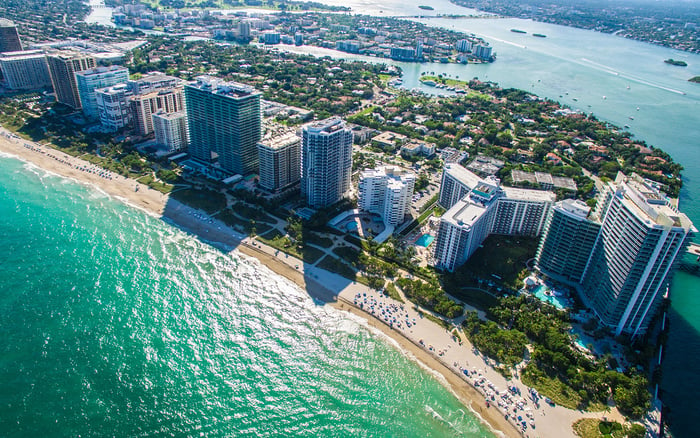
Bal Harbour appeals to buyers who prefer elegance without noise. The village has a compact, polished character, with oceanfront condominium living forming the spine of its residential identity. For Los Angeles residents accustomed to privacy through acreage or elevation, the adjustment is to privacy through vertical design, controlled access, staff professionalism, and the social tone of the building itself.
A buyer looking at Rivage Bal Harbour should consider not only floor plan and finish, but how the building will support daily routines. The question is not simply whether the residence is beautiful. It is whether the overall environment feels intuitive, quiet, and secure enough to become a primary home, seasonal base, or long-term family asset.
Bal Harbour also benefits from proximity to neighboring luxury enclaves without requiring the buyer to live in their energy every day. Miami Beach offers a broader cultural and hospitality tempo. Surfside feels intimate and residential. Sunny Isles Beach introduces a skyline of large-scale oceanfront towers. Bal Harbour sits between those expressions: more restrained than celebratory, more edited than expansive.
Square footage is only one measure of value. A Los Angeles buyer should study how the plan lives. Does the primary suite wake to the water? Are secondary bedrooms positioned for privacy? Does the living room allow art, conversation, and ocean views to coexist? Is the terrace deep enough to use, or merely wide enough to photograph?
Exposure deserves particular attention. Direct oceanfront views carry emotional power, but side exposures, morning light, cross-breezes, and neighboring sightlines all affect the experience of ownership. A residence may look commanding on paper, yet feel compromised if the terrace is too exposed, the glass line creates glare, or the elevator arrival lacks grace.
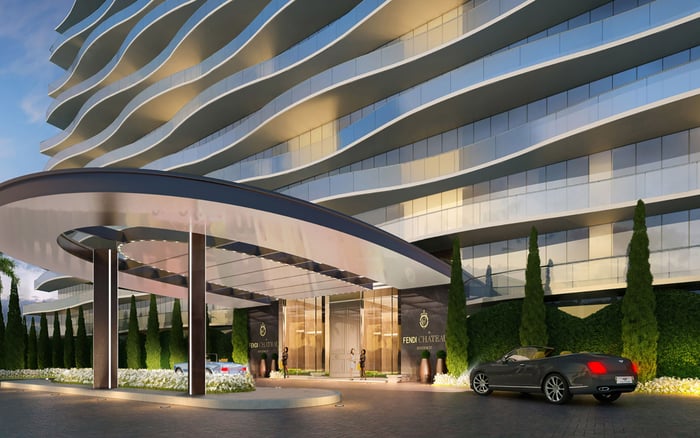
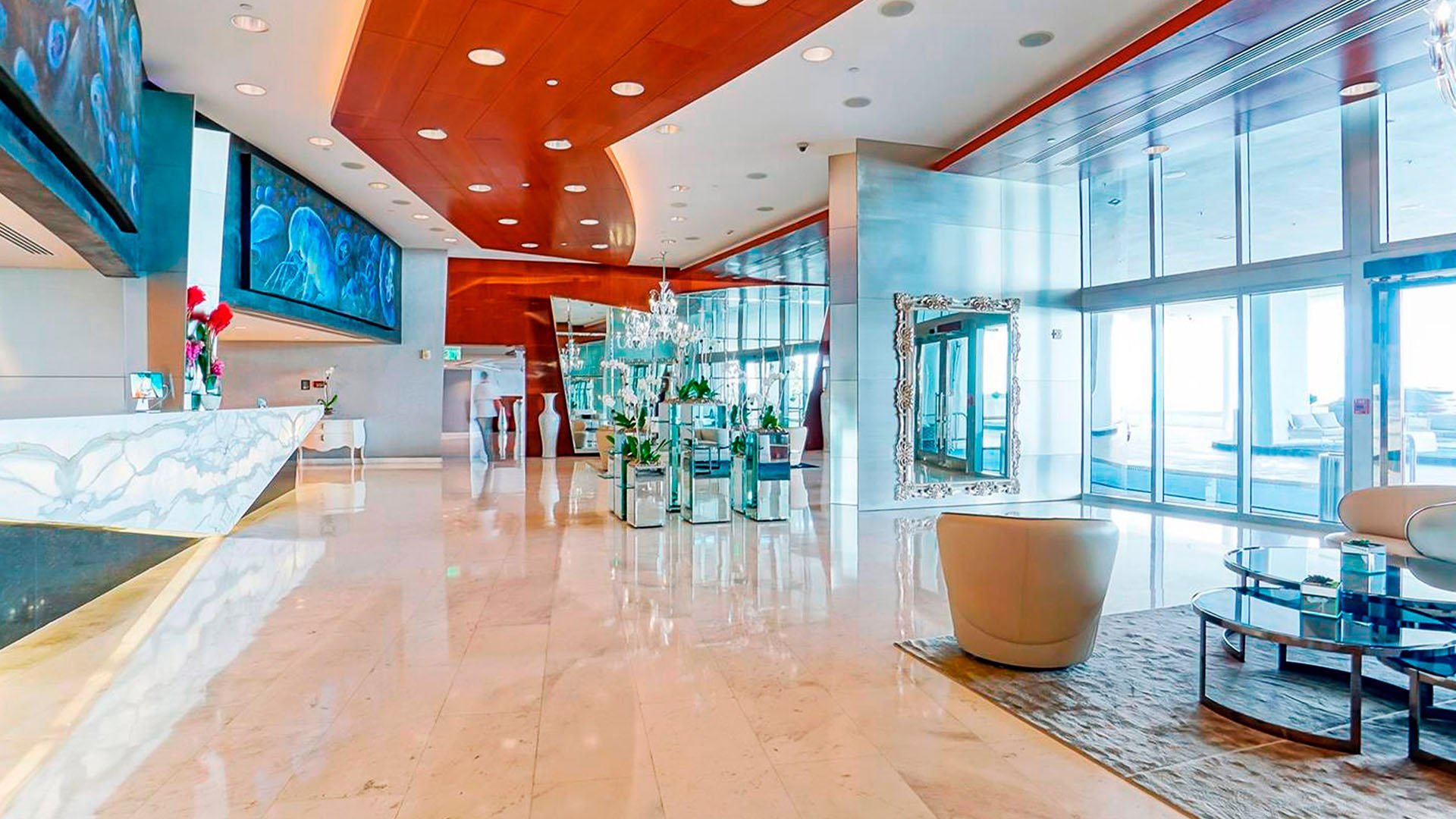
At Oceana Bal Harbour, as with any established oceanfront address, a buyer should think beyond the unit. The questions extend to lobby choreography, elevator privacy, beach access, service circulation, valet flow, and how the building feels during peak seasonal use. In South Florida, the building is part residence, part private club, and part long-term operating organism.
Miami Beach is the natural comparison for Los Angeles buyers who want more cultural density and a broader range of restaurants, hotels, and design references. A residence such as The Perigon Miami Beach may appeal to someone who wants the oceanfront lifestyle with a more visibly connected Miami Beach setting.
Surfside, just south of Bal Harbour, often appeals to buyers seeking a quieter residential scale while remaining close to Bal Harbour’s luxury conveniences. For those drawn to a heritage coastal atmosphere, The Surf Club Four Seasons Surfside can be part of the comparison set, particularly when the buyer values a highly curated sense of place.
Sunny Isles Beach offers a different proposition. It is more vertical, more skyline-driven, and often attractive to buyers who prioritize dramatic towers, high-floor views, and a broad inventory of oceanfront residences. A buyer comparing Bal Harbour with St. Regis® Residences Sunny Isles should decide whether they prefer the quieter village atmosphere of Bal Harbour or the larger-format energy of Sunny Isles Beach.
In Los Angeles, service is often distributed: private staff, estate managers, club memberships, wellness specialists, drivers, and separate destinations for dining or fitness. In a Bal Harbour oceanfront residence, many of those expectations converge inside the building. That makes service culture essential.
Ask how the building handles privacy at arrival, guest registration, deliveries, beach setup, vendor access, pet circulation, and owner requests. The best buildings make these details feel invisible. The wrong building makes them feel like friction. For a buyer relocating from Los Angeles, a polished service environment can be the difference between a residence that is used often and one that remains an occasional escape.
The most disciplined buyers separate emotion from verification. Before choosing any oceanfront residence, review the building’s governance, maintenance approach, reserve posture, insurance considerations, rental policies, pet rules, renovation protocols, and the practical realities of construction or restoration nearby. These matters are not decorative; they shape ownership.
Lifestyle diligence matters as well. Visit at different times of day. Arrive by car during busy periods. Walk the beach. Stand on the terrace long enough to understand wind, sound, and privacy. Compare the feeling of low floors with high floors. Study how long it takes to move from the residence to the sand, from valet to elevator, and from lobby to private space.
For Los Angeles buyers, the best Bal Harbour purchase is not the most dramatic one. It is the residence that makes life easier, calmer, and more beautiful without demanding explanation.
Is Bal Harbour a natural fit for Los Angeles buyers? Yes. It suits buyers who value privacy, oceanfront living, refined service, and a quieter luxury environment than larger urban districts.
How is Bal Harbour different from Miami Beach? Bal Harbour is more compact and discreet, while Miami Beach offers a broader cultural, dining, and hospitality landscape.
Should I compare Bal Harbour with Surfside? Yes. Surfside can feel intimate and residential, making it a useful comparison for buyers who want calm coastal living near Bal Harbour.
How does Sunny Isles Beach compare? Sunny Isles Beach generally feels more vertical and skyline-oriented, which may appeal to buyers seeking dramatic high-rise oceanfront living.
What should matter most beyond the view? Service quality, privacy, terrace usability, exposure, building culture, and long-term maintenance standards should all be evaluated carefully.
Is a high floor always better? Not always. High floors can offer drama, while lower floors may provide a stronger connection to the beach, landscape, and daily routine.
Should I prioritize new construction or established buildings? Both can be compelling. The right choice depends on design preference, timing, service expectations, governance, and the specific residence.
Can an oceanfront residence work as a primary home? Yes, if the floor plan, storage, service, privacy, and everyday access patterns support full-time living rather than vacation use only.
What is the biggest mistake West Coast buyers make? Many focus too quickly on views and finishes, without studying building operations, policies, arrival experience, and long-term ownership costs.
When should I engage local guidance? Early. The strongest decisions come from comparing buildings, neighborhoods, and ownership structures before emotion narrows the field.
When you're ready to tour or underwrite the options, connect with MILLION.
If branded residences are on your mind — as a home or as an allocation — we would be glad to share what we are seeing, privately.
Begin a quiet conversation