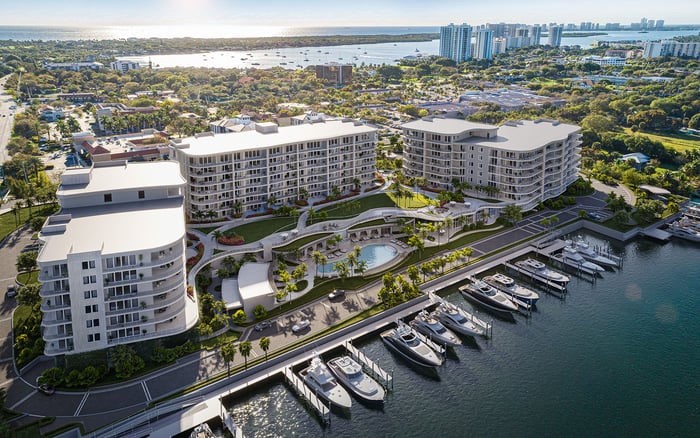
A discreet buyer’s guide to evaluating Ritz-Carlton branded residences across Pompano Beach, Sunny Isles, and West Palm Beach, with attention to documents, lifestyle fit, service expectations, carrying costs, and exit planning.

A Ritz-Carlton name can bring immediate emotional clarity to a search, but sophisticated buyers still need to separate brand affinity from investment judgment. The first question is not which residence photographs best. It is the role the property will play in a broader South Florida life: primary home, seasonal base, family gathering point, long-term hold, or legacy asset.
That lens matters when comparing The Ritz-Carlton Residences® Pompano Beach, The Ritz-Carlton Residences® Sunny Isles, and The Ritz-Carlton Residences® West Palm Beach. Each sits within a different ownership context. Pompano Beach, Sunny Isles Beach, and West Palm Beach all carry distinct rhythms of access, privacy, daily convenience, and neighborhood identity.
For buyers in Branded Residences, due diligence should be both legal and experiential. The contract defines what is owned. The lifestyle test clarifies whether the residence will be used as intended.
The most disciplined buyers read the offering materials before becoming attached to a particular view line, terrace, or floor plan. Key areas include the purchase agreement, condominium documents, estimated budgets, association structure, insurance responsibilities, reserve approach, closing conditions, and any provisions tied to brand standards or shared services.
For pre-construction and new-development purchases, buyers should understand deposit timing, cancellation rights, construction contingencies, delivery mechanics, and what happens if specifications evolve. For completed or resale opportunities, diligence shifts toward current association health, rules in practice, pending assessments, insurance history, and the building’s operating culture.
Counsel should also review how branded-residence obligations are framed. A name on the building is not a substitute for understanding the actual rights, restrictions, and costs that govern ownership.
The most common mistake is to evaluate The Ritz-Carlton Residences® Pompano Beach, The Ritz-Carlton Residences® Sunny Isles, and The Ritz-Carlton Residences® West Palm Beach as interchangeable expressions of the same idea. They are connected by brand language, but their market settings are different.
Pompano Beach may appeal to buyers seeking a Broward County coastal base with a quieter profile than the most internationally visible condo corridors. Sunny Isles Beach is often considered by buyers who prioritize a high-rise waterfront environment and proximity to the broader northern Miami luxury circuit. West Palm Beach speaks to those drawn to an urban Palm Beach County lifestyle, with a different cadence of restaurants, culture, offices, and private-club adjacency.
The right question is not which market is best. It is which market best matches how the buyer actually lives from Monday morning through Sunday evening.
The Ritz-Carlton name creates expectations around service culture, consistency, and discretion. Buyers should still confirm what services are included, what is available at additional cost, which services are controlled by the association, and which may be governed by separate brand or management agreements.
Privacy deserves equal attention. In any luxury condominium, the quality of arrival, elevator experience, valet flow, guest management, package handling, staff protocols, and amenity access can shape day-to-day satisfaction as much as finishes. A residence may be beautifully appointed and still feel misaligned if the operational model does not suit the owner’s desired level of anonymity.
Ask practical questions: how often will guests visit, how much staff support is required, how important is private dining, will children or extended family use the residence, and how frequently will the owner be away? The answers often determine whether the building’s service model feels like a luxury or a complication.
A prudent buyer models total cost of ownership before negotiating price. Monthly assessments, insurance, taxes, maintenance, optional services, parking, storage, club or amenity-related charges, and potential future assessments all belong in the same analysis. For ultra-premium buyers, the issue is rarely affordability. It is whether the cost structure aligns with usage and value retention.
Branded Residences can command attention because they simplify the promise of hospitality. Yet that promise can be operationally intensive. Review budgets carefully and ask how staffing, reserves, common-area maintenance, and service expectations are funded. A building with ambitious amenities should have an operating structure that appears coherent over time.
Buyers should also compare carrying cost against likely use. A seasonal owner who occupies the residence for limited windows may value lock-and-leave service differently from a full-time resident who experiences the building daily.
Even buyers who never intend to rent should understand rental rules. Restrictions can affect liquidity, family use, tax planning, and future buyer pools. Confirm minimum lease terms, approval rights, guest policies, transfer fees, and whether branded standards influence leasing or marketing.
Resale diligence begins before purchase. Consider whether the floor plan, exposure, ceiling height, parking arrangement, storage, and privacy profile will remain compelling to future buyers. In branded residences, the brand may help frame demand, but the individual residence still has to perform on fundamentals.
Exit timing also matters. Buyers should ask how many comparable residences may compete in the same market window, how the project’s broader sellout or resale environment could affect pricing psychology, and whether the chosen line has enough scarcity to stand apart.
Before moving forward, assemble a focused advisory team: real estate counsel, tax counsel when appropriate, insurance guidance, financing support if leverage is involved, and a broker who understands both the building and the submarket. The goal is not to complicate the purchase. It is to reduce ambiguity before emotion becomes expensive.
Request the governing documents early. Review service menus and fee schedules. Confirm pet, guest, renovation, leasing, and moving rules. Understand parking and storage. Ask how communications with management are handled. If the property is not yet delivered, clarify what can change, what is fixed, and what remedies exist if timing or specifications shift.
Above all, tour with discipline. Visit the area at different times when possible. Drive daily routes. Test the arrival sequence. Imagine the residence during peak season, family holidays, and quiet weekdays. Luxury real estate is not only acquired. It is lived.
What is the first diligence step for these Ritz-Carlton residences? Define the ownership thesis first, then evaluate documents, costs, location fit, and service model against that thesis.
Should buyers compare Pompano Beach, Sunny Isles Beach, and West Palm Beach directly? Yes, but as different lifestyle markets rather than identical branded offerings in different locations.
Why are condominium documents so important? They define rights, restrictions, association structure, costs, and the operating framework that governs daily ownership.
Do branded residences require extra diligence? Yes. Buyers should review how brand standards, services, management obligations, and related costs are actually structured.
How should a buyer think about service levels? Service should be measured against real daily needs, including privacy, guest flow, staff interaction, and time away from the residence.
Are carrying costs as important as purchase price? For long-term ownership, total carry can be just as important because it affects value, liquidity, and satisfaction over time.
Should rental rules matter if I do not plan to rent? Yes. Rental restrictions can influence resale value, flexibility, family use, and future buyer demand.
What makes a residence more resilient for resale? Strong fundamentals such as layout, exposure, privacy, parking, storage, and scarcity tend to matter beyond branding.
Who should be on the advisory team? Buyers often benefit from real estate counsel, tax guidance, insurance input, financing support, and a knowledgeable broker.
What is the best way to shortlist comparable options for touring? Start with location fit, delivery status, and daily lifestyle priorities, then compare stacks and elevations to validate views and privacy.
For a confidential assessment and a building-by-building shortlist, connect with MILLION.
If branded residences are on your mind — as a home or as an allocation — we would be glad to share what we are seeing, privately.
Begin a quiet conversation