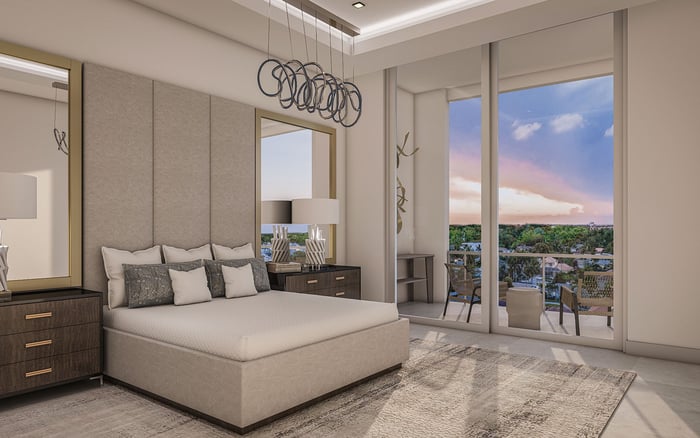
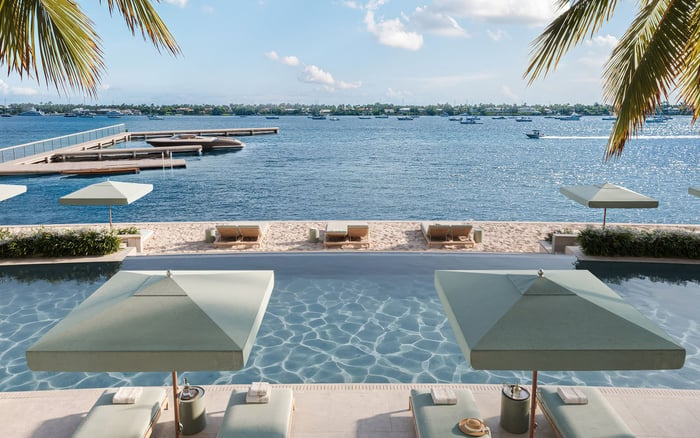
A buyer-focused guide to evaluating view-corridor risk at The Ritz-Carlton Residences® Palm Beach Gardens, from protected sightlines and marina exposure to resale pricing discipline.
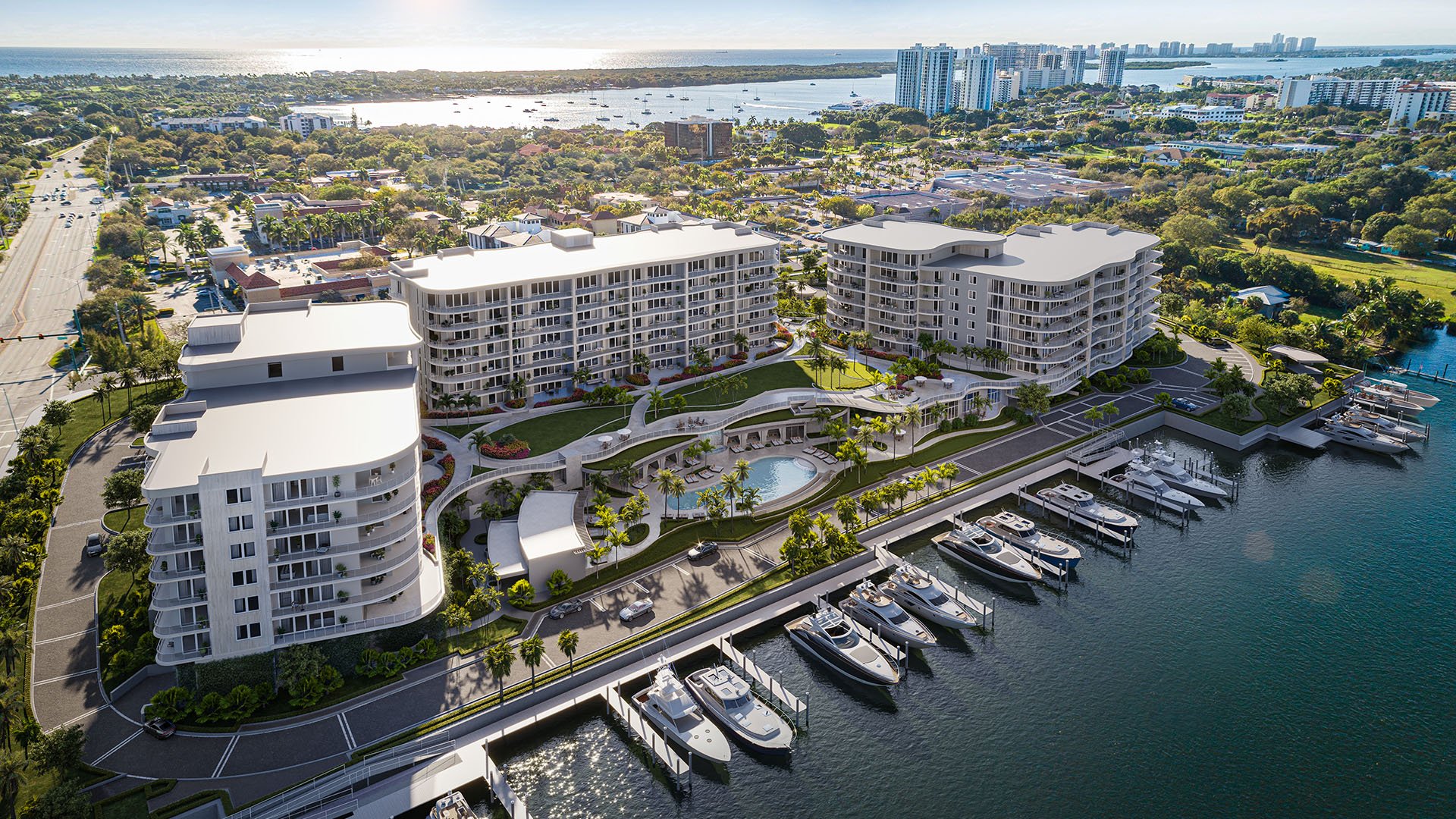
At The Ritz-Carlton Residences® Palm Beach Gardens, view-corridor risk is not a minor footnote. It is the possibility that a residence’s present sightlines, daylight, privacy, and waterfront character could evolve over time. For buyers paying a premium for water, marina, or panoramic exposure, the question is not simply, “What do I see from the balcony today?” It is, “What is likely to remain visible, and what is merely a condition of the current moment?”
This is where disciplined luxury buying becomes more forensic. The Ritz-Carlton name can speak to service, design, hospitality standards, and the controlled experience within the property. It does not automatically control neighboring parcels, public rights-of-way, shoreline rules, future infrastructure, or marina operations. A sophisticated buyer separates the branded residential experience from the external conditions that may shape the view over the next ownership cycle.
The first question should be direct: which views from the specific residence are legally protected, which are practically protected, and which exist only because the surrounding context currently allows them? A sales conversation may emphasize a water view, a marina angle, or a sunset-facing terrace, but buyers should request written clarification on whether renderings, model-unit perspectives, and presentation materials are illustrative or tied to enforceable protections.
That distinction matters. A legally protected view might be supported by an easement, covenant, development agreement, site-plan condition, recorded restriction, or another binding document. A practically protected view may be difficult to obstruct because of setbacks, existing public spaces, water bodies, or low-scale uses nearby. A merely current view, by contrast, may depend on a neighboring parcel remaining unchanged.
For high-net-worth buyers accustomed to branded residences across South Florida, the same scrutiny applies whether considering Palm Beach Gardens, The Ritz-Carlton Residences® West Palm Beach, or another luxury address. The name on the building may elevate the lifestyle. The documents define the durability of the view.
View-corridor diligence should never be conducted only at the building level. Elevation, orientation, stack position, balcony depth, and line of sight can materially alter exposure to future obstruction. Two residences in the same project may have very different risk profiles if one looks over a lower waterfront condition and another looks across a parcel with redevelopment potential.
Higher-floor residences may be less exposed to some obstruction scenarios than lower or mid-level residences, but height alone is not a substitute for geometry. Buyers should ask for a unit-by-unit view analysis that considers the actual balcony location, window-wall orientation, and likely massing of nearby sites. A line drawn from the primary living area is often more useful than a general statement about “water views.”
This is especially important when pricing a premium exposure. If a residence is valued above an otherwise similar floor plan because it captures a direct waterfront or marina sightline, the buyer should understand whether that premium is attached to a durable view or a more speculative one. Waterfront, waterview, and marina premiums should be underwritten with the same seriousness as square footage, finish level, and floor height.
Buyers should ask the developer or sales team to identify all neighboring parcels, marina areas, waterfront facilities, public rights-of-way, and access points that could affect future views. The point is not to assume that change will occur. The point is to understand where change could occur and how it might affect light, privacy, noise, skyline exposure, and water visibility.
The questions should include current zoning, entitlements, pending applications, and redevelopment potential on nearby parcels. Buyers should also ask whether any planned roadway, bridge, public-infrastructure, or waterfront-access project could alter the feel of the residence. A view is not just a visual asset. It is tied to sound, movement, reflection, nighttime light, and the feeling of separation from the public realm.
Marina diligence deserves particular attention. Future marina expansion, dock reconfiguration, dry storage, cranes, fuel docks, or increased vessel traffic can change the character of a waterfront setting. None of those possibilities should be evaluated casually when a buyer is paying for serenity, privacy, and the choreography of water beyond the terrace.
Some view risks are architectural. Others are environmental or regulatory. Buyers should ask whether mangroves, shoreline plantings, conservation requirements, or coastal-management rules could affect future sightlines, especially from lower and mid-level residences. A protected natural edge can be a remarkable asset, but it may also influence how sightlines evolve as vegetation matures or management obligations change.
This is where a calm, technical review is preferable to broad assurances. A residence that feels open during a sales presentation may experience a different relationship to the shoreline over time. The question is not whether landscaping is beautiful. The question is how landscape, conservation, and coastal rules interact with the view corridors that justify the purchase price.
Buyers comparing the Palm Beach corridor with other waterfront settings, such as Alba West Palm Beach or The Ritz-Carlton Residences® Pompano Beach, should bring the same discipline to every site. Water proximity is not a single category. Each shoreline has its own geometry, constraints, and neighboring conditions.
A buyer does not need to become a planner, surveyor, or land-use attorney. But the purchase file should include their perspective when the view premium is meaningful. Ask a surveyor, land-use attorney, or planning consultant to model likely obstruction scenarios based on adjacent-site height, setbacks, and massing possibilities. The goal is to convert a verbal impression into a range of plausible outcomes.
This analysis can reveal whether a lower-floor balcony is vulnerable to a future structure, whether a mid-level residence could lose a specific marina angle, or whether a higher residence is likely to preserve its principal exposure. It can also help a buyer negotiate with clearer expectations. If the view is secure, that supports confidence. If the view is uncertain, that risk should be reflected in pricing, contract posture, or residence selection.
The governing principle is consistent: luxury is not only what is delivered at closing. It is what remains defensible at resale. Future purchasers will value the residence based on the views that exist then, not the views shown in preconstruction marketing. A beautiful rendering may inspire the purchase, but the resale market prices reality.
What is view-corridor risk at The Ritz-Carlton Residences® Palm Beach Gardens? It is the possibility that current sightlines, light, privacy, or waterfront character could change during ownership.
Are all water views automatically protected? No. Buyers should distinguish legally protected views from practical protections and views based only on current conditions.
Should I rely on renderings or model-unit views? Treat them as illustrative unless written documents state that a specific view is enforceably protected.
Why does the exact residence matter? Floor height, orientation, balcony position, and stack location can materially affect future obstruction exposure.
What neighboring areas should be reviewed? Nearby parcels, marina facilities, waterfront uses, public rights-of-way, and access points should all be examined.
Can marina changes affect value? Yes. Dock changes, dry storage, fuel docks, cranes, or added vessel traffic can alter the visual waterfront experience.
Do shoreline plantings matter? They can. Mangroves, conservation rules, and coastal-management obligations may influence lower or mid-level sightlines.
Is a higher floor always safer? Not always. Higher floors may reduce some risks, but geometry and site-plan analysis are still essential.
Who should help evaluate view risk? A surveyor, land-use attorney, or planning consultant can model likely obstruction scenarios and document assumptions.
How should view risk affect pricing? Any premium for direct waterfront, marina, or panoramic exposure should be weighed against durability and resale risk.
For a tailored shortlist and next-step guidance, connect with MILLION.
If branded residences are on your mind — as a home or as an allocation — we would be glad to share what we are seeing, privately.
Begin a quiet conversation